When car windows start moving super slowly, making weird stuttering sounds, or just refusing to budge at all, it can be pretty annoying. But here’s the thing: what seems like a small hiccup might actually point to a motor issue hiding inside your door.
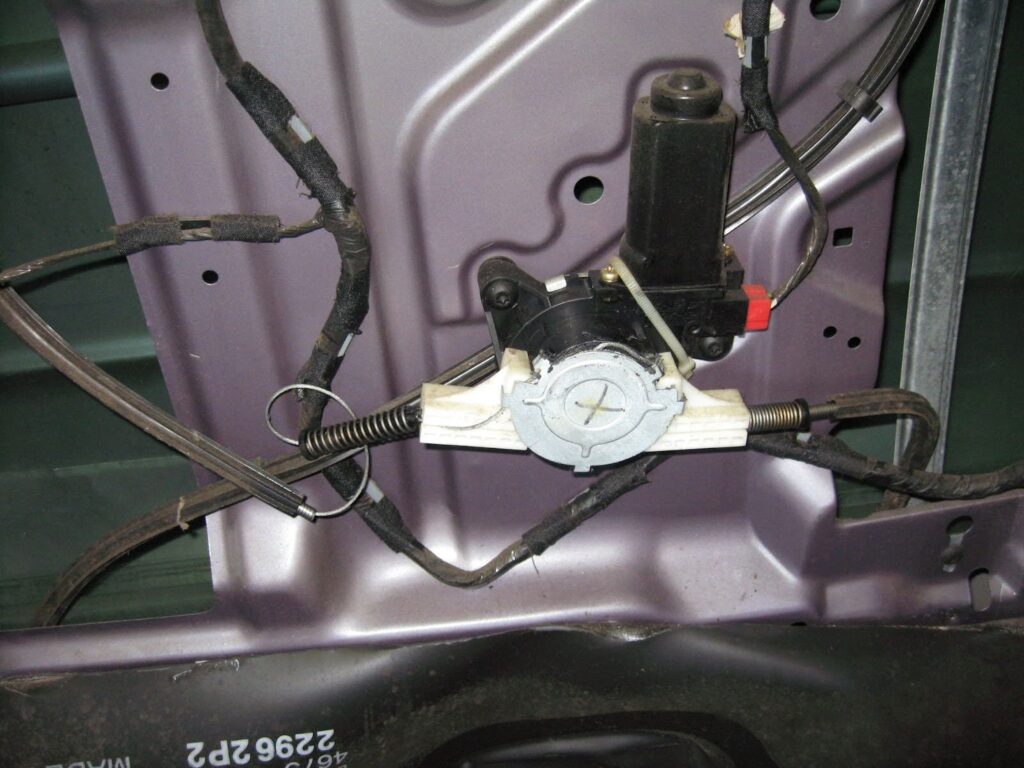
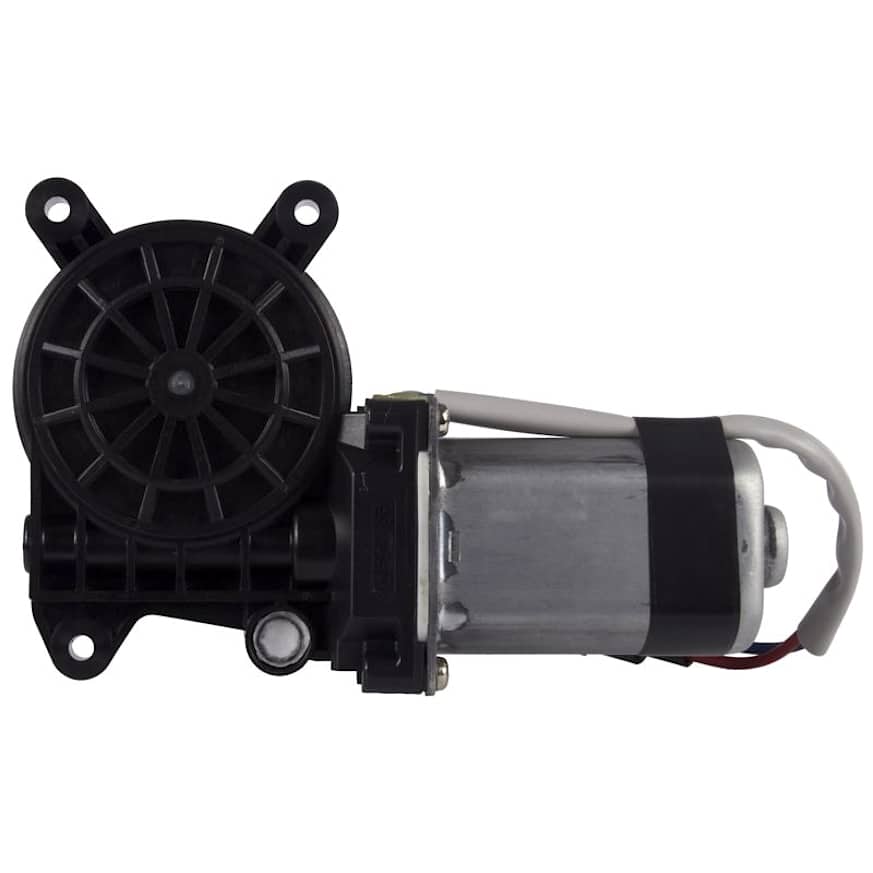
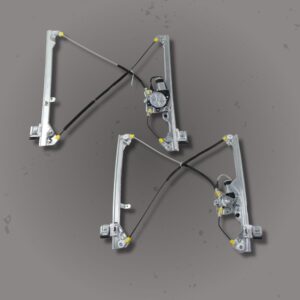
The most common failure is the window regulator itself, and most window regulators are now the cable-and-pulley style. When the regulator fails, the motor may run without moving the window or the window may even fall into the door. If you hear the motor but the window isn’t moving, you’ll need an entire regulator, which comes with the motor. But on older spring-loaded scissor-type window regulators, the motor is the most likely component to fail.
The good news is that catching these problems early leaves you with good options. You might discover it’s just a simple fix, or you could replace a motor that’s starting to fail before it completely gives up on you.You’ll find tons of guides out there listing basic symptoms of why your windows won’t roll up, but here’s what really helps: knowing how to check if you have a dying window motor. This saves you from the frustration and expense of replacing perfectly good switches or rewiring when those aren’t even the problem. It’s a good idea to learn about straightforward diagnostic steps and the key warning signs to look out for.
Signs That Point to a Dying Window Motor
Accurately narrowing down the cause of the issue matters before you buy parts. Here are some signs it might be time to replace your window motor:
The Window Doesn’t Move at All
On a window that won’t move and doesn’t make any sound at all, an experienced mechanic will open the door, switch the key to ON, and watch the dome light while operating the switch on the inoperative window. If the dome light dims slightly or measured battery voltage indicates an electrical load, you know the motor is receiving power and ground. In that case, the regulator may be fouled.
Slow or Uneven Movement
If your window crawls up or down, or seems to change speed halfway, the motor is struggling. It’s losing strength, often from worn brushes or tired internal gears.

Pro Tips are nuggets of information direct from ASE-certified automobile technicians working with CarParts.com, which may include unique, personal insights based on their years of experience working in the automotive industry. These can help you make more informed decisions about your car.
Pro Tip: Try lubricating the flocked run where the window glass moves up and down using silicone spray. Mechanics do this.
Noises From Inside the Door
Clicking, grinding, or buzzing sounds when you press the switch usually mean the motor is under stress. Those sounds are the mechanical parts inside fighting against wear.
Intermittent Function
Intermittent function often signals electrical wear inside the motor or problems with the switch. If the windows have been left down and rainwater has entered the switch assembly, or if somebody has spilled beer or soda pop on the switches, suspect the switch.
Wiping the spillage from the outside doesn’t clean the inside of the switch where the contacts are.
On worn-out window motors, brushes lose contact, wiring overheats, and eventually it quits altogether.
Sticking or Crooked Window
If the window tilts, stops halfway, or feels uneven, the motor may not have enough torque left to handle the load. In many cases, the regulator is also binding, which puts extra stress on the motor.

Total Silence
Press the switch and nothing happens—no hum, no twitch, no movement. That’s often a dead motor, though wiring and switch issues can mimic it. But again, don’t go buy a window motor until you’’re sure. Usually, buying the entire regulator-on-cable types makes more sense than just buying a motor, because the regulator fails far more often than the motor.
Heat or Smell (Almost Never)
On rare occasions, a failing motor overheats and gives off a faint burning smell. That’s the internal windings cooking, and it means the motor is on borrowed time. However, you won’t usually experience this because power window motors and power door lock motors often have an internal circuit breaker.
How to Check If You Have a Dying Window Motor
Before replacing parts, try these simple tests to identify motor issues from wiring or regulator problems.
1. Start With the Fuse and Wiring
Inspect the circuit breaker and check if the power window fuse is blown. Replace the fuse as needed and test again. Follow the wiring inside the door and check for loose connections, corrosion, or damaged insulation.
2. Listen While Using the Switch
Press the window button and pay attention to the noise that your window makes. A hum or buzz means power is reaching the motor. Silence may indicate a dead motor or a bad switch.
3. Detach the Door Panel for Better Access
Disconnect the battery and remove the interior panel carefully. This exposes the window regulator and motor for closer inspection.
4. Check Voltage at the Motor
Use a multimeter at the motor’s connector while pressing the switch. If you see 12 volts but no movement, the motor is the problem.
5. Apply Power Directly
Run jumper wires from the battery straight to the motor and watch what happens. If it spins but the window doesn’t move, it’s the regulator. If it doesn’t spin, it’s finished. If it does spin and the window operates all the way up and down, check the switch and wiring.
6. Test the Regulator’s Movement
Disconnect the motor and move the window manually. If the regulator binds, that resistance could have accelerated motor wear.
7. Look Inside the Motor
If possible, open the motor housing and inspect the brushes and commutator. Worn or pitted components mean the motor won’t last much longer.
When You’ll Need to Replace the Motor
Replacement is inevitable if the motor fails direct power testing, shows visible internal wear, or gets hot during normal operation. If it’s already working only half the time, it won’t magically recover. Many cars use combined regulator-and-motor assemblies, so replacing both at once often makes sense.
How Much Does a Window Motor Replacement Cost
Labor to replace a car window motor averages 1.5 to 3 hours, typically billed at $120 to $150. You can expect to spend $60 to $300 on parts alone. In total, you can expect a bill of $200 to $400 for most cars. Repairs for luxury models may cost more.
Doing it yourself can save you on labor, but the job may not be as simple as it seems. Door panels hide clips, wires, and delicate seals that can break easily. Weigh the savings against the risk of breaking something else.
Window Motor Installation Tips
Keep your window motor running in tip-top shape by following these installation tips.
Keep Track of Parts
Take photos while disassembling the door. Small clips and screws look identical, and guessing later is frustrating.
Work Safely
Disconnect the battery and use trim tools to avoid breaking plastic panels.
Lubricate the Moving Parts
Apply silicone or white lithium grease to the regulator tracks. Less resistance means less stress on the new motor.
Seat the Glass Properly
If the window glass is crooked in the track, even a new motor will struggle. Adjust it before tightening everything.
Test Before Closing Up
Run the motor a few times with the door panel off. It’s easier to fix problems before reassembly.
Organize Wires
Bundle wires neatly with clips to prevent them from interfering with moving parts.
Break It In Gently
Operate the window a few times under normal use to let the new gears settle in.
Check Travel and Seals
Confirm the window fully opens and closes, and that the seals keep water out.
Replace the Regulator if Worn
If the regulator is stiff or bent, replacing the motor alone won’t solve the problem.
Seal the Door Back Up
Reattach the vapor barrier and seals, so moisture doesn’t damage your new motor.
Pro Tips are nuggets of information direct from ASE-certified automobile technicians working with CarParts.com, which may include unique, personal insights based on their years of experience working in the automotive industry. These can help you make more informed decisions about your car.
Pro Tip: On older Ford vehicles with scissor type window regulators, the motor attaches to the regulator with three bolts that take an 8mm or 5/16 socket (same size). If you look carefully with the door panel removed, you’ll see three dimples like factory center punch marks in a triangle where you can drill holes that allow access to the bolts. This is very handy and a lot of mechanics don’t know about it.
Keep Reading: Related Posts




Any information provided on this Website is for informational purposes only and is not intended to replace consultation with a professional mechanic. The accuracy and timeliness of the information may change from the time of publication.