Yes, bug shields are worth it if you regularly drive rural highways, wooded routes, or gravel roads where insects, stone chips, and road debris hammer the front of your vehicle. They reduce windshield splatter, cut down on paint chips along the leading edge of the hood, and take minutes to install. They’re less useful for short urban commutes, and they don’t replace proper cleaning or full paint protection.
Key Takeaways
- Bug shields redirect airflow upward, lifting smaller insects and debris over the windshield instead of into it
- Aerodynamic shields handle small bugs well, but larger insects and stones can still get through
- Expect a small fuel economy hit, usually one to three mpg, from added drag and weight
- Most shields install with 3M automotive tape or existing hood fasteners, no drilling required
- Coverage is limited to the front of the hood and lower windshield, so roofs, doors, and side panels stay exposed
- A vehicle hood bra is a different device that’s intended to protect the paint, but it can trap dirt and moisture if it isn’t removed and cleaned regularly.
What a Bug Shield Actually Does
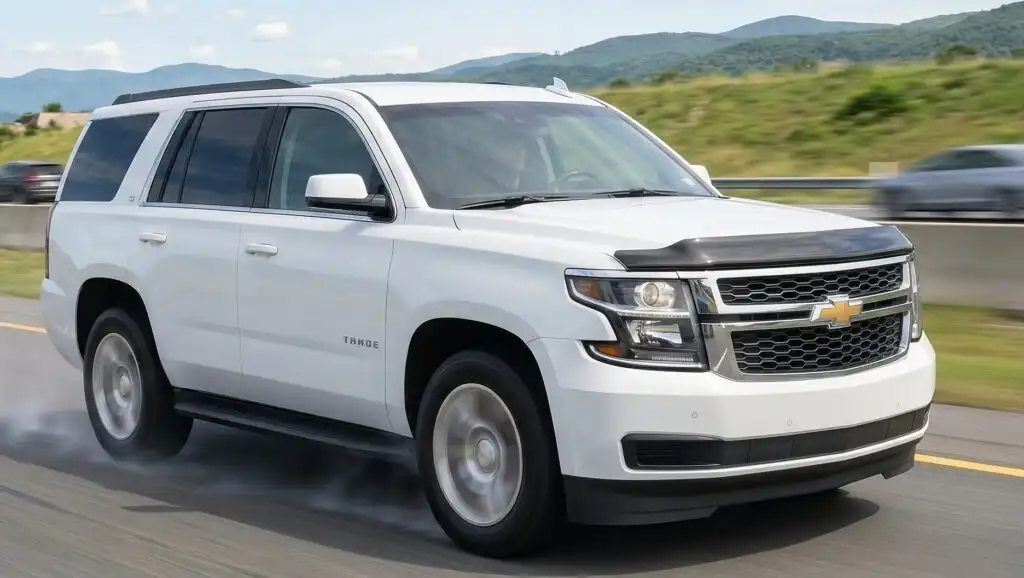
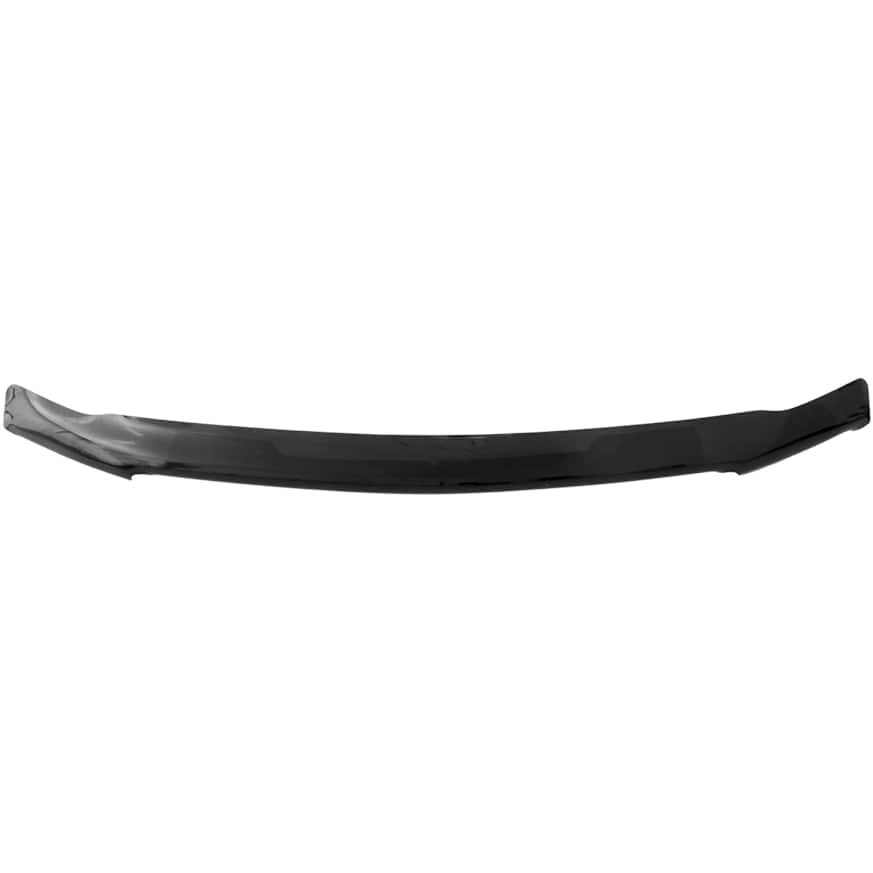
A bug shield, also called a bug deflector or hood protector, is a curved strip of acrylic, polycarbonate, or stainless steel that mounts along the front edge of the hood. It sits a few inches above the hood line and forces incoming air to rise sharply. That upward stream carries bugs, small stones, and dust over the windshield instead of letting them slam into the glass or strip paint from the hood’s leading edge.
So, do bug deflectors work the way the marketing suggests? Mostly, yes. The physics is straightforward: air moves over the shield, and anything light enough gets lifted with it. Heavier objects carry too much momentum for the airstream to redirect, which is why you’ll still see occasional splatter after a long drive through a cicada bloom or a love bug stretch. Think of a shield as a filter that removes the worst of the barrage, not a forcefield.
Older Flat Designs vs. Modern Aerodynamic Ones
Older shields used a flat, straight piece of plexiglass that physically deflected bugs off the hood. Newer aerodynamic models are shaped to guide airflow and primarily protect against stone chips along the hood’s edge. If bug coverage is your top priority, look for a deeper, more vertical profile. If you mostly want chip protection and a clean look, a low-profile deflector works fine.
The Case for Installing One
Protection from Bugs and Stone Chips
This is the core benefit. Drivers who log miles on rural highways or forest roads report visibly cleaner windshields and fewer paint chips along the front of the hood. Owners in heavily wooded regions often note that after installation, the windshield stopped ending every trip coated in bug residue. That’s the typical experience: not total elimination, but a meaningful drop in impact frequency and paint damage.
Easy Installation and Budget-Friendly Price
Most bug shields use 3M automotive-grade adhesive tape, existing hood holes, or a combination of both. Installation usually takes 15 to 30 minutes with a tape measure, isopropyl alcohol wipe, and the included hardware. Prices vary by material and brand, but a quality deflector is one of the most affordable exterior accessories you can buy, and it rarely needs replacement unless it’s damaged.
Cosmetic and Resale Considerations
A clean hood edge holds its paint and resale value longer than one peppered with rock chips. For trucks and SUVs that see rural or off-road use, a shield is cheap insurance against cosmetic wear that’s expensive to repair professionally.
The Drawbacks To Know About
Windshield Washer Spray Can Be Affected by Airflow
Some bug shields direct airflow upward so effectively that, at road speed, the shield might cause your windshield washer nozzle spray to miss the windshield and pass over the top of the vehicle.
This usually only happens if the nozzles are on the hood rather than on the wiper arms. The same airflow principle that helps block bugs can also affect washer spray, creating wind shear in front of the shield and lower pressure near the base of the windshield. If this happens, you might need to slow down or wait until you stop before using the windshield washers.
Fuel Economy and Drag
Adding a shield can increase frontal area and drag. Most drivers see a small mpg hit, sometimes as much as one to three miles per gallon. If you drive long distances daily or track fuel costs closely, that number adds up over a year.
Limited Coverage
A shield protects the front portion of the hood and, to a lesser extent, the lower windshield. Your roof, door panels, side mirrors, and headlights stay fully exposed to road debris. This is the main limitation: shields are partial protection, not full coverage.
Fit and Aesthetics
Not every bug shield car setup looks clean on every vehicle. Some hoods wear a low-profile deflector well, while others end up visually bulky. Check product photos for your vehicle’s exact year, make, and model before ordering, especially if the front-end look matters to you.
When a Bug Shield Makes Sense
A shield pays off fastest if you drive frequently on rural highways, in heavily wooded areas, on gravel or dirt roads, or through regions with seasonal insect booms. Lovebugs in the Southeastern U.S. are a good example of this.
Truck and SUV owners who tow, haul, or cover long stretches between cities tend to see the clearest benefit. If your daily driving is city-only on well-paved roads, the gains are marginal and the fuel economy trade-off may not be worth it.
How To Choose the Right One
Start by confirming the shield is made for your vehicle’s exact year, make, and model. Fitment is the single most important factor, and generic universal shields often leave gaps that look sloppy and perform poorly.
Material
Acrylic and polycarbonate are the most common options. Aerospace-grade acrylic is durable and clear, while polycarbonate offers slightly better impact resistance. Smoked tint hides road grime, while clear blends more subtly into body color.
Mounting Style
Tape-on designs keep the hood drill-free and rely on 3M automotive adhesive. Channel or bolt-on models use existing hood holes for a more permanent installation. Both methods hold up well when installed on a clean, dry surface above 50°F.
Safety note: if you ever notice a shield lifting, vibrating, or cracking at highway speed, remove it and inspect the mount. A loose shield can become a hazard for you and the vehicles behind you.
FAQ
Yes, and that’s where they perform best. The faster the airflow, the more effectively the shield can lift lighter bugs and debris over the windshield, but the airflow may also affect windshield washer spray at road speeds.
A properly installed shield shouldn’t damage paint. Problems usually come from trapped moisture or grit beneath tape-mounted models. Clean under and around the shield a few times a year, and remove it if you notice bubbling or lifting.
A quality acrylic or polycarbonate shield lasts five to ten years with normal use. UV exposure, severe weather, and frequent brush-style car washes can shorten that window.
Most touchless washes are fine. Avoid washes with stiff brushes, which can scratch acrylic or loosen tape-mounted shields over time.
They work for both, but trucks and SUVs with taller hoods benefit most. Low, sloped car hoods already guide airflow over the windshield, so the added effect is smaller.
If you drive rural highways, wooded routes, or dusty back roads often, a quality bug shield is a small investment that keeps your vehicle’s paint cleaner and its windshield clearer. Match the product to your vehicle, install it on a clean hood surface, and you’ll see results on your next long trip. Shop compatible bug deflectors and hood protectors at CarParts.com to find a model that fits your vehicle perfectly.
Keep Reading: Related Posts


Any information provided on this Website is for informational purposes only and is not intended to replace consultation with a professional mechanic. The accuracy and timeliness of the information may change from the time of publication.