
How to replace the front brake hose 2015 – 2020 Ford F-150 GEN 13
To replace the front brake hose on your F-150 GEN 13 this tutorial was tailor-made for you. You will be asked to open the brake fluid reservoir, lift the vehicle, Remove the brake hose as well as carry out a few other steps. You can carry out this tutorial of 11 chapters in 60 minutes. Bring your 16 mm wrench and your 10 mm socket and let’s get started!
Duration
60 minutes
Number of steps
11
Difficulty out of 5
3
Average savings
$50
Parts You Will Need
Tools You Will Need
Step-by-Step Installation
Chapter 1:
Open the brake fluid reservoir
Step 1/2
Turn off your vehicle’s ignition, set the parking brake, pull the hood release handle and open the hood.


Chapter 1:
Step 2/2
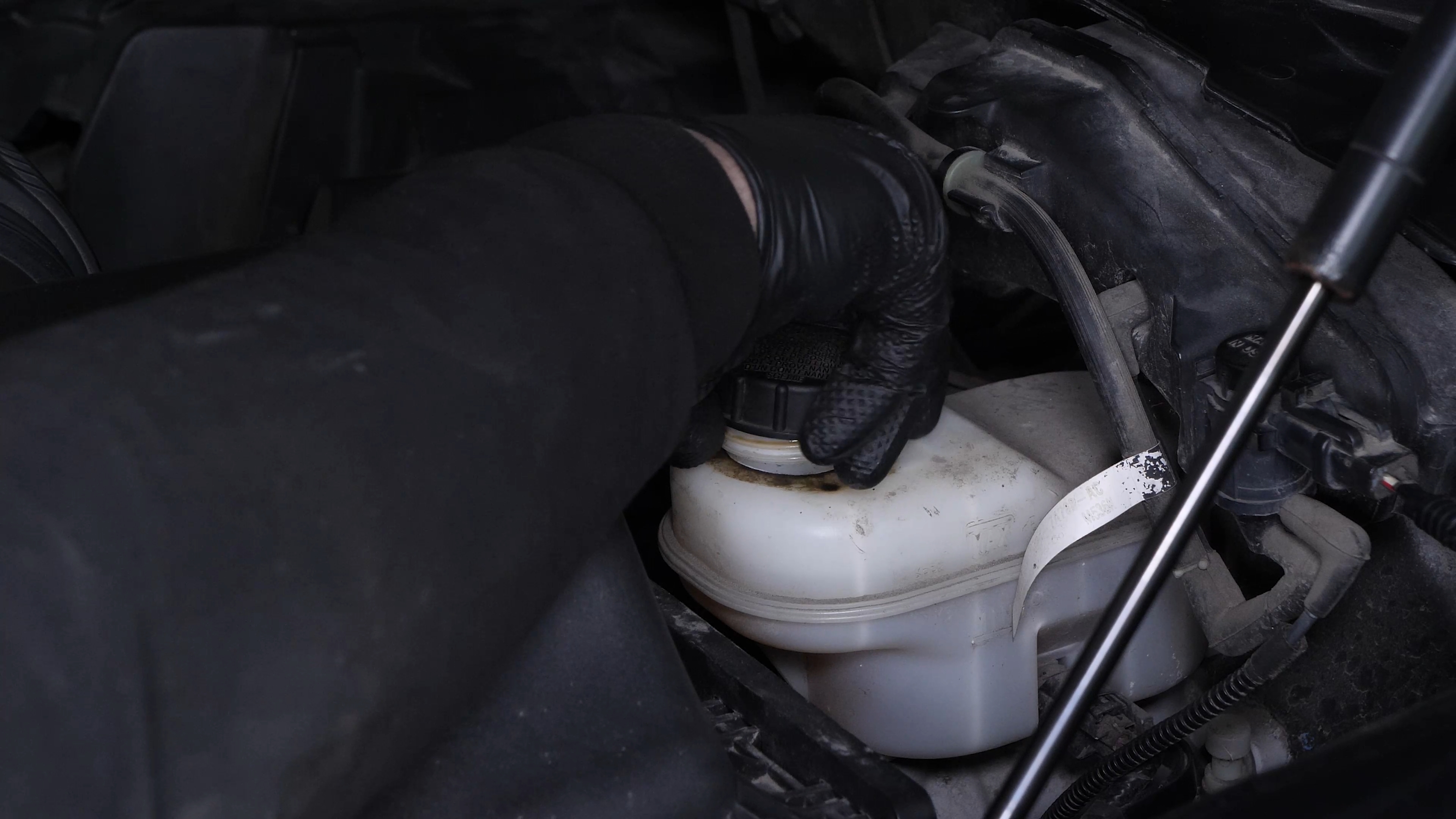
Open the brake fluid reservoir.
Chapter 2:
Lift the vehicle
Step 1/3
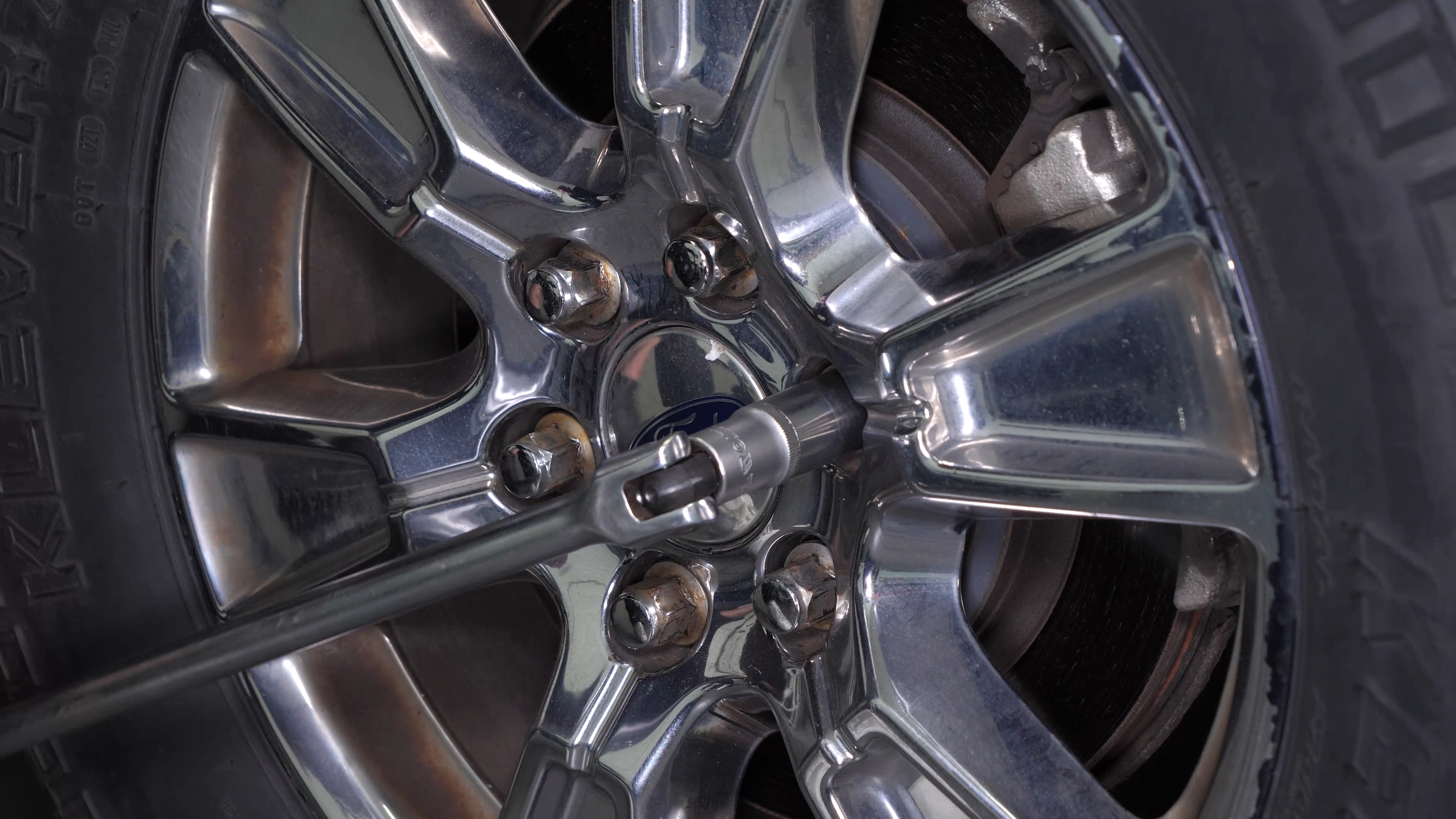
Loosen the stud bolts on the front wheels.
Chapter 2:
Step 2/3
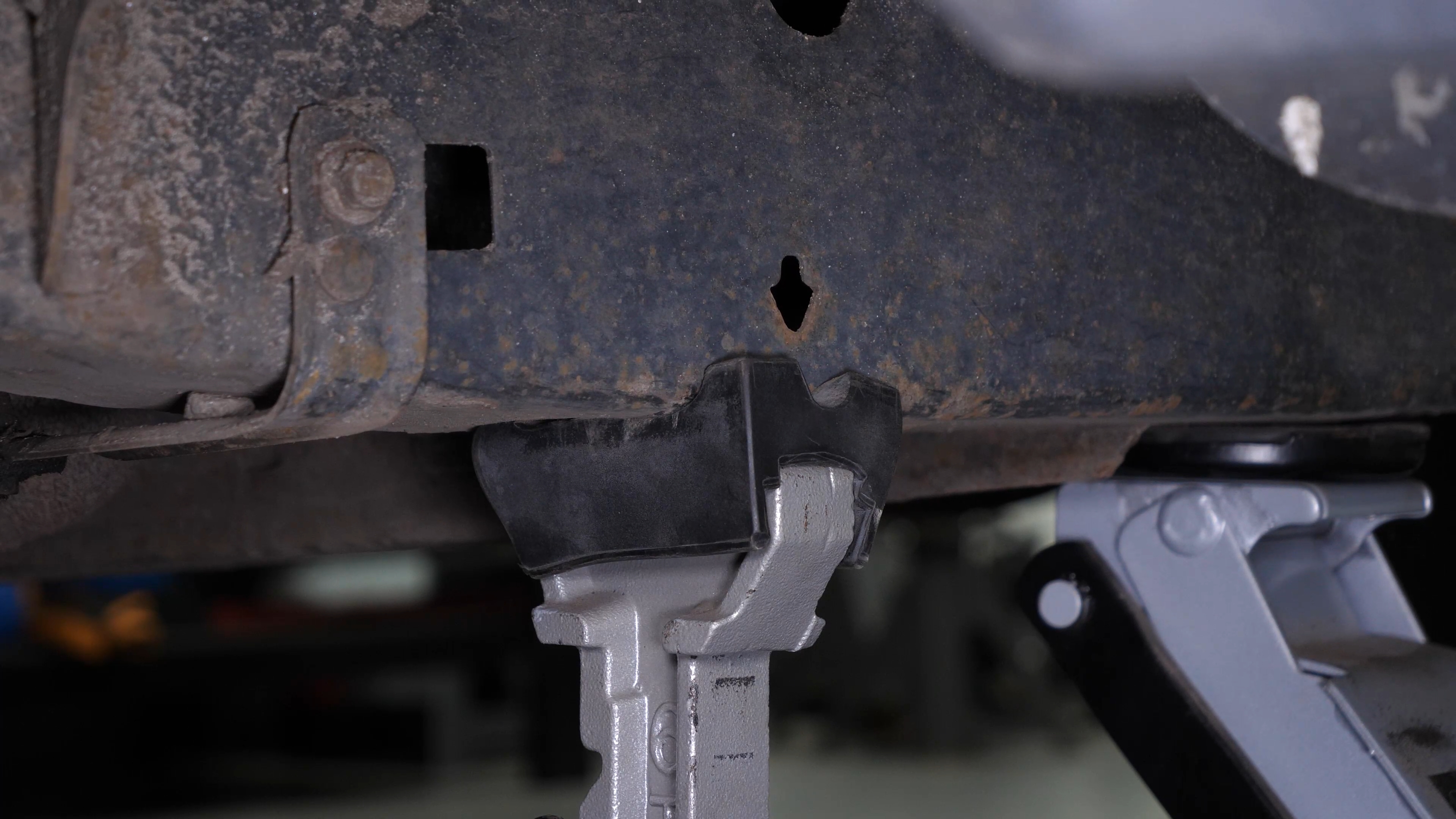
Lift the front of your vehicle. Place the vehicle on the jack stands.
Chapter 2:
Step 3/3
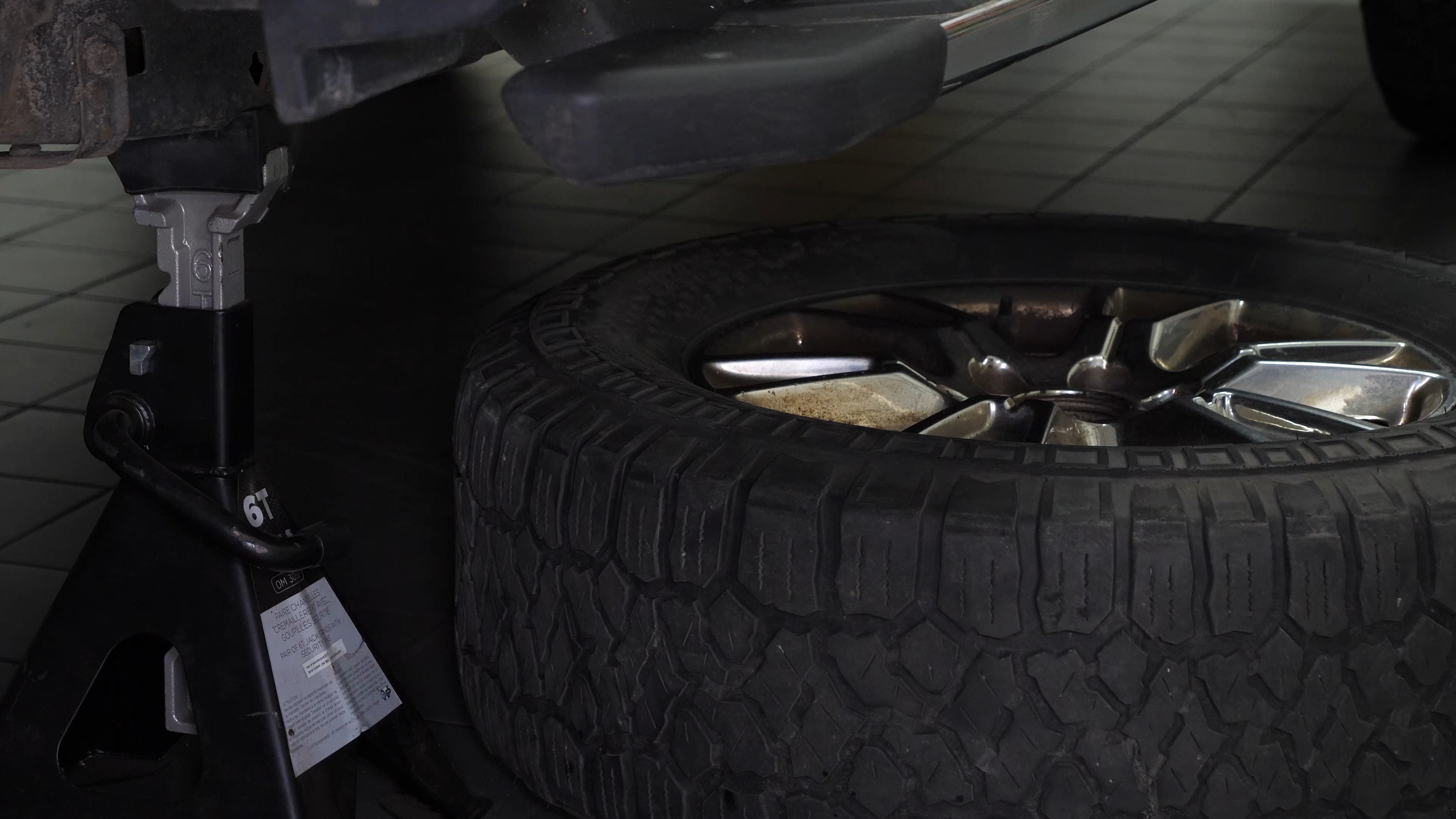
Don’t forget to put the wheels under the vehicle!
Chapter 3:
Unscrew the brake hose from the brake caliper
Step 1/5
Turn the disc outwards, this will facilitate the following steps.

Chapter 3:
Step 2/5
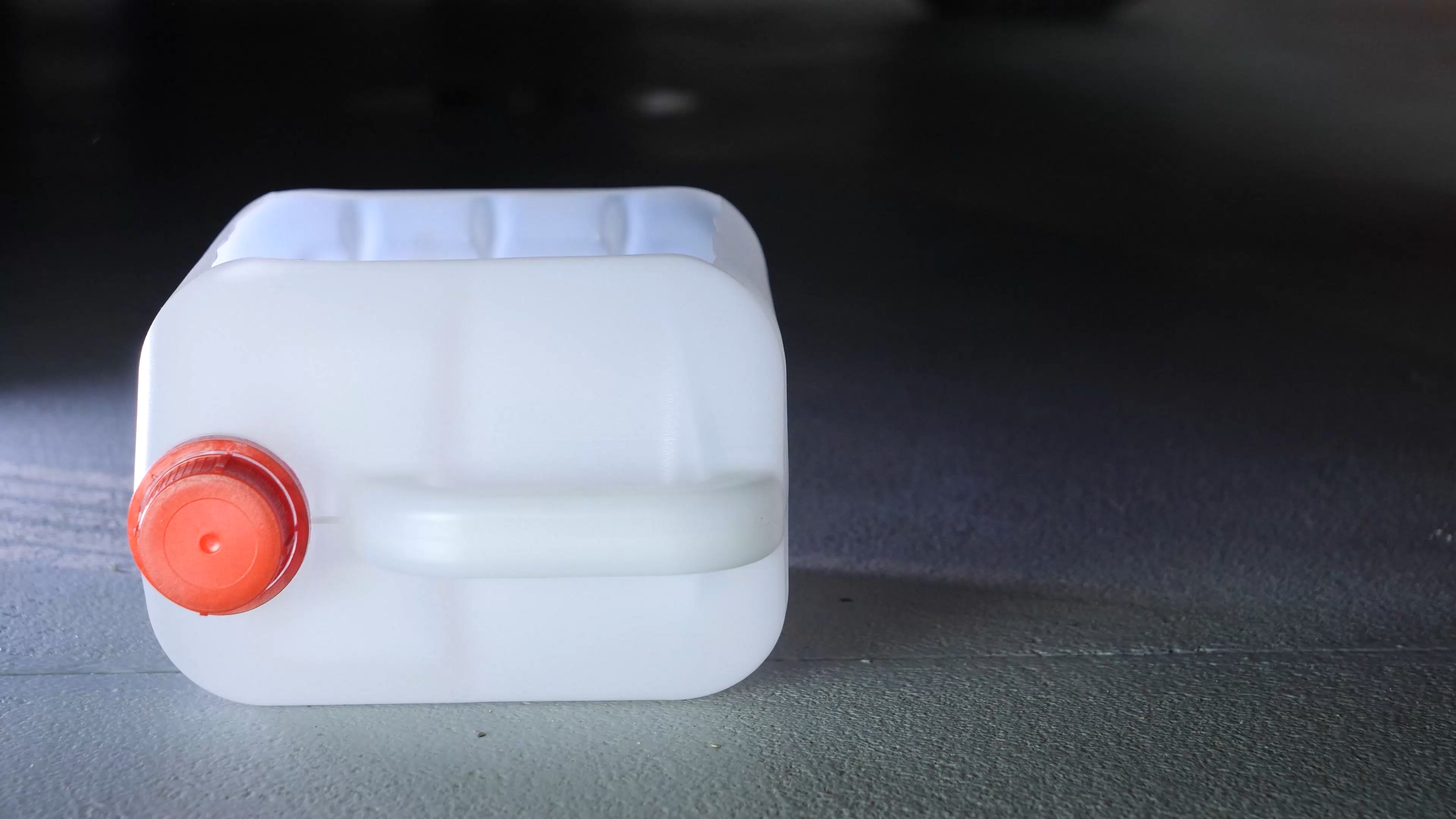
Place a container to collect the fluid under the caliper, since the brake fluid may leak out.
Chapter 3:
Step 3/5
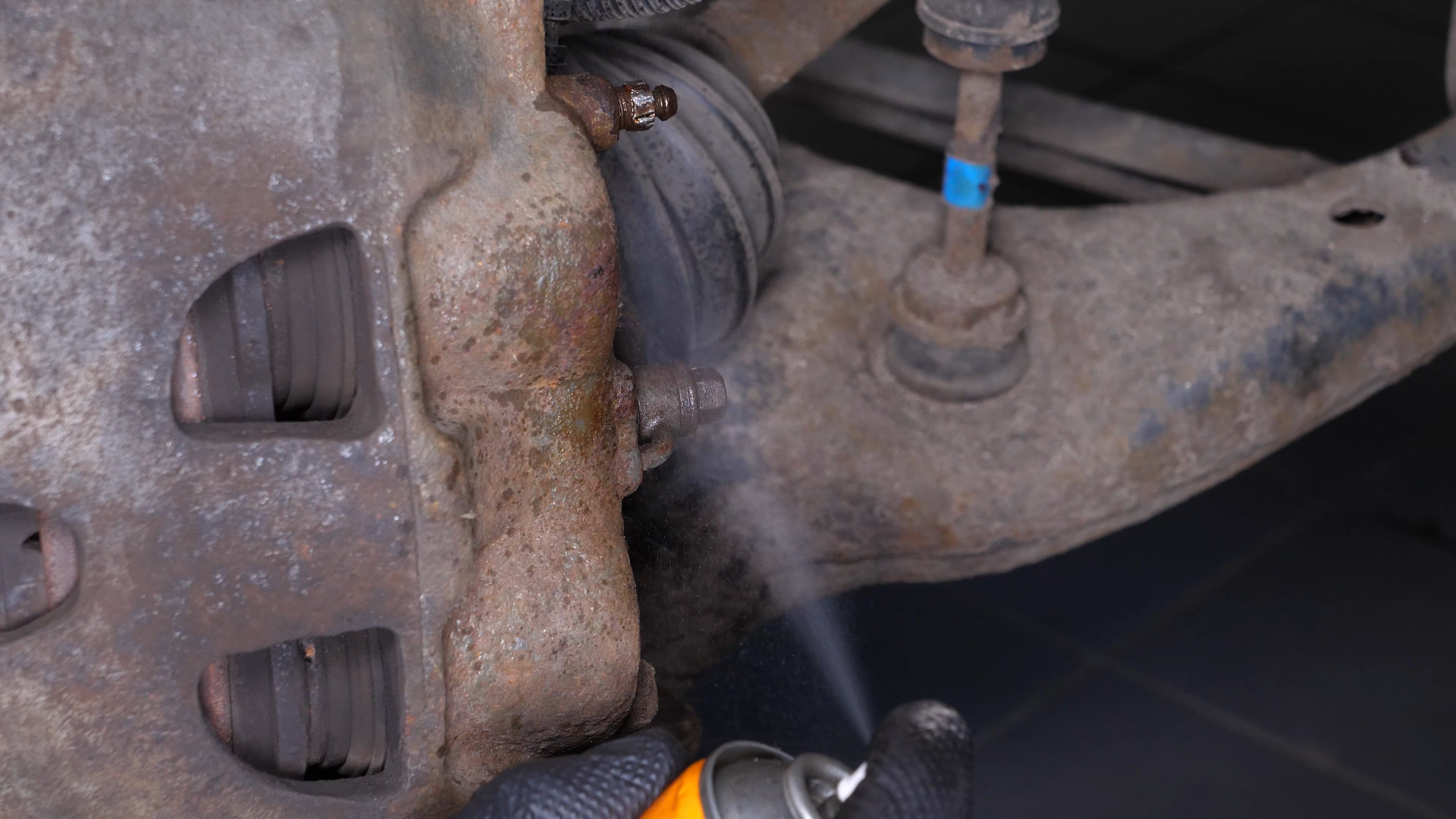
Using a wire brush, brush the bleeder clean before applying penetrating oil, to make sure you don’t break the trap if it gets rusty.

Chapter 3:
Step 4/5
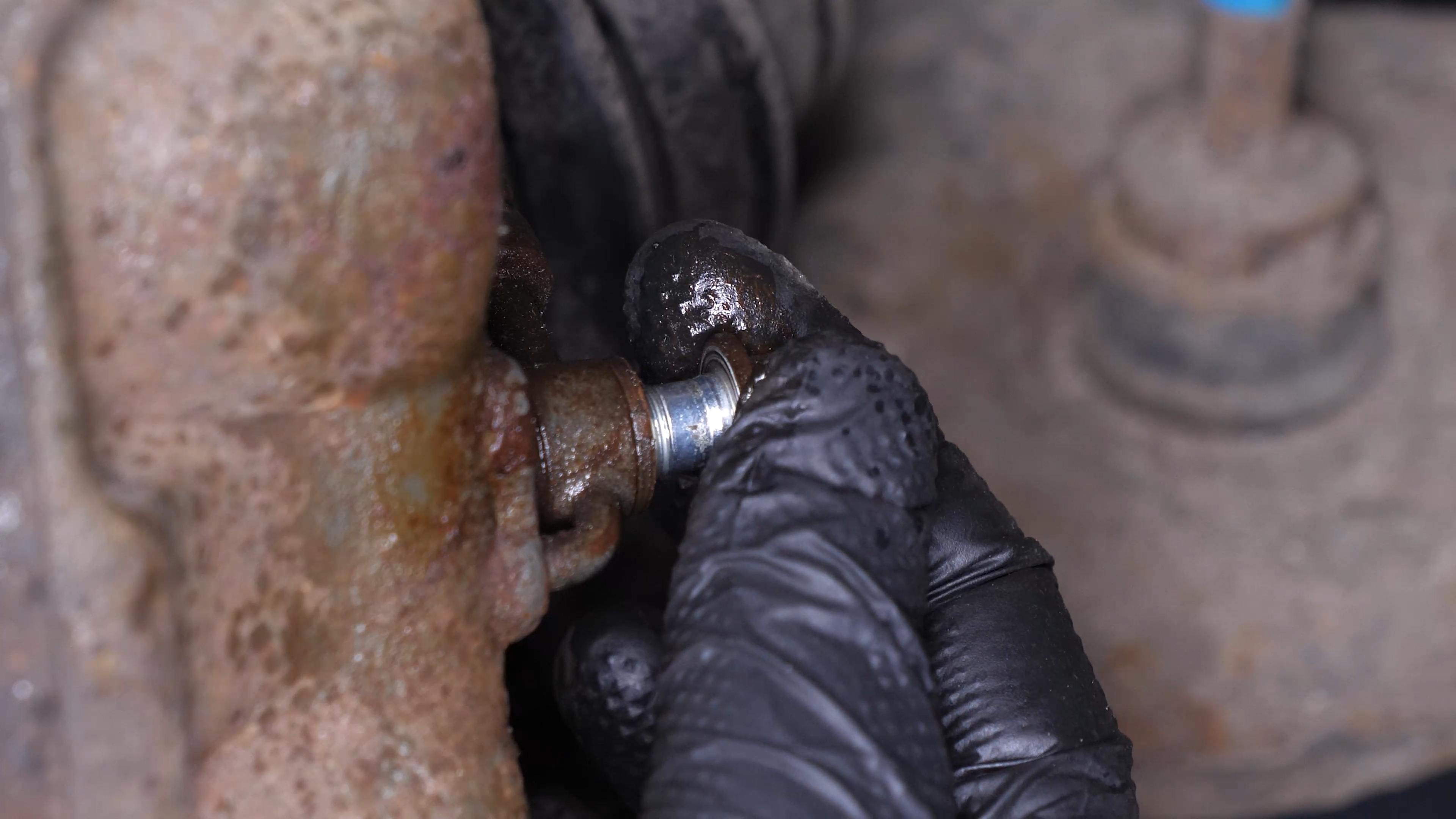
Using a ratchet and a 10 mm socket, unscrew the banjo bolt connecting the hose to the caliper. Then, remove it.

Chapter 3:
Step 5/5
Here’s a tip! You can limit brake fluid leakage during this operation by plugging both sides of the banjo bolt with banjo shutter pliers.

Chapter 4:
Remove the metal bracket
Step 1/4
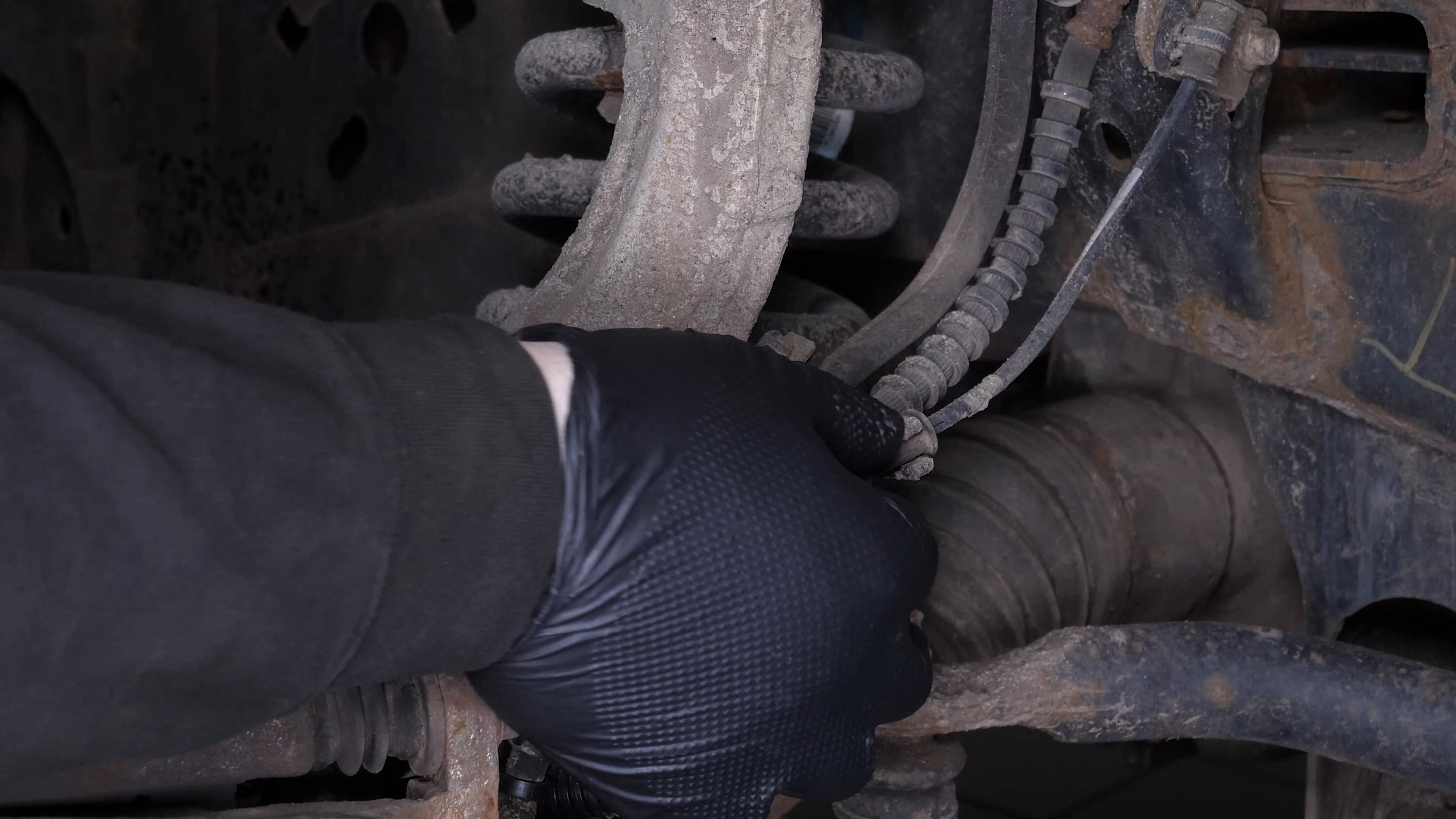
Disconnect the ABS sensor cable from the brake hose.
Chapter 4:
Step 2/4
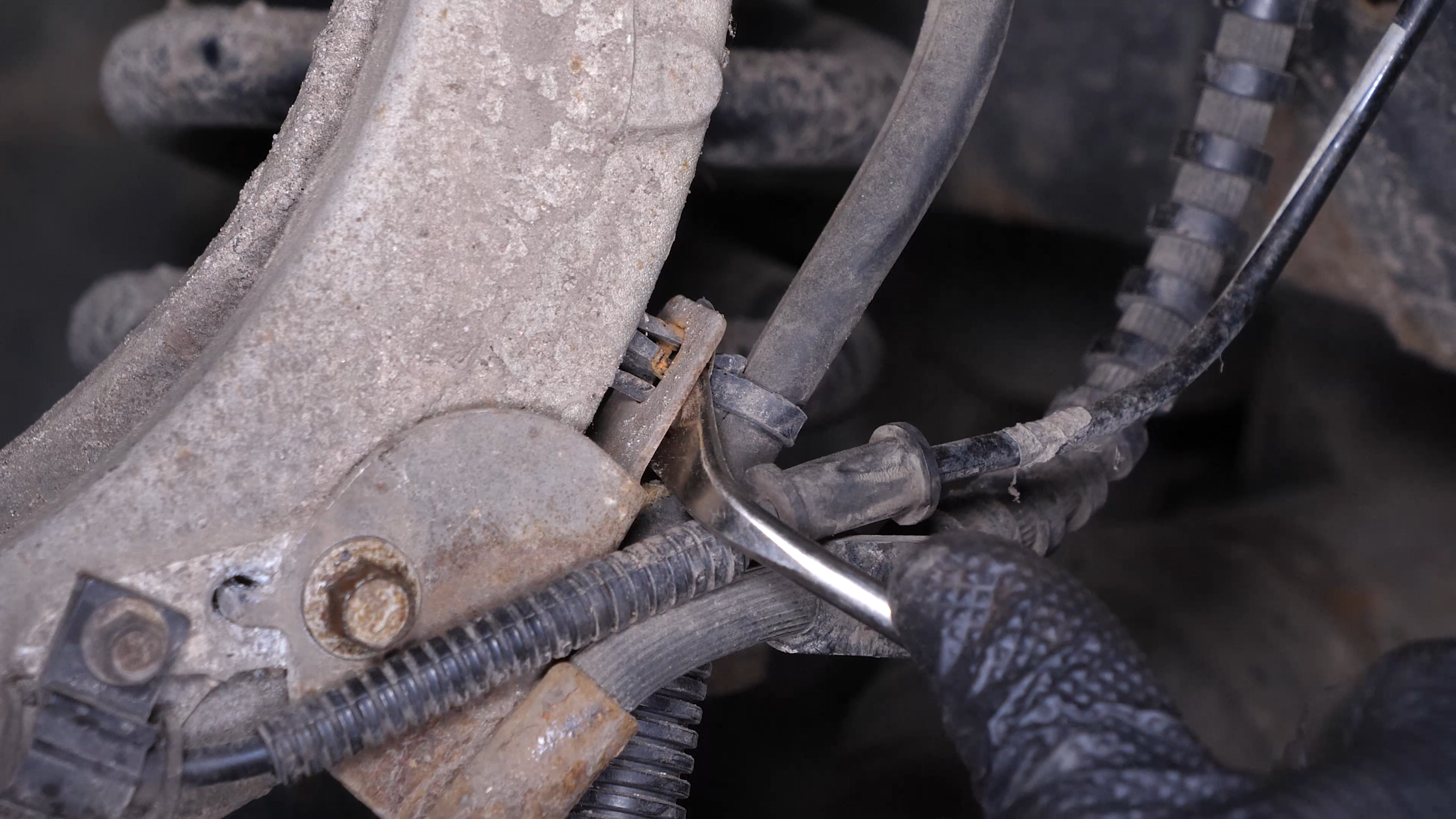
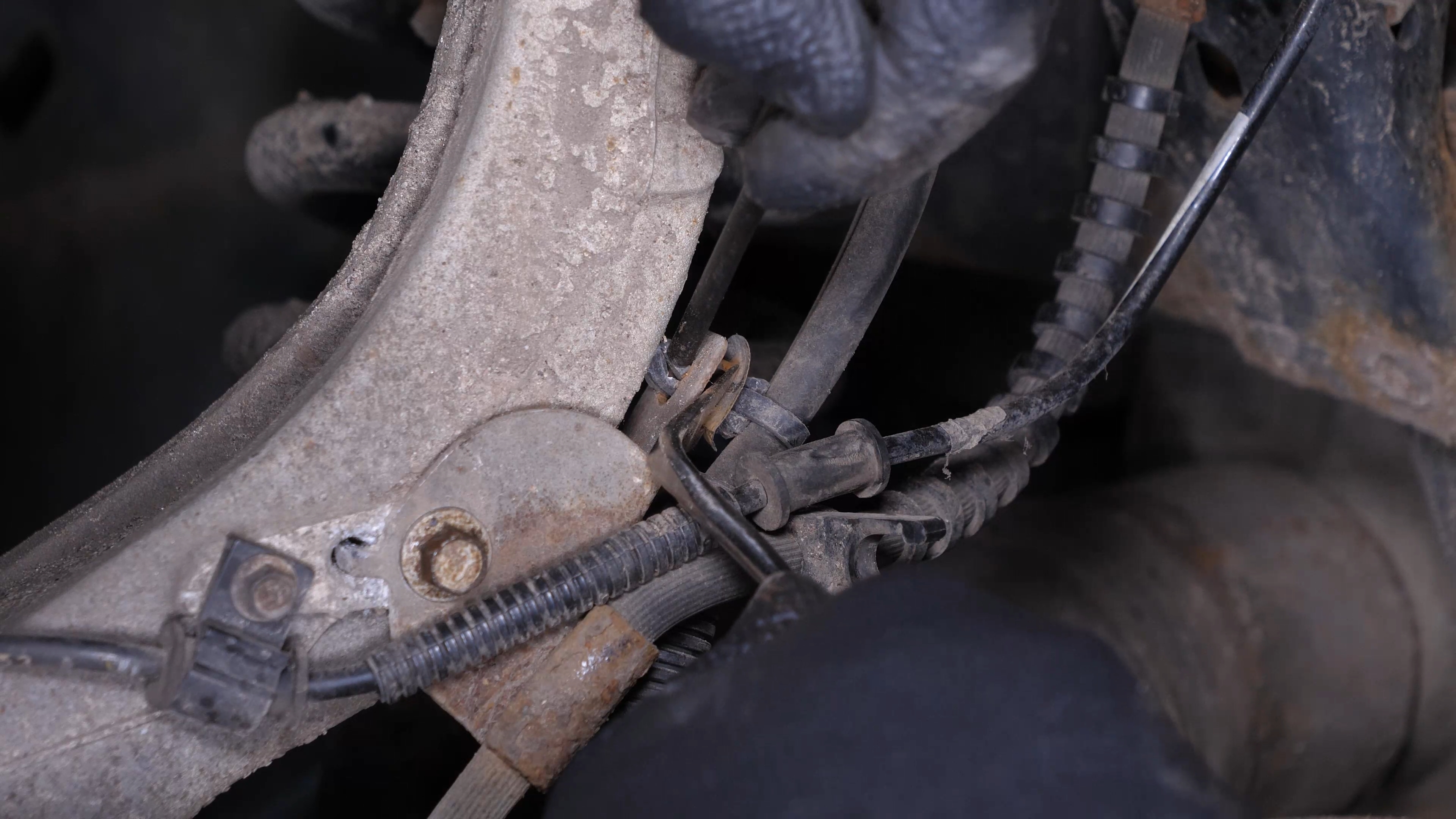
Disconnect the vacuum lines using a fork. You can also use a screwdriver to help you.
Chapter 4:
Step 3/4
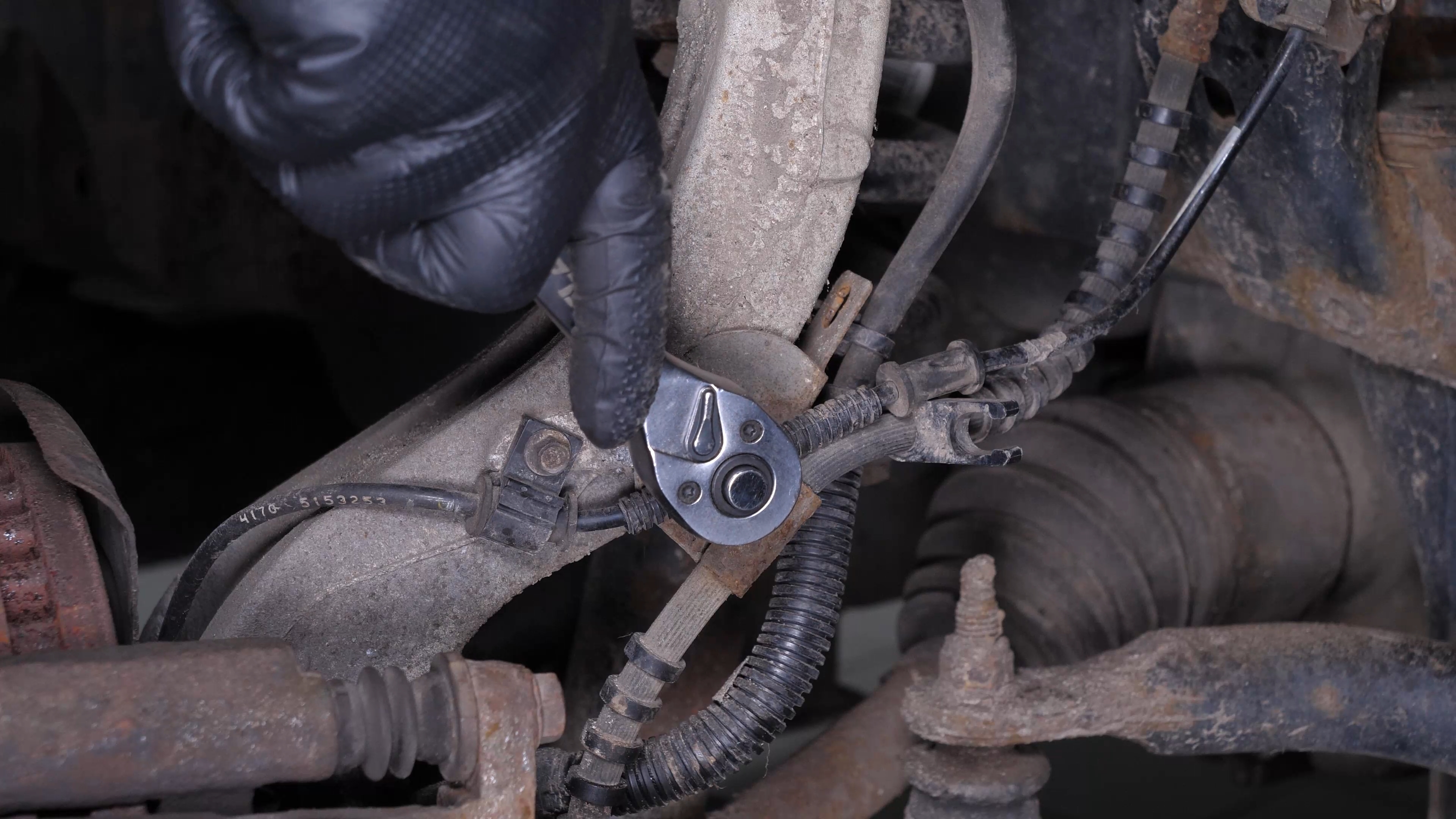
Using a ratchet and a 10 mm socket, unscrew the bolt securing the brake hose bracket. Then move the bracket aside.

Chapter 4:
Step 4/4
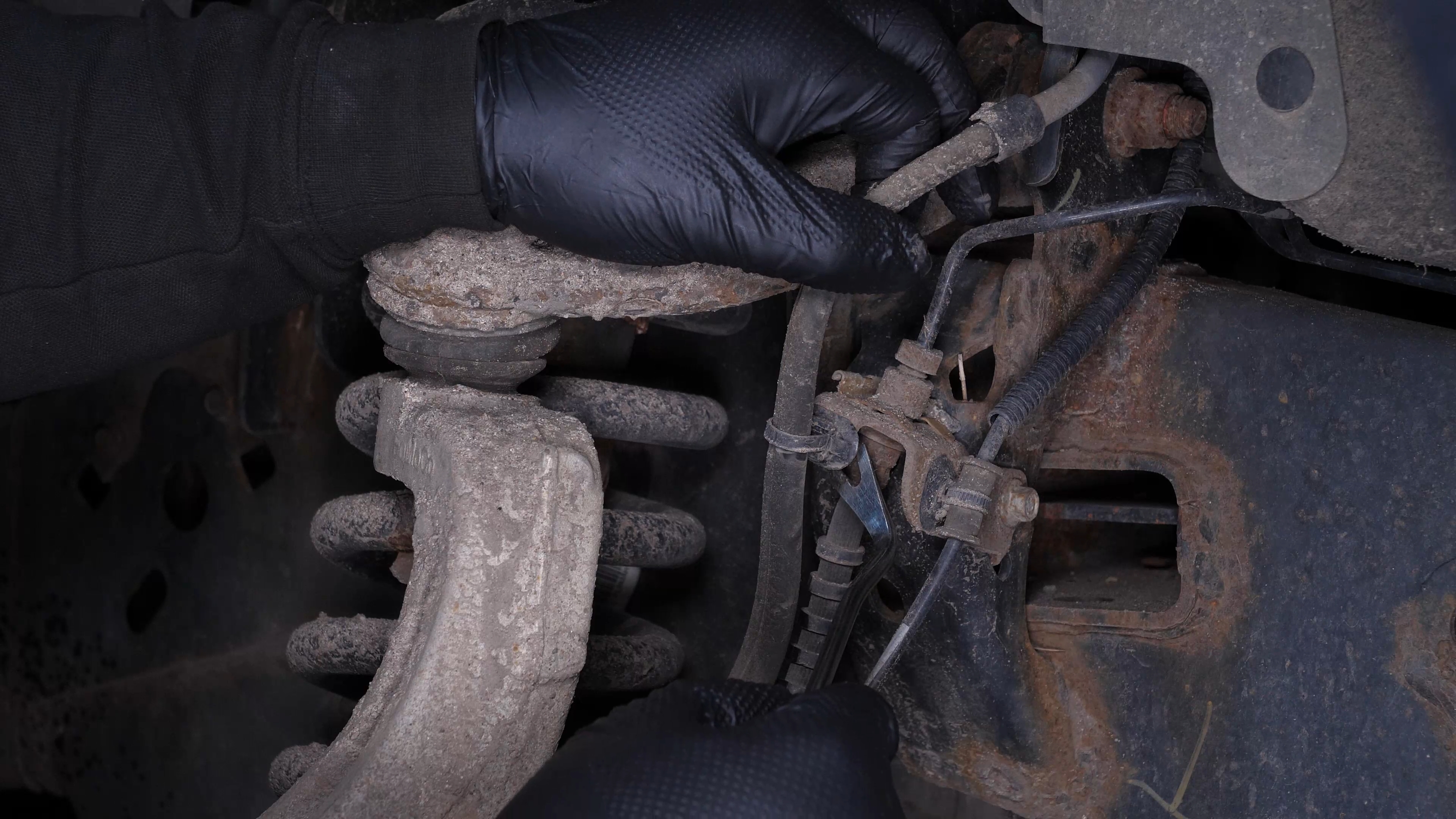
Disconnect the vacuum lines using a fork. Then fasten them with a zip tie.
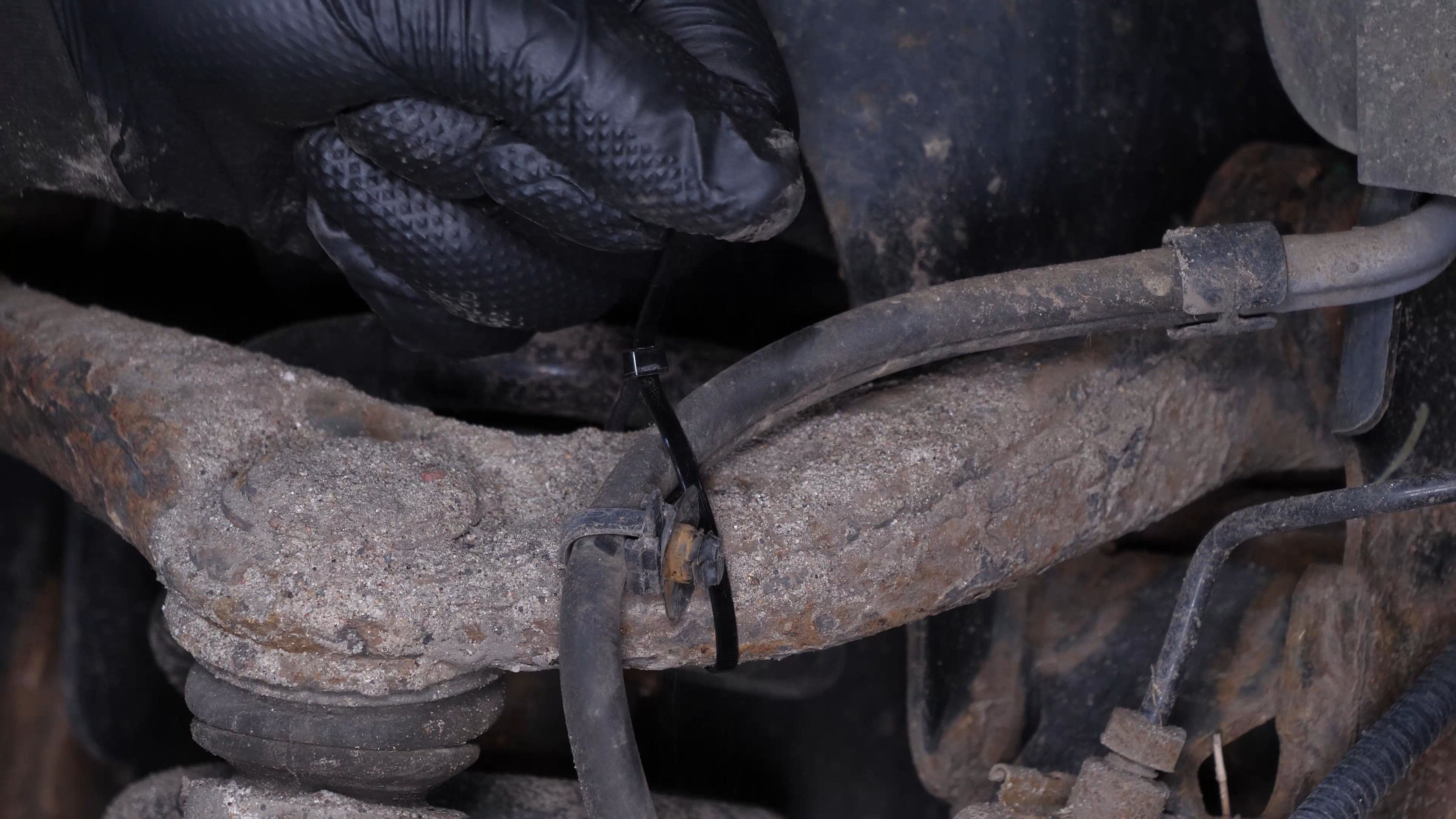
Chapter 5:
Remove the brake hose
Step 1/7
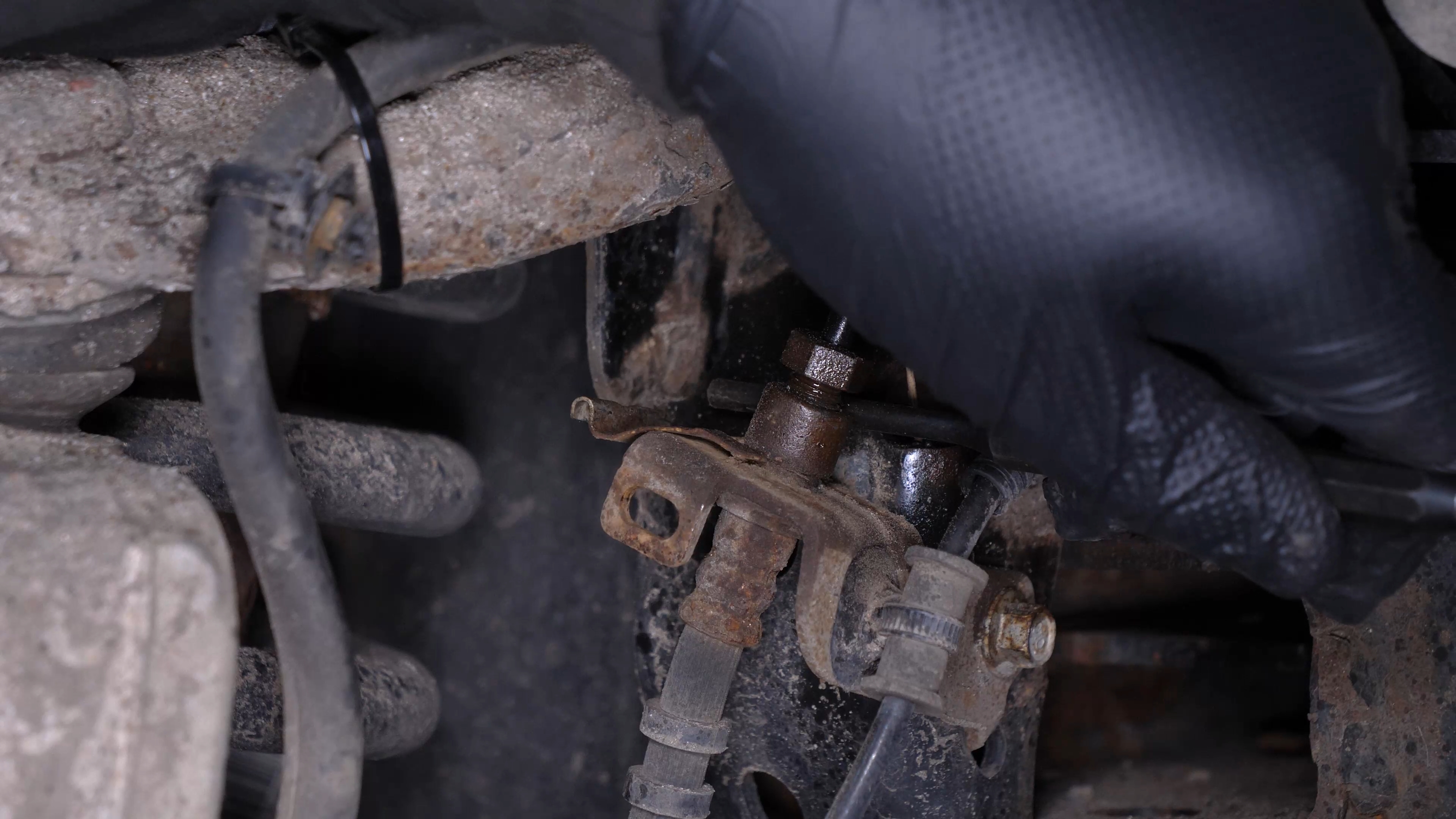
Using a wire brush, start by brushing the metal hose connection and spray it with penetrating oil.

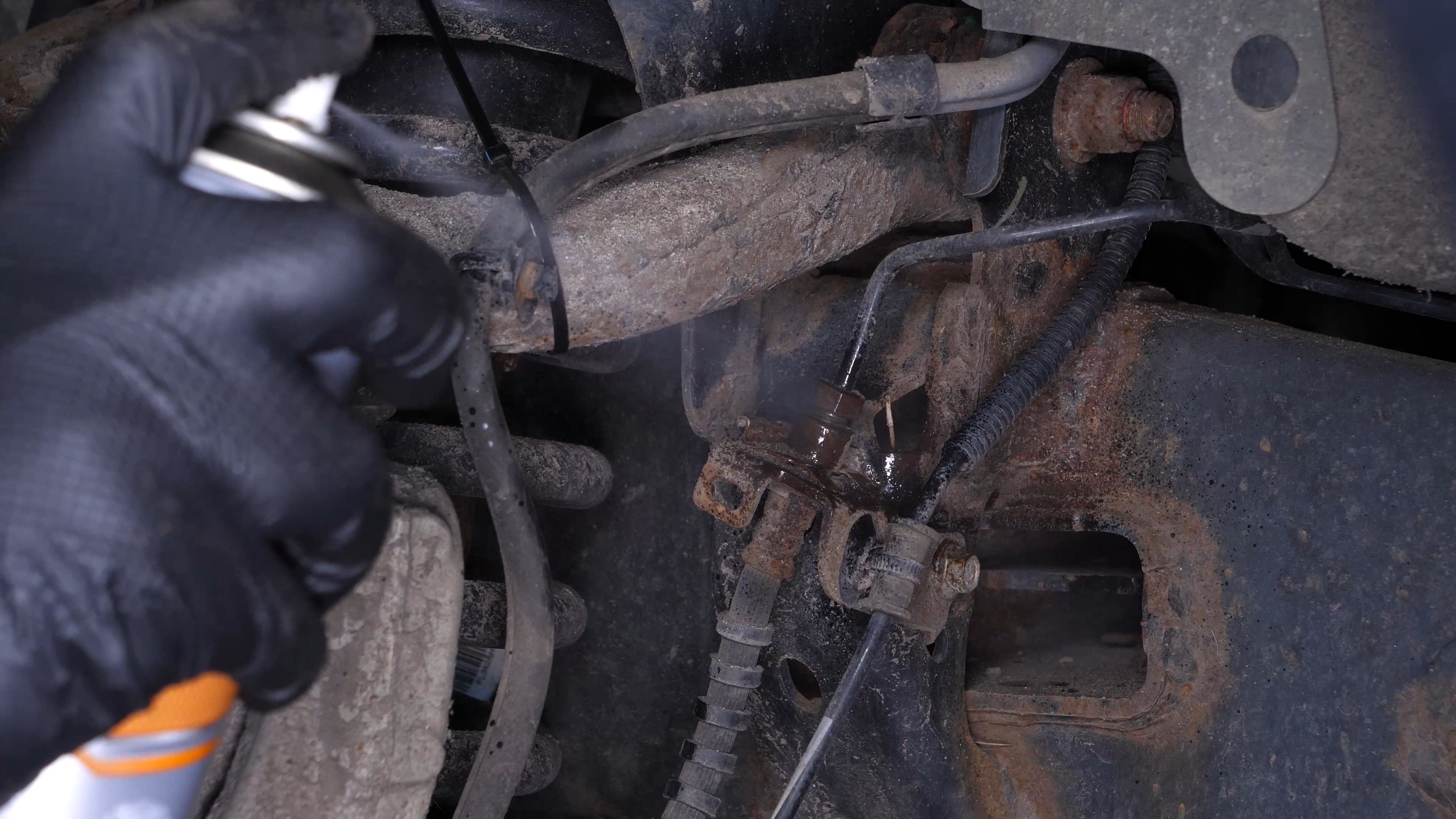
Chapter 5:
Step 2/7
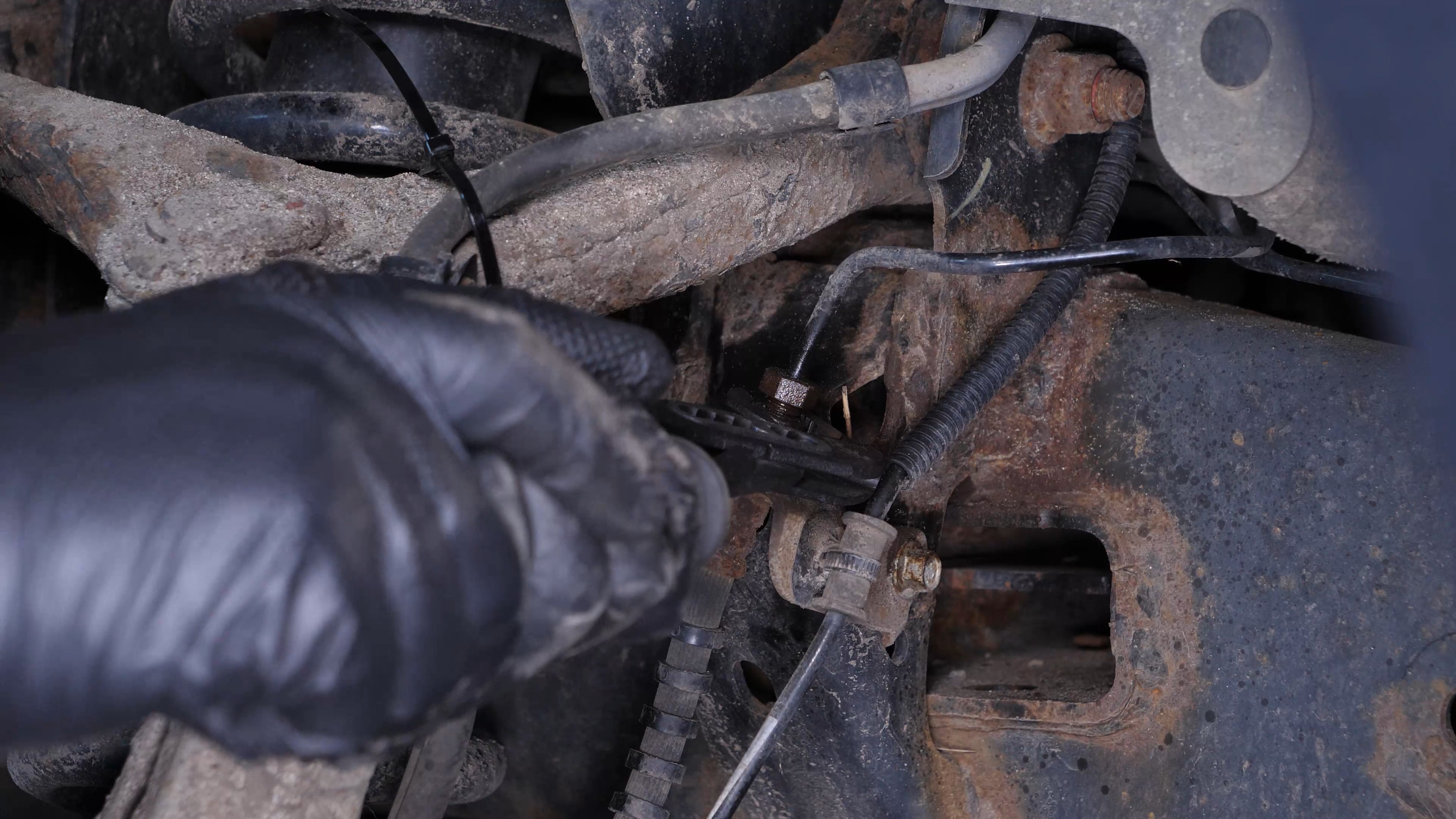
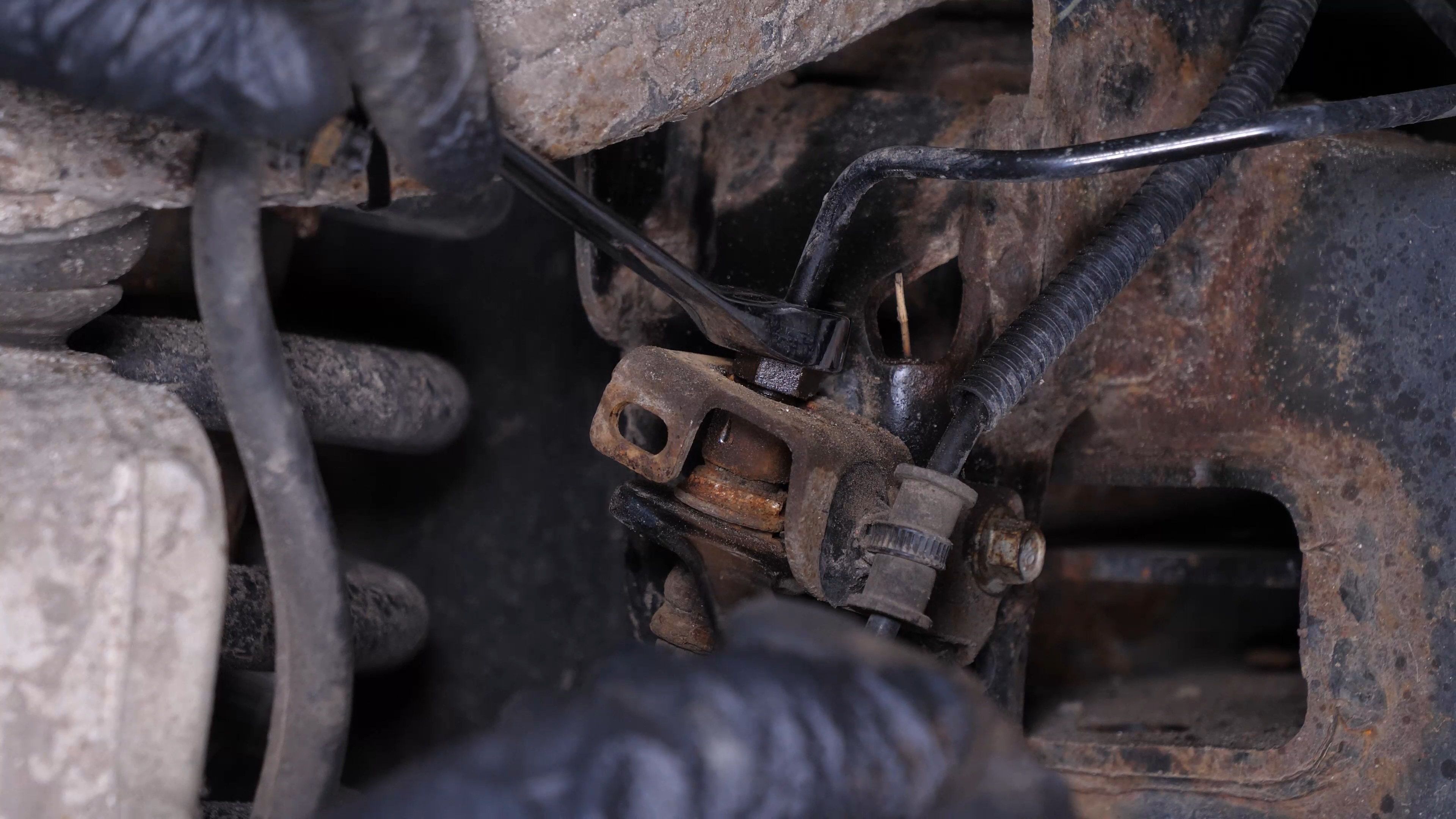
Using a 13 mm open ring wrench, undo the metal hose connector from the brake hose while it is still on its support.
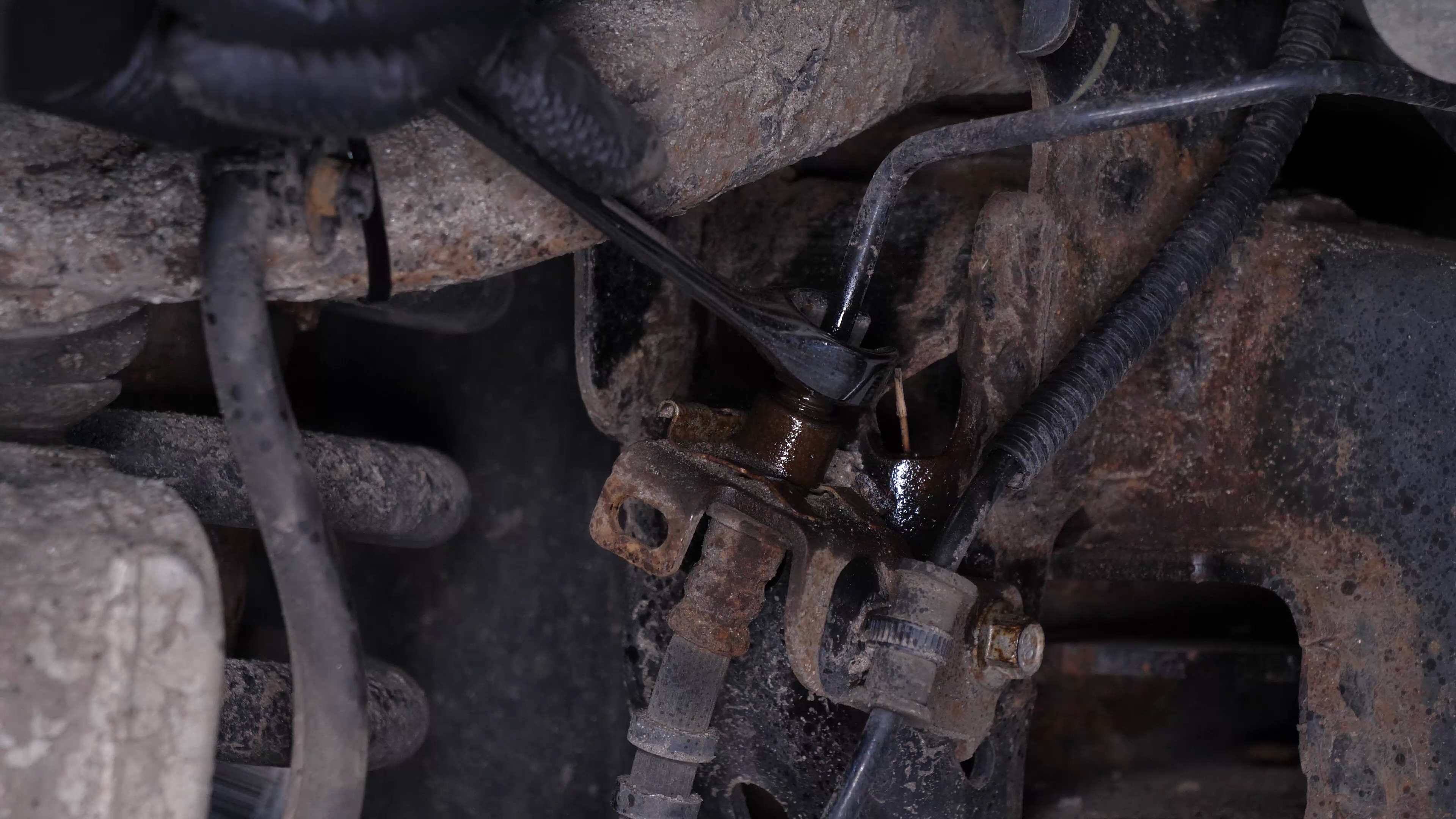
Chapter 5:
Step 3/7
Remove the brake hose retaining clip. You can use a pin punch and a hammer to help you. Depending on the state of corrosion, we even recommend using a adjustable pliers.
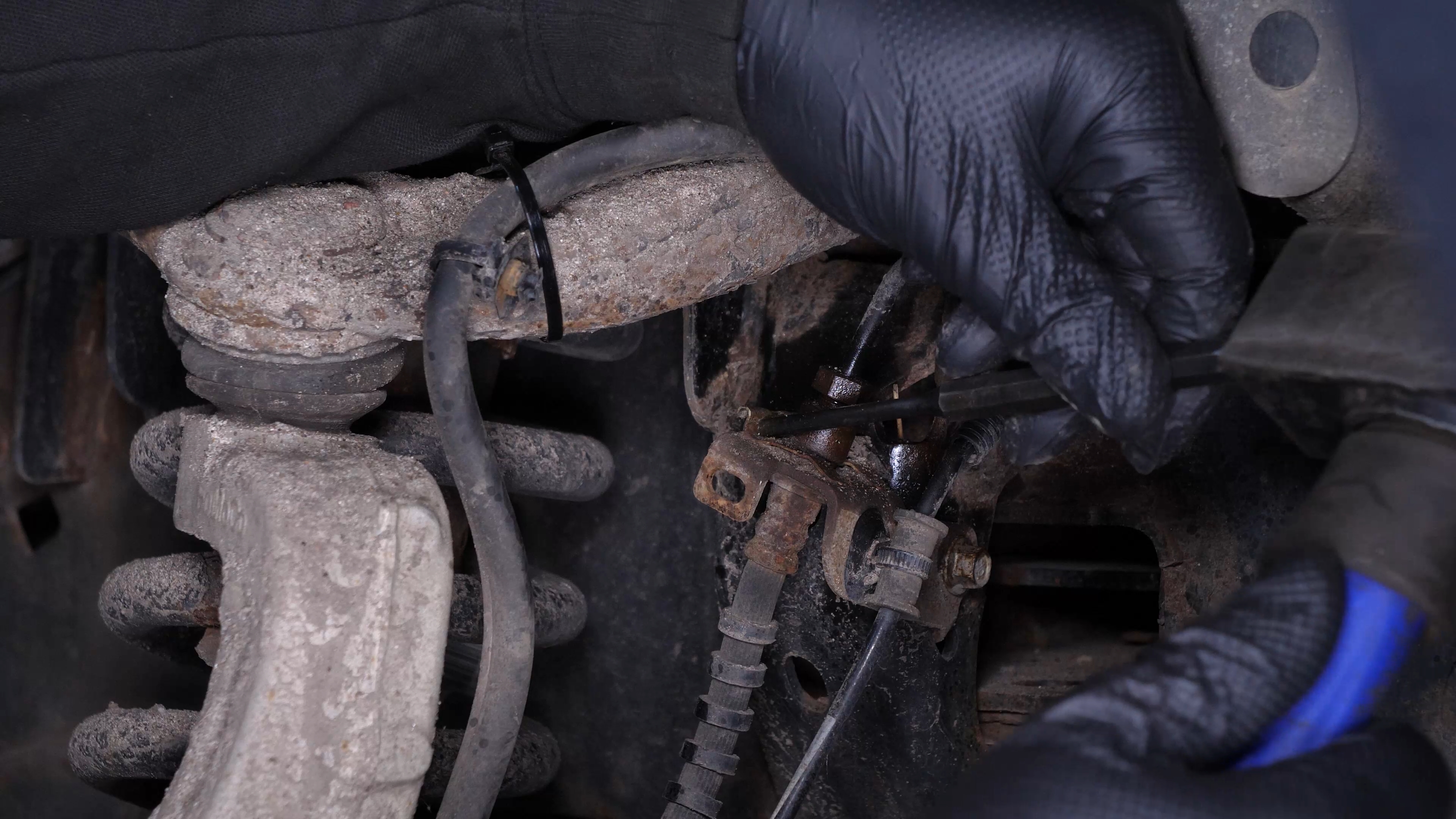
Chapter 5:
Step 4/7
Using a 13 mm open ring wrench, unscrew the metal hose connector from the brake hose.
Chapter 5:
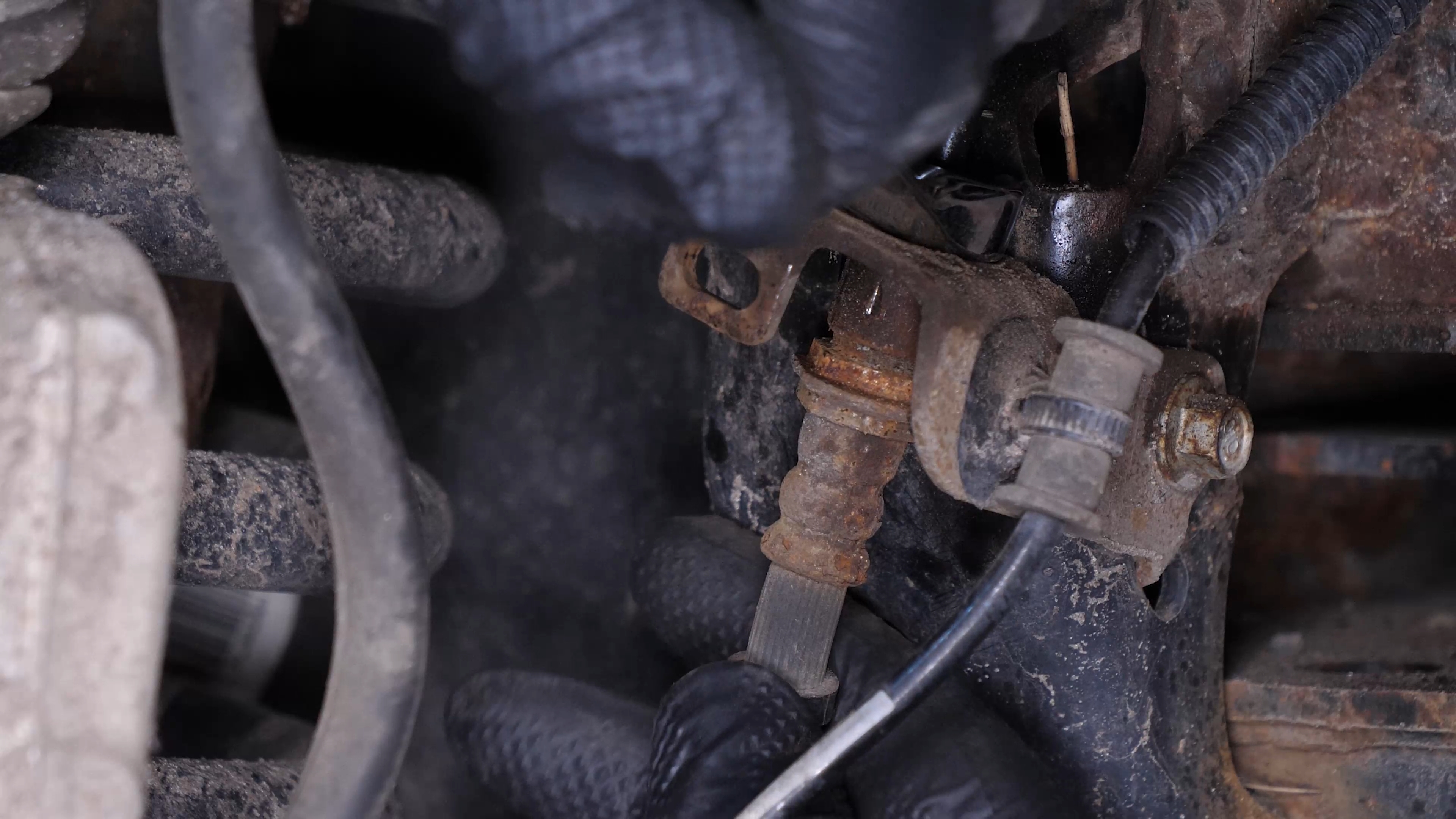
Step 5/7
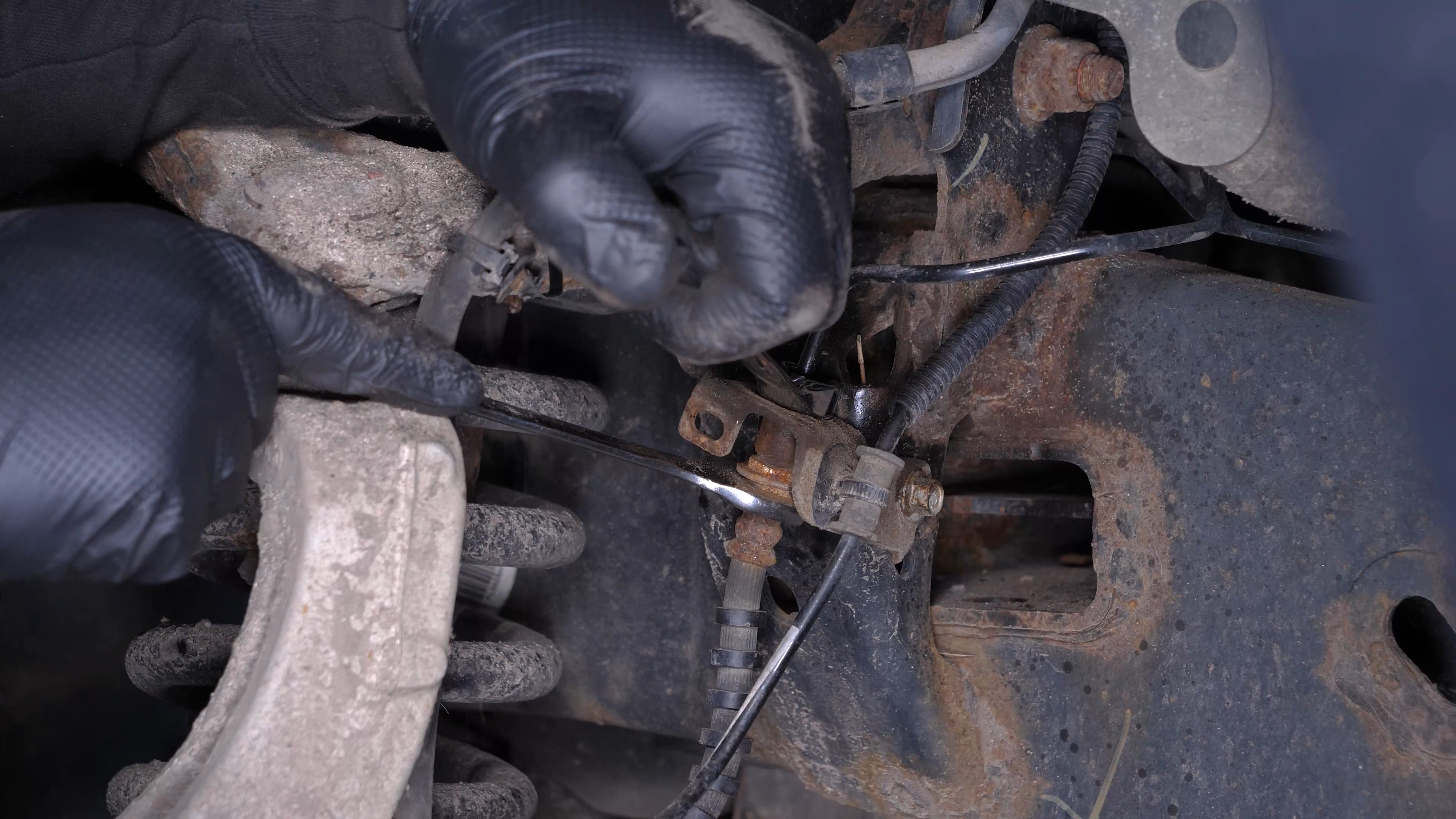
Use an 16 mm wrench to keep the brake hose from rotating. Finish unscrewing the hose.
Chapter 5:
Step 6/7
You can now remove the hose.
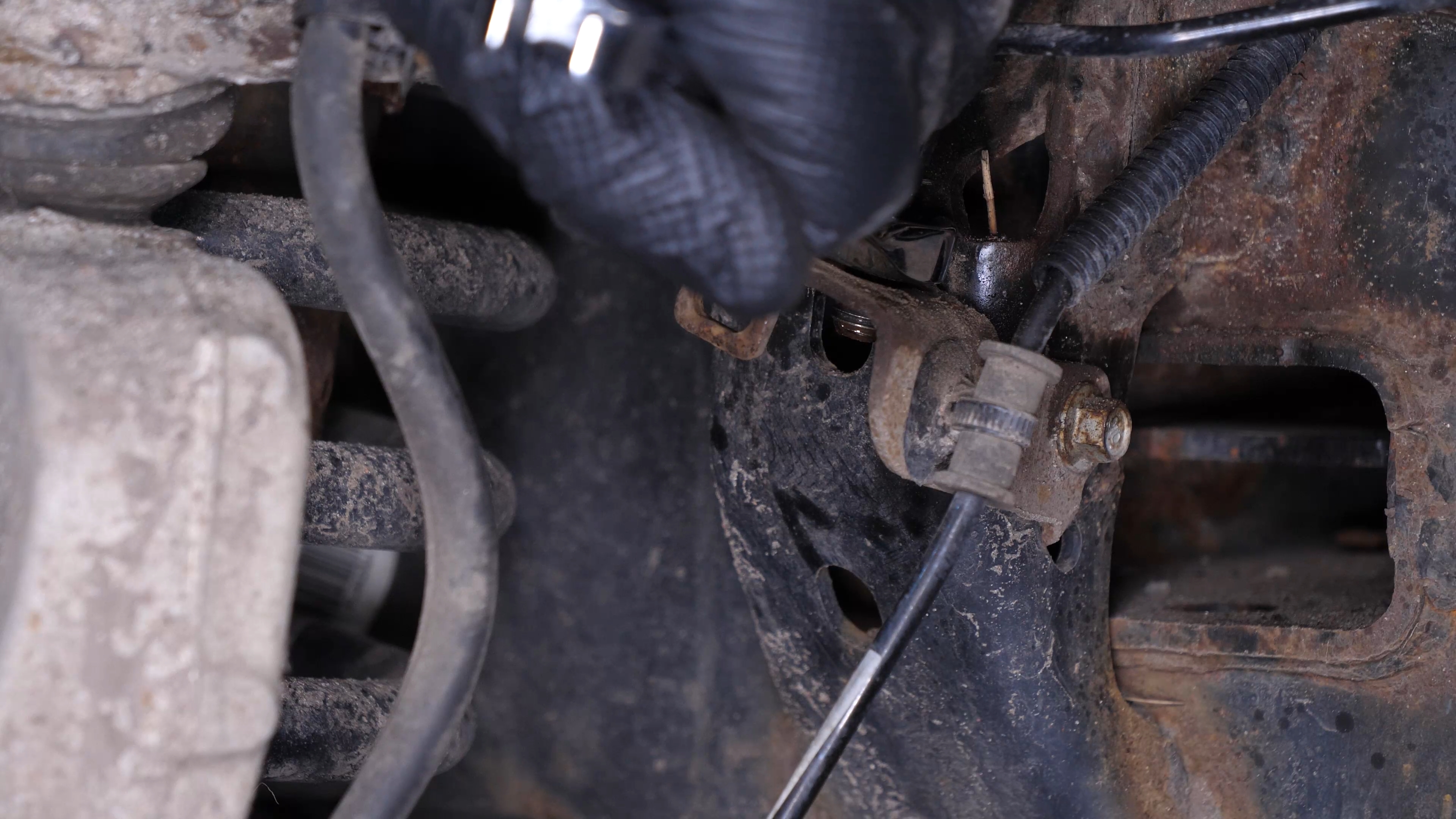
Chapter 5:
Step 7/7
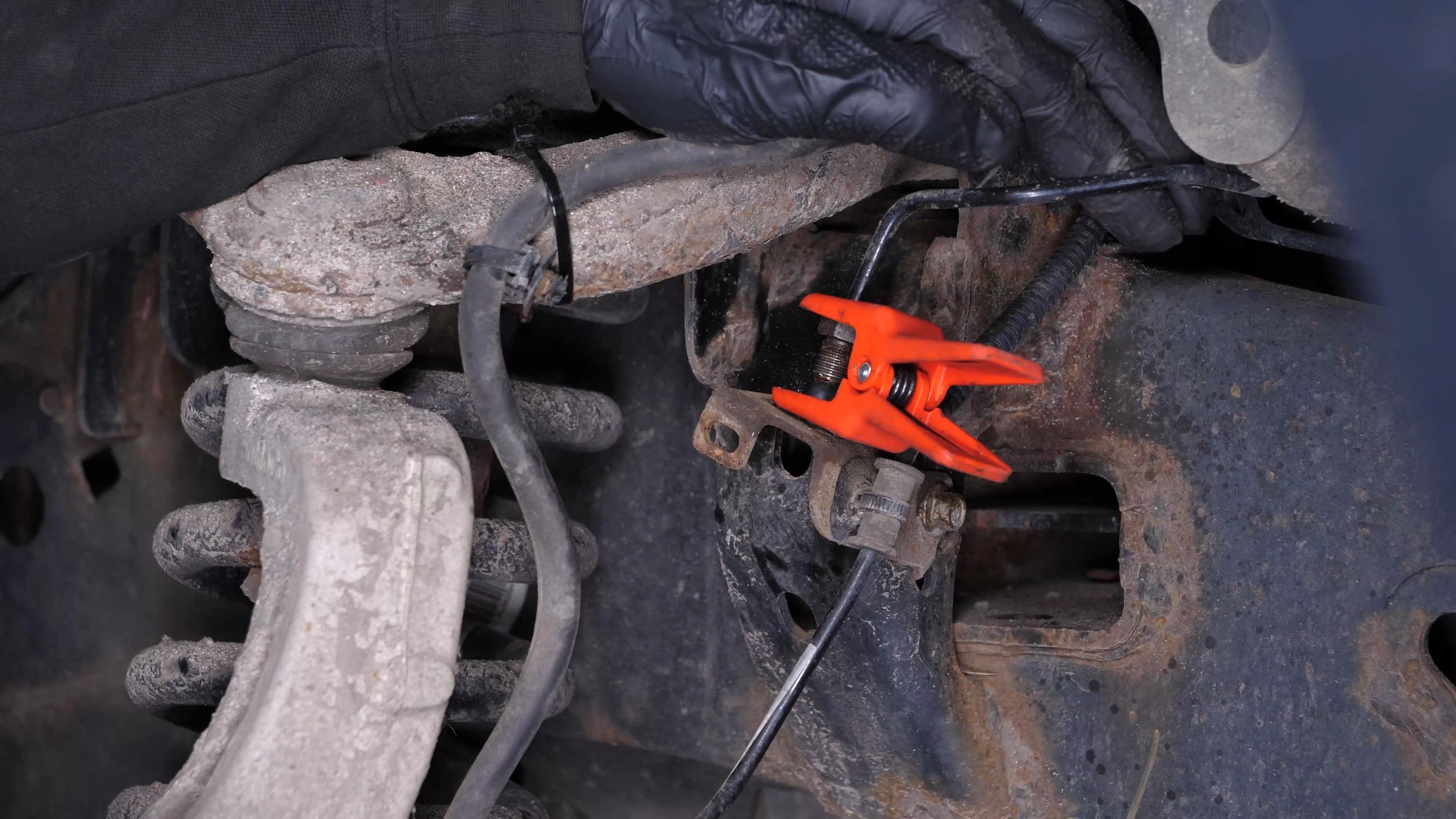
Here’s a tip! You can limit brake fluid leakage during this operation by plugging the metal hose connector with stopper pliers.
Chapter 6:
Install the new brake hose
Step 1/6
Take the new brake hose. Place a banjo shutter plier on the hose.


Chapter 6:
Step 2/6
Remove the shutter pliers from the metal connector.

Chapter 6:
Step 3/6
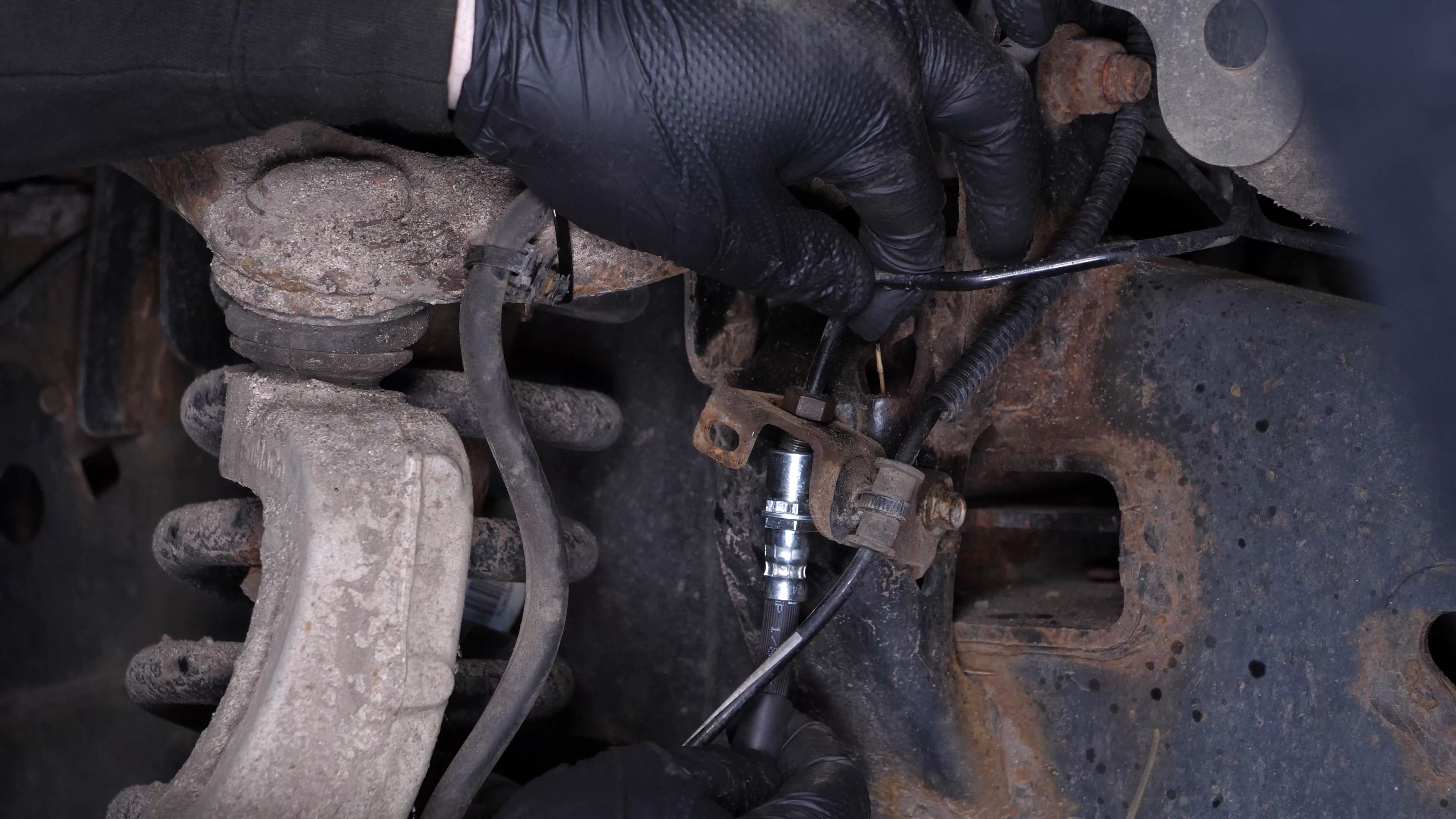
Screw the metal hose connector back on partway.
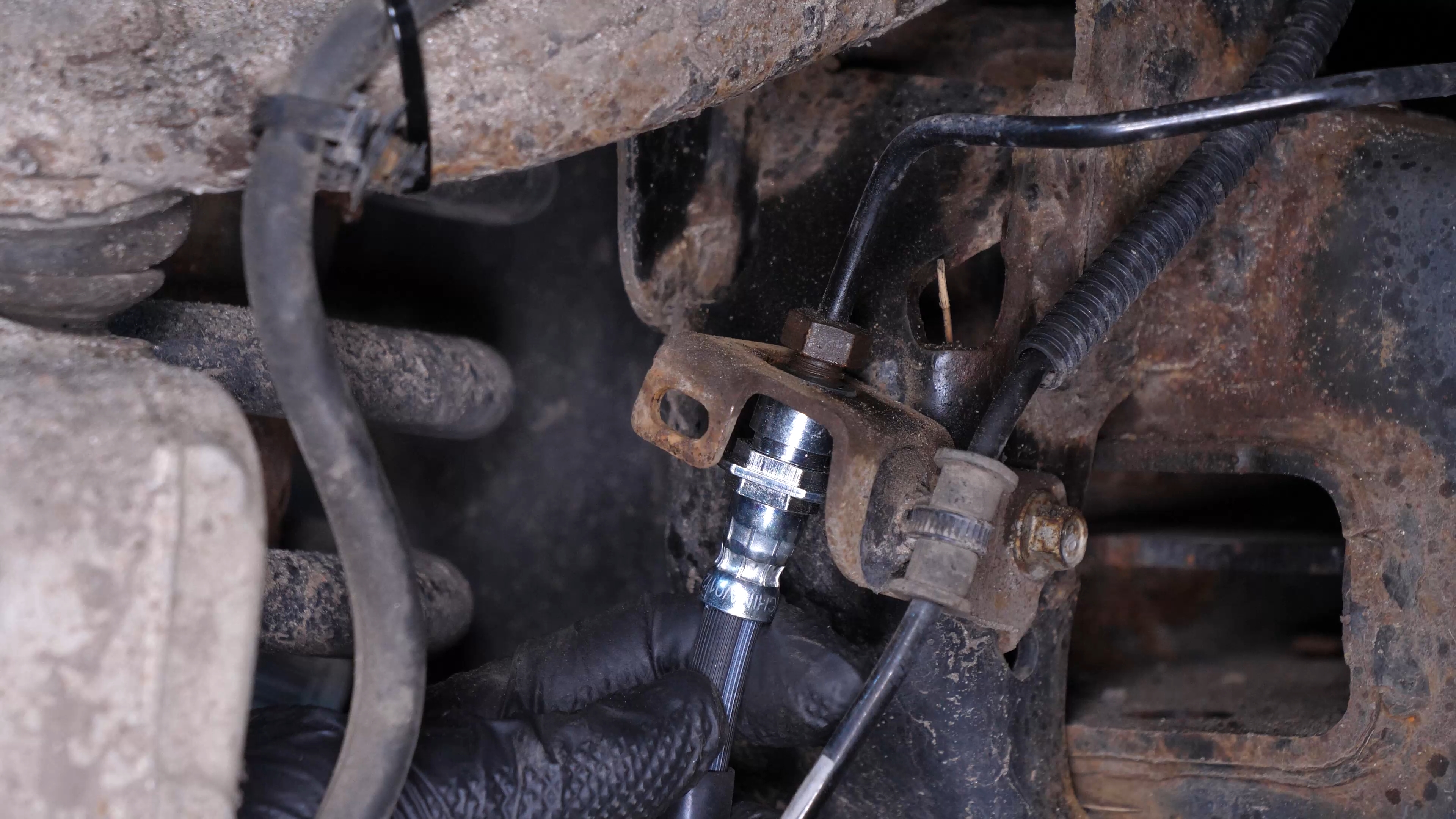
Chapter 6:
Step 4/6
Use an 16 mm wrench to keep the brake hose from rotating.
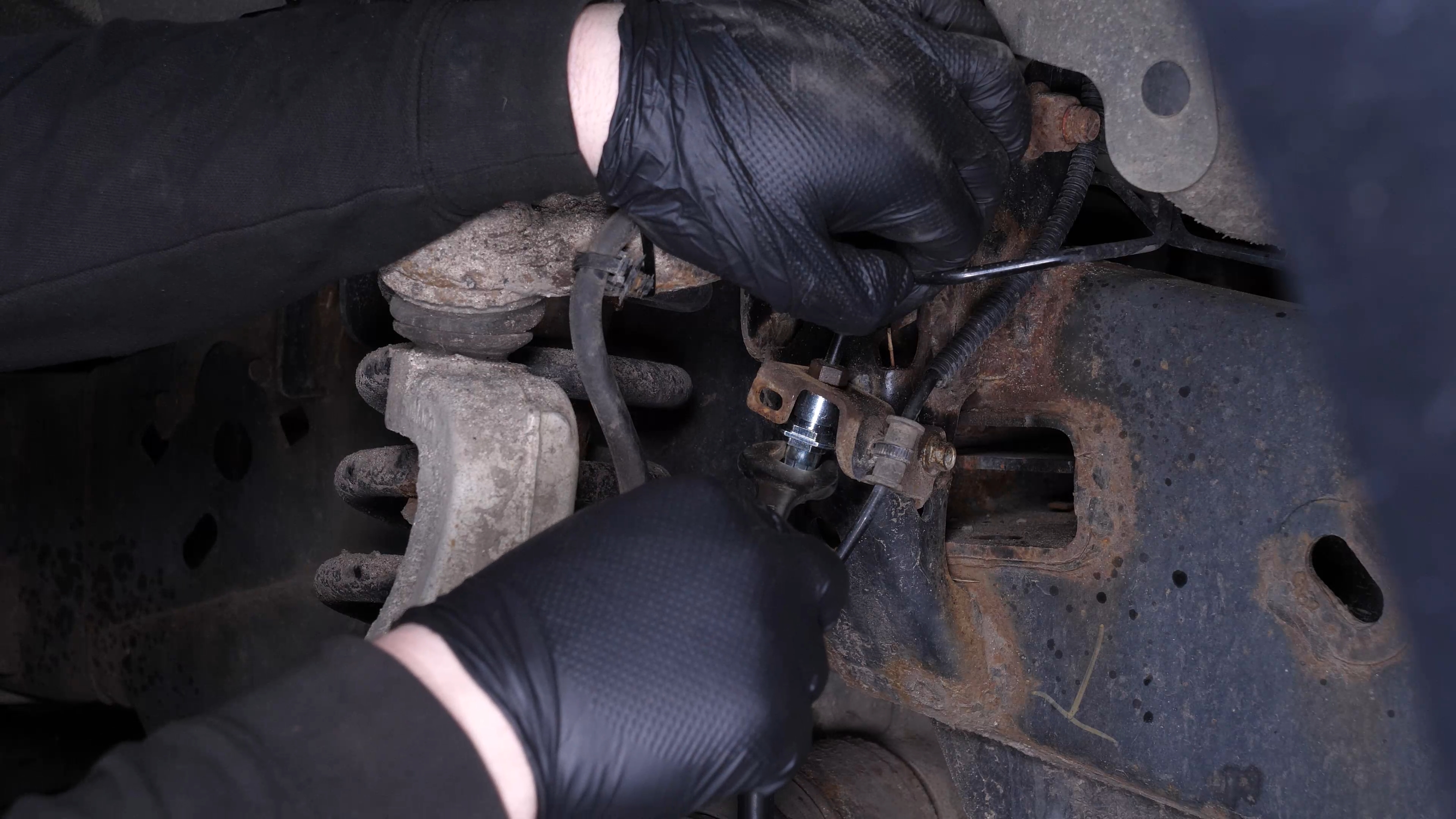
Chapter 6:
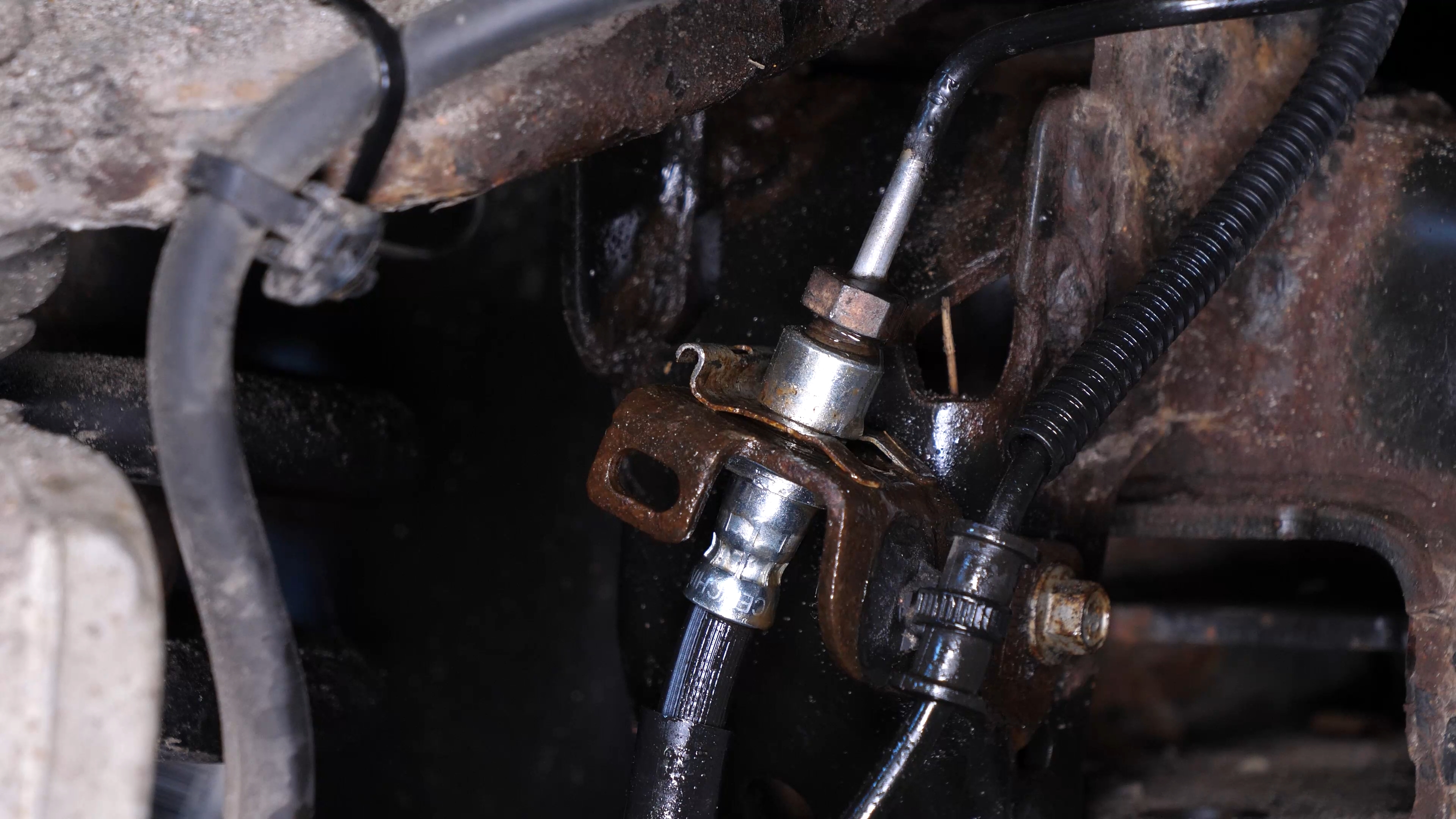
Step 5/6
You can now finish tightening the metal hose connector. Then put the retaining clip back in place. You can use a screwdriver to help you.
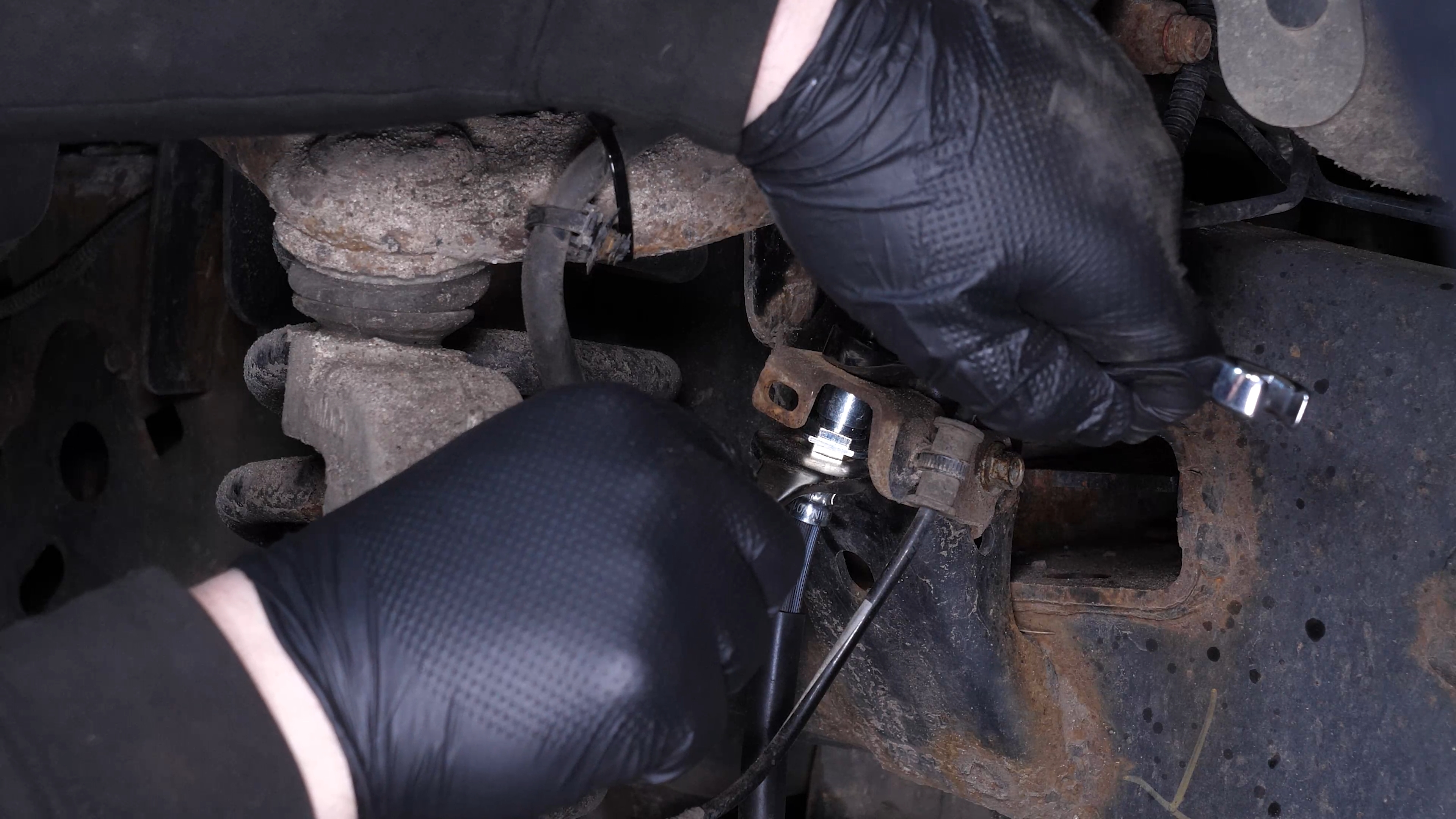
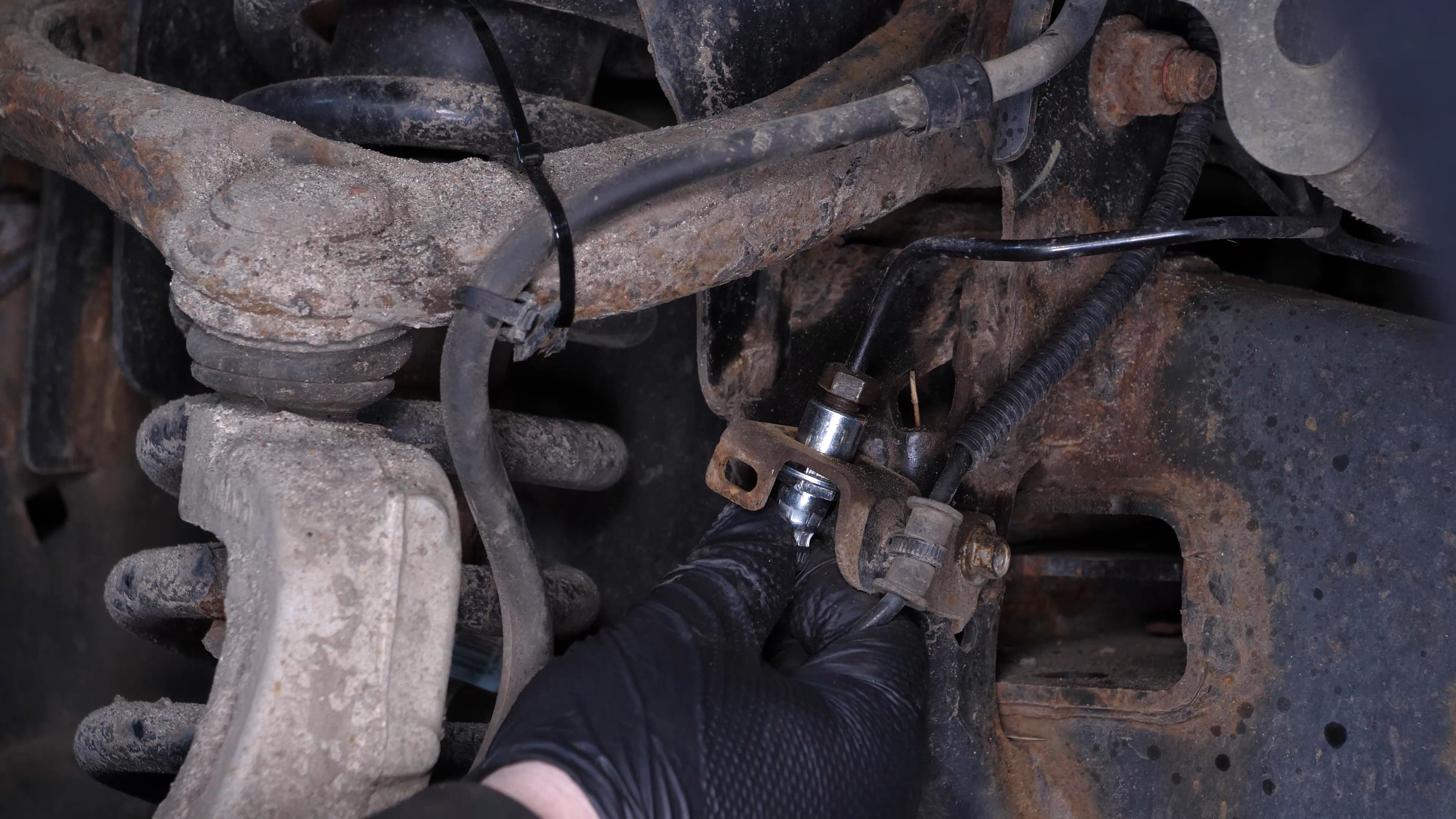
Chapter 6:
Step 6/6
You can now cut the zip tie with wire cutters.
Chapter 7:
Reinstall the metal bracket
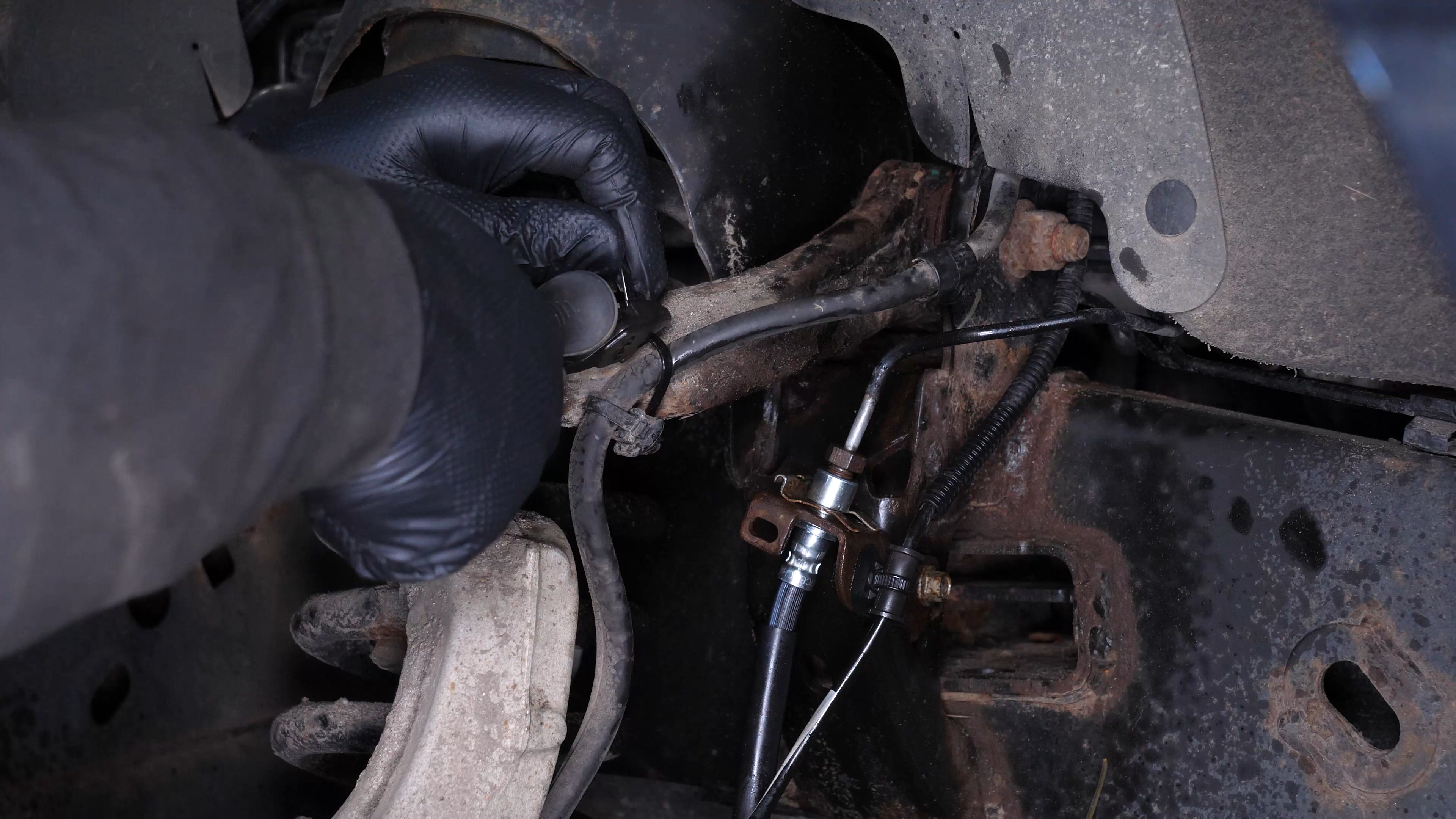
Step 1/5
Reconnect the vacuum lines.
Chapter 7:
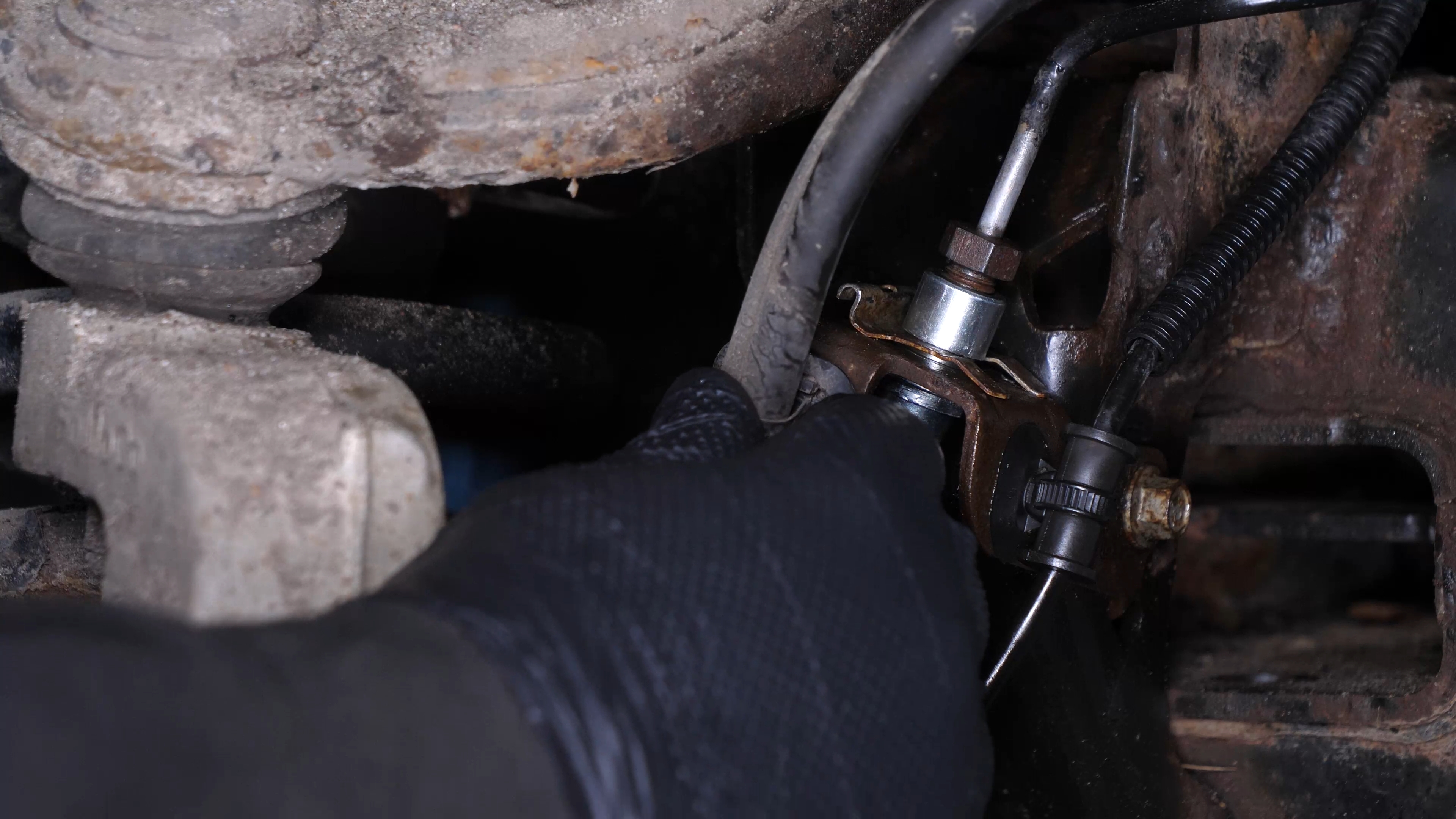
Step 2/5
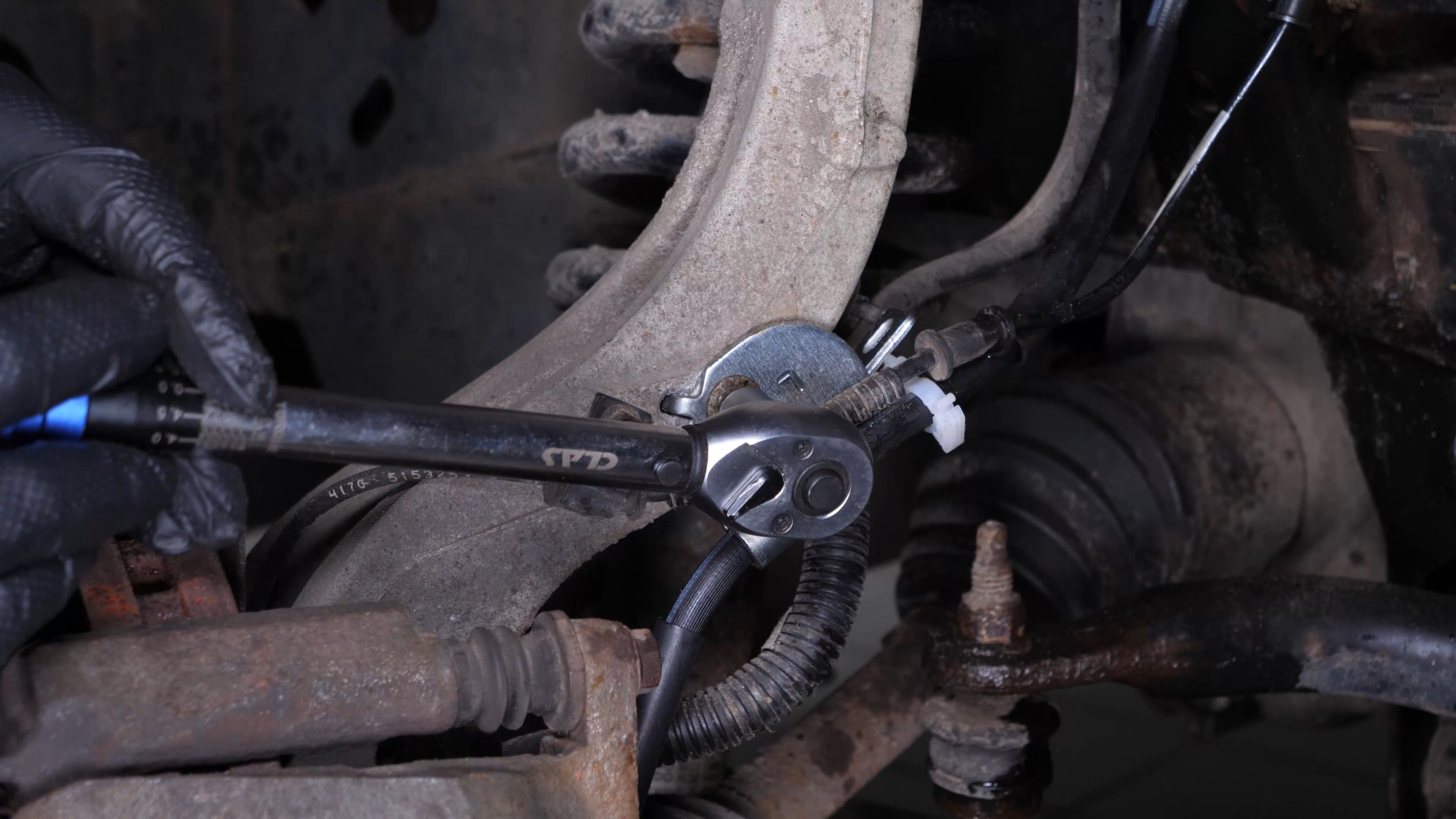
Screw the brake hose mounting bracket back on.

Chapter 7:
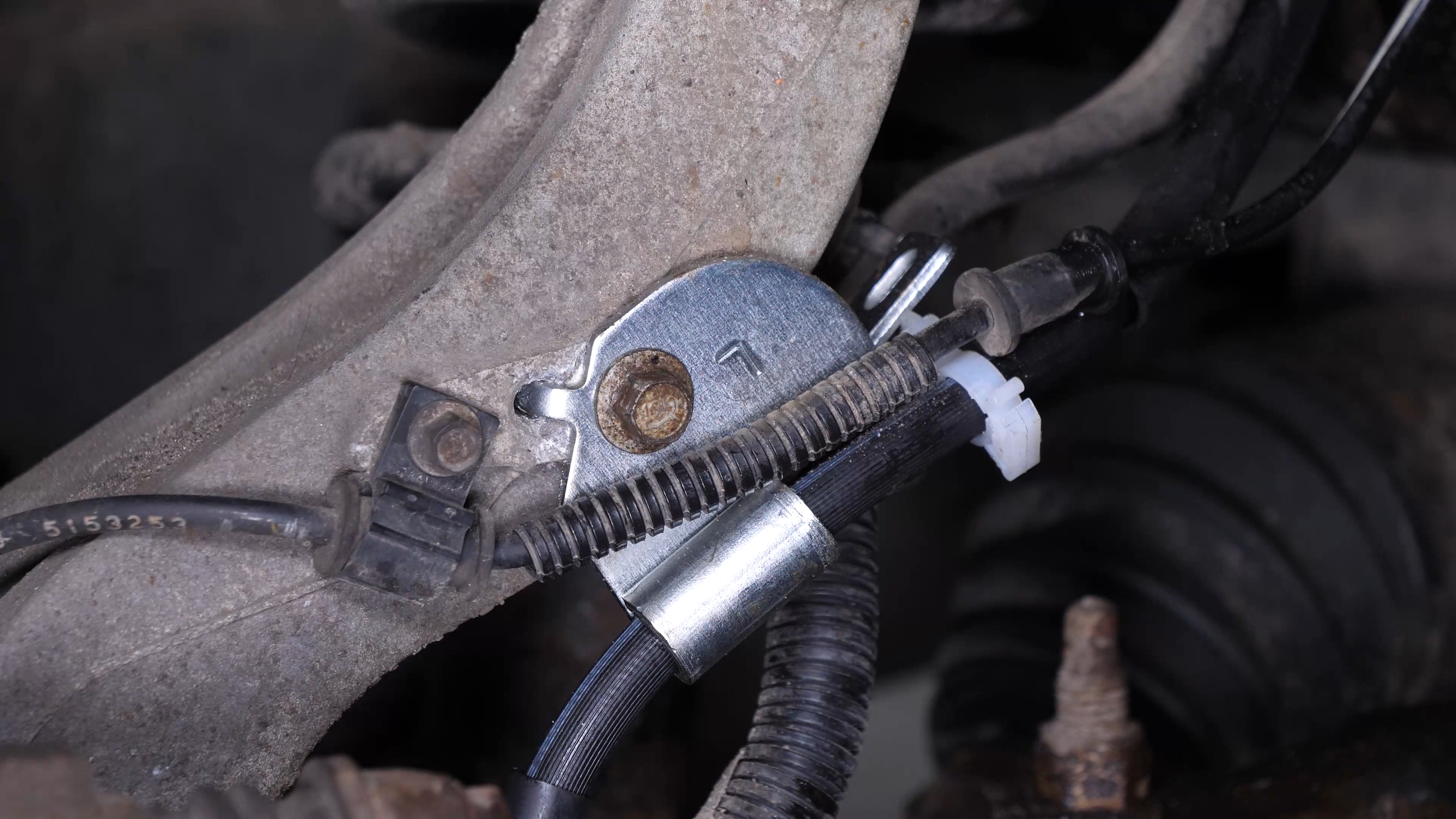
Step 3/5
Finish tightening using a torque wrench.
Chapter 7:
Step 4/5
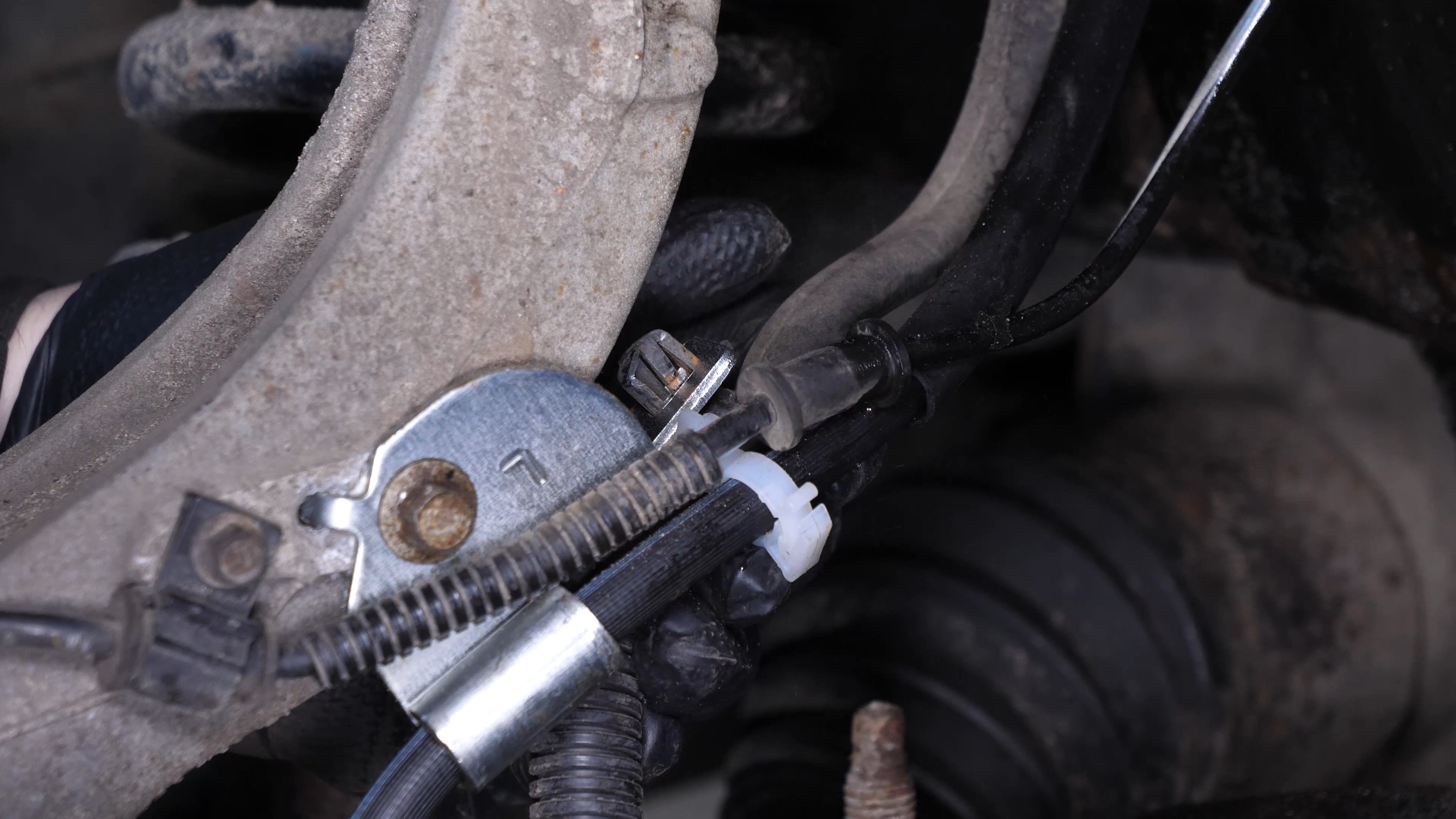
Reclip the vacuum lines to the brake hose bracket.
Chapter 7:
Step 5/5
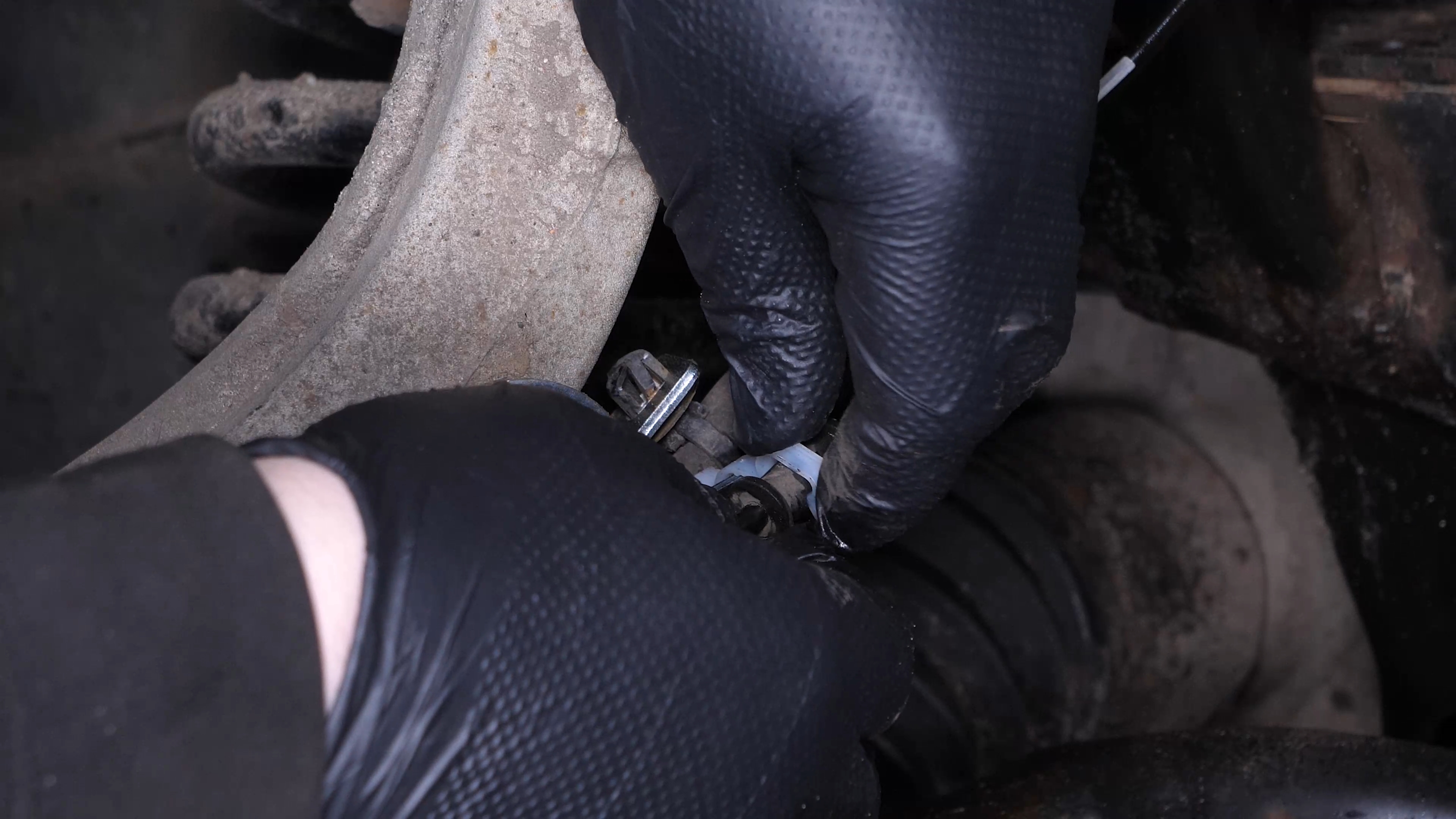
Replace the ABS sensor cable in its slot.
Chapter 8:
Screw the brake hose back on the caliper
Step 1/4
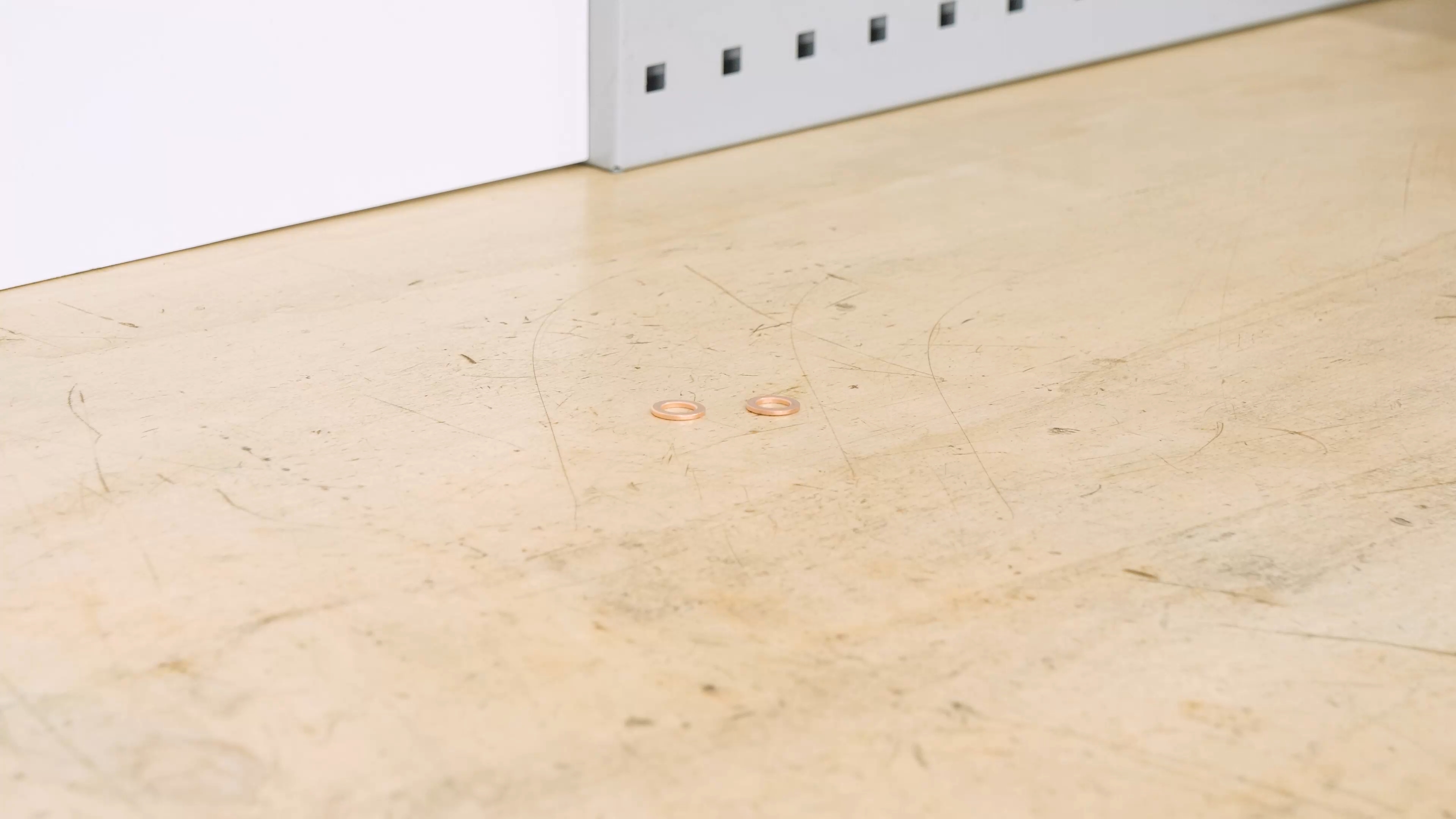
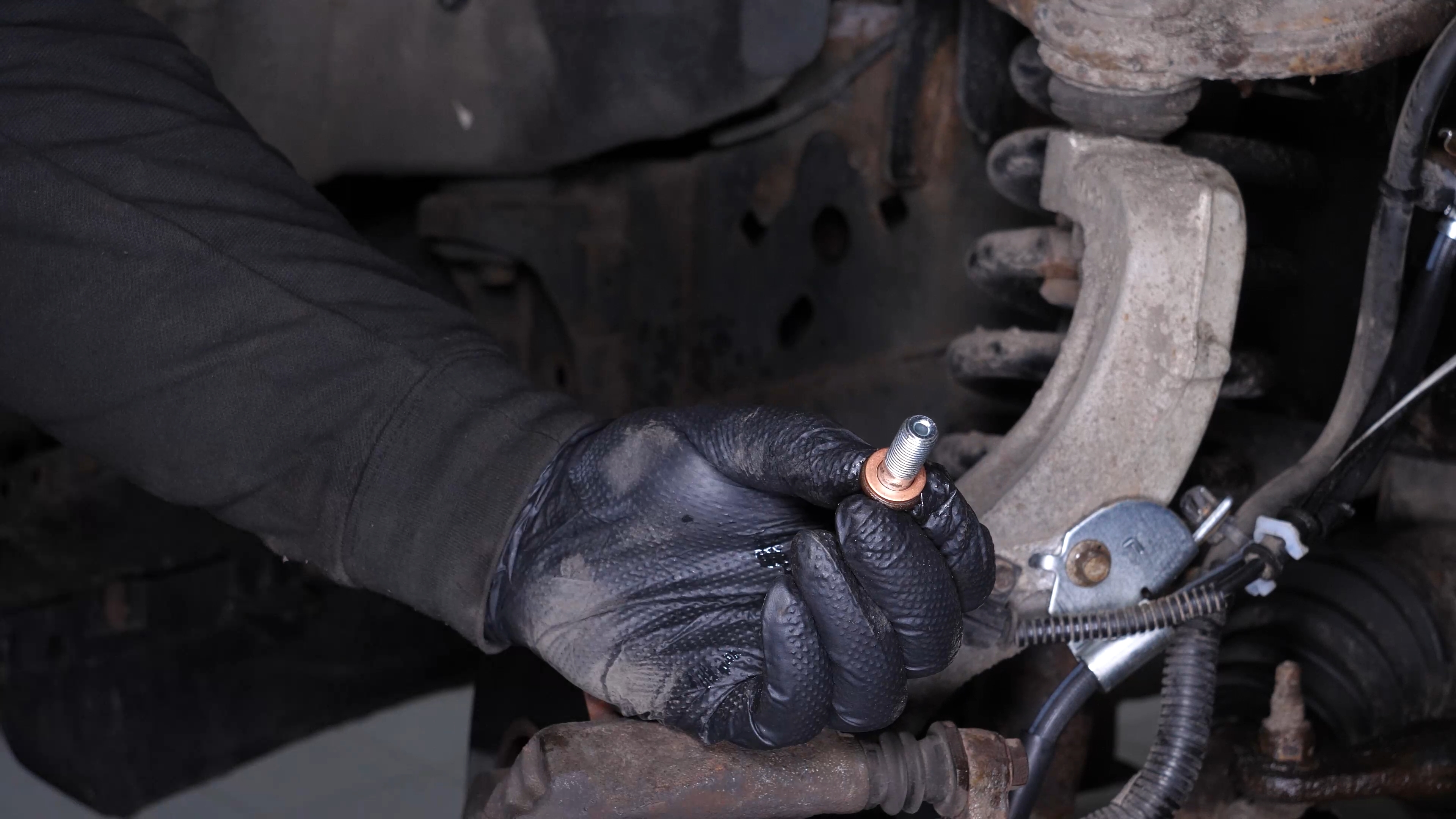
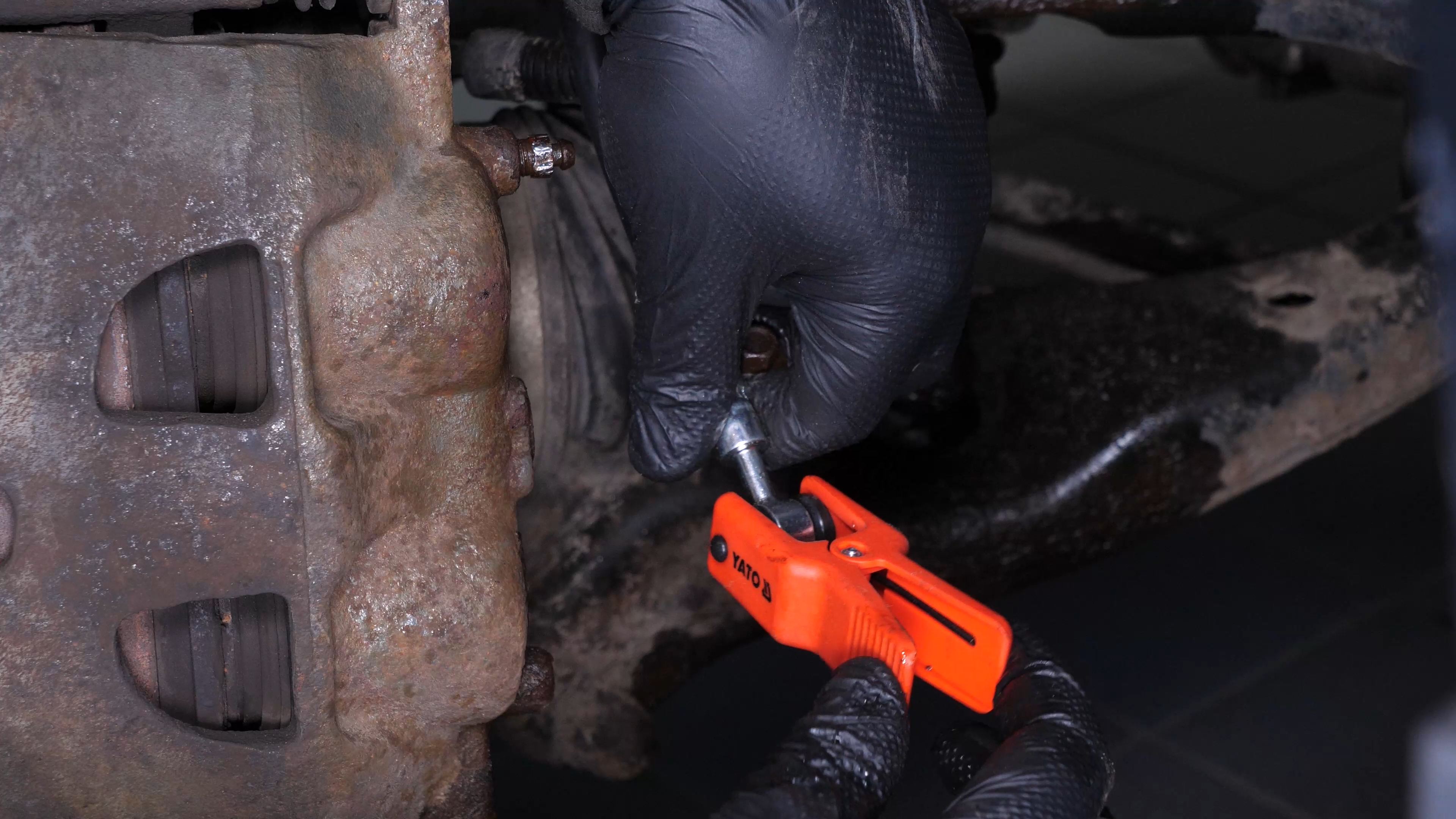
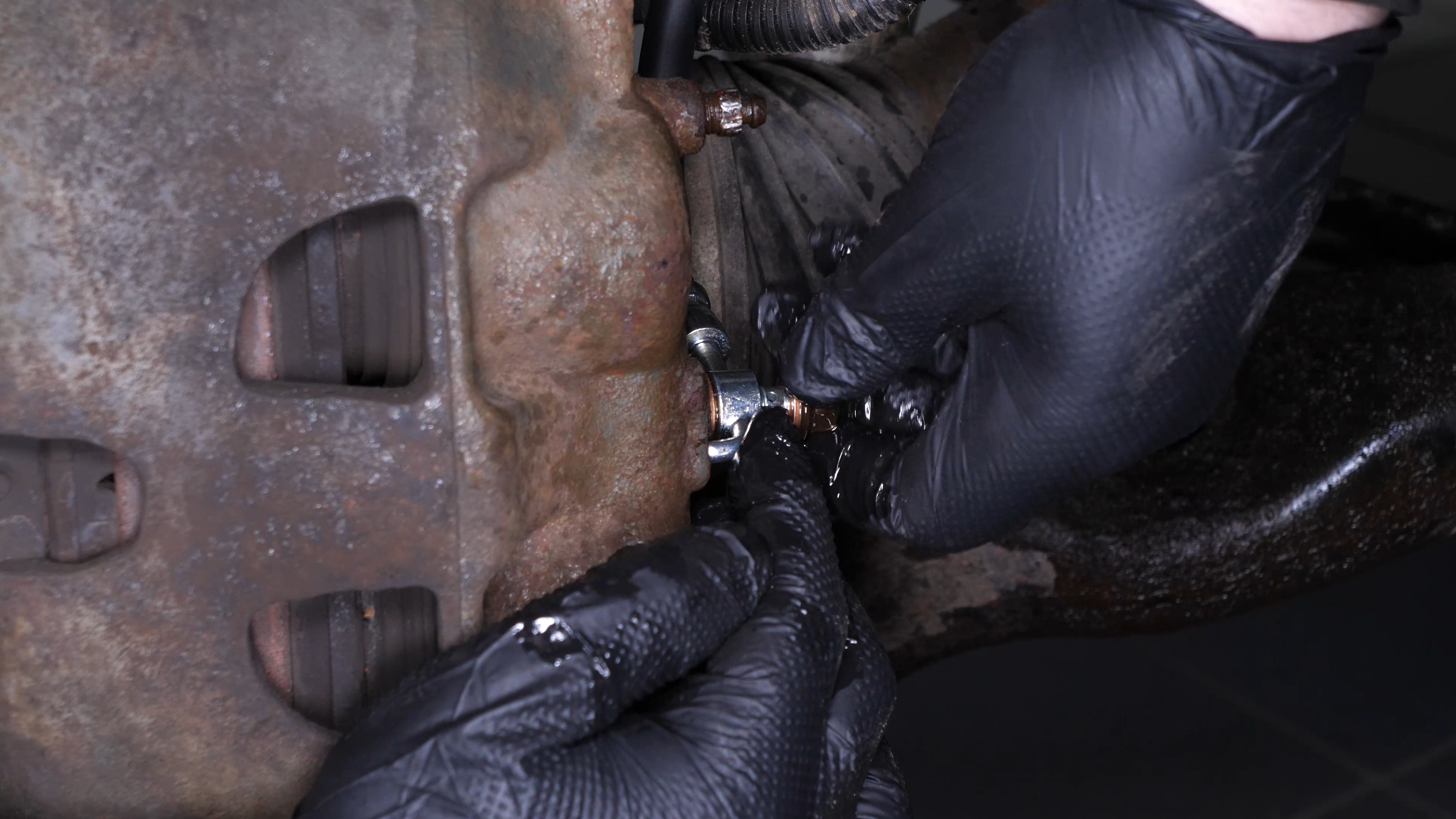
Get the new copper gaskets and the banjo bolt. Put a gasket on the banjo bolt. Remove the shutter pliers from the hose.
Chapter 8:
Step 2/4
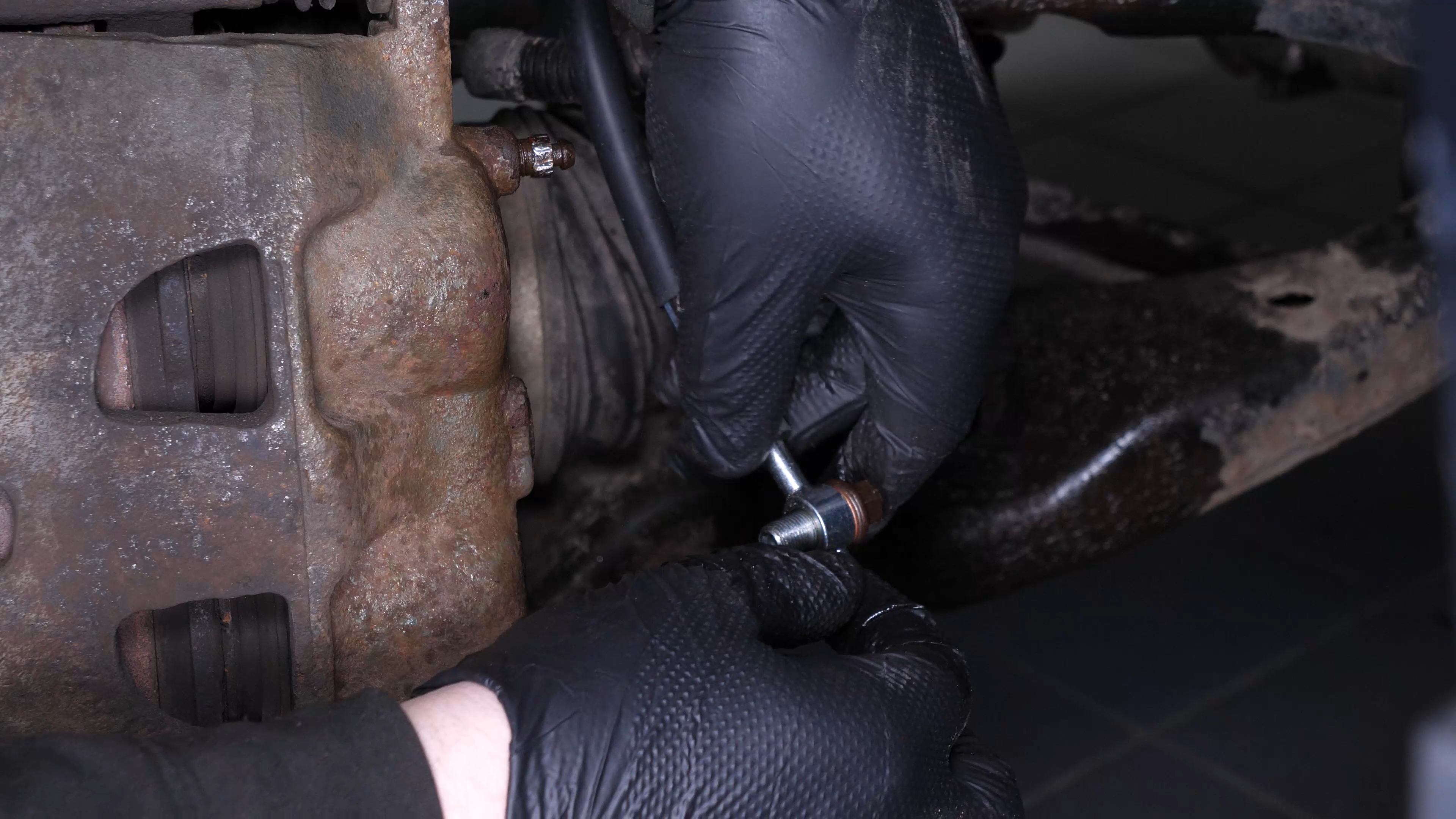
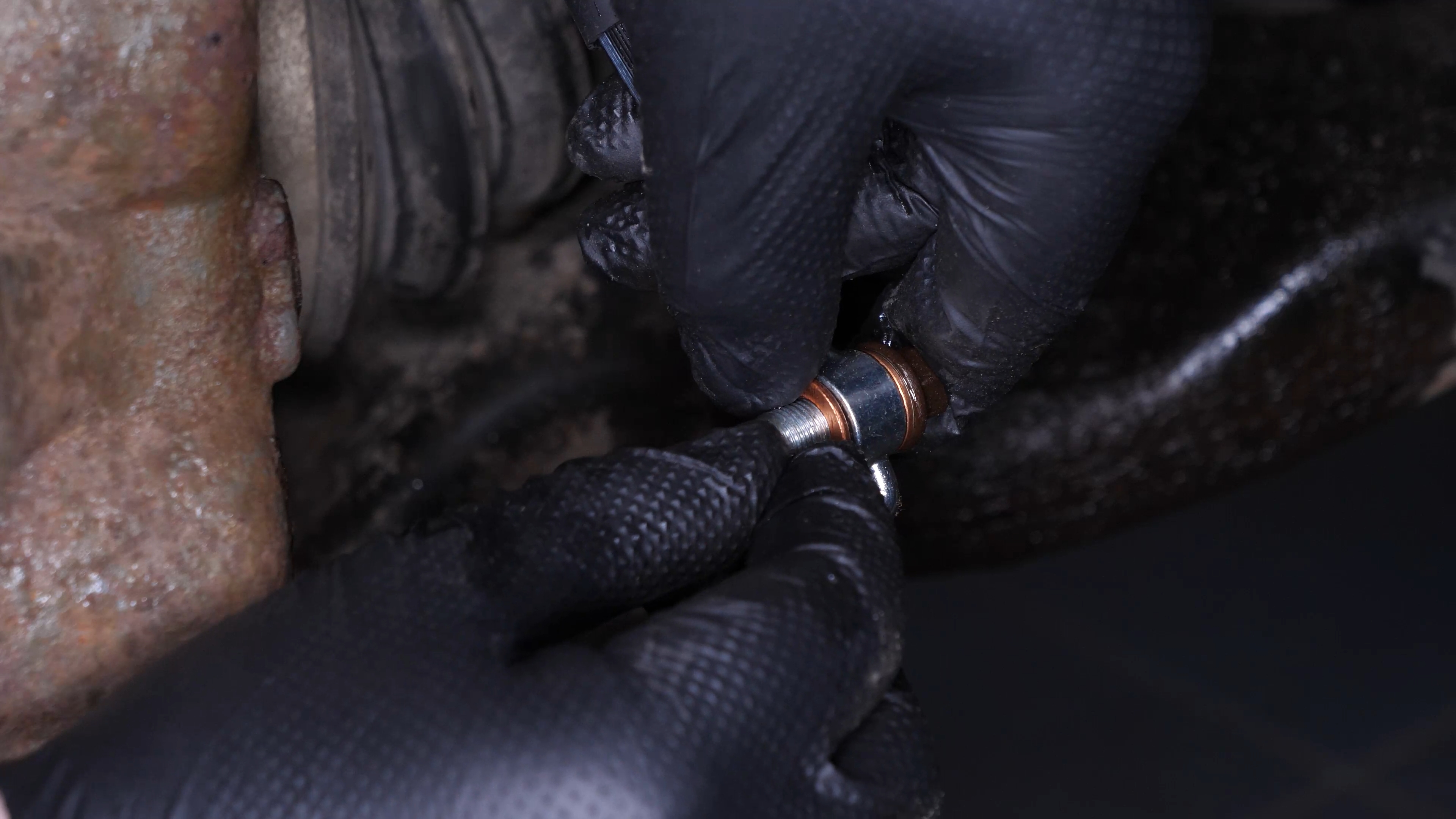
Install the assembly on the hose. Then put the second gasket on the banjo bolt.
Chapter 8:
Step 3/4
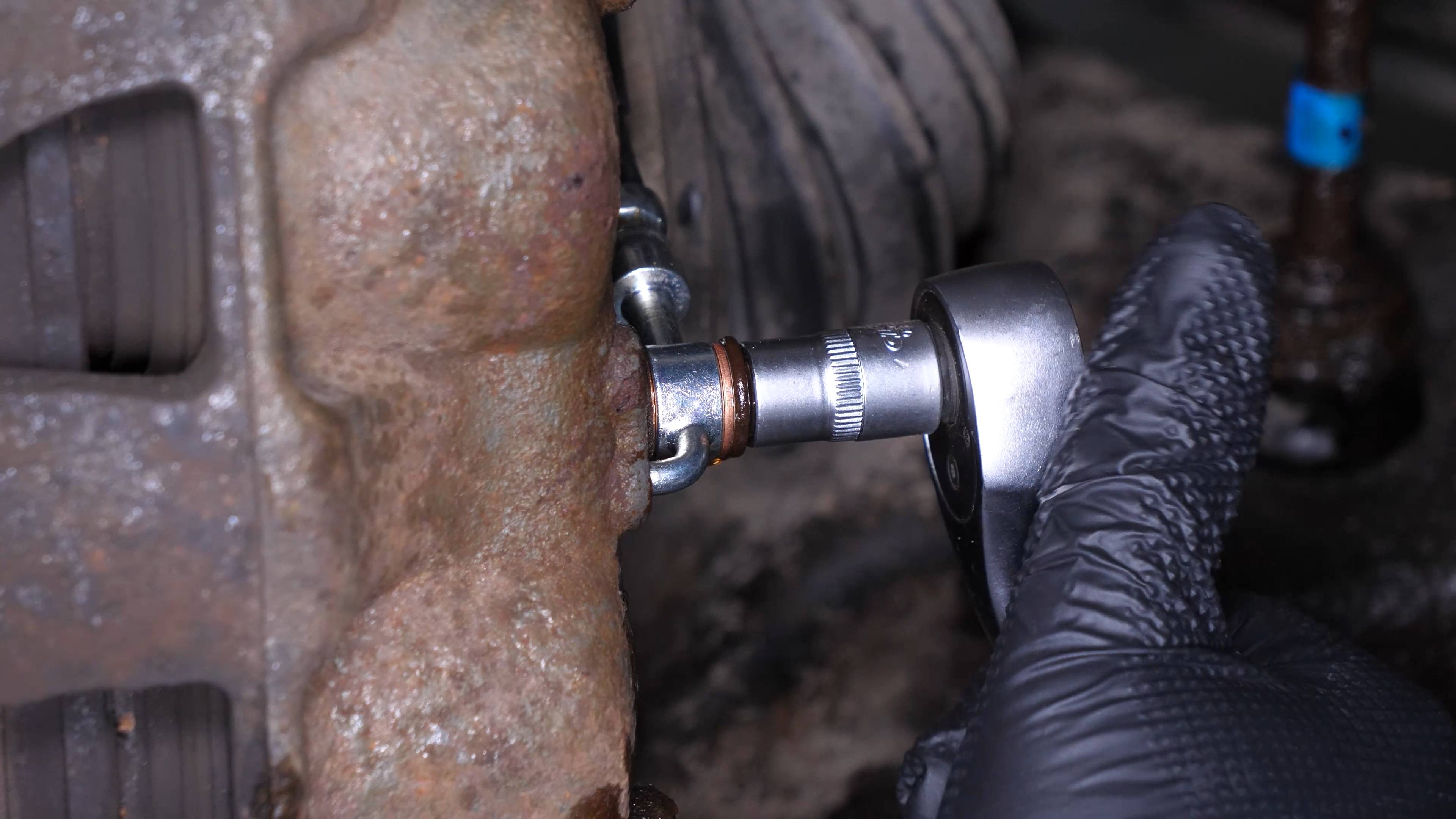
Screw the banjo bolt, that connects the brake hose to the caliper, back in until it makes contact.
Chapter 8:
Step 4/4
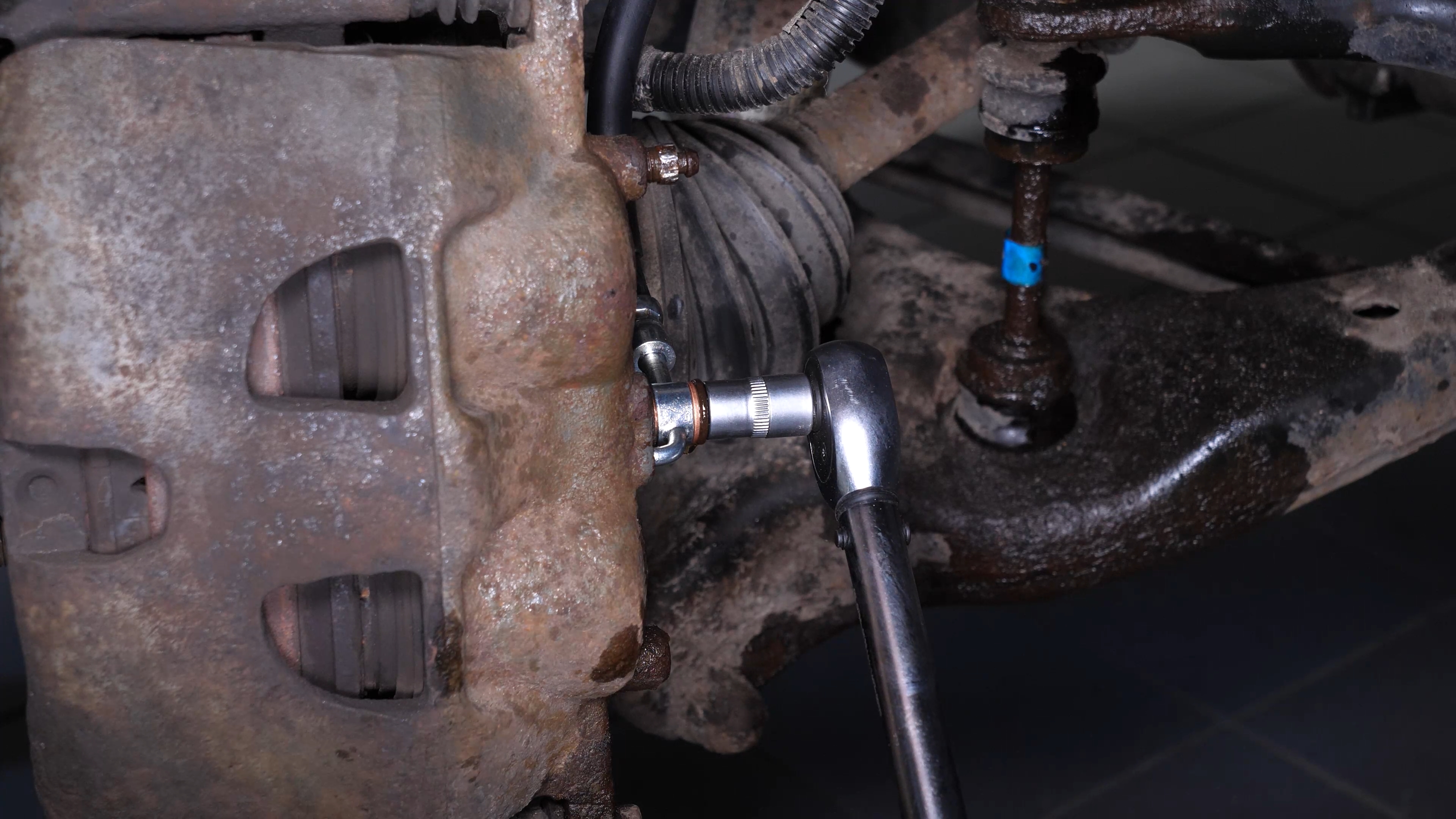
Finish tightening using a torque wrench.
Chapter 9:
Clean
Step 1/1
You can now clean the junction between the metal connector and the brake hose with brake cleaner to remove the brake fluid, which can be corrosive.


Chapter 10:
Bleed the brake fluid
Step 1/2
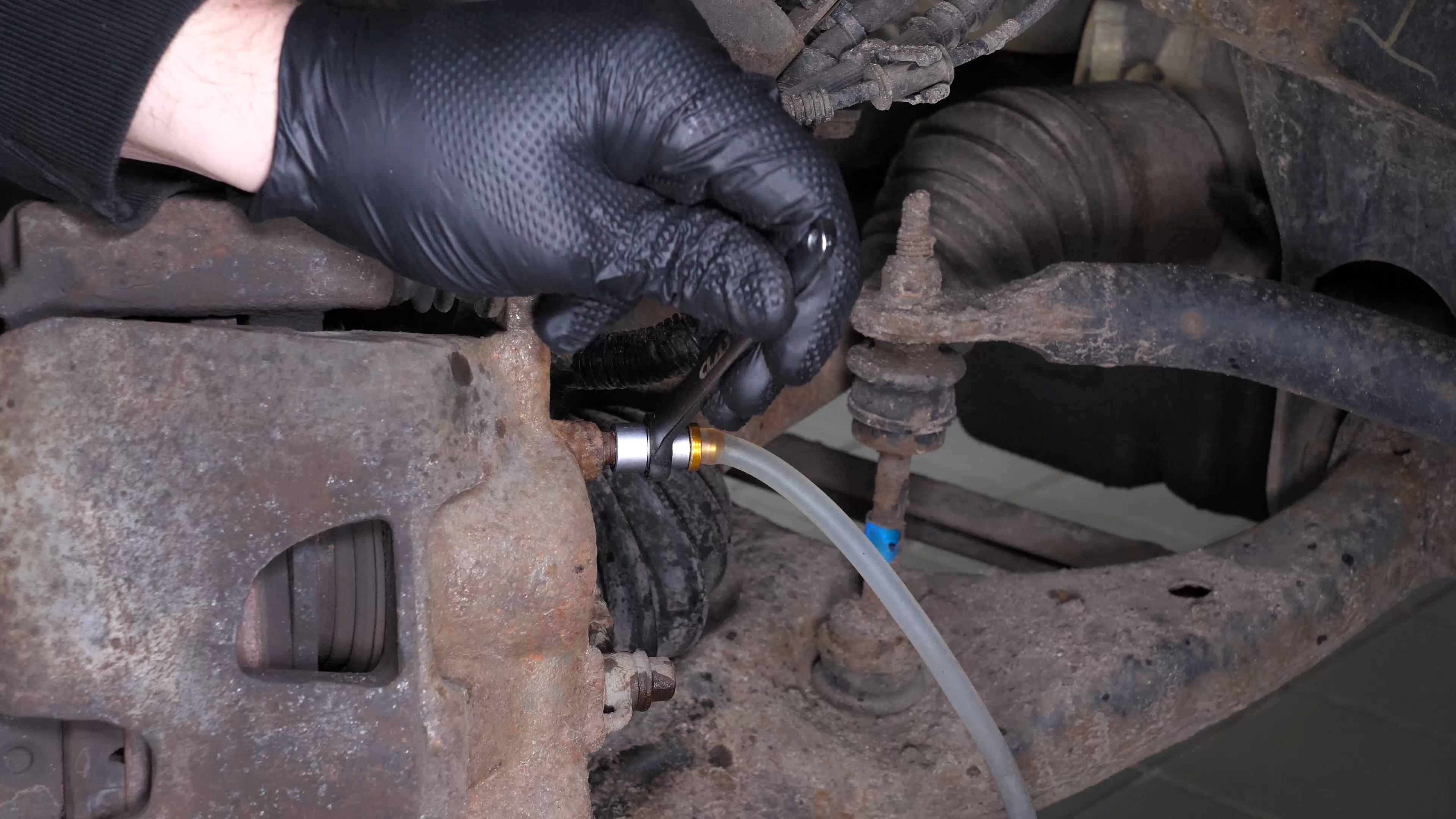
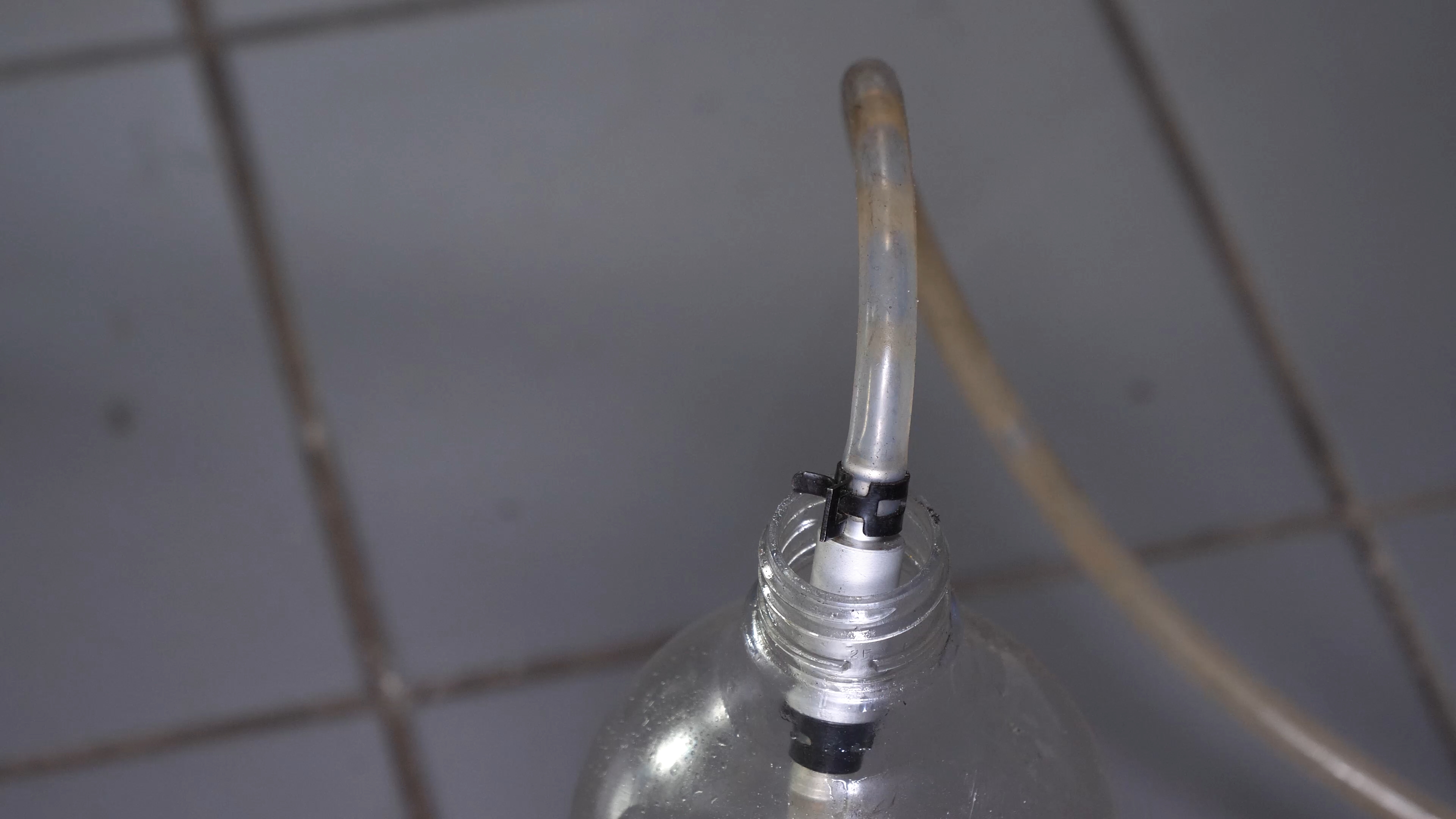
When replacing a brake hose, you need to bleed the brake fluid system to remove air from the system.
Chapter 10:
Step 2/2
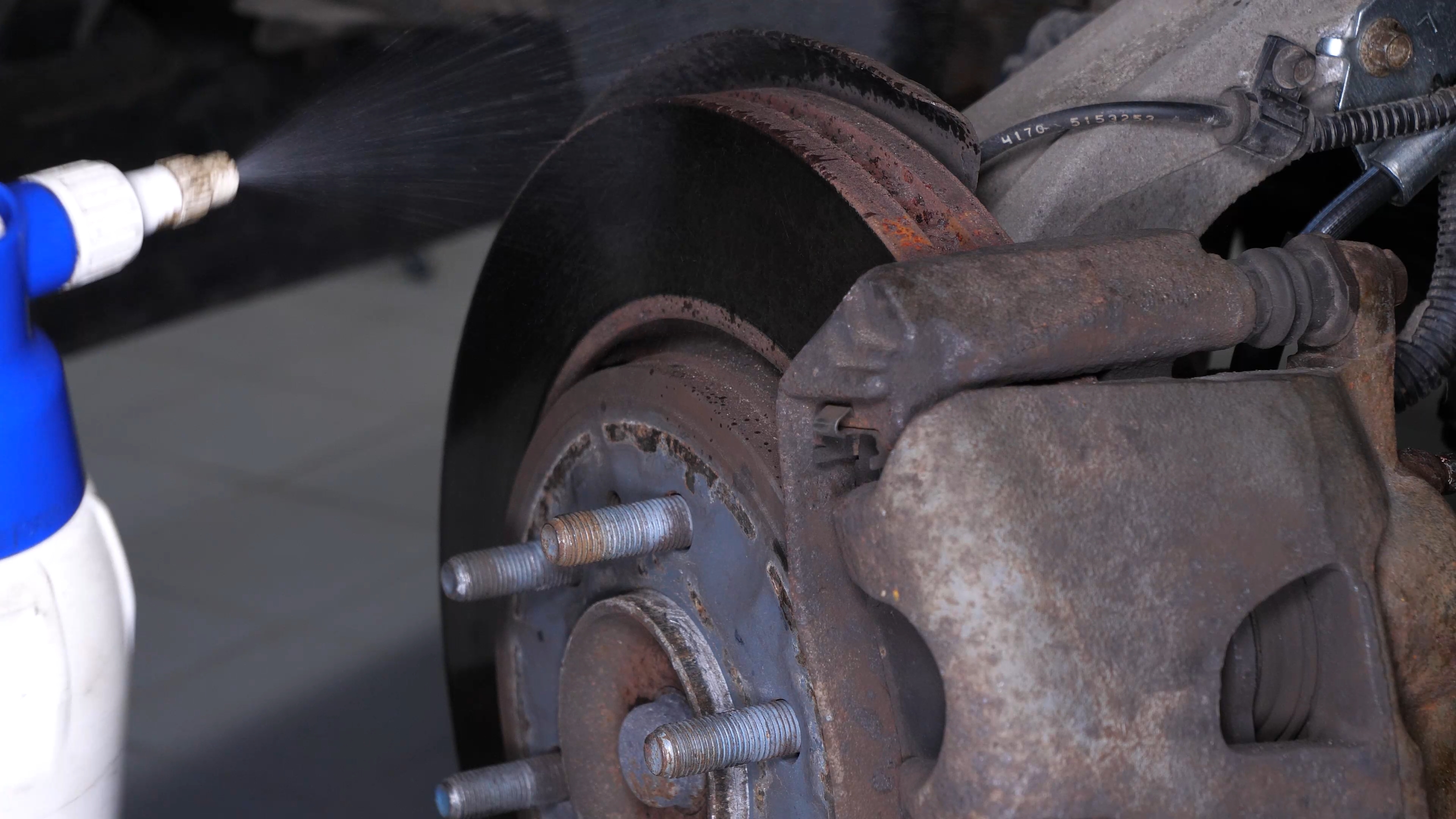
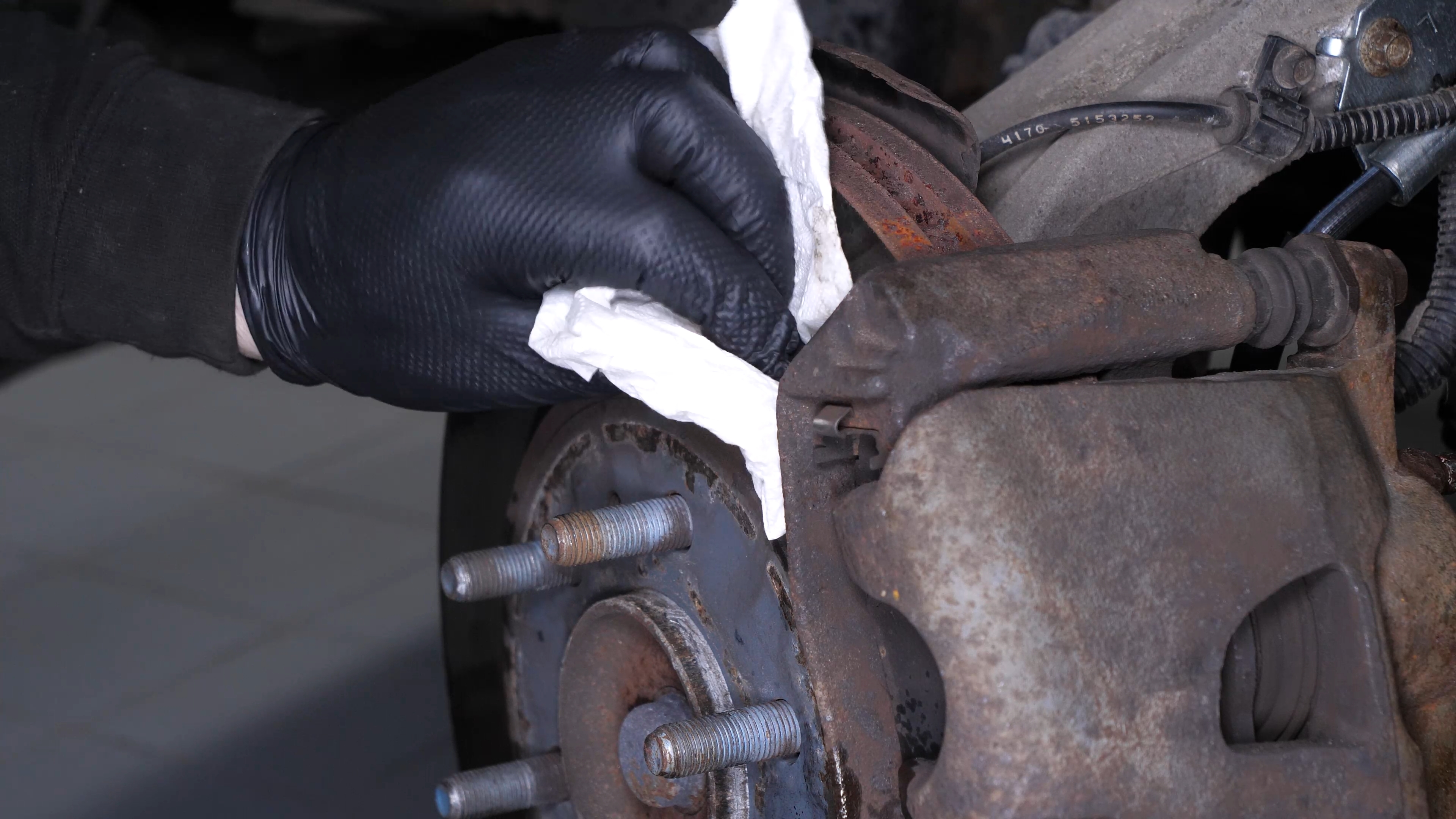
After bleeding, remember to clean the caliper-disc assembly with brake cleaner.
Chapter 11:
Put the vehicle back on the ground
Step 1/4
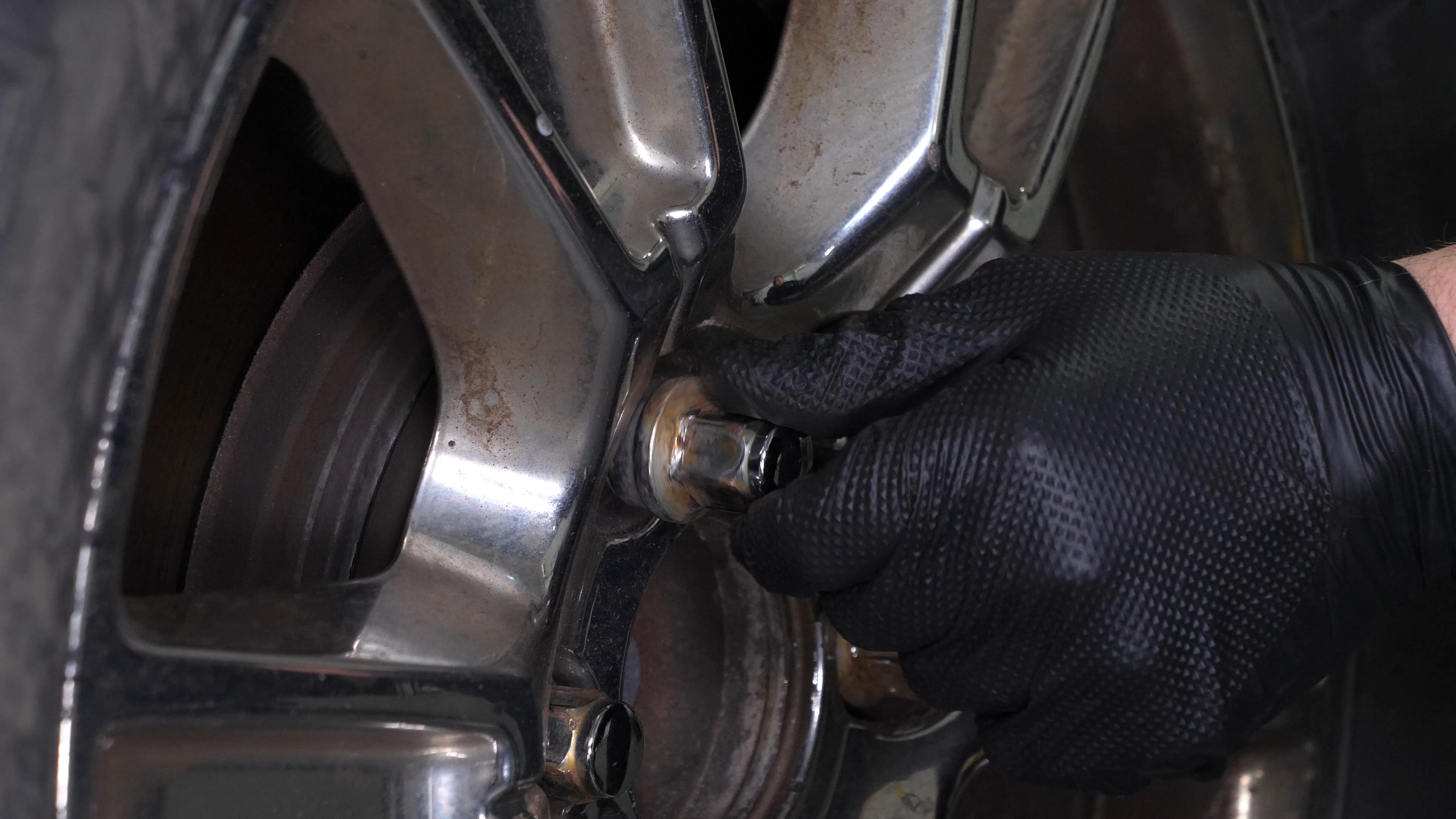
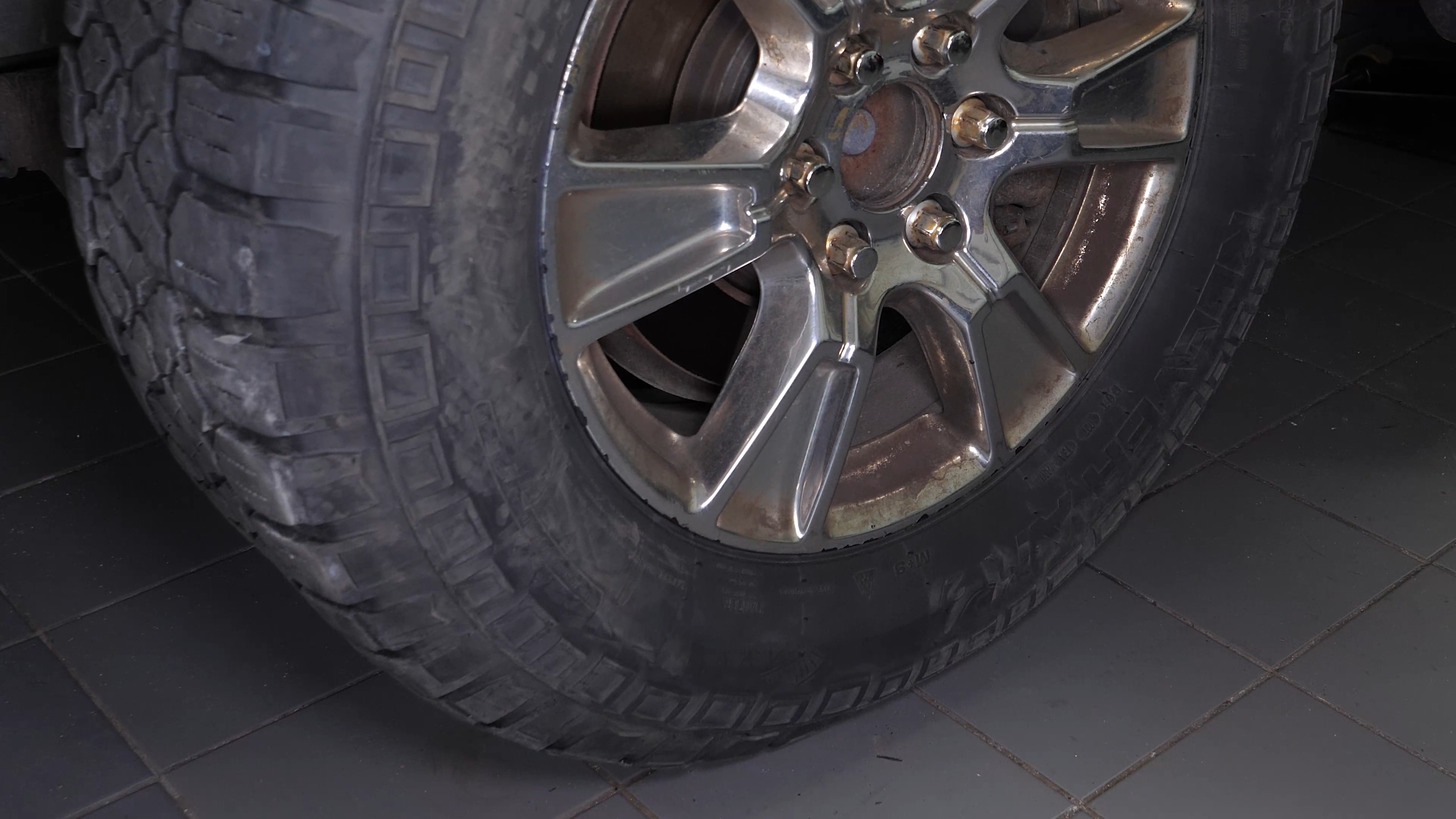
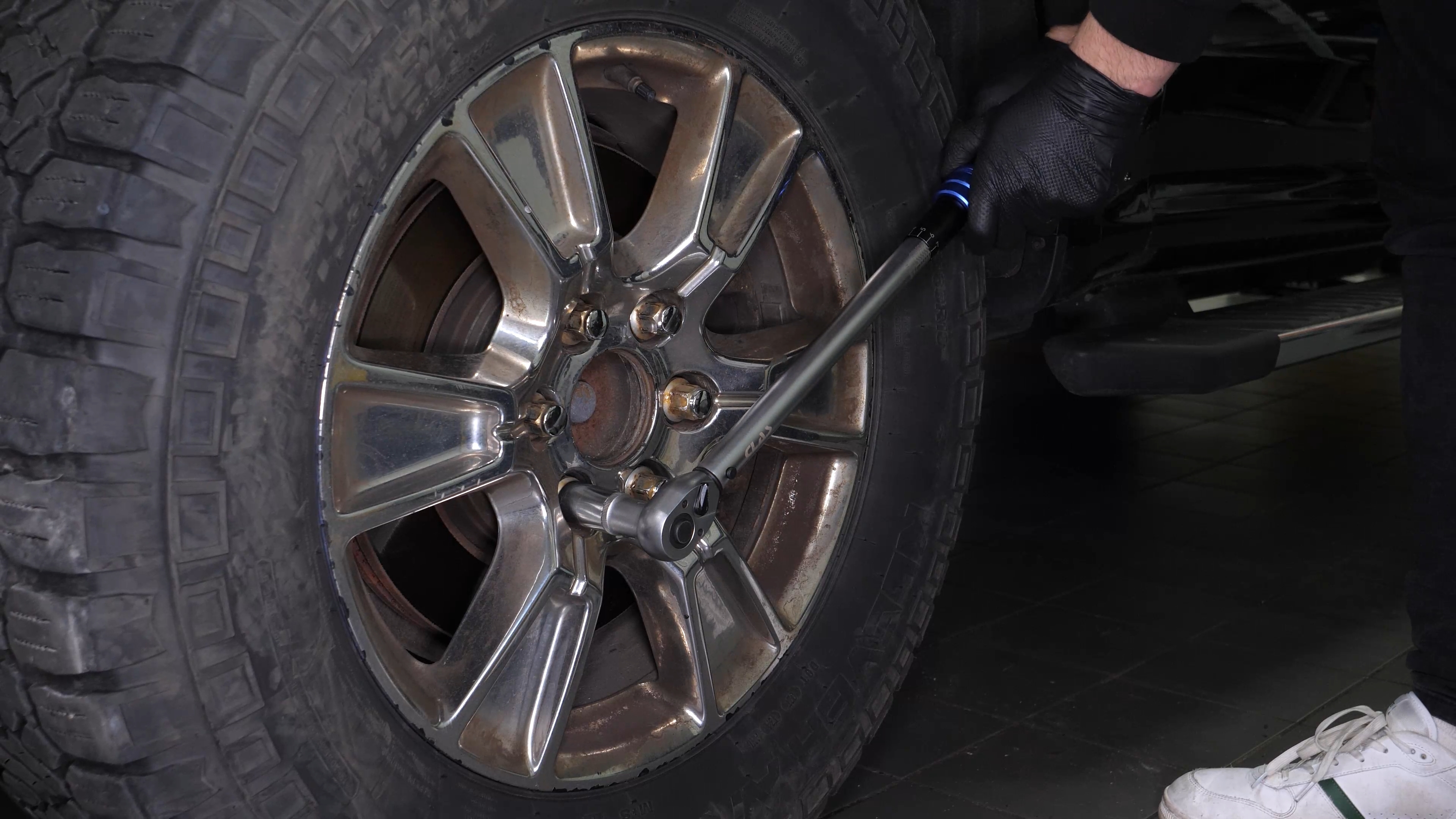
Then, you will be able to put the wheels back on your vehicle.
Chapter 11:
Step 2/4
Put the car back on the ground and block the wheels properly.
Chapter 11:
Step 3/4
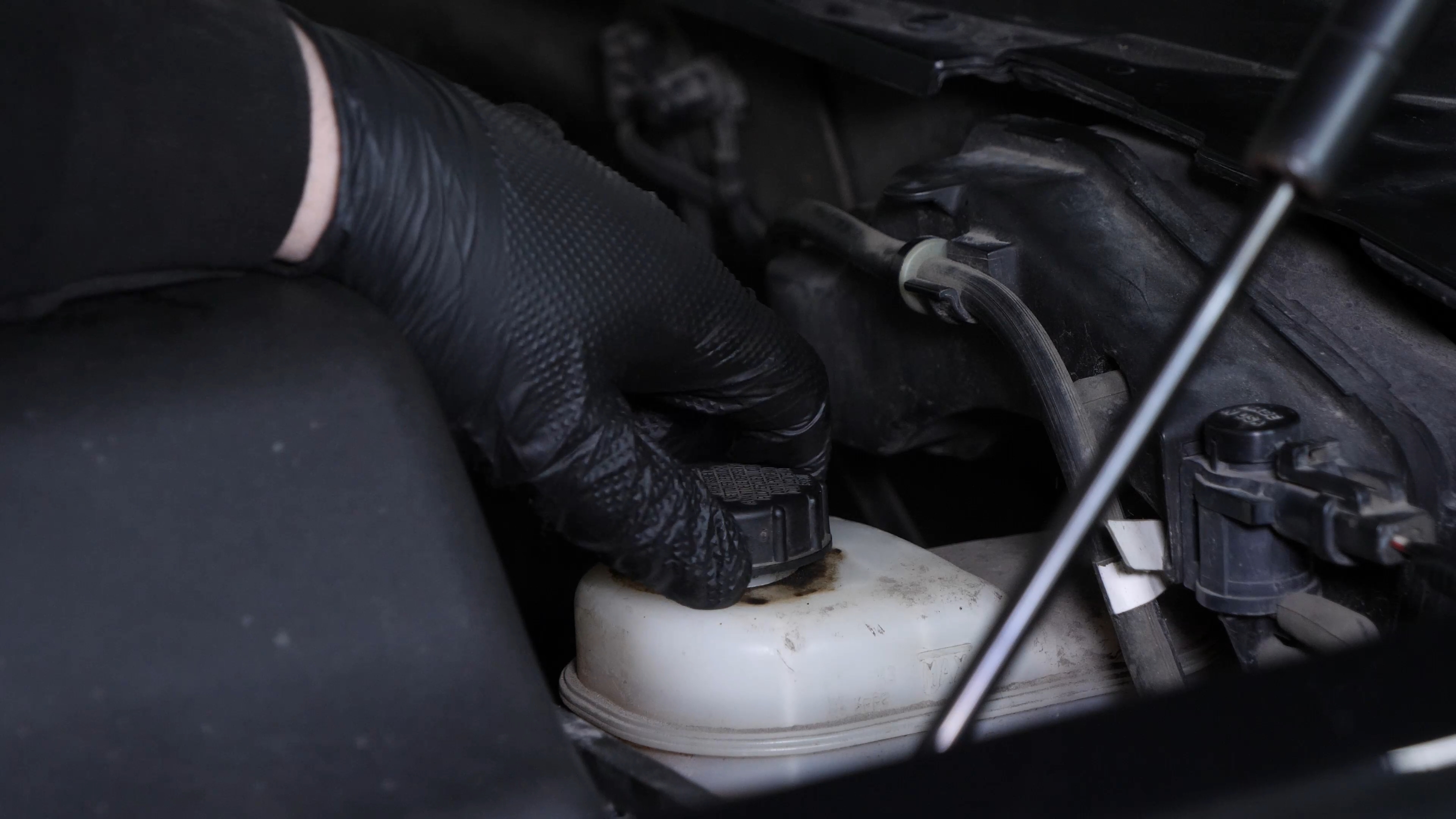
Don’t forget to screw the brake fluid cap back on before starting the car.
Chapter 11:
Step 4/4
Operation complete.