How to bleed the brake fluid system 2006 – 2012 Ford Fusion 1
To bleed the brake fluid system on your Fusion 1 it couldnt’ be easier. You will be asked to renew the brake fluid, Set up, bleed as well as carry out a few other steps. You can follow this tutorial of 9 chapters in 50 minutes. Bring your 10 mm wrench and your 8 mm wrench and let’s get started!
Duration
50 minutes
Number of steps
9
Difficulty out of 5
3
Average savings
$50
Parts You Will Need
Tools You Will Need
Step-by-Step Installation
Chapter 1:
Open the brake fluid reservoir
Step 1/2
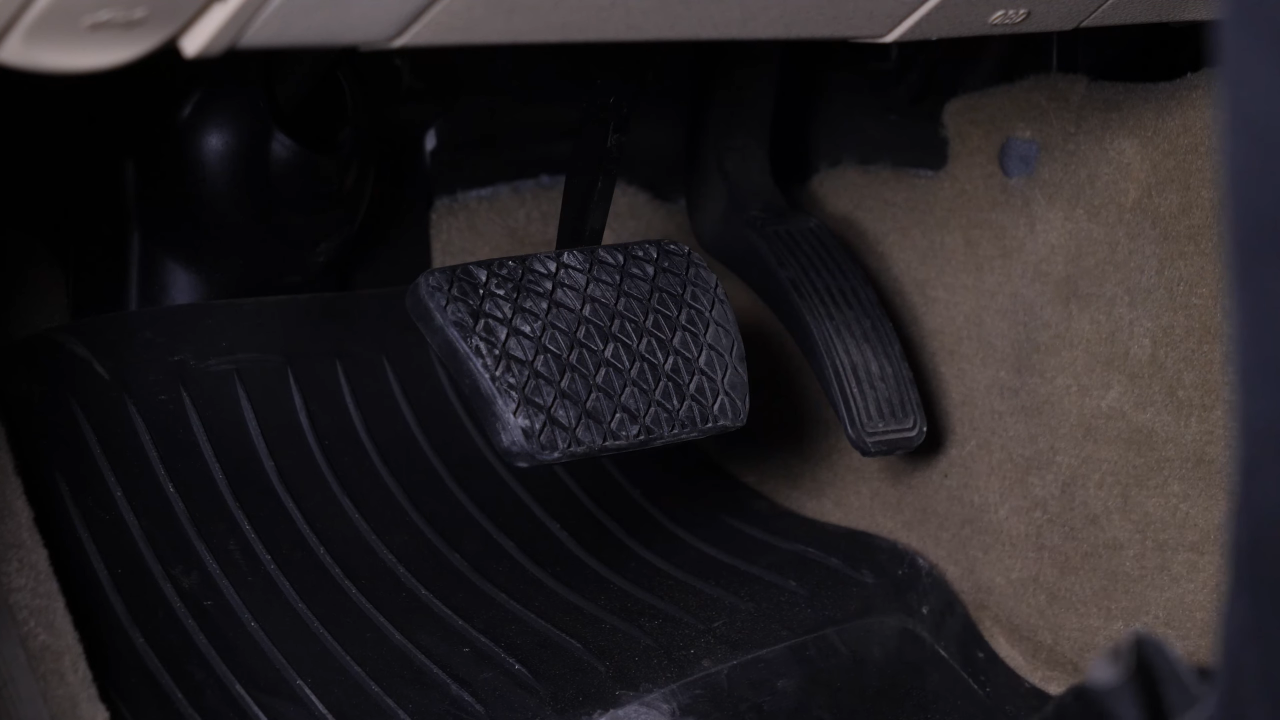
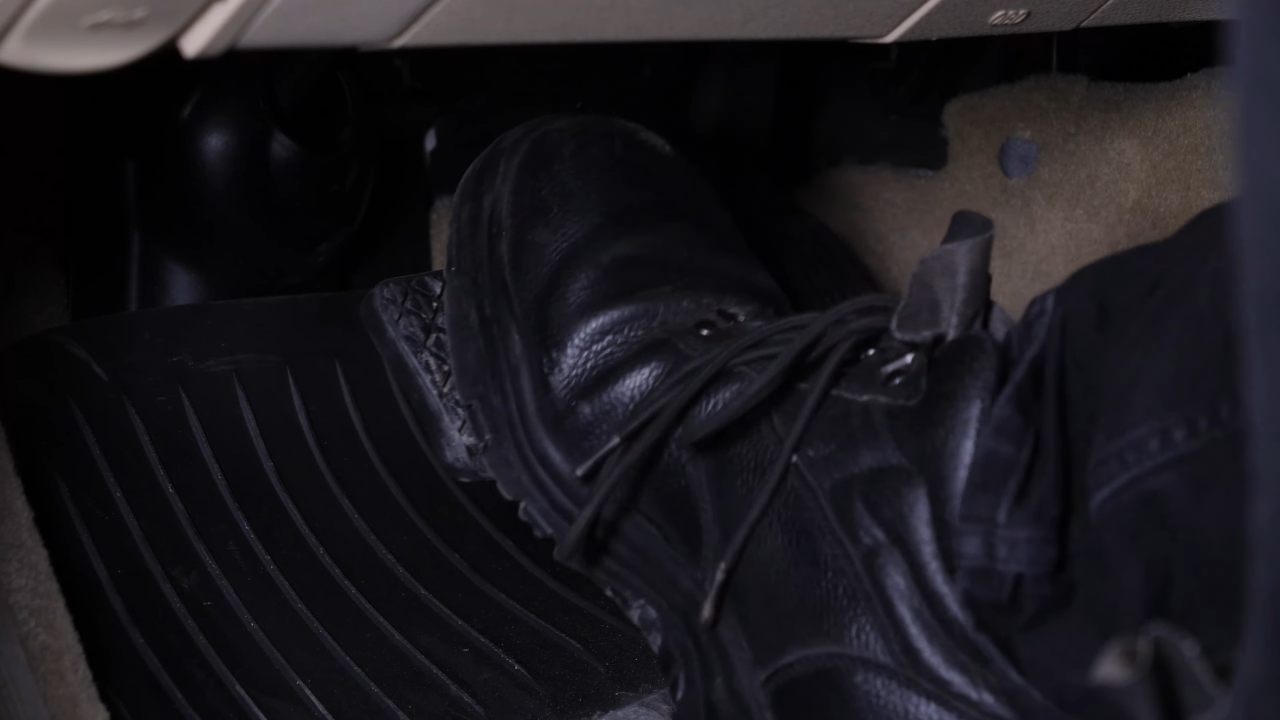
Remove any residual vacuum (or hydraulic pressure) from the brake power booster by applying the brake several times with the engine off.

Chapter 1:
Step 2/2
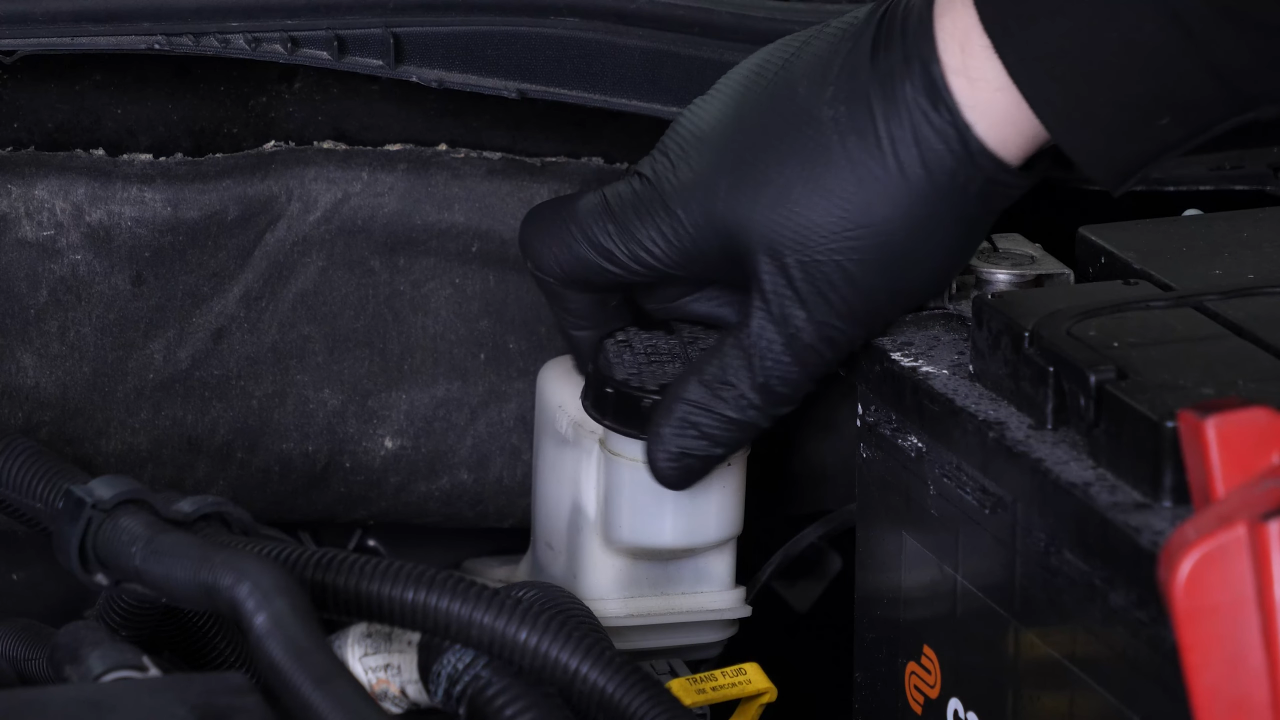
Open the brake fluid reservoir.
Chapter 2:
Renew the brake fluid
Step 1/2
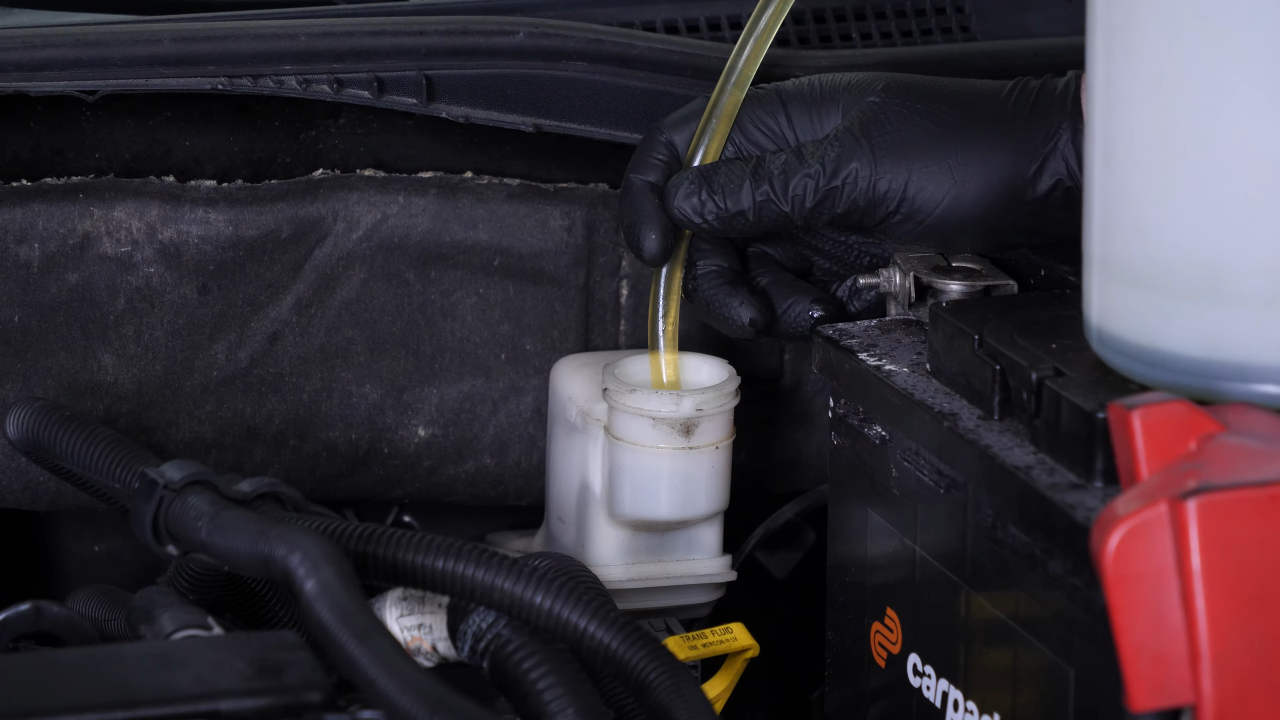
In the case of a complete bleeding of the brake fluid circuit, you must start by emptying the used fluid using a pump.

Chapter 2:
Step 2/2
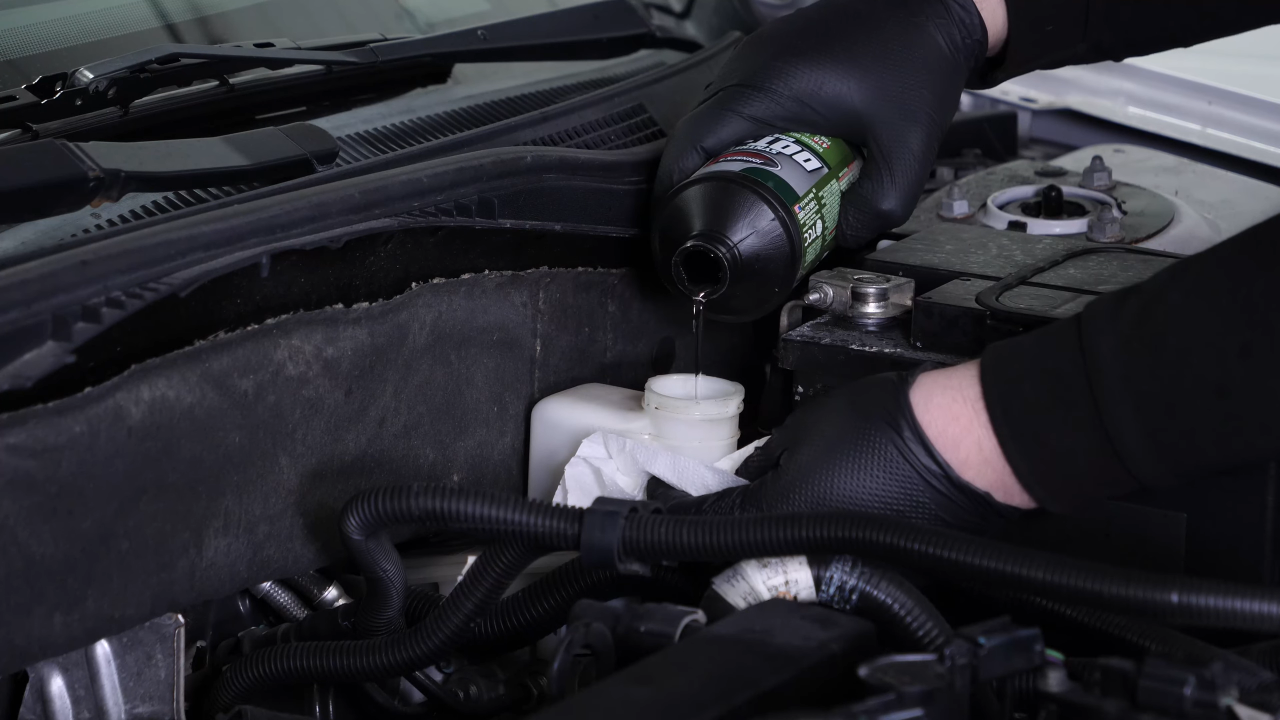
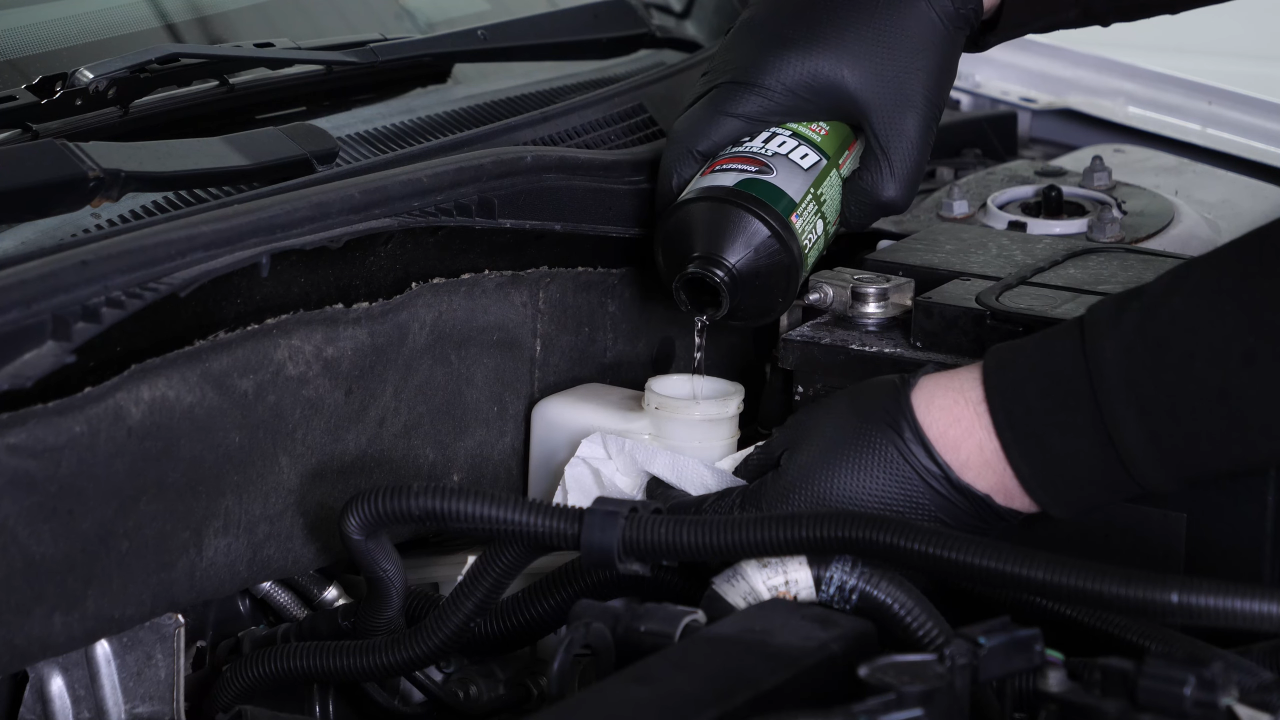
Then fill the reservoir with new fluid to the maximum level.
Chapter 3:
Informations
Step 1/3
It should be pointed out that there are multiple types of brake fluid, so make sure you use the type recommended by the manufacturer.
Chapter 3:
Step 2/3
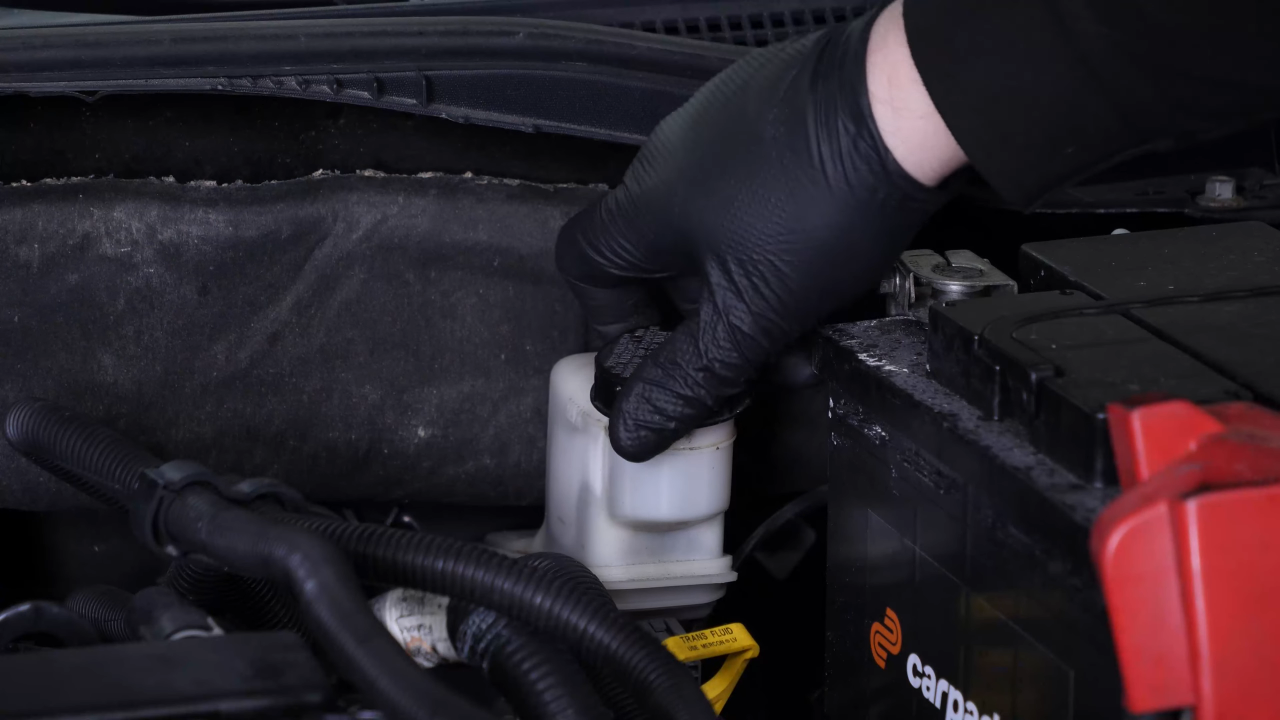
When you bleed the brake fluid circuit, there is a bleeding order to follow. On this vehicle, the order is as follows: – passenger side rear wheel – driver’s side rear wheel – passenger side front wheel – driver’s side front wheel






Chapter 3:
Step 3/3
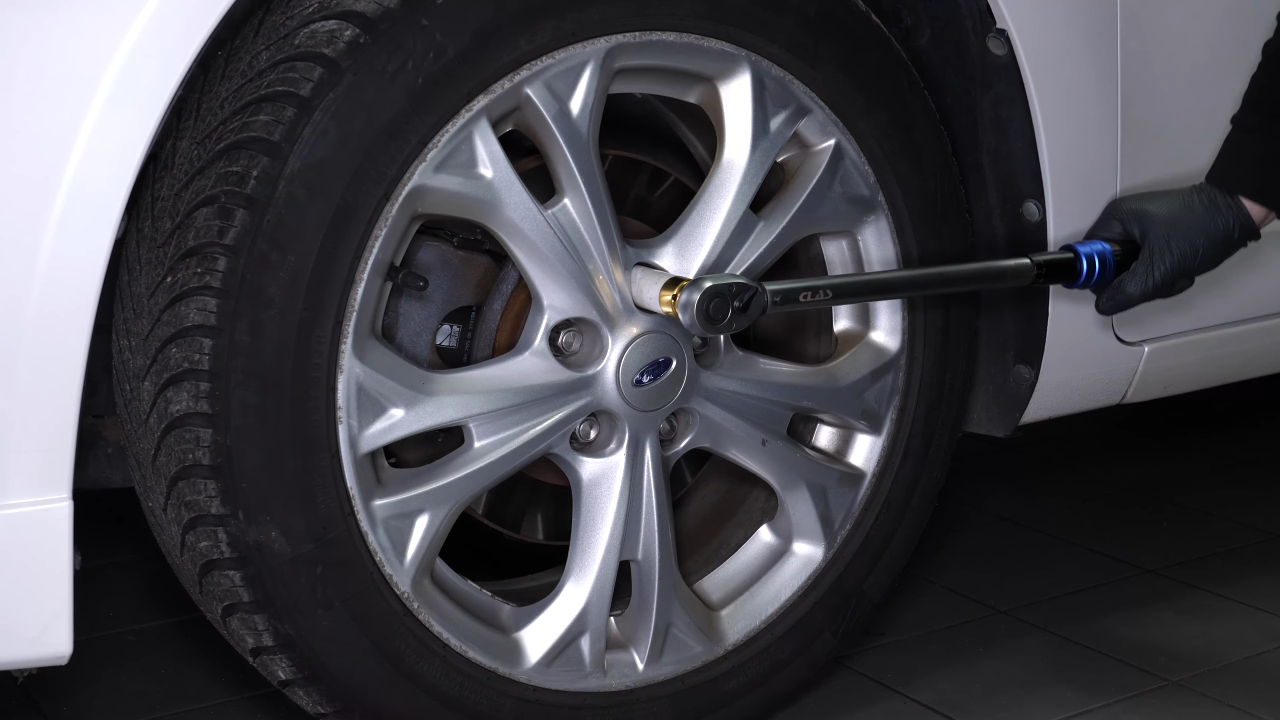
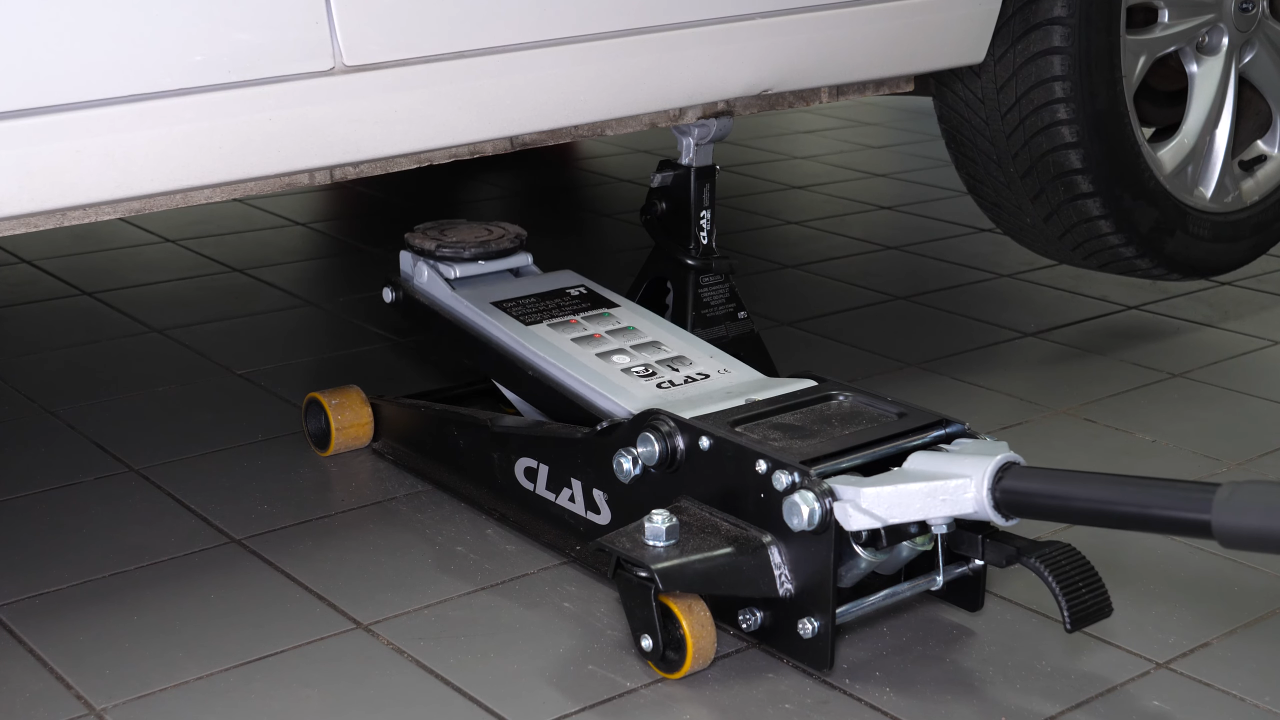
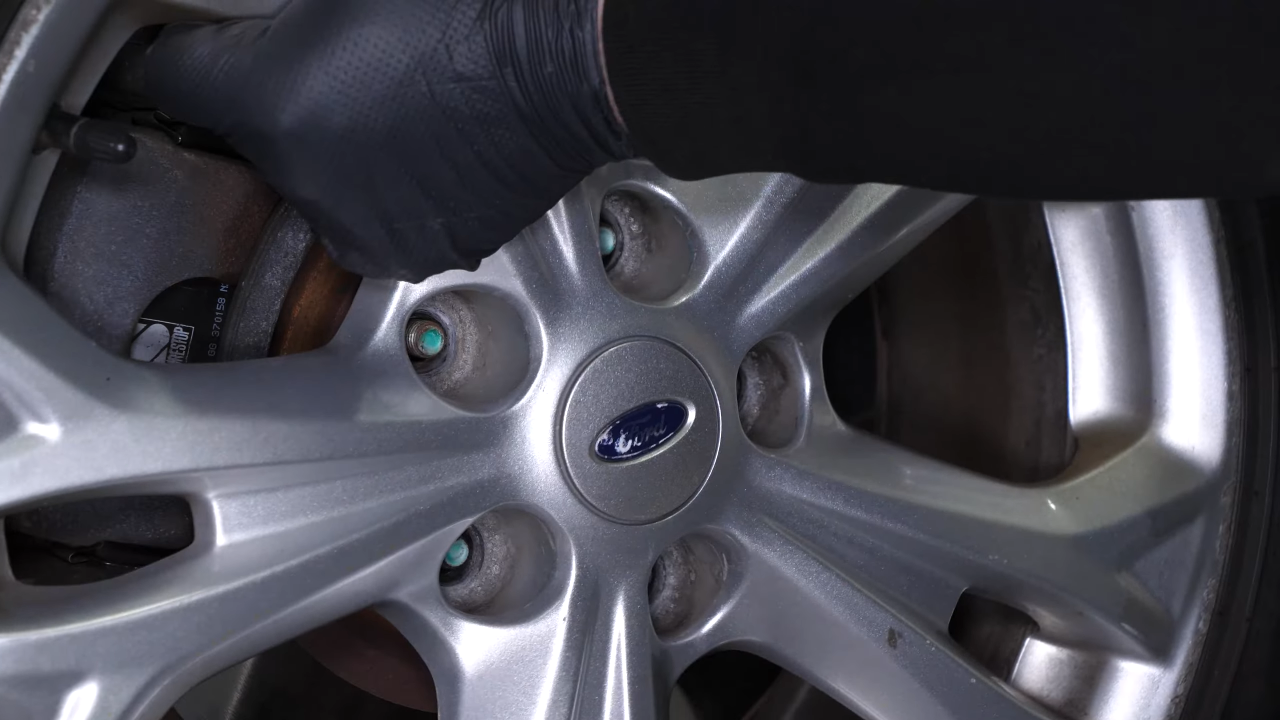
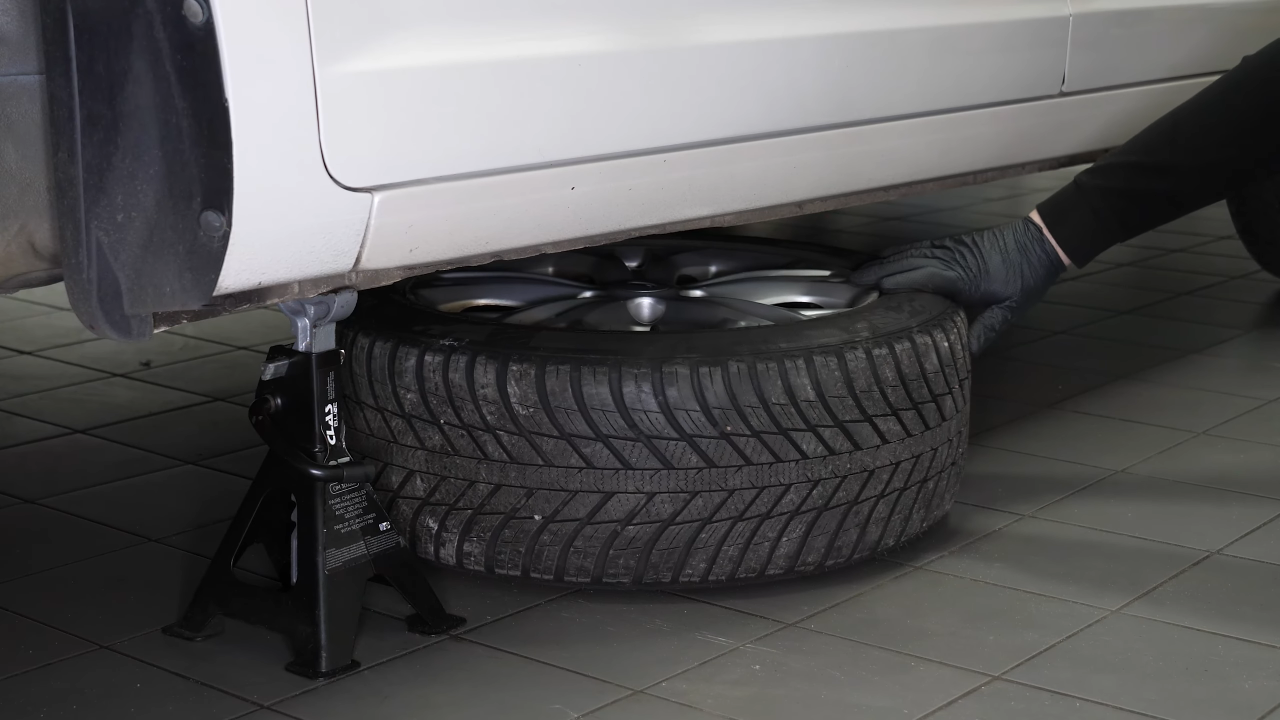
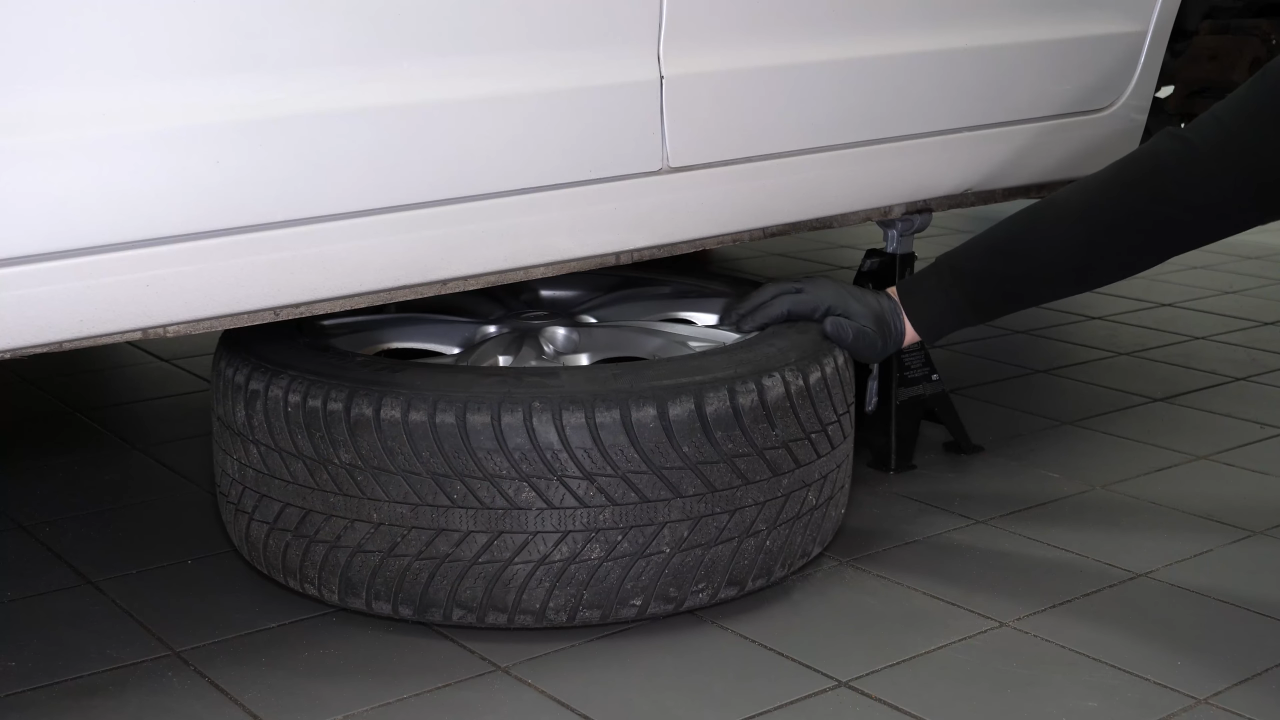
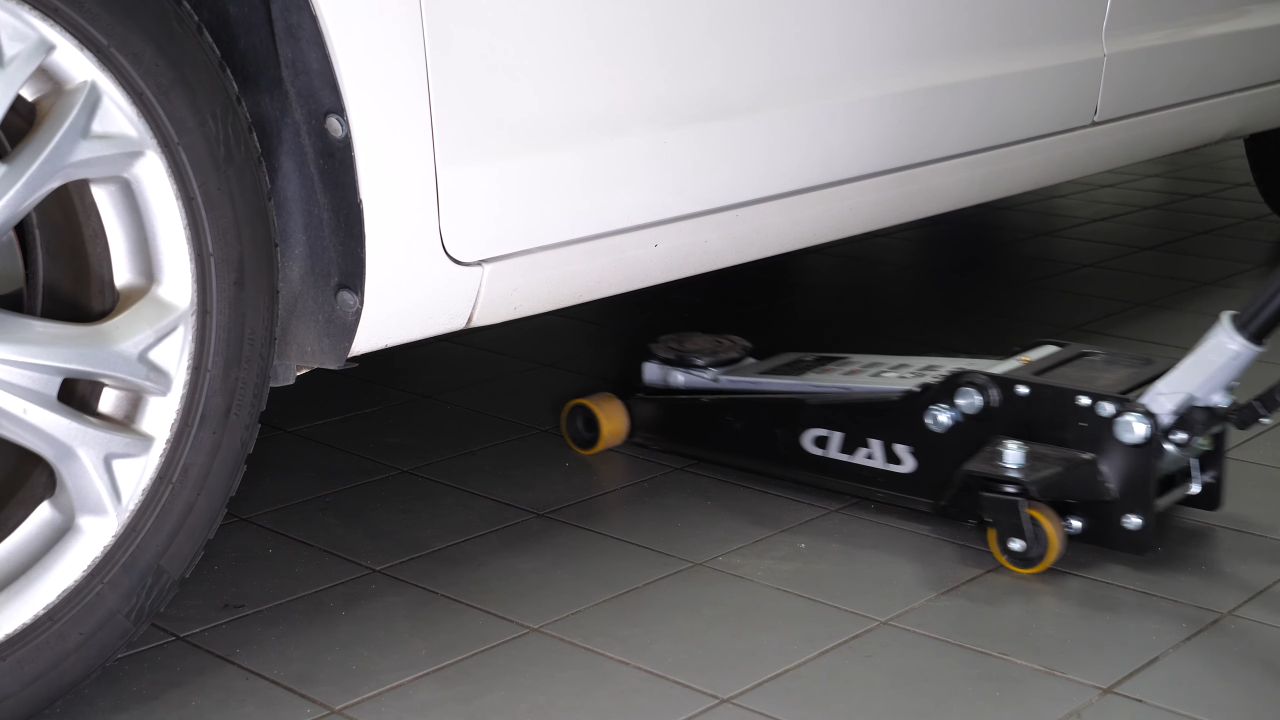
You will therefore have to successively lift each part of your vehicle, then remove each wheel.


Chapter 4:
Set up
Step 1/4
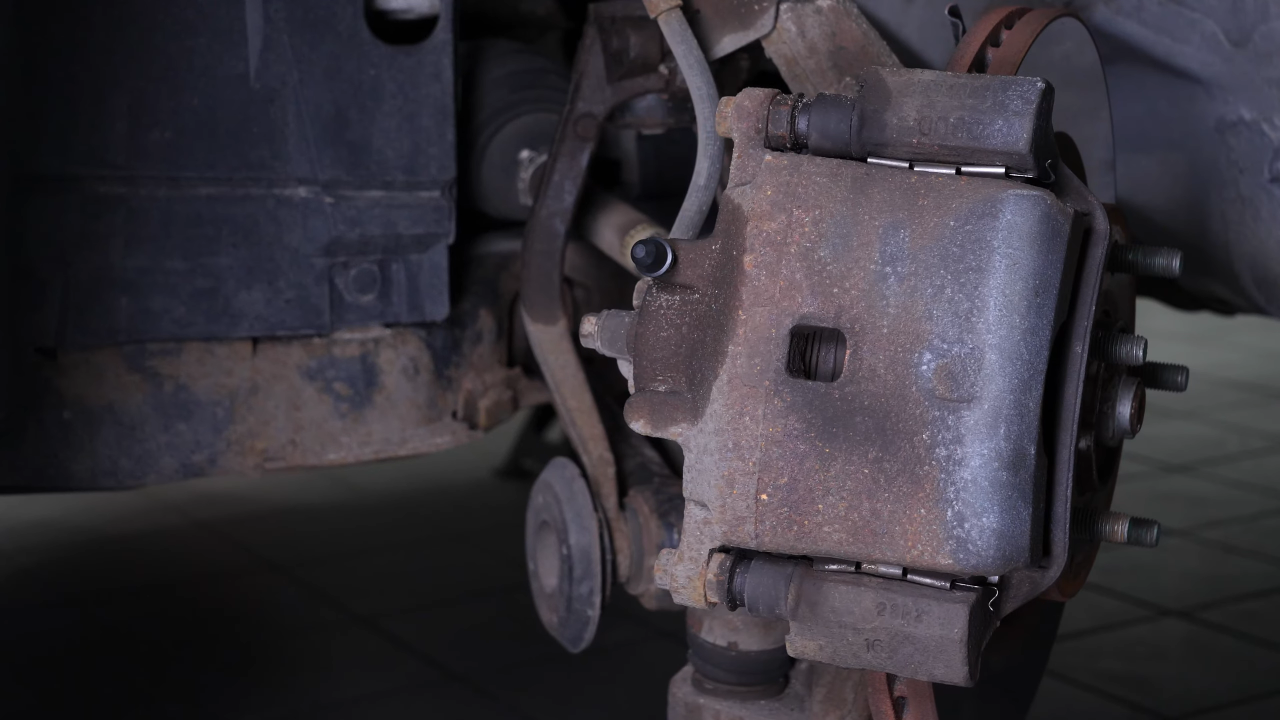
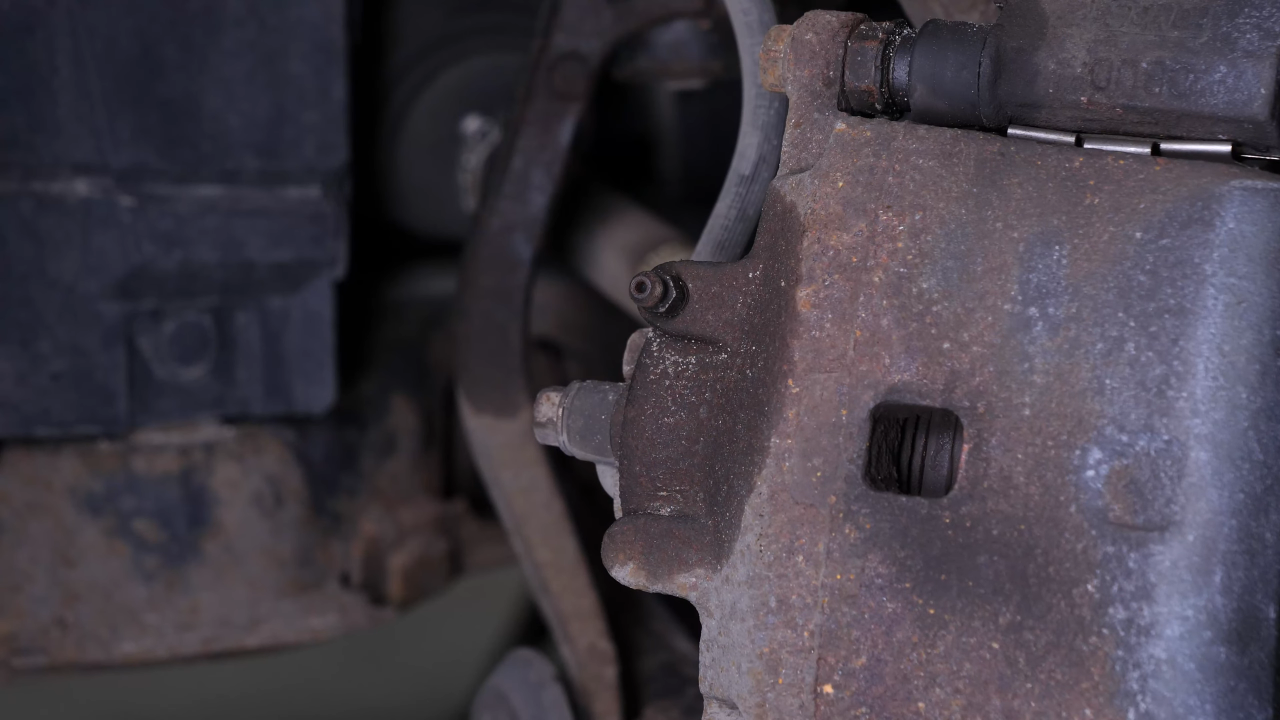
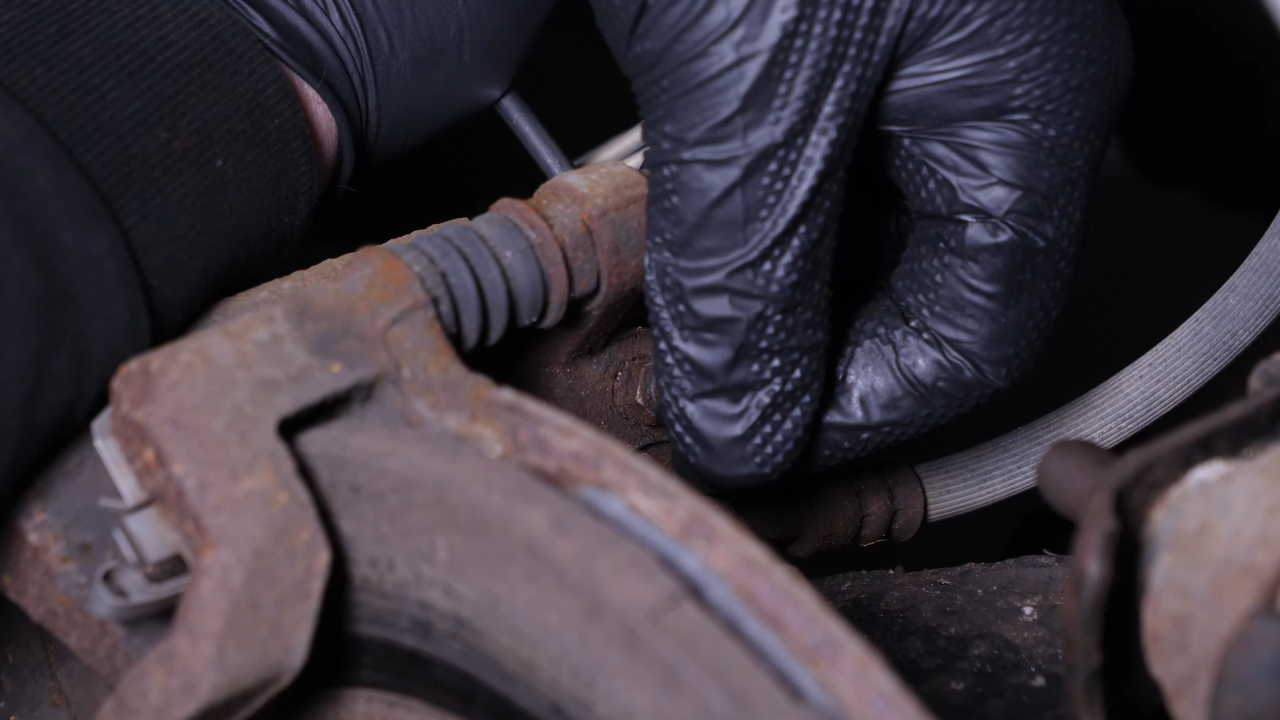
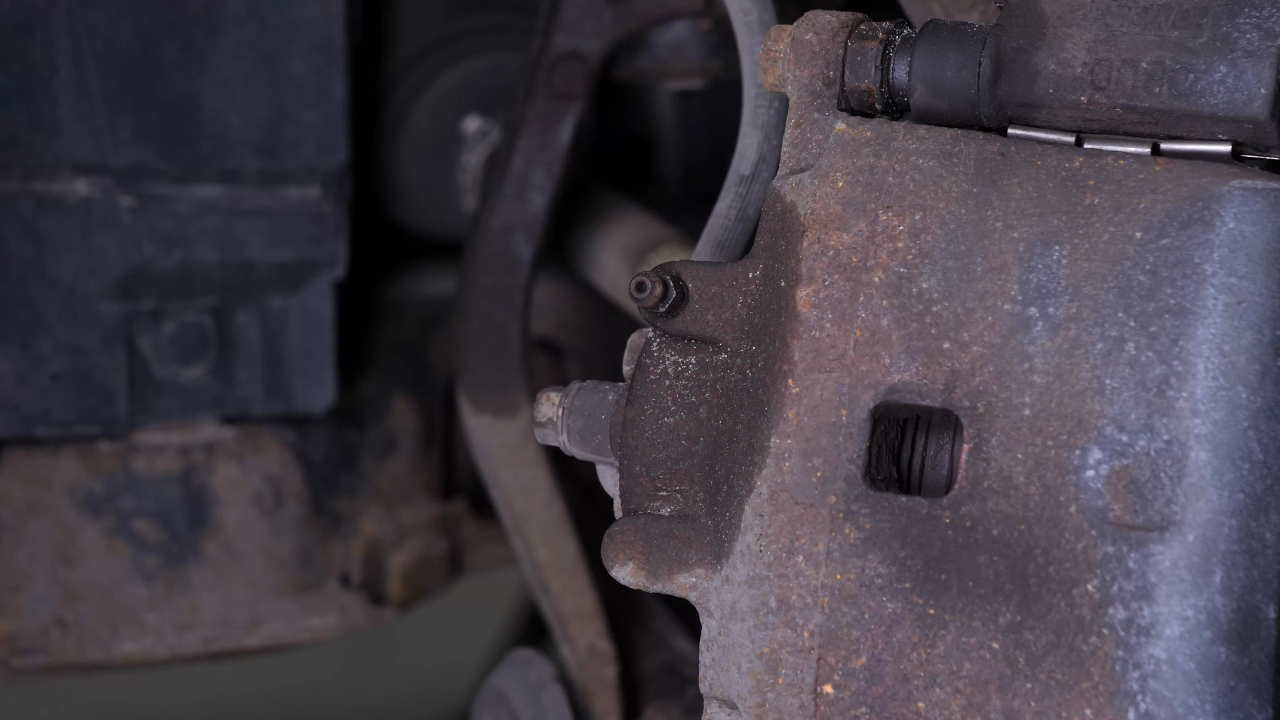
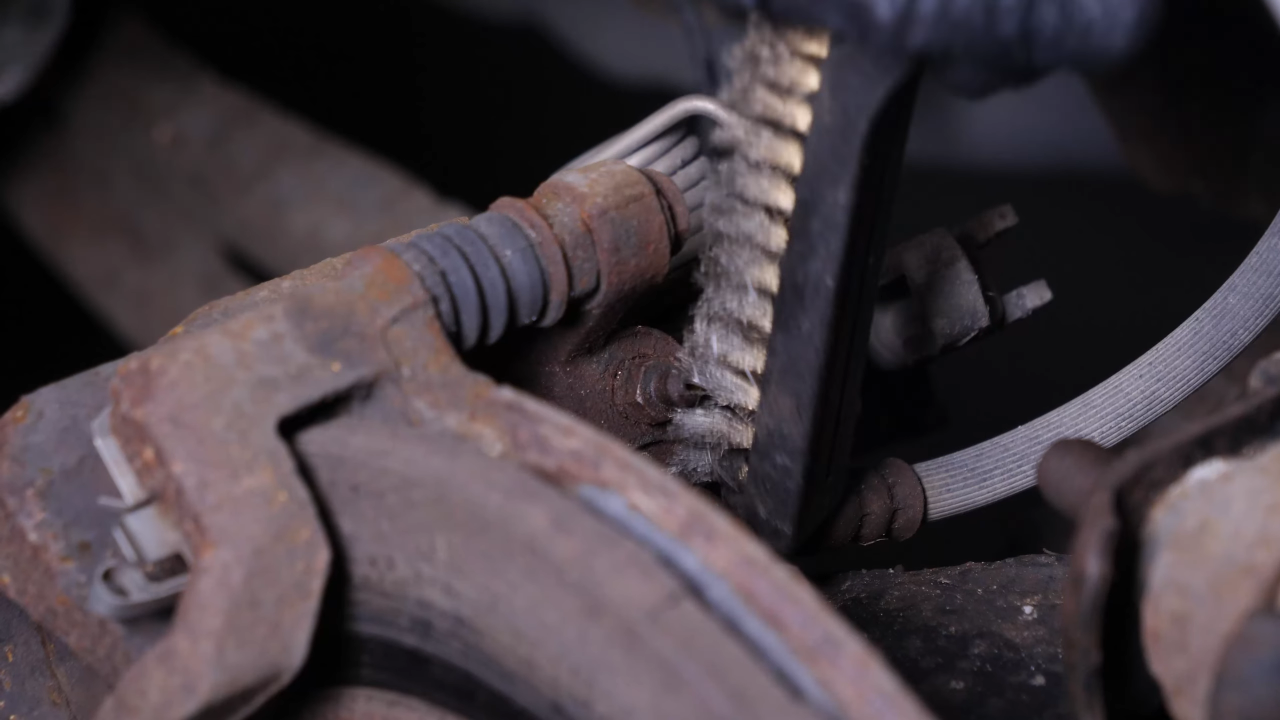
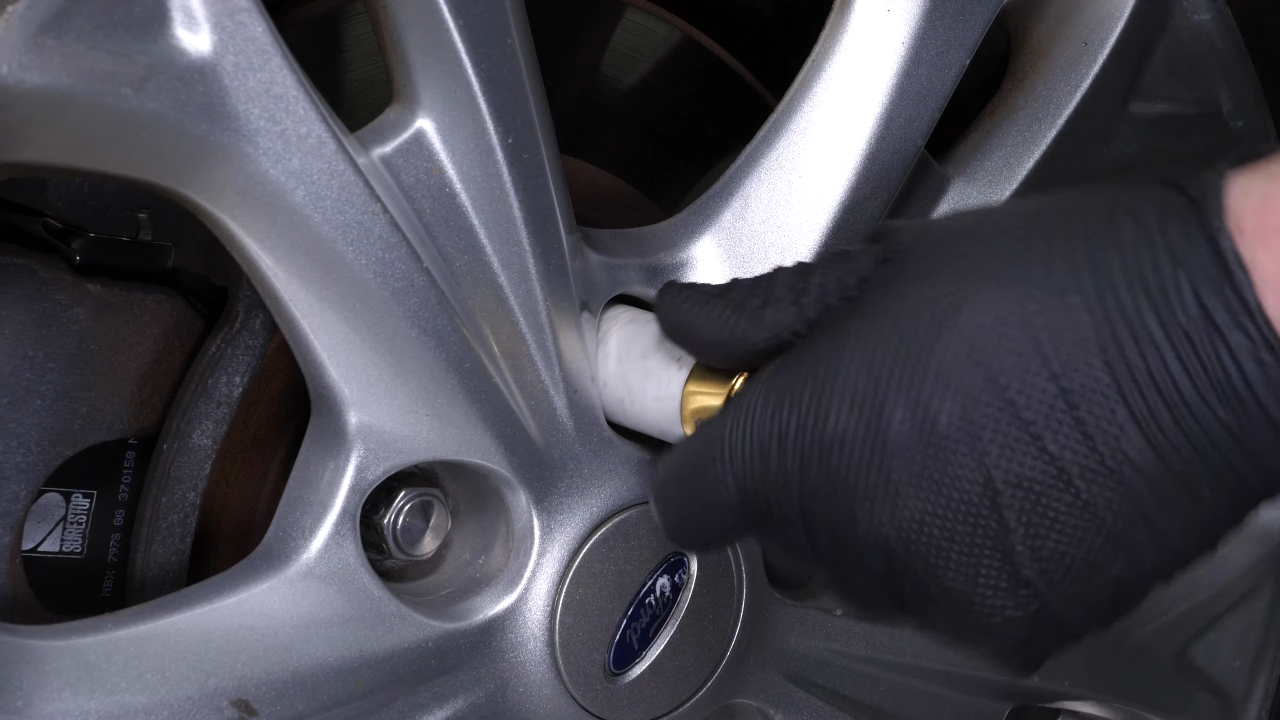
Once the wheel is removed, you have access to the bleeder located on the brake caliper.
Chapter 4:
Step 2/4
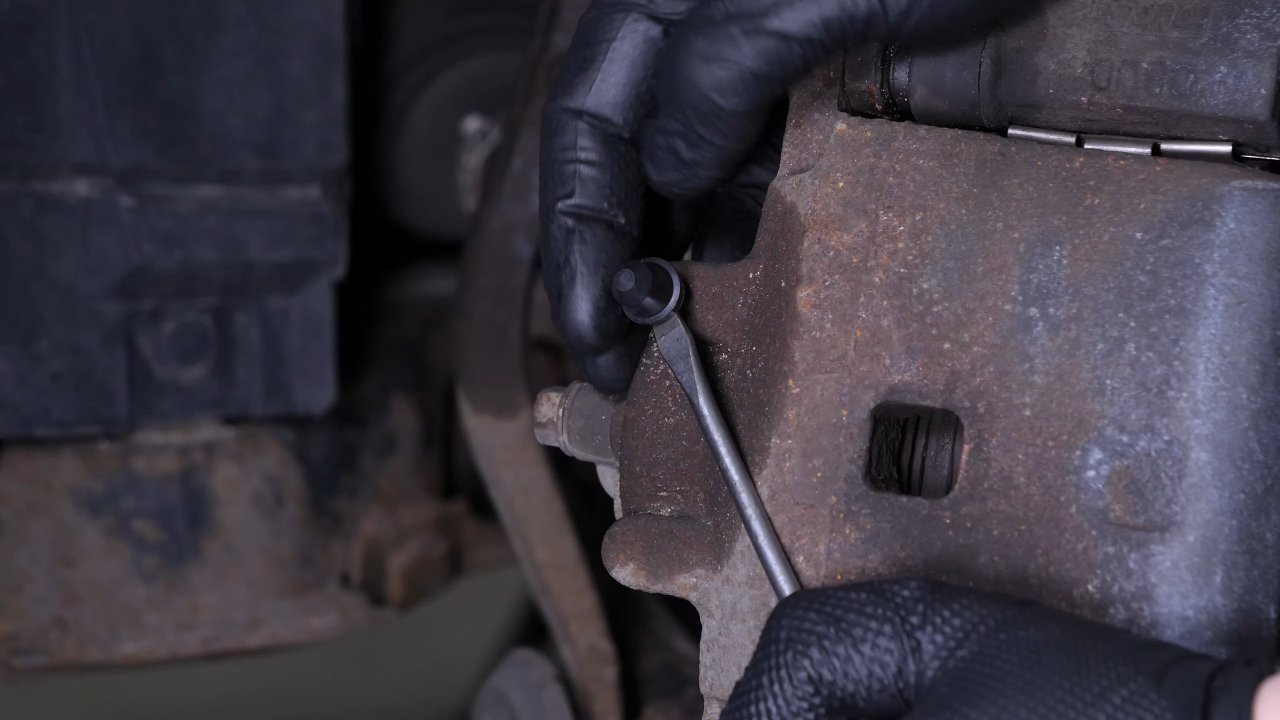
Start by removing the stopping plug.
Chapter 4:
Step 3/4
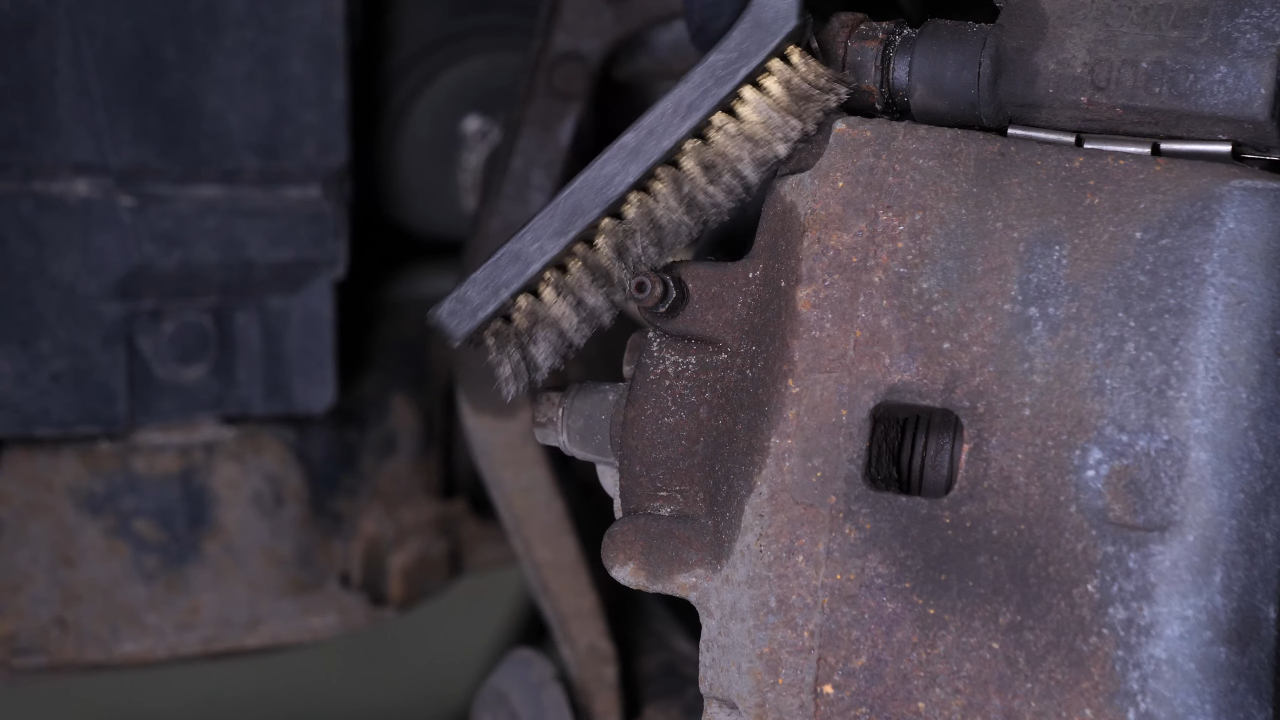
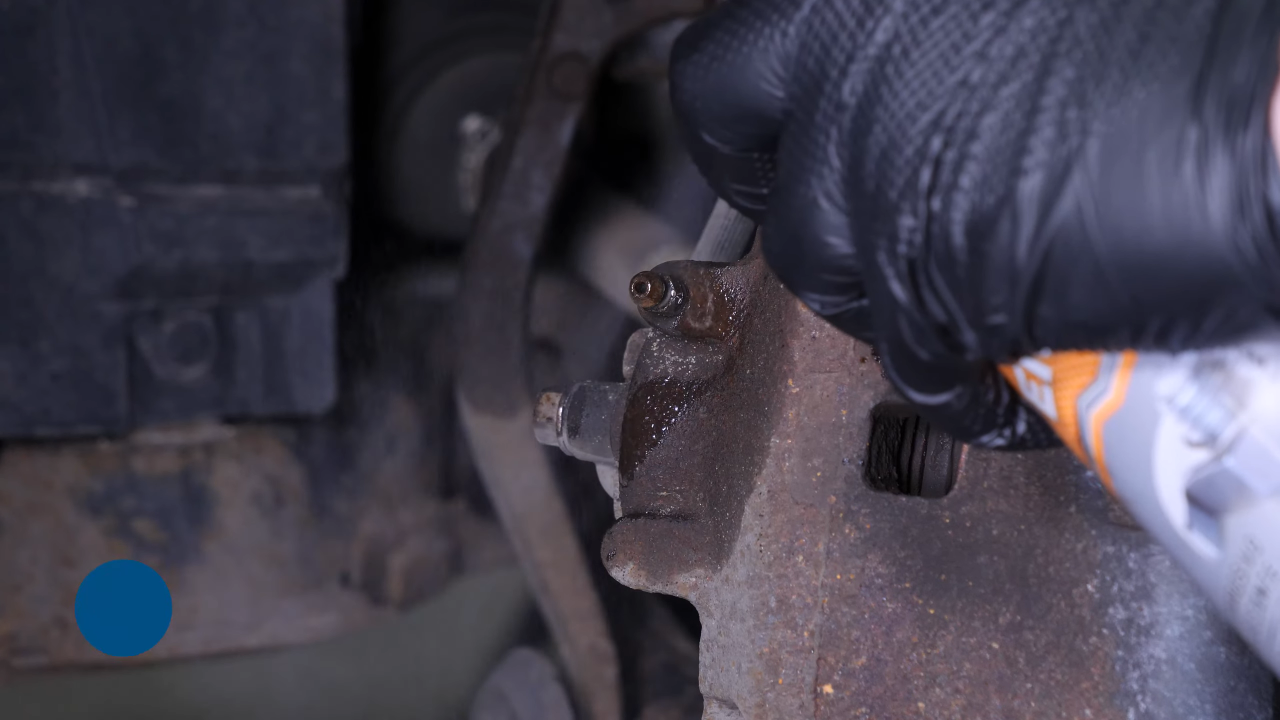
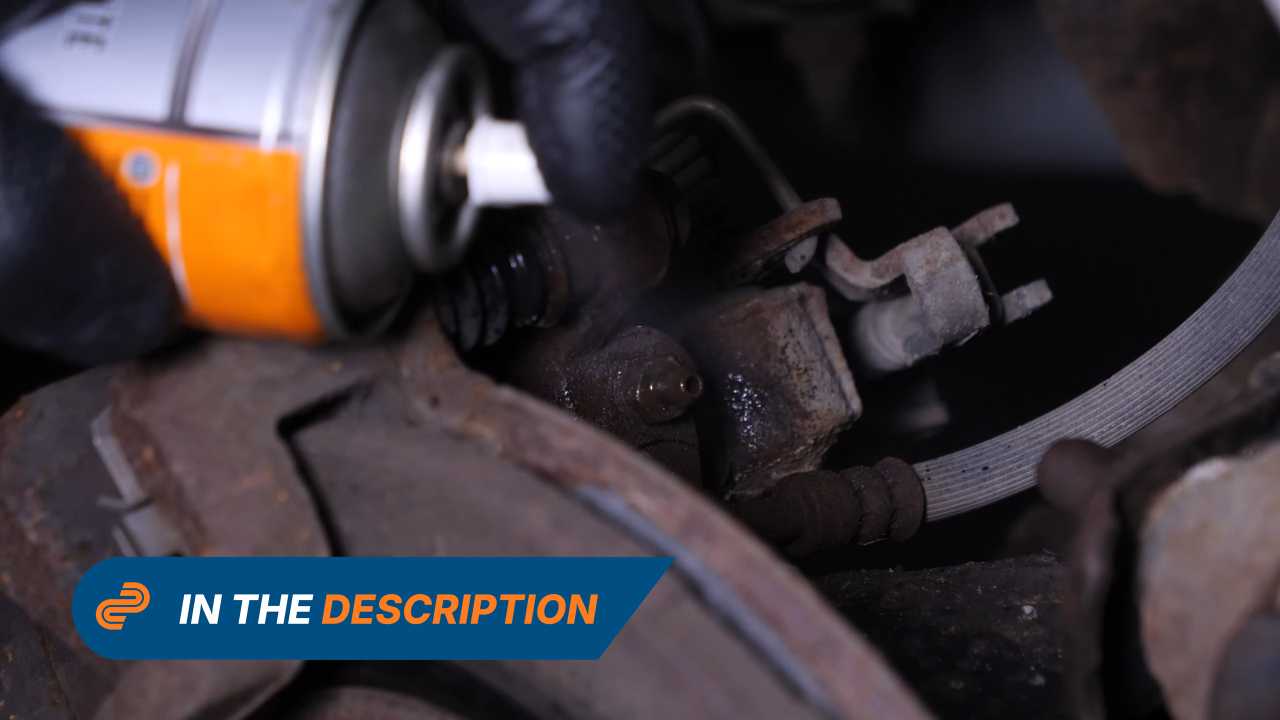
Using a wire brush, brush the bleeder clean before applying penetrating oil, to make sure you don’t break the trap if it gets rusty.
Chapter 4:
Step 4/4
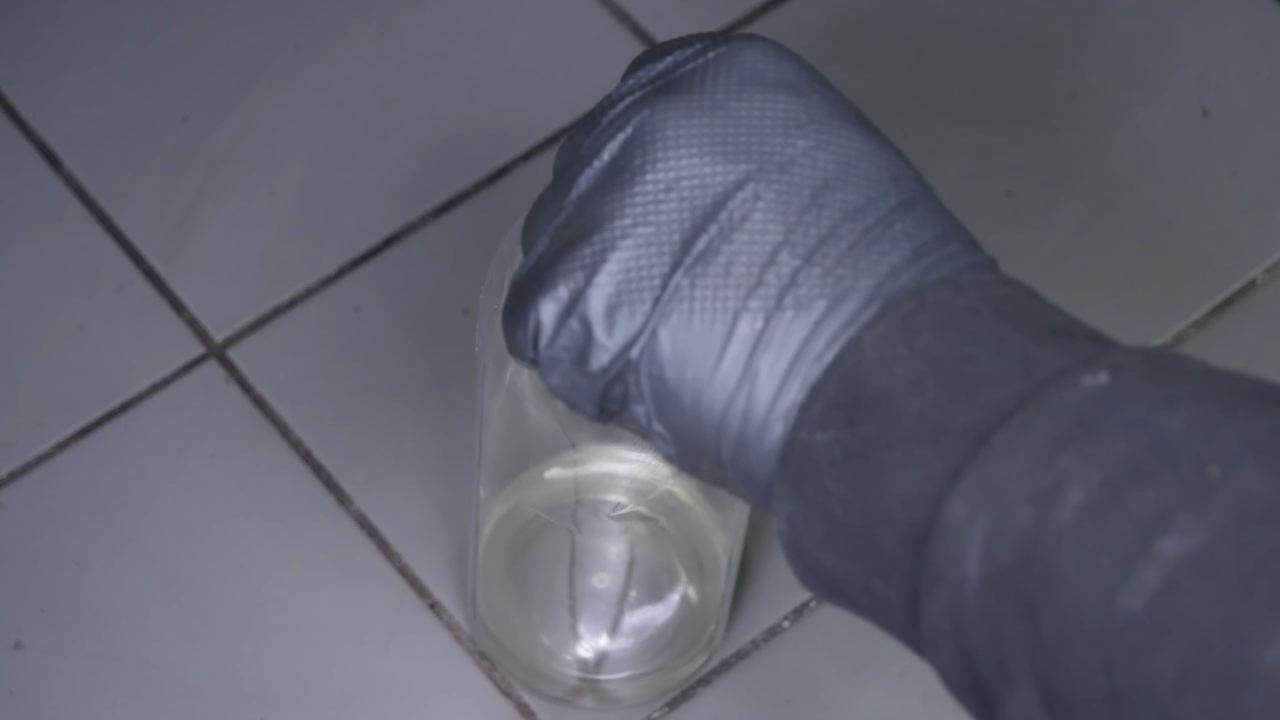
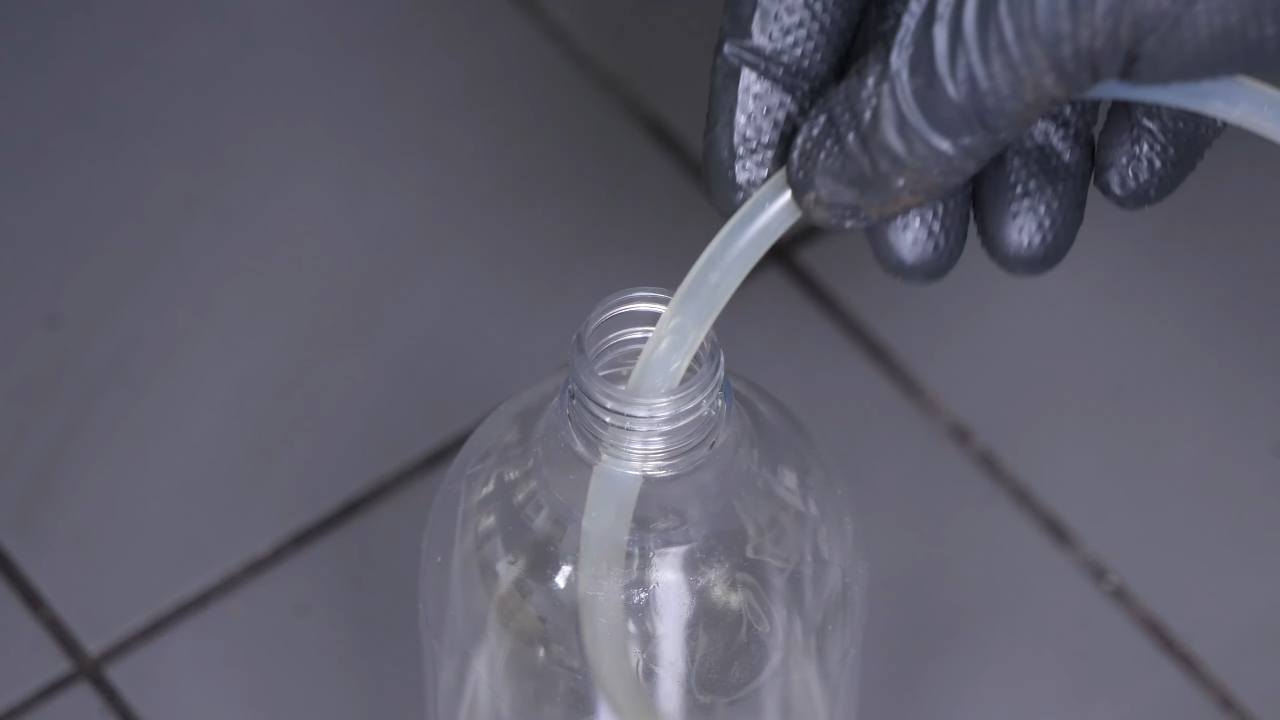
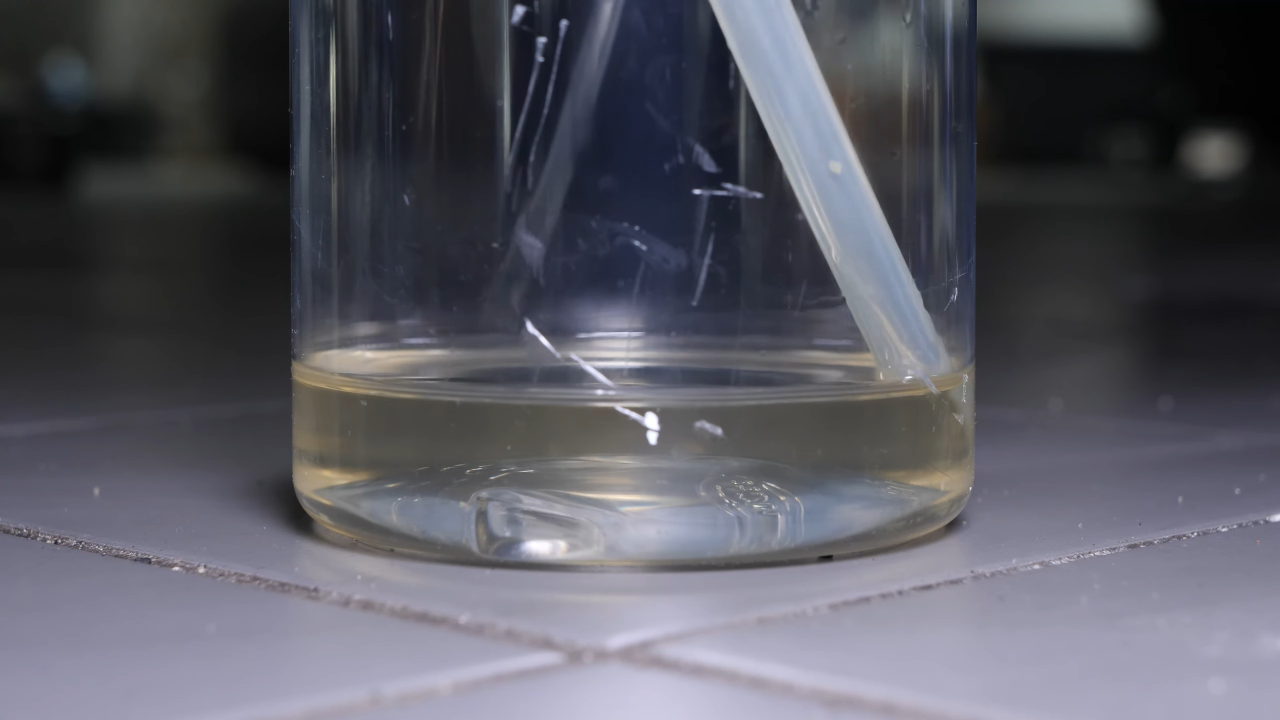
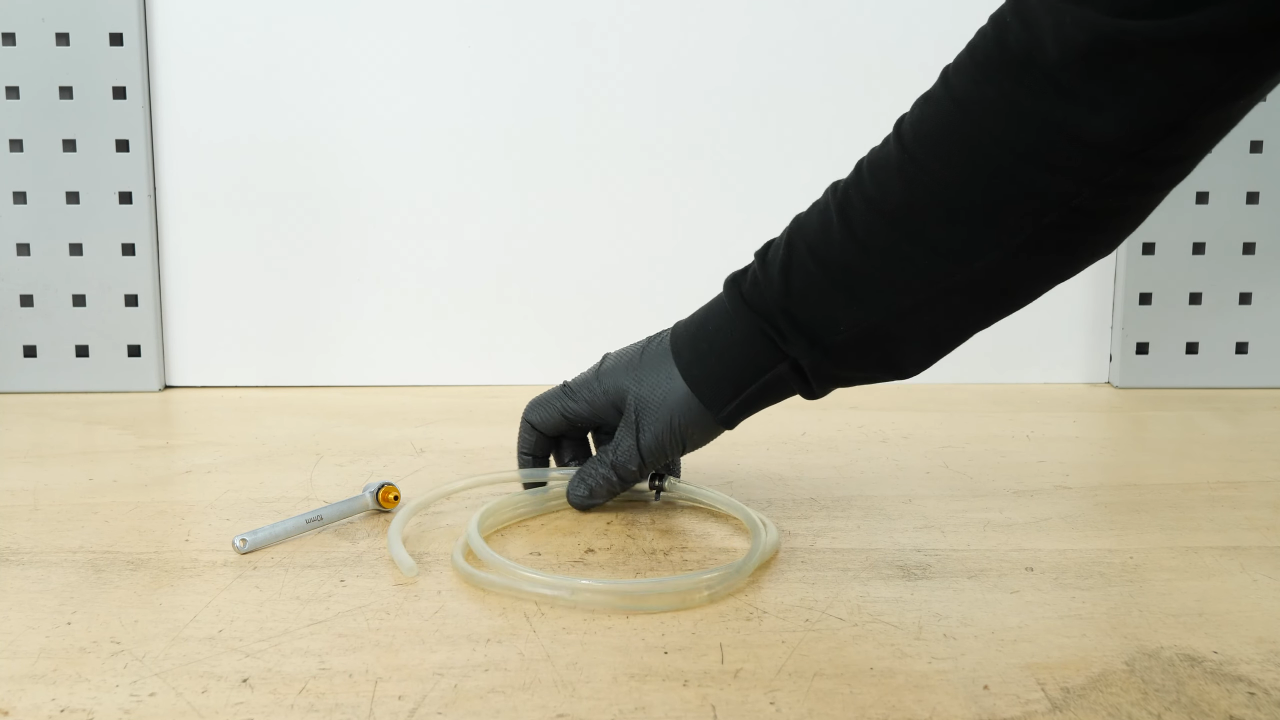
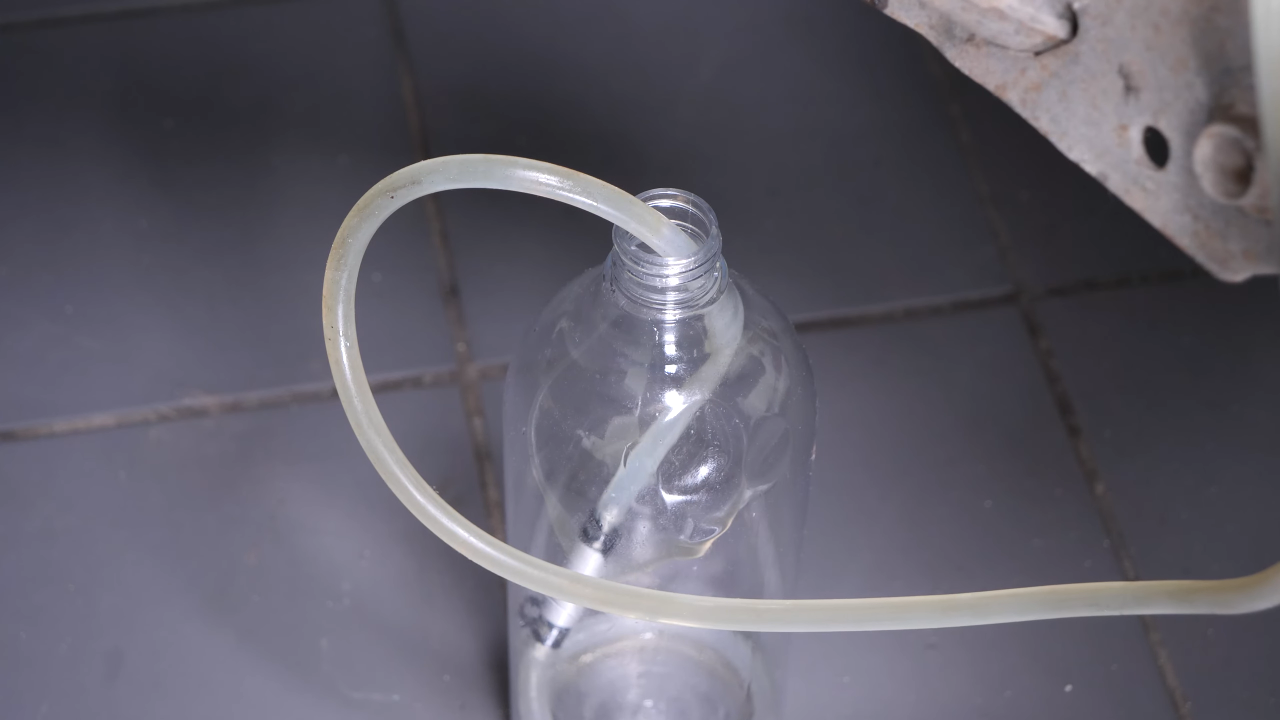
The simplest method, requiring the least amount of tools, is to use a container pre-filled with a little brake fluid. Dip a tube into the container. The brake fluid will prevent air from rising up the tube during bleeding operations.
Chapter 5:
The rear bleeder
Step 1/4
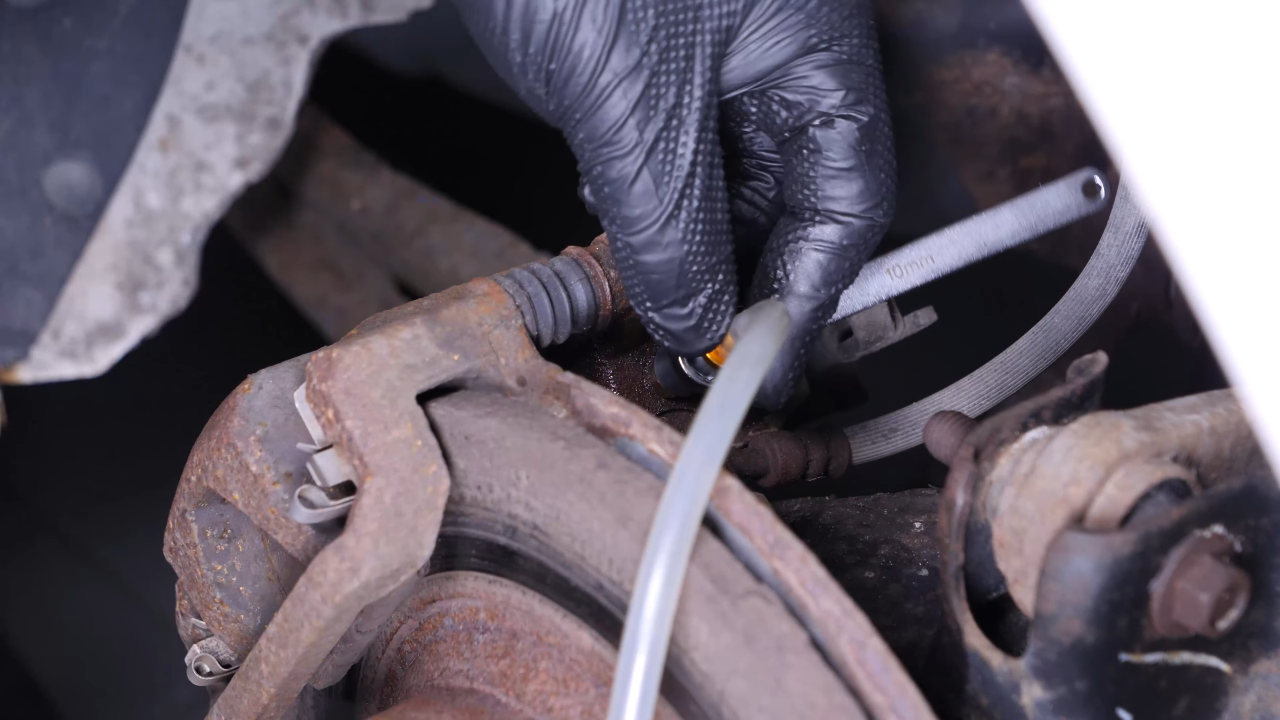
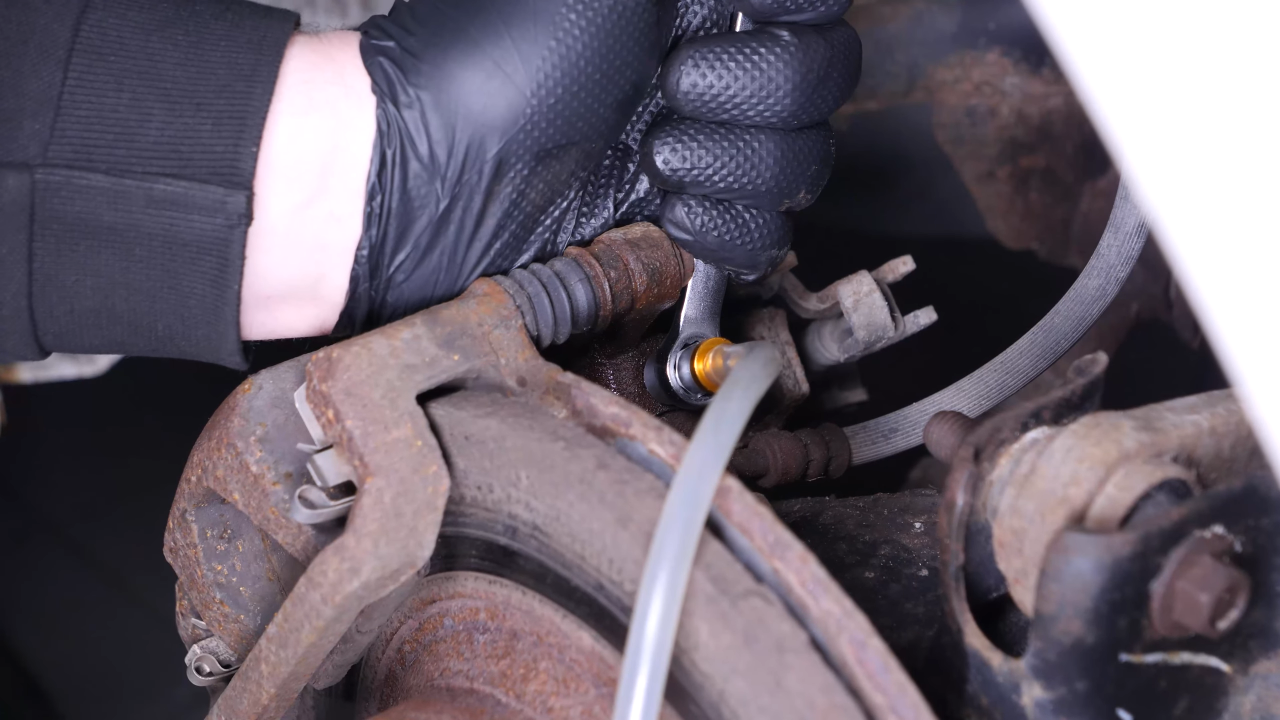
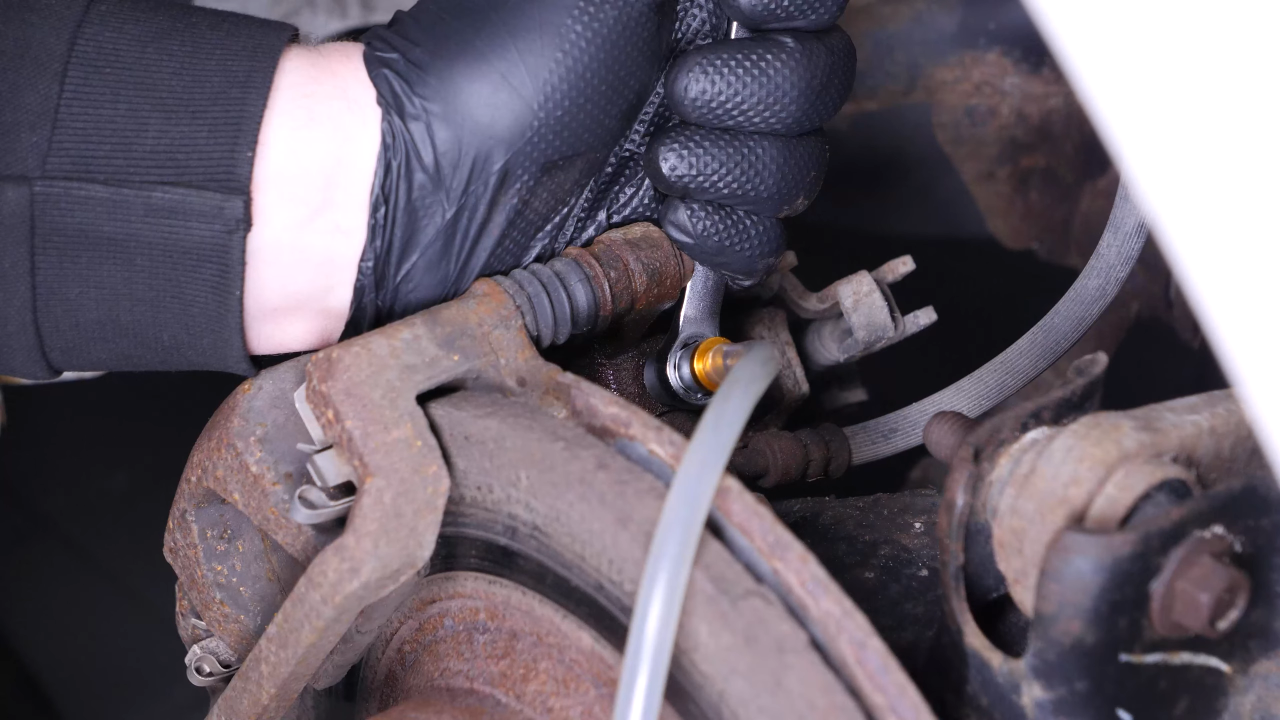
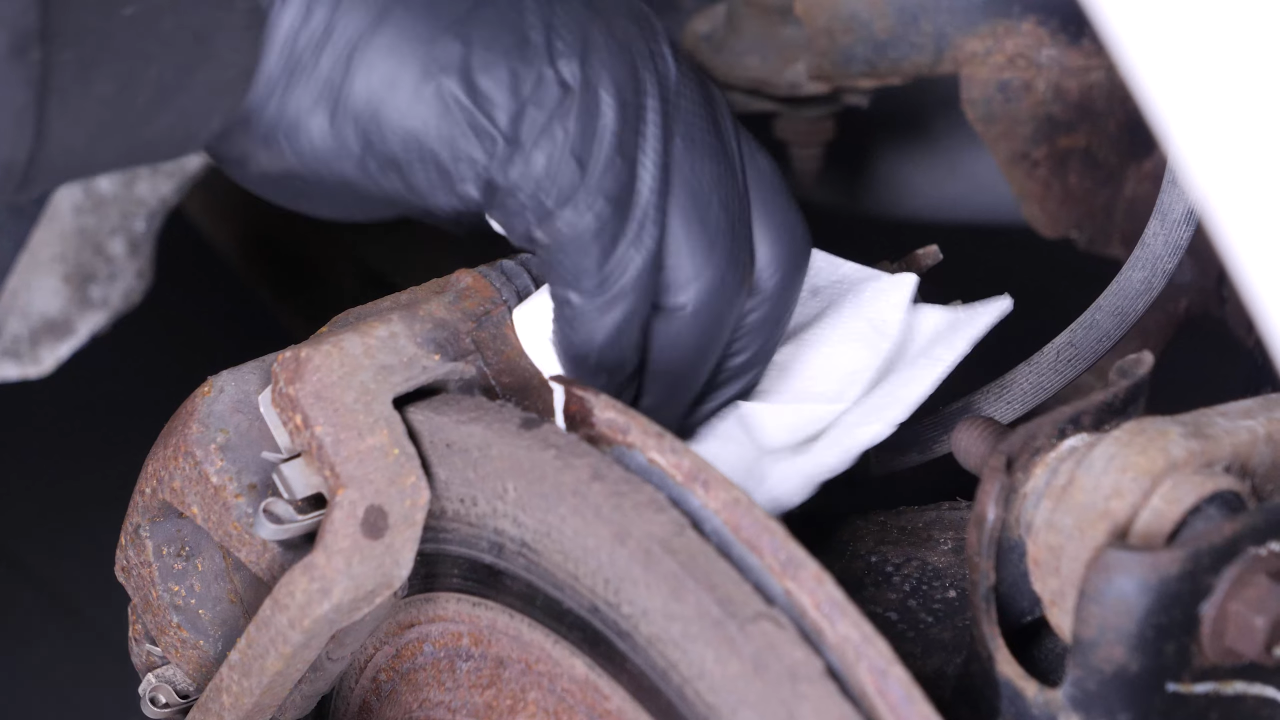
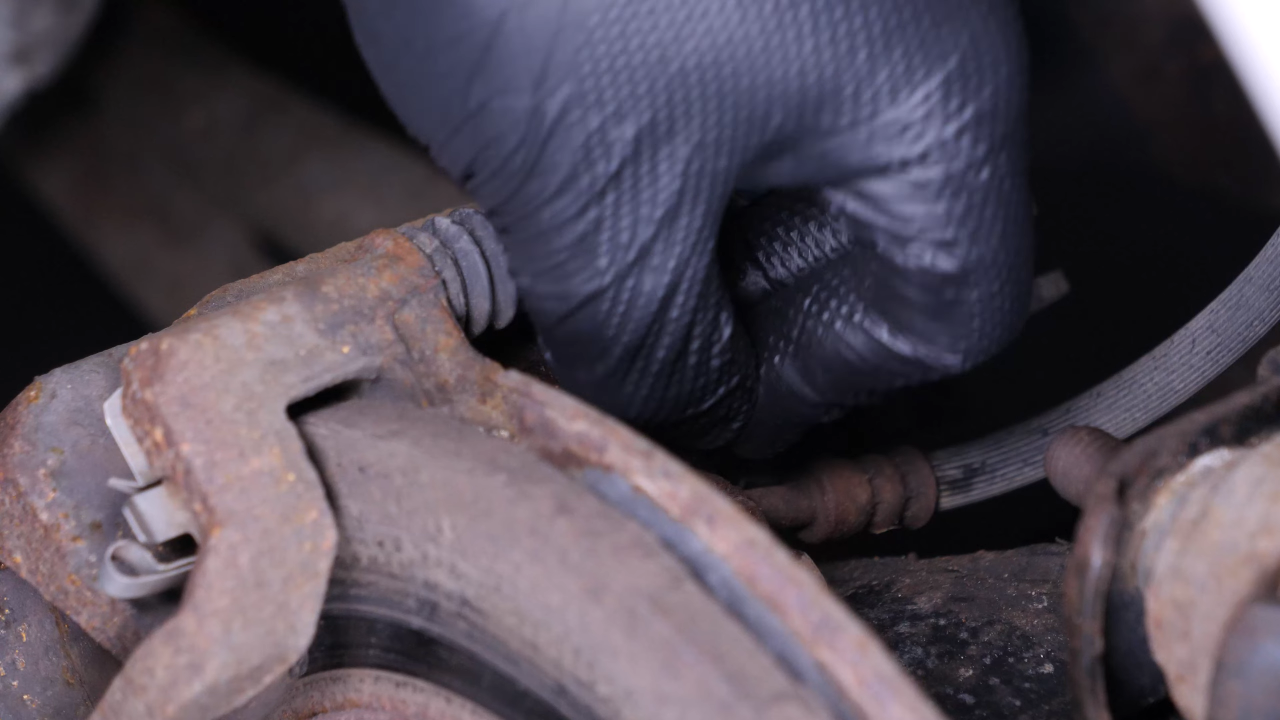
For the rear calipers, position a 10 mm wrench on the bleeder.
Chapter 5:
Step 2/4
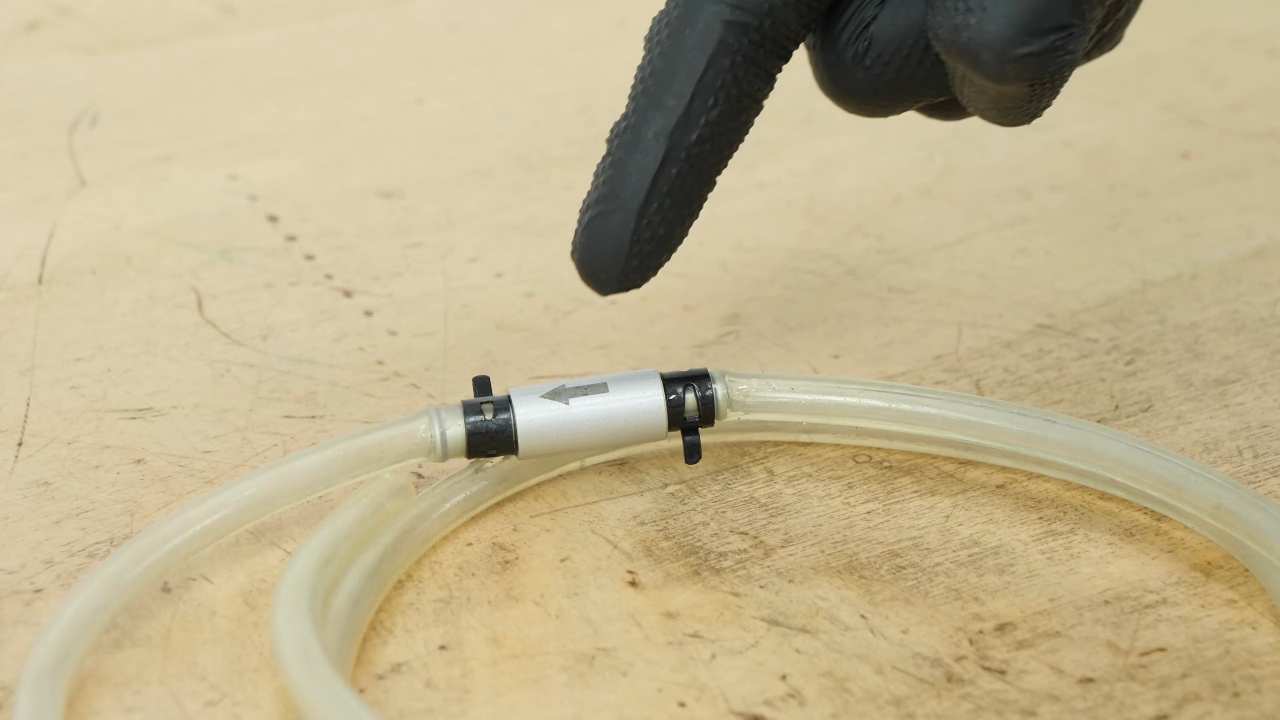
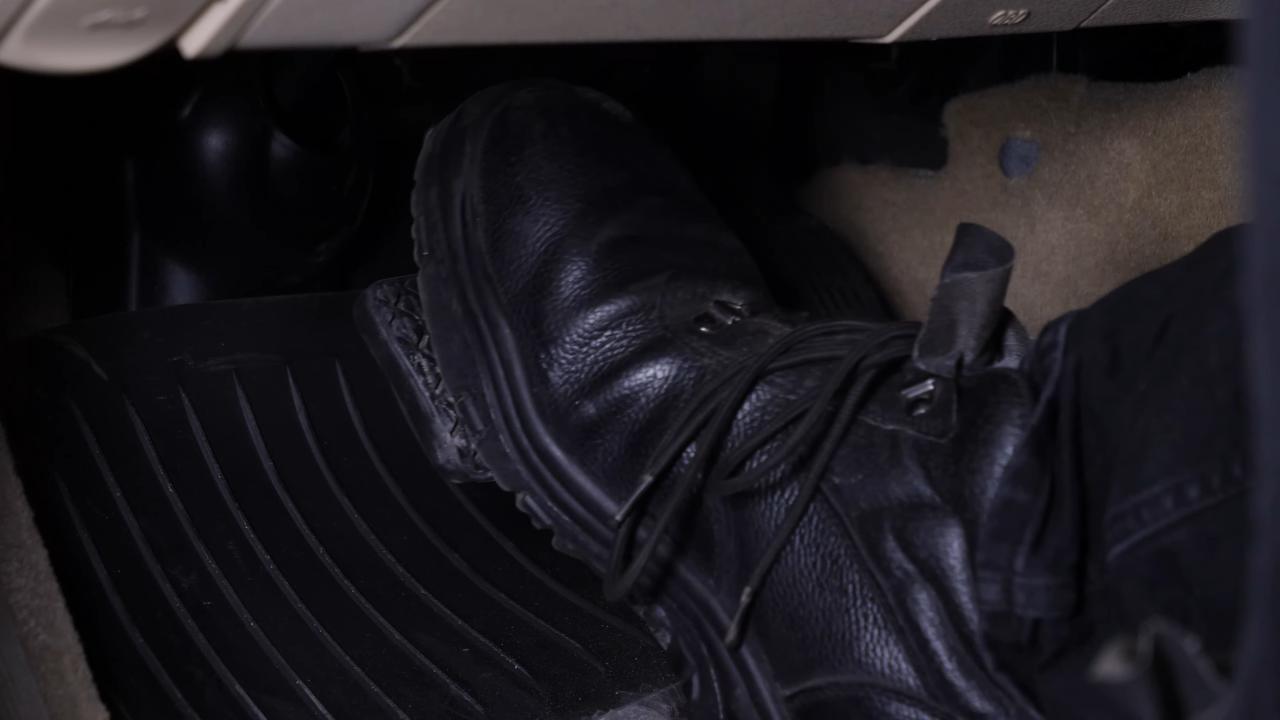
You can also use brake bleeder wrenches connected to a tube fitted with a non-return system, which prevents air from re-entering the circuit. With this tool, simply pump the brake pedal gently to evacuate the air from the system and replace the old fluid with new.

Chapter 5:
Step 3/4
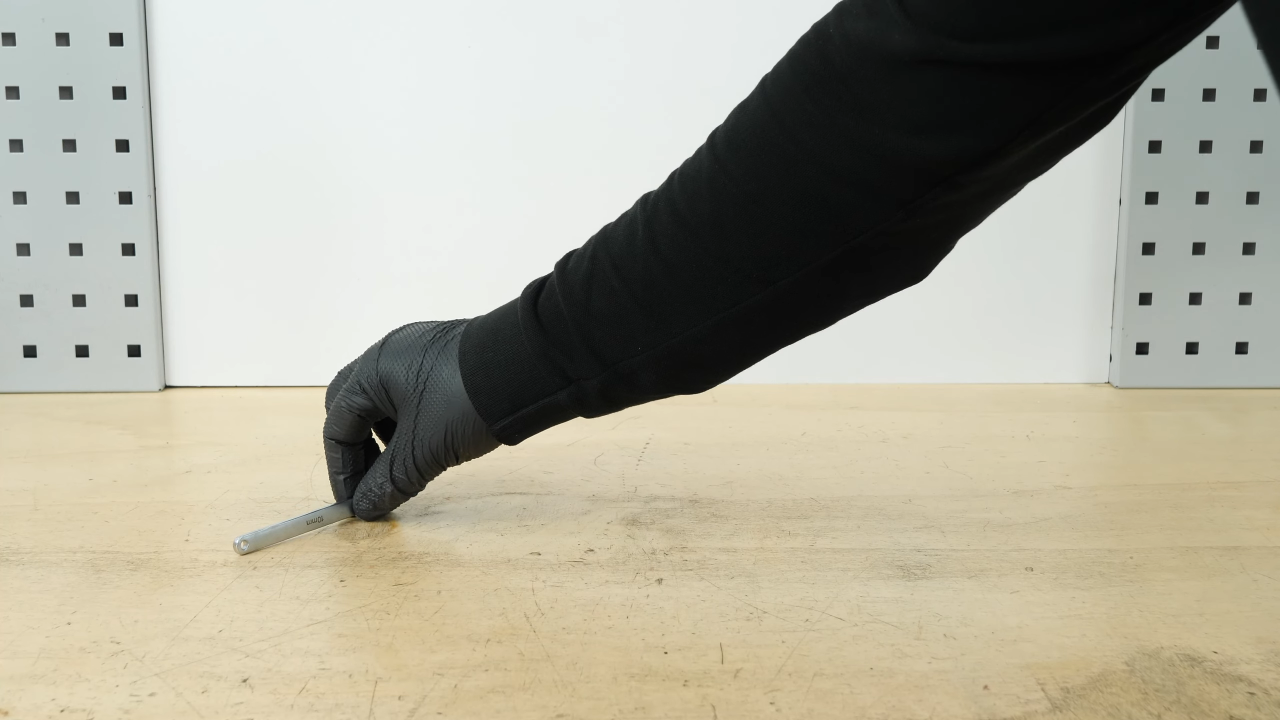
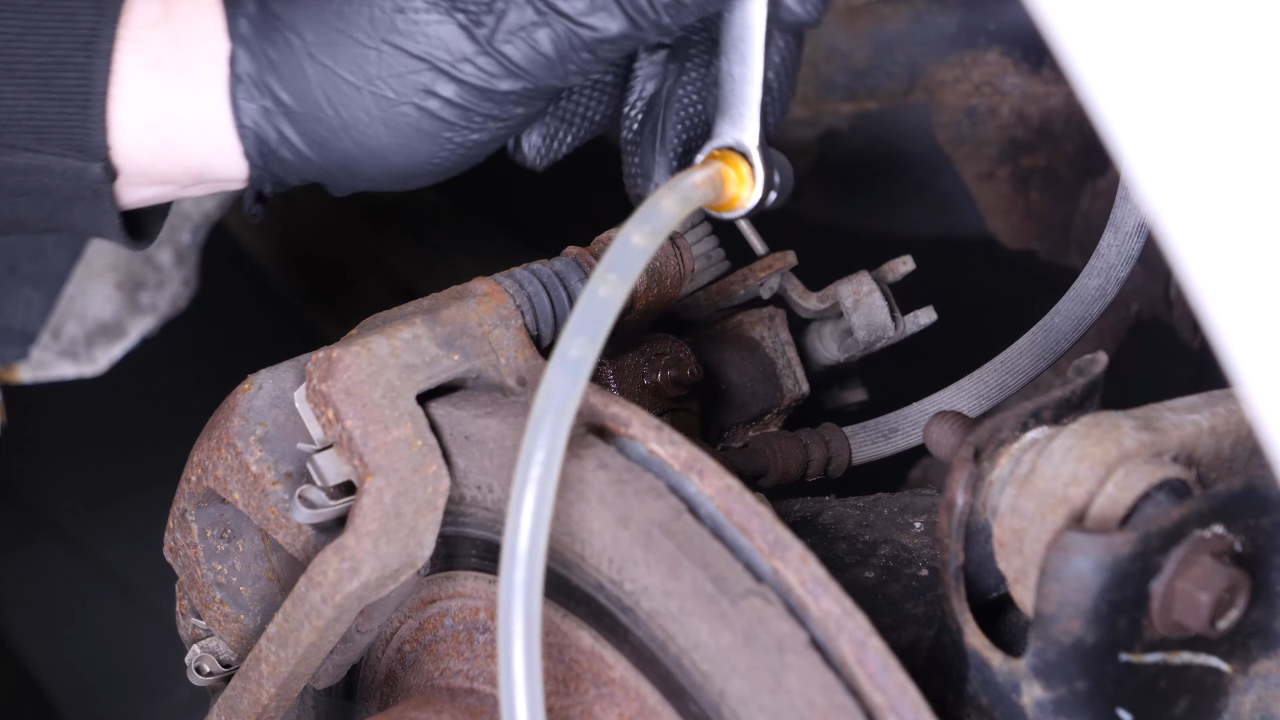
Once the circuit has been bled, close the bleeder and remove the tool.

Chapter 5:
Step 4/4
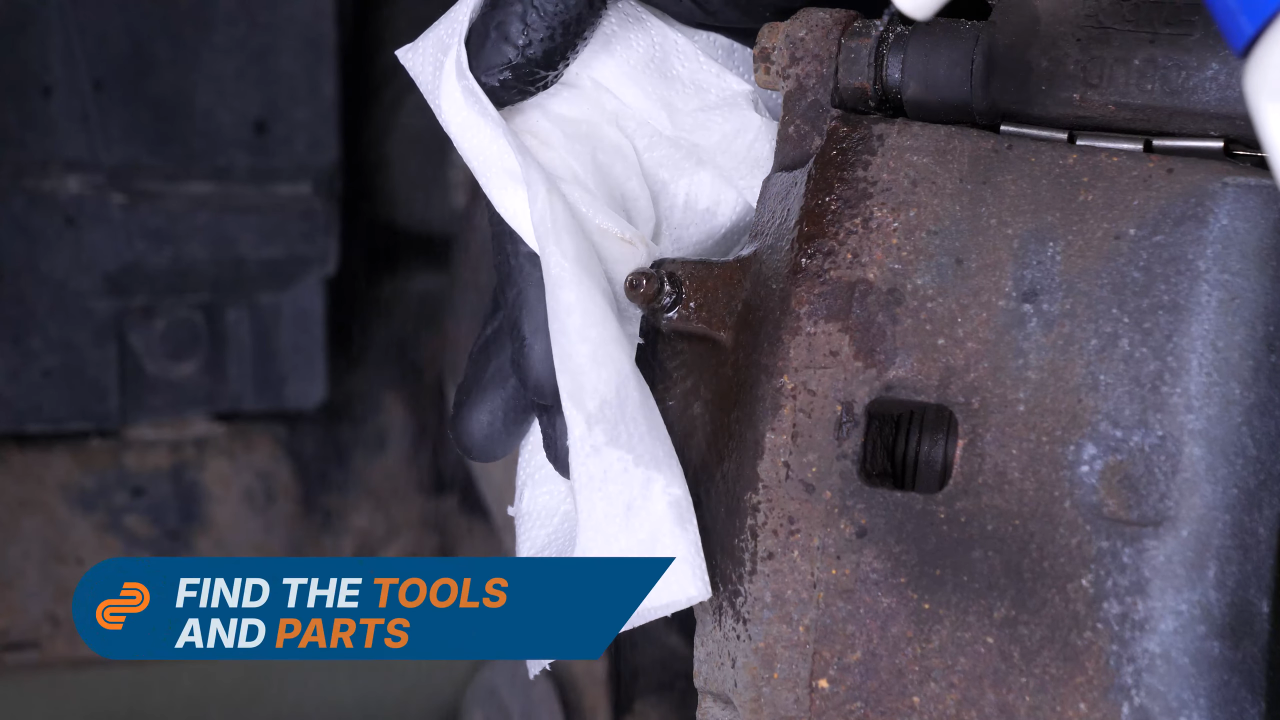
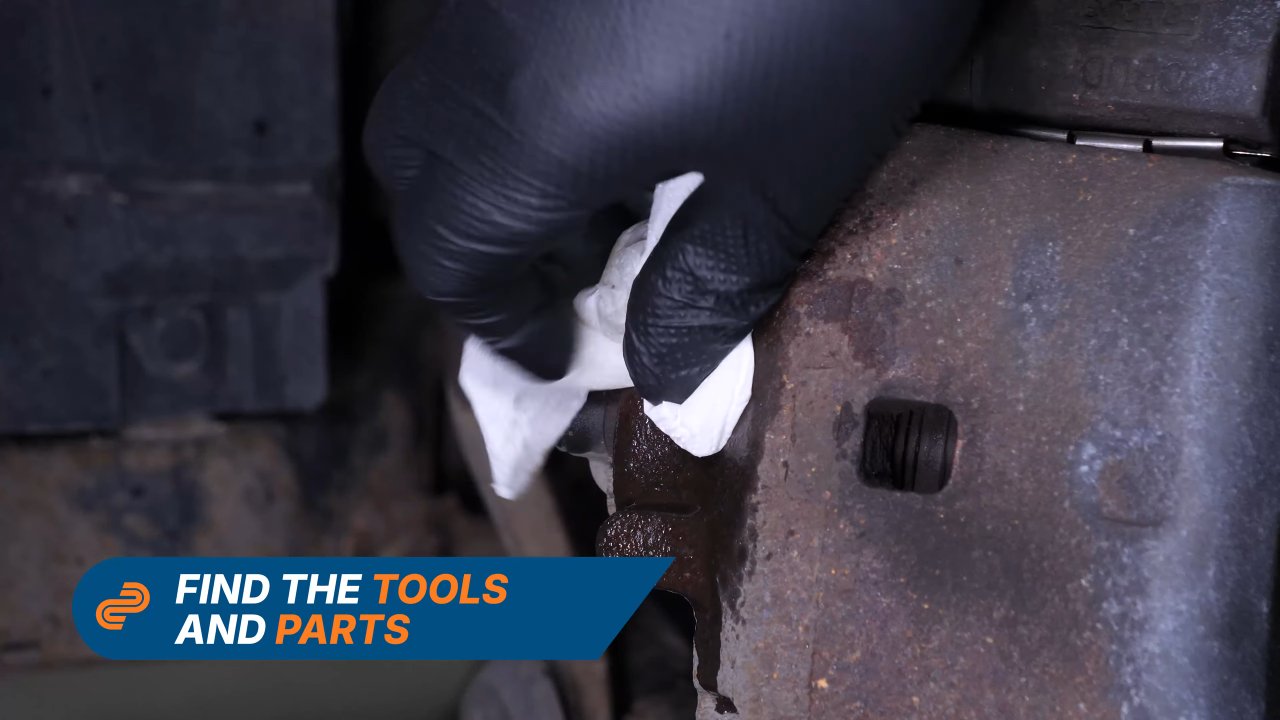
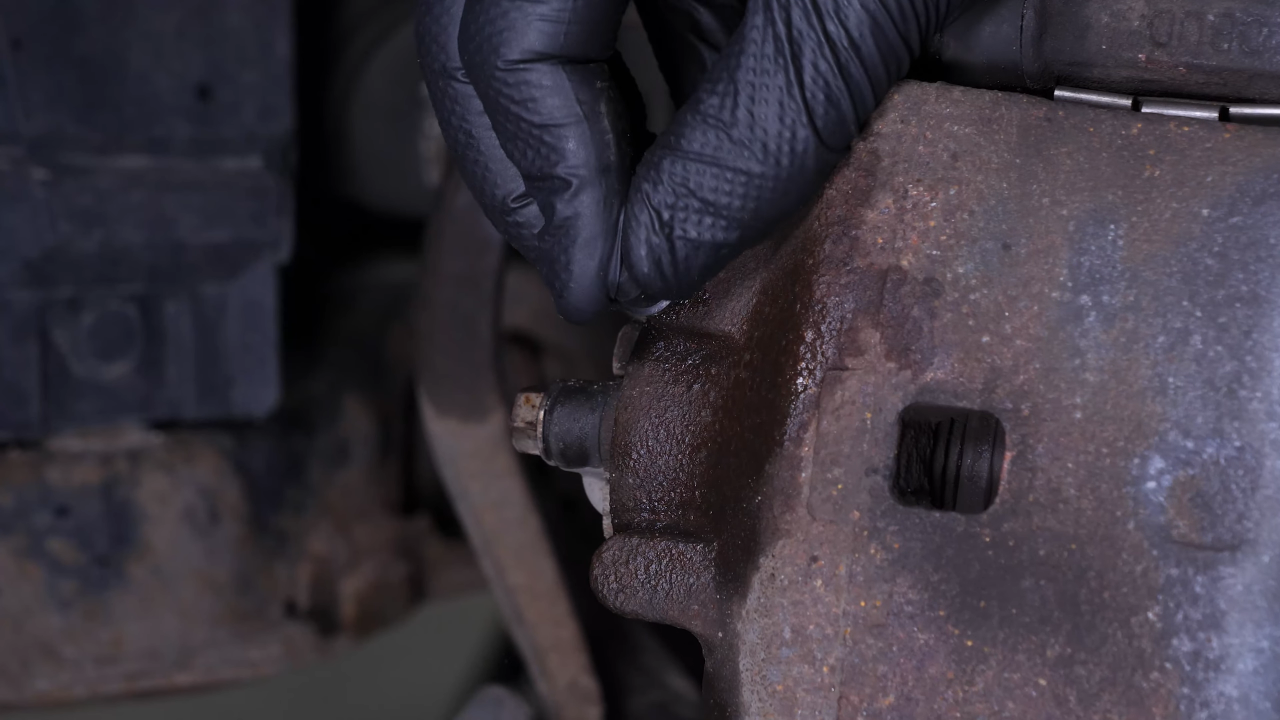
Don’t forget to clean the parts around the bleeder with brake cleaner to remove all traces of brake fluid.

Chapter 6:
The front bleeder
Step 1/4
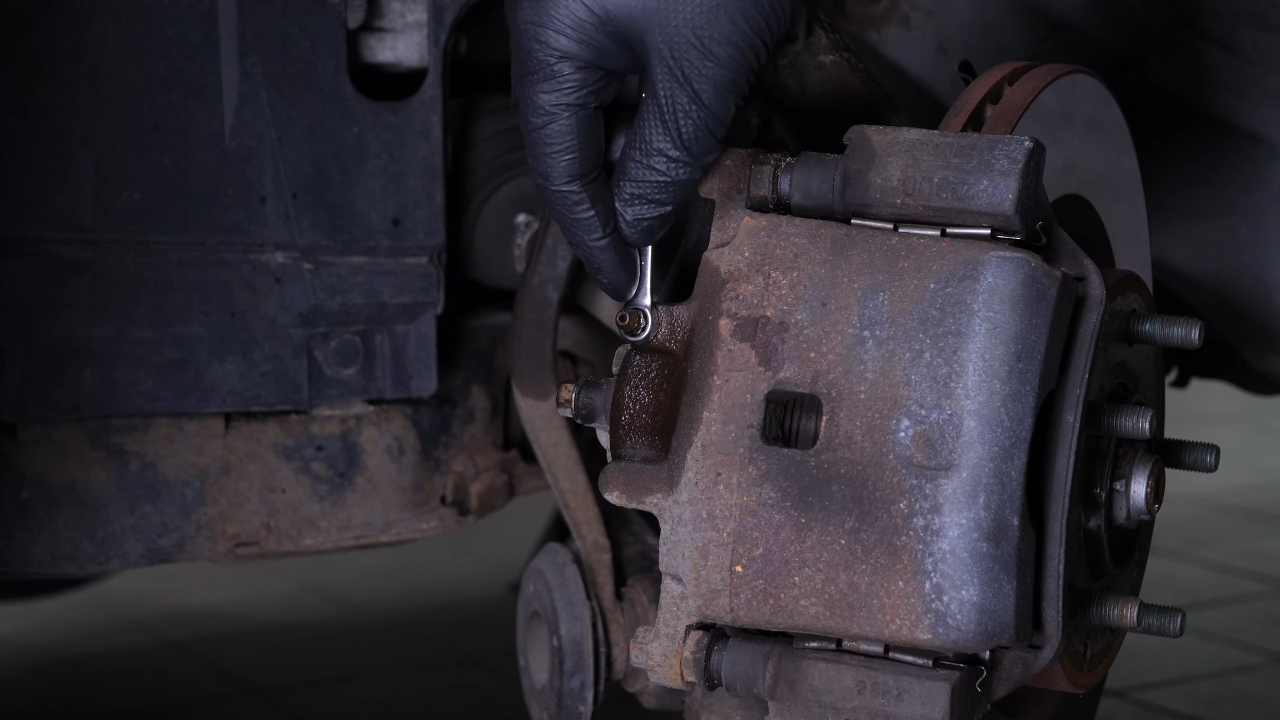
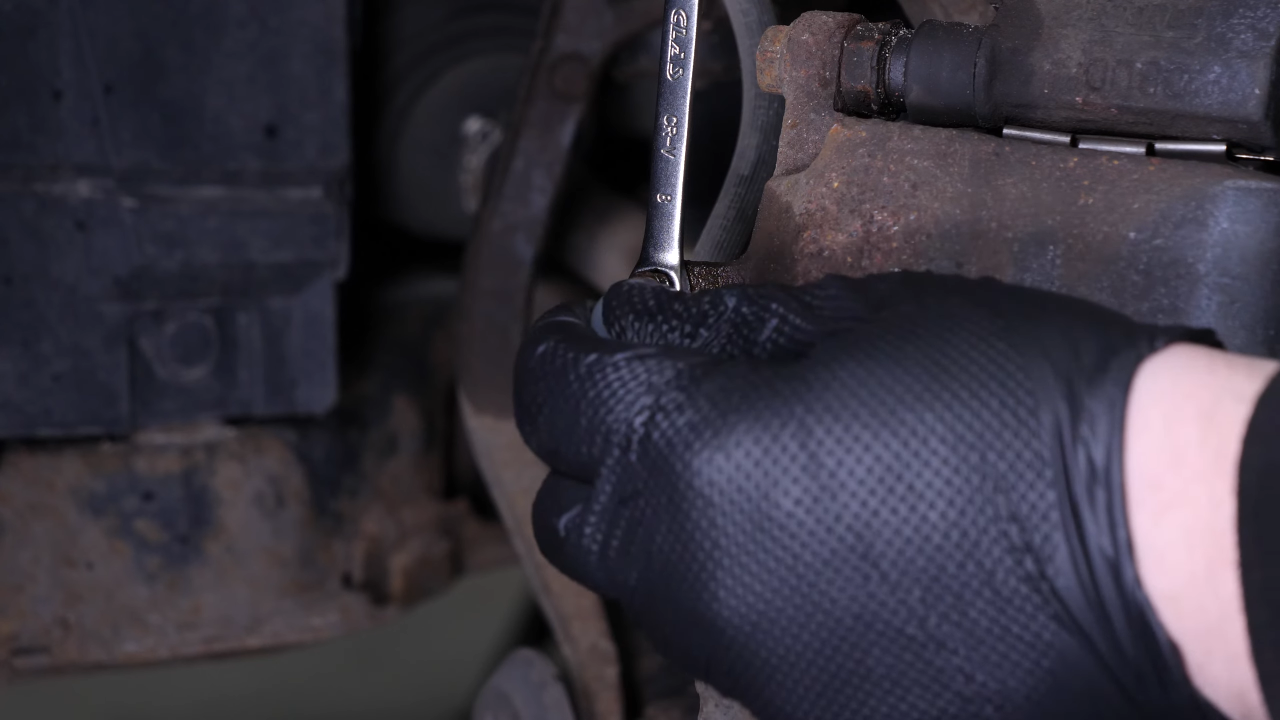
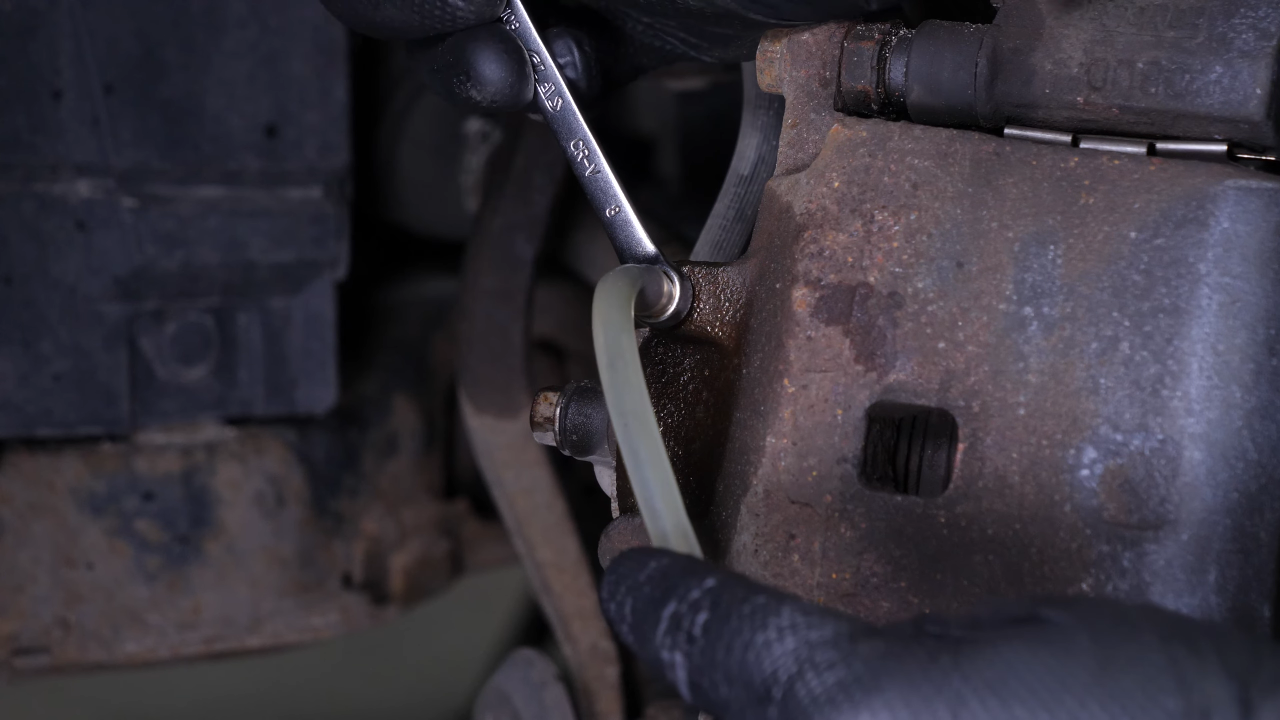
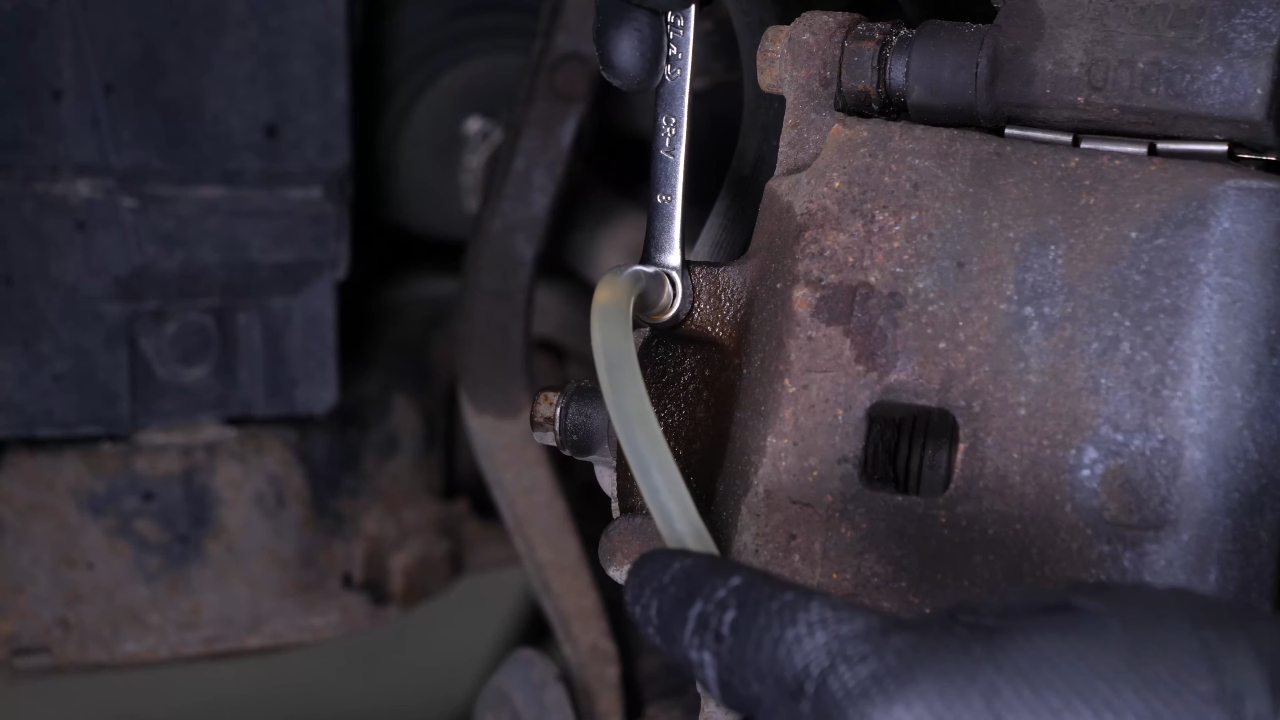
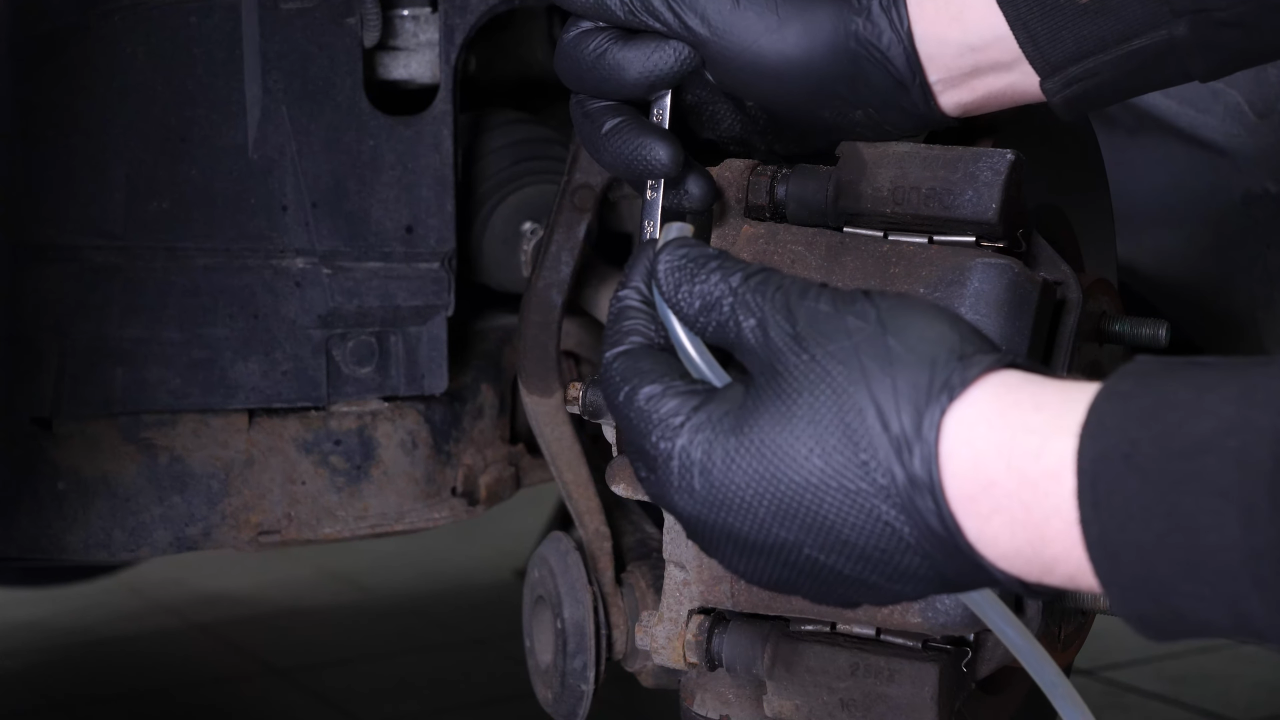
For the front calipers, position a 8 mm wrench on the bleeder. Then connect the other end of the tube to the bleeder.
Chapter 6:
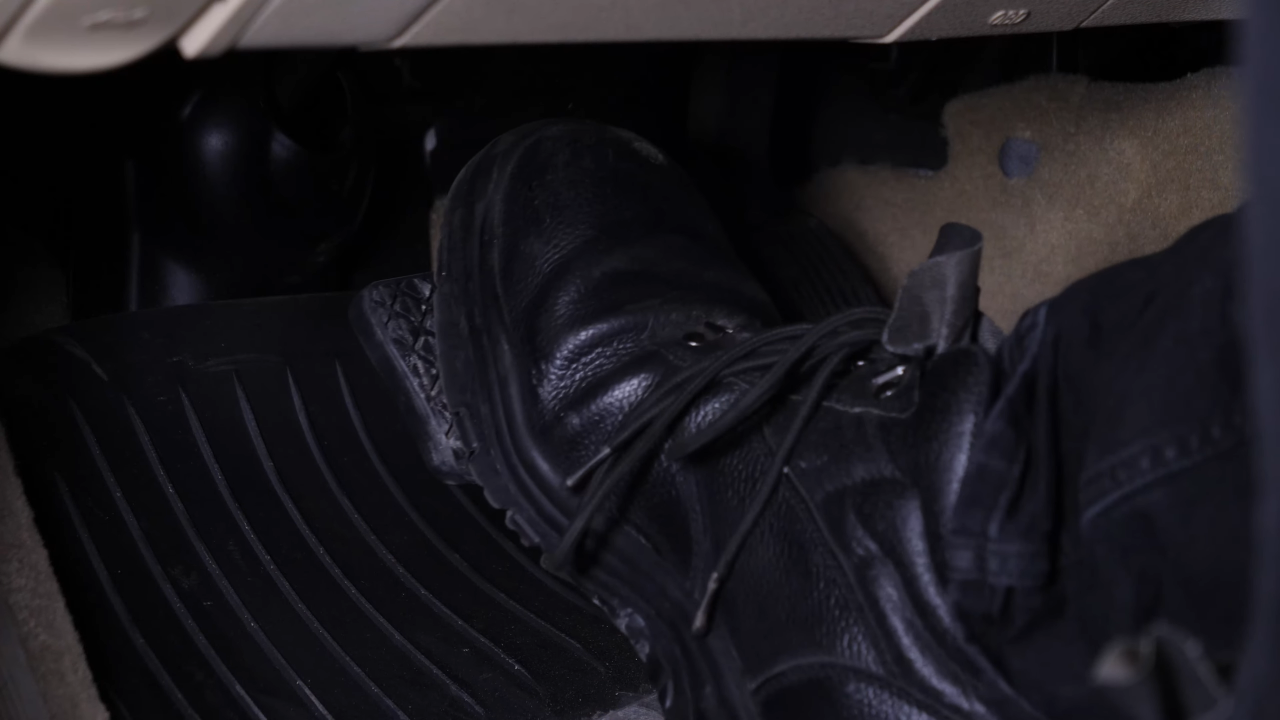
Step 2/4
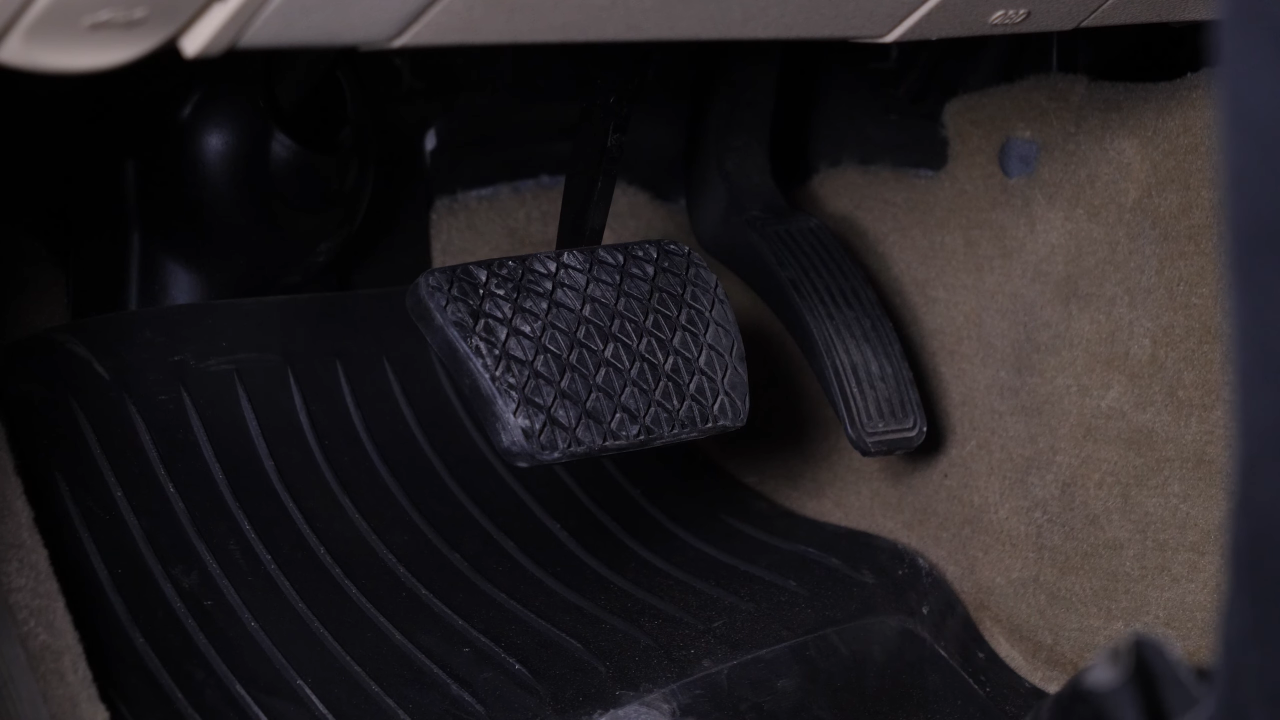
Before opening the bleeder, gently pump the brake pedal a few times to pressurize the system. Once the pedal is hard, hold it down.
Chapter 6:
Step 3/4
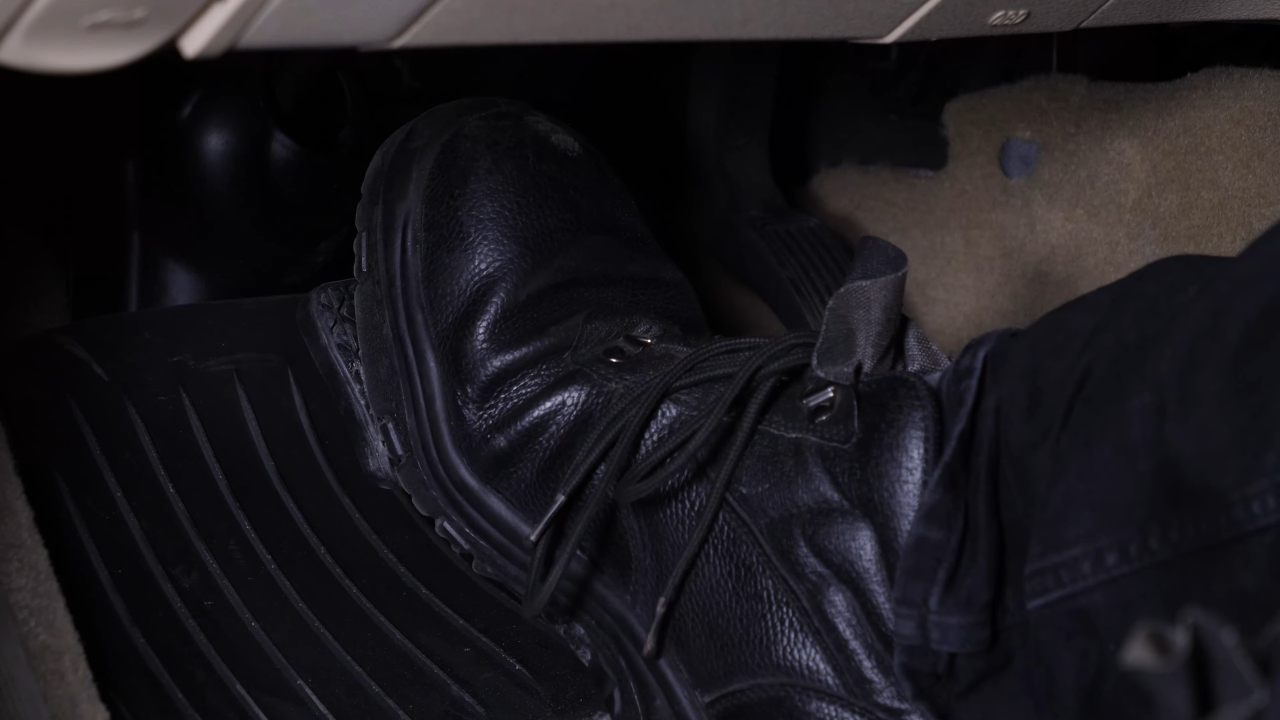
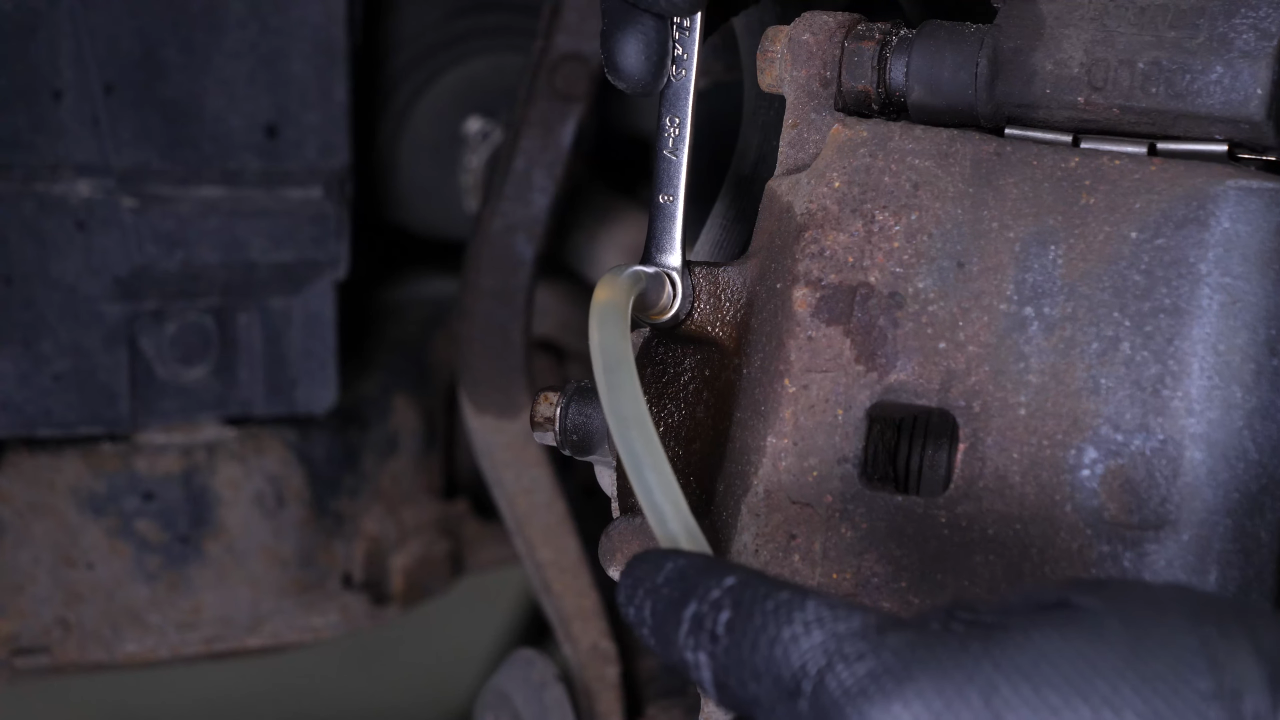
At this time, open the bleeder to let the brake fluid drain. As fluid escapes from the bleeder, the pedal is depressed.

Chapter 6:
Step 4/4
Only when the bleeder is closed can you release the brake pedal.
Chapter 7:
Tips
Step 1/1
Repeat this operation until there is no more air in the system. It is important to regularly add brake fluid to the reservoir to prevent air from entering the master cylinder. When a clear, bubble-free liquid flows out, all you have to do is close the bleeder and disconnect the tool.



Chapter 8:
Clean
Step 1/1
Don’t forget to clean the parts around the bleeder with brake cleaner to remove all traces of brake fluid.
Chapter 9:
Safety tips
Step 1/4
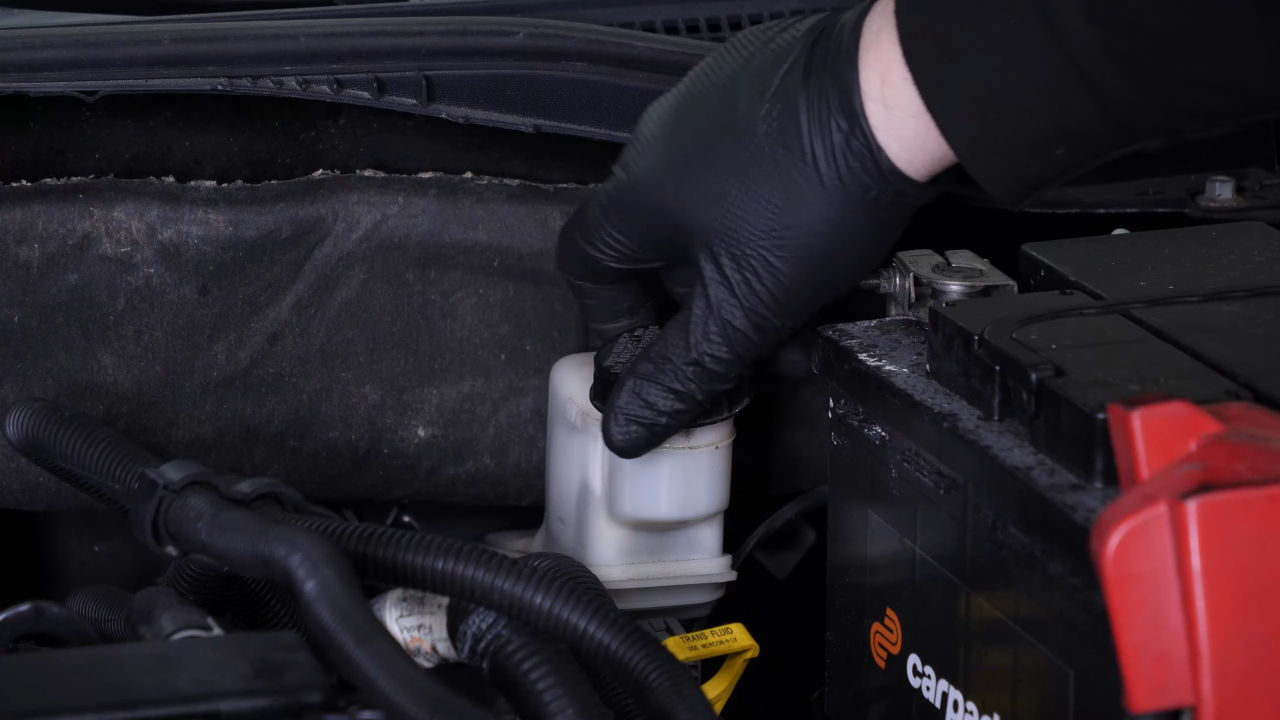
Once all four wheels have been purged, fill the reservoir with new fluid to the maximum level.

Chapter 9:
Step 2/4
Once the bleeding is done, check that your brakes are working properly. The brake pedal should feel hard when pumped without being spongy.
Chapter 9:
Step 3/4
Warning: If you have any concern about the effectiveness of your braking system, if the brake pedal remains soft after several bleedings, or if the BRAKE or ANTI-LOCK indicator remains illuminated, do not use the vehicle and have it checked by a garage.

Chapter 9:
Step 4/4
Operation complete.