Key takeaways
- There are two ways to gain cargo space: add carrying capacity outside the cabin, or organize and secure the space you already have.
- Roof and hitch-mounted carriers add the most room; bike racks free up the trunk and back seat.
- Organizers, nets, tie-downs, and bed extenders help you use every inch and keep a load from shifting.
- Match any carrier to your vehicle’s weight limit and mounting points, and remember that roof loads add drag and height.
Running out of room is one of the most common frustrations for road trippers, campers, and anyone hauling gear. The good news is you do not need a bigger vehicle to carry more. With the right accessories you can add carrying capacity outside the cabin and make far better use of the space you already have. This guide covers the accessories that expand cargo room, the ones that help you organize and secure a load, and how to choose the right setup for your vehicle.
Add Cargo Space With External Carriers
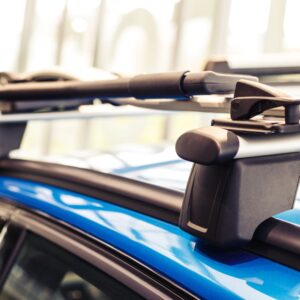
Roof racks and rooftop cargo boxes

A roof rack turns the top of your vehicle into usable space for a cargo box, basket, or bag, which is ideal for luggage, camping gear, and bulky, lightweight items. Before you load the roof, it helps to know the trade-offs: see Eight Factors to Consider Before Buying a Rooftop Cargo Carrier, and keep in mind that a loaded roof adds drag, so read Does Your Car’s Roof Rack Affect Its Gas Mileage? before a long trip.
Hitch-mounted cargo carriers and baskets
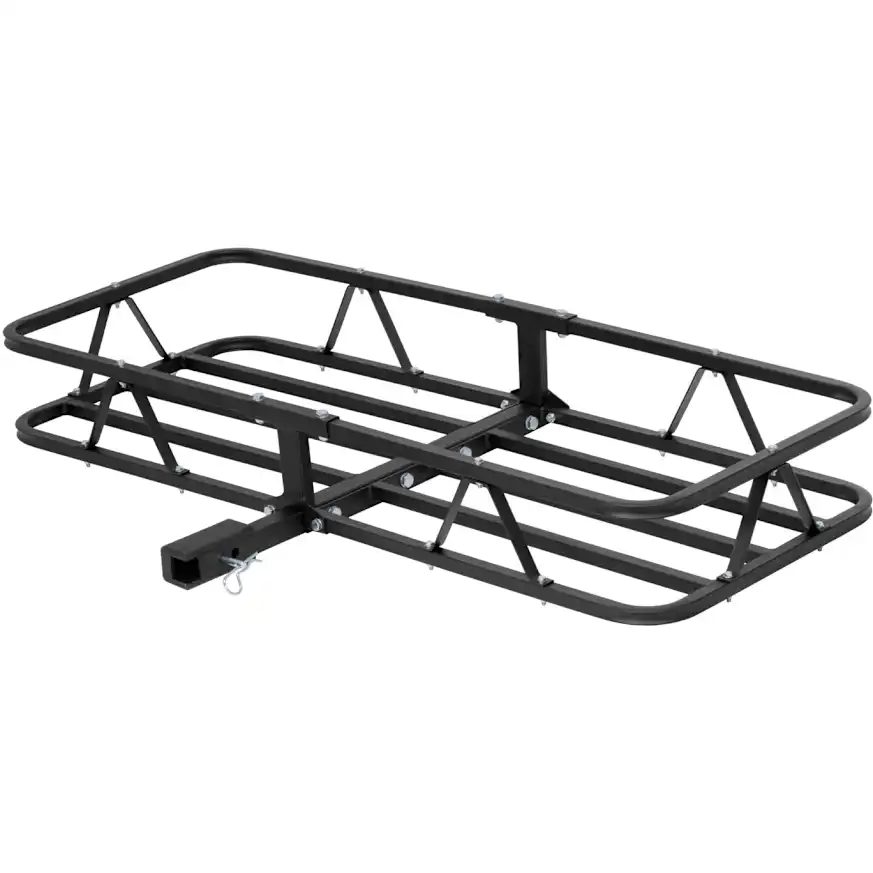
A hitch cargo carrier slides into your receiver and holds a basket or box behind the vehicle, which keeps dirty or bulky gear out of the cabin and loads at waist height instead of overhead. If you are building out a receiver setup, see 8 Trailer Hitch Accessories That Will Make Your Life Easier and Different Hitches on a Car, Explained.
Truck bed racks
For pickups, a bed rack adds a second level over the bed for kayaks, lumber, ladders, or a rooftop tent. Styles range from low economy racks to full contractor and headache racks that also protect the cab, so pick one that matches how you load and what you haul.
Bike racks
Carrying bikes on a dedicated rack frees up the trunk and back seat for everything else. Hitch-mounted racks carry the most bikes and load low, roof-mounted racks keep the rear clear, and trunk-strap racks are the budget option for occasional use.
Get More Out of the Space You Have
Organizers, cargo nets, and bags
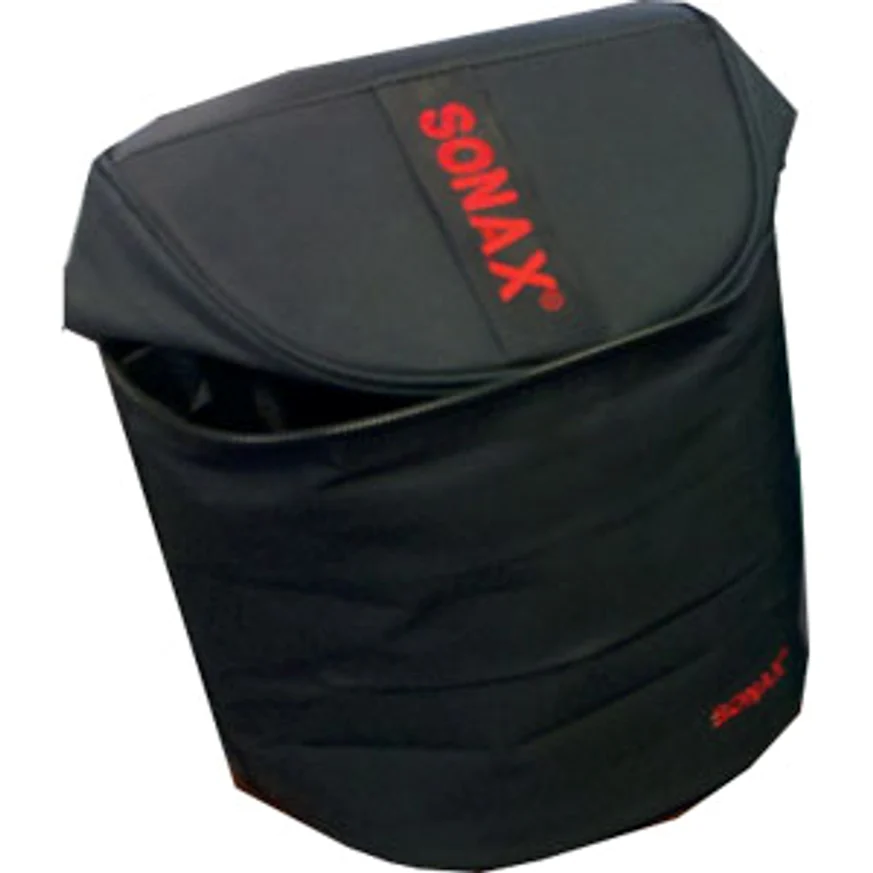
Collapsible organizers, cargo nets, and weatherproof cargo bags corral loose items so they stop sliding around and swallowing space. A cargo net over a bed or trunk keeps light items from flying out, and a rooftop or hitch bag adds soft-sided capacity you can pack flat when it is not in use.
Tie-downs, straps, and anchors
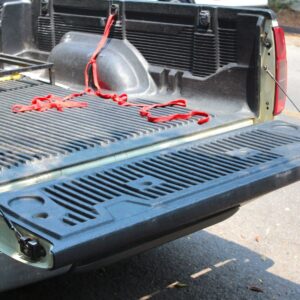
Ratchet straps and cargo tie-down anchors lock a load in place so nothing shifts in transit, which protects both your cargo and your interior. Anchors mount to the bed or trunk and give you fixed points to strap against.
Bed extenders
A bed extender flips out past the tailgate to add length for long loads like lumber, kayaks, or bikes, turning an open tailgate into usable bed space.
Bed liners and cargo mats
A bed liner or cargo mat protects the surface and adds grip so gear does not slide, which makes the space you have more usable. New to liners? Start with A Beginner’s Guide to Truck Bed Liners.
Spare tire carriers
Relocating the spare with a dedicated carrier frees up trunk or bed space you can put toward cargo instead. See How to Install a Spare Tire Carrier for a truck or SUV setup.
How To Choose the Right Cargo Setup
Weigh these before you buy:
- Weight capacity. Check both the accessory’s rating and your vehicle’s roof, hitch, or bed limits, and do not exceed the lower of the two.
- Vehicle compatibility. Confirm your mounting points: roof rails or crossbars, hitch class and receiver size, or bed type. Use a year/make/model lookup to be sure.
- Weather and security. A locking, hard-sided box protects gear from weather and theft; an open basket is cheaper and easier to load but leaves cargo exposed.
- Fuel economy and clearance. Roof loads add drag and height, so watch garage and drive-through clearance and expect a small mileage hit.
- Ease of loading. Hitch carriers load low and near waist height; roof setups free up rear access but ask you to lift overhead.
Cargo Space FAQ
Add an external carrier such as a roof rack, rooftop box, or hitch cargo carrier, and use organizers, nets, and tie-downs to make better use of the space you already have.
They can, because a loaded roof adds aerodynamic drag. A hitch carrier usually affects mileage less, and removing a roof box when it is not in use helps.
A roof box keeps the rear clear and locks up tight; a hitch carrier loads lower and is easier to reach. Choose based on what you haul and how you like to load.
It depends on your vehicle’s dynamic roof rating and the rack itself. Always use the lower of the two limits, and check your owner’s manual for the roof number.
Most hitch carriers are universal for a given receiver size, and roof gear depends on your rails or crossbars. Confirm the fit with a year/make/model lookup before you buy.
You can find roof racks and cargo carriers, plus truck bed and tailgate accessories, for most vehicles at CarParts.com. Enter your year, make, and model to see what fits, then build the setup that matches how you load and what you haul.
Keep Reading: Related Posts



Any information provided on this Website is for informational purposes only and is not intended to replace consultation with a professional mechanic. The accuracy and timeliness of the information may change from the time of publication.