Yes, you need windshield molding. It’s the rubber, plastic, or metal trim that wraps around the edge of your windshield, sealing the glass to your vehicle’s frame. Without it, water can seep into the cabin, wind noise jumps at highway speeds, and the windshield loses some of the structural support that keeps it bonded during a crash. Once yours starts cracking, drying out, or pulling away from the body, plan to address it sooner rather than later.
Key Takeaways:
- Windshield molding seals the gap between the glass and the frame, blocking water, dust, and wind.
- It protects the urethane bond that holds the windshield in place, which contributes to crash safety.
- Most moldings last three to five years before they need attention.
- Signs of failure include cabin leaks, whistling at highway speeds, and visible cracks or peeling.
- DIY replacement runs $10 to $70; professional work typically runs $150 to $400.
What Windshield Molding Is
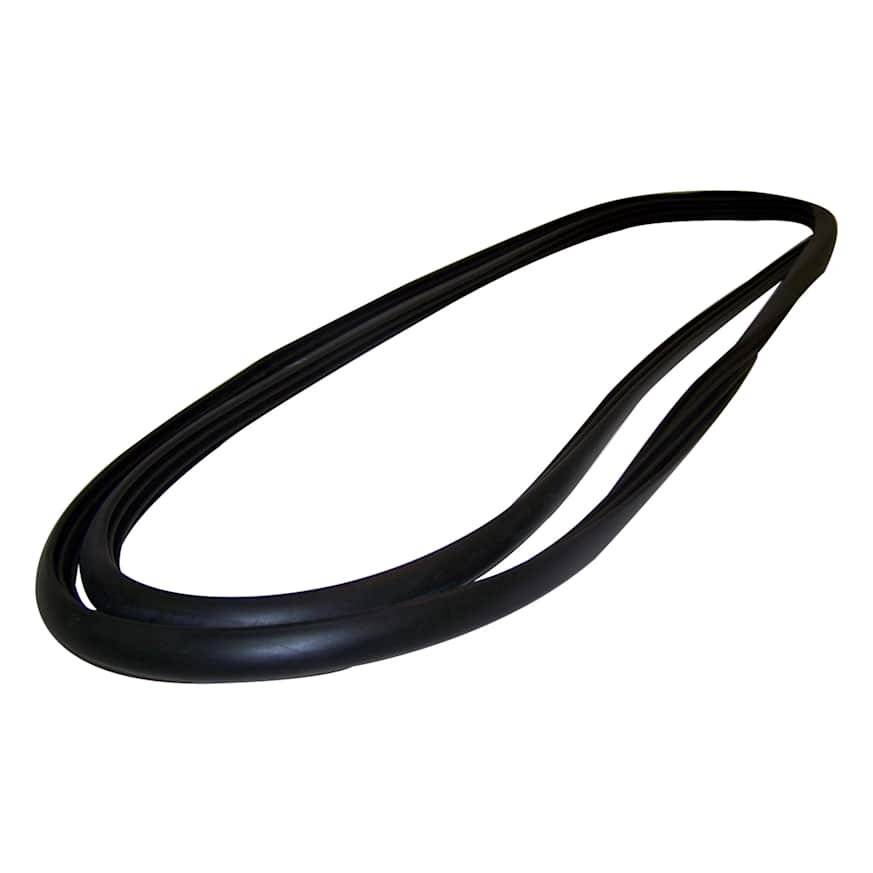
Car windshield molding is the strip of rubber, plastic, or metal that runs around the perimeter of your windshield, covering the seam where the glass meets the body. On most modern vehicles, it’s a flexible black rubber piece made from EPDM, a weather-resistant compound that handles UV, rain, and temperature swings without breaking down quickly. On classic or vintage cars, you’ll often find polished chrome or stainless steel trim instead.
The molding isn’t just cosmetic. It works alongside the urethane adhesive underneath to keep water out, dampen wind noise, and protect the glass-to-body bond. Without it, you’d see a raw edge of windshield meeting the body panel, with all the leak and vibration problems that come with an exposed seam.
Why It Matters
A few specific jobs make this trim worth paying attention to:
- Sealing: It blocks rain, road spray, and dust from reaching the cabin or the headliner. Even a small gap can soak a footwell during a heavy storm.
- Noise control: At highway speeds, exposed seams create whistling and turbulence. Intact molding cuts this noise significantly.
- Structural support: The windshield helps brace the roof during a rollover and provides a backstop for the passenger airbag. Molding contributes by protecting the urethane seal from moisture and UV.
- Debris protection: A clean, sealed edge resists rock chips and helps prevent small cracks from creeping toward the frame.
Putting off replacing damaged molding can lead to bigger problems like interior water damage, mold in carpets, rust along the pinch weld, and a windshield that may not perform the way it should in a collision. If you suspect the bond is compromised, a quick inspection from a glass shop is worth the time.
Types of Windshield Molding
Rubber (EPDM)
The most common type on modern cars. Flexible, weather-resistant, and relatively cheap to source. It works similarly to the weatherstrip seals used around doors and other openings, and usually fits with adhesive or sits in a press-fit channel along the windshield edge.
Plastic
A rigid plastic trim that clips into place. More resistant to dents and scrapes than rubber, and often found on trucks and SUVs with squared-off A-pillars — similar in construction to the side molding along the lower body panels.
Metal
Stainless steel or chrome strips that show up on classic and vintage vehicles. They look sharp but cost more and demand careful fitment to seal properly.
When To Replace It
Most moldings hold up for three to five years. Hot climates and constant UV exposure shorten this window. Here are the signs that yours has reached the end of its useful life:
- Water leaks inside the cabin after rain or a car wash
- Whistling or wind noise at highway speeds
- Visible cracks, brittleness, or peeling rubber
- Sections that have lifted or pulled away at the corners
- Discoloration that suggests the rubber is drying out
A cracked or detached strip lets water reach the urethane bond underneath, which weakens adhesion over time. If you spot any of these issues, plan to inspect and address them within a few weeks rather than letting them ride for months. If the glass itself is also damaged, weigh your repair versus replacement options before tackling the trim.

DIY or Professional Replacement
Windshield trim molding falls into two categories: replaceable strips that sit on top of the glass, and integrated trim that’s bonded to the windshield itself. Replaceable strips are a reasonable DIY project, but bonded trim usually isn’t.
For a DIY installation on a removable strip, the basic steps are the following:
- Carefully pry off the old molding without scratching the paint or glass.
- Clean the channel to remove old adhesive, debris, and grit.
- Dry-fit the new piece, starting at one corner and working around.
- Apply urethane sealant if the design calls for it.
- Press the strip into place and let any sealant cure per the product directions.
Parts run $10 to $70 depending on the brand and the vehicle. Professional replacement, including labor and sealant, typically runs $150 to $400. If your molding is bonded to the windshield, a shop is the safer call: removing it incorrectly can chip the glass, damage the paint, or compromise the seal.
One practical caution: never force or rip out stuck molding. Doing so can chip the glass edge or damage the surrounding paint. If a section is loose, secure it temporarily with painter’s tape until you can make the proper repair.
Windshield Molding Installation Tips
When you’re dealing with windshield molding, the real secret isn’t actually the rubber or plastic strip itself. It’s the glass-to-body channel, or the pinch weld, underneath.
Whether you are dealing with modern flush-mount encapsulated glass or a classic chrome-trimmed setup, how you prep the channel plays a major role in whether the installation remains secure and leak-free over time.
Here is professional-grade advice and best practices for working with windshield molding.
Safety & Glass Protection First
Before touching any tools, remember that windshield edges can be vulnerable to chips and cracks. A slip of a metal tool can chip the glass or scratch the pinch weld, creating a point where a crack can start later or exposing bare metal to corrosion.
Tape the Glass Edge: Run a layer of heavy-duty masking tape or painter’s tape along the edge of the glass where you’ll be working. The tape can help guard against light scratches from a slipping trim tool or scraper, but it won’t prevent glass damage from a hard impact.
Tape the Painted Body: Protect the A-pillars and roof edge with multiple layers of painter’s tape or another paint-safe masking product. Pulling old molding or clips can require leverage, and a slipped tool can gouge the paint and expose bare metal.
Modern Press-Fit or Underside Rubber Molding (EPDM)
On modern vehicles, the molding may be a “T” style or underside design that is installed onto the glass before the windshield is bonded into the car, while other designs press or clip into a specific gap after installation. Follow the vehicle-specific procedure because molding attachment varies considerably.
Mind the Temperature: EPDM rubber becomes stiffer in cold conditions and more pliable as temperature rises. Avoid installing molding when it is extremely cold because it can be difficult to seat properly and may pucker at the corners. If you’re working in a cool shop, allow the molding to warm to a suitable working temperature according to the product instructions before installation.
Never Stretch the Corners: When putting flexible molding around a sharp corner, it is tempting to pull it tight to make it fit. Don’t. Stretched rubber wants to return toward its original length. Over repeated heat cycles, a stretched corner can lift or pull away and create a whistle point at highway speeds. Push the molding into the corners with a slight amount of slack.
How To Make Your Molding Last
A few habits keep the rubber in good shape:
- Wash the trim regularly with mild soap and water, not petroleum-based cleaners.
- Apply a UV protectant spray every two to three months in sunny climates.
- Avoid picking at edges or corners, even when the rubber looks loose.
- Park in shade when possible to slow UV breakdown.
- Replace worn wiper blades promptly, since stiff or torn rubber can drag across the molding edge and accelerate wear.
These small steps can add a couple of years to the molding’s life and keep the seal tight. The same logic applies to other trim pieces on your vehicle, like tailgate molding — regular care delays the day you’ll have to swap it out.
FAQ
Can I drive with damaged windshield molding?
You can drive short distances, but don’t put a fix off for long. A loose or cracked strip lets water reach the urethane bond, which can lead to interior damage and weaken the glass’s attachment over time.
Does windshield molding affect safety?
Yes, indirectly. The molding protects the urethane that holds the windshield in place, and the windshield itself supports the roof in a rollover and braces the passenger airbag. Compromised molding doesn’t fail safety systems on its own, but it can shorten the life of the bond that holds everything together.
How long does windshield molding last?
Three to five years for most vehicles. UV exposure, harsh car wash chemicals, and extreme temperature swings can shorten this window.
Can I replace just the molding without replacing the windshield?
Often yes, if the trim is a separate piece that sits on top of the glass. If the molding is bonded directly to the windshield, replacing it usually means removing the glass, which is a job for a shop.
Why does my windshield whistle at highway speeds?
A gap in the molding is the most common cause. Cracked, lifted, or missing trim creates turbulence as air rushes past the seam. Inspect the perimeter and reseal or replace as needed.A small strip of rubber doesn’t get much attention, but it does real work keeping water out, noise down, and the glass right where it belongs. If yours is cracked, leaking, or lifting, fixing it now is far cheaper than dealing with water damage or a compromised windshield down the road. Browse CarParts.com for replacement moldings, urethane sealants, and trim tools to tackle the job at home or get ready for a professional installation.
Keep Reading: Related Posts





Any information provided on this Website is for informational purposes only and is not intended to replace consultation with a professional mechanic. The accuracy and timeliness of the information may change from the time of publication.