You might already know that your vehicle needs a spare tire carrier. The harder part is choosing the version that actually matches your truck, van, or SUV, because two listings can carry the same name and still bolt up differently, hold the tire differently, or leave out the exact piece that failed on your vehicle.
Spare tire carriers come in more variants than most shoppers expect. Some are winch-and-cable hoist assemblies that lower the tire from underneath the body. Others are direct-fit mechanisms built for one specific vehicle’s mounting points and seating configuration. A carrier that looks almost identical in a thumbnail can be the wrong fit because of where the tire mounts, how it’s raised and lowered, or whether your van was built with a particular seating package.
This article is a pre-order confidence check. It walks through the fitment, version, and inclusion details that decide which listing belongs in your cart, so that you don’t end up with a carrier that’s close but not correct.

How Do You Choose the Right Spare Tire Carrier?
To choose the right spare tire carrier, start by confirming your vehicle’s year, make, model, and any submodel or seating-package details that affect the mounting setup. Then decide whether you need a winch-style cable hoist that lowers the tire from under the body or a direct-fit carrier built for your specific vehicle’s mounting points. Check the material and whether the listing is a complete assembly or just the failed component. Once fitment and version are settled, compare available brands and confirm what comes in the box before adding it to cart.
Start With the Vehicle, Not the Product Image
Start with your vehicle, not the thumbnail. Carrier listings can look interchangeable in a small product photo, but the mounting geometry and lowering mechanism are what determine fit, and those details rarely show up clearly in an image.
Confirm these details before you commit to a listing:
- Year, make, and model: the foundation of fitment for any carrier
- Submodel or trim: especially relevant for vans and trucks with different rear-mount setups
- Body style and bed or cargo configuration: affects where and how the carrier mounts
- Seating package: some minivan carriers are built specifically for or against a fold-flat seating option, and the listing will note this distinction
- Original mounting style: under-body hoist versus a fixed direct-fit mount
For spare tire carriers, the seating and submodel details matter more than they would for most parts. A listing may be correct for the model year but built for a different interior configuration, so read the listing notes closely where they call out a specific seating setup.
Identify the Version Your Repair Actually Needs
Two spare tire carriers can share the same name and still solve different ordering problems. The biggest split in this category is between hoist-style winch carriers and direct-fit carriers.
- Winch carrier hoist: a cable-and-gear mechanism that lowers and raises the spare from beneath the vehicle. These are common replacement parts when the cable, gear, or winch mechanism has seized or snapped. Listings in this style are often built to cover a range of applications rather than one exact vehicle.
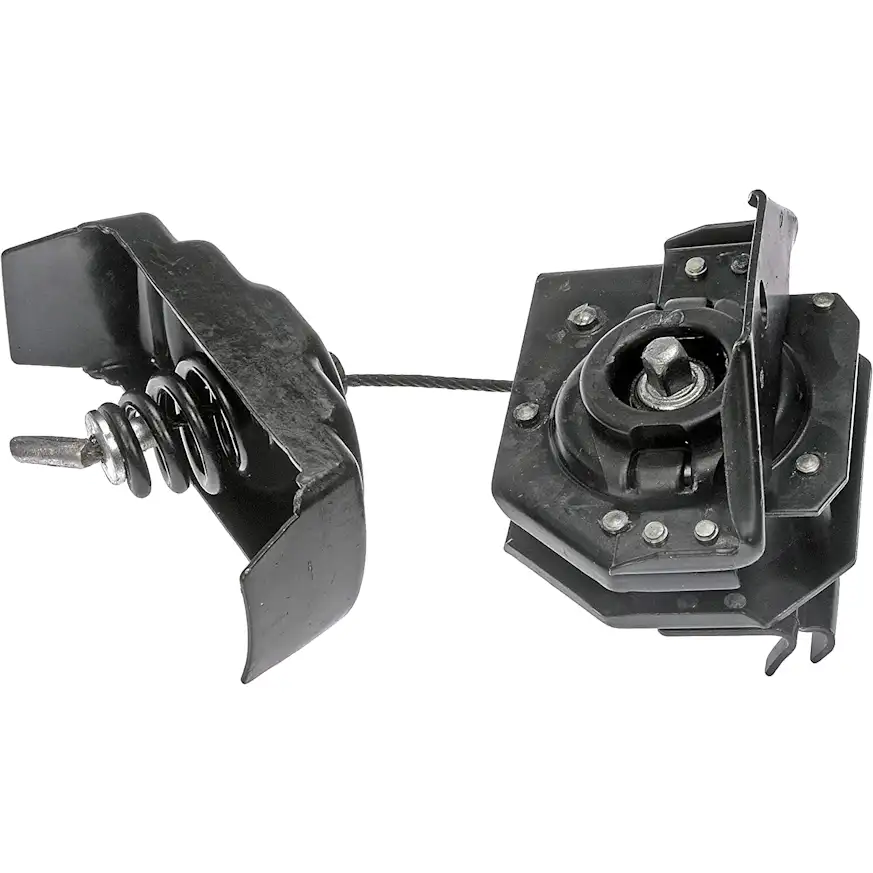
- Direct-fit carrier: a carrier engineered for one vehicle’s mounting points and configuration. These tend to be a closer one-to-one match for the factory part and are usually sold individually.
- Complete mechanism vs. component: confirm whether you’re buying the full hoist assembly or only part of it, so that you don’t order a piece that doesn’t address what actually failed.
If your factory setup uses an under-body hoist, a direct-fit carrier built for a different mounting style won’t solve the problem, and vice versa. Match the mechanism type first, then the application. If you’re not sure how the unit comes apart and mounts, it helps to review how to install a spare tire carrier before ordering.
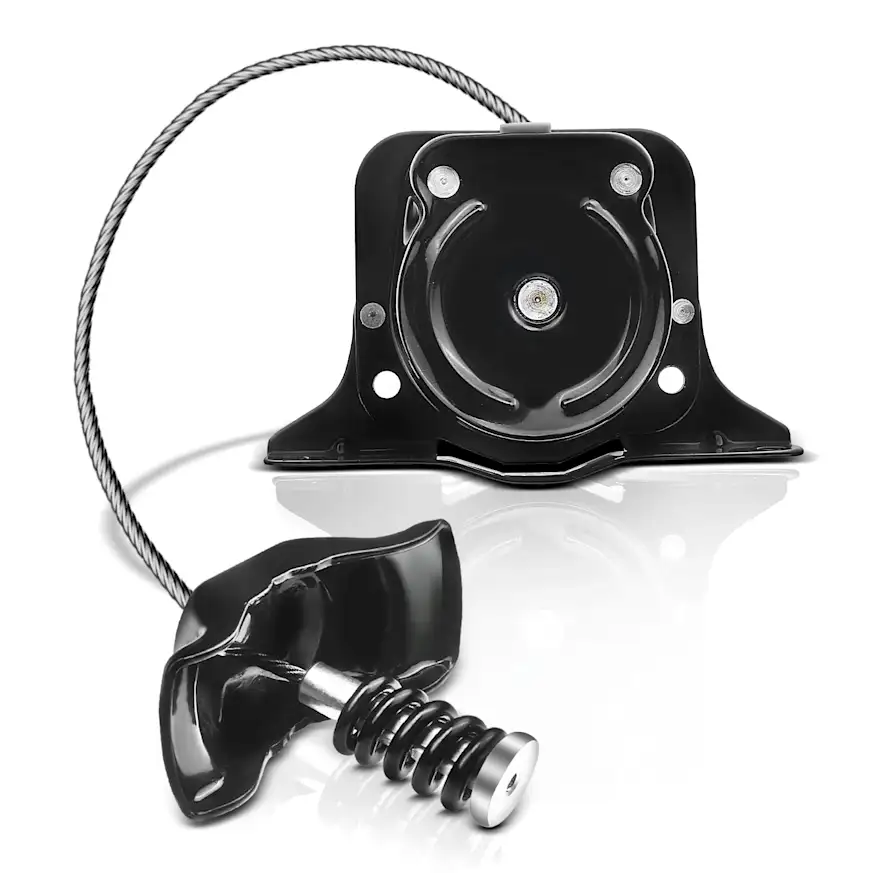
Compare the Details That Make the Part Fit
Use the product image as a starting point, not as the whole match. The photo confirms the general style, but the fit lives in the details you can check against your original carrier.
Compare these points before ordering:
- Mounting bracket and bolt locations: the carrier has to line up with your vehicle’s existing mount points
- Cable length and routing (for hoist styles): too short or too long changes how the tire raises and seats
- Gear and winch mechanism shape: confirm the drive mechanism matches how your factory unit operates
- Tire seat or cradle design: the carrier must hold your spare’s size and wheel type securely
- Overall length and reach: especially for direct-fit carriers that tuck into a specific space
If you can access your old carrier, photograph the mount points and mechanism and compare them against the listing’s specifications and notes. This comparison is the single best way to avoid a wrong-part order in this category.
Check What Comes in the Box
A listing can be correct for your vehicle and still be incomplete for your repair. Fitment and completeness are separate issues, and spare tire carriers vary in what they include.
Confirm whether the listing comes with:
- The complete hoist mechanism (winch, cable, and gear) or only the carrier portion
- Mounting hardware and brackets
- Any retainers or clips needed to secure the assembly
Some listings are the full winch carrier hoist, while others are direct-fit carriers sold individually that assume you’ll reuse certain hardware. If the listing doesn’t include a bolt, bracket, or retainer you need, plan to source this companion piece so that the installation isn’t held up. On a vehicle where the carrier mounts to a rear bumper structure, it’s worth checking the condition of the bumper reinforcement at the same time. Read the specifications and product notes to confirm exactly what’s in the box before you decide.

Compare Brands After You Confirm Fitment
Brand matters, but it shouldn’t be the first filter. A familiar brand name doesn’t make the wrong mechanism style or seating configuration correct for your vehicle.
On CarParts.com you’ll commonly see carriers from brands like A-Premium and Crown in this category. A-Premium listings tend to cover winch carrier hoist styles across a range of applications, while a brand like Crown often offers direct-fit carriers built for a specific vehicle. The right choice depends on which version your vehicle actually uses, not on the name alone.
Use brand as a confidence filter after the fitment details are settled. The better question isn’t “Which spare tire carrier brand is best?” It’s “Which brand offers the correct carrier style and configuration for my vehicle and repair?”
Choose the Right Ownership Lane
The right spare tire carrier isn’t always the most expensive one. It’s the one that matches how your vehicle mounts the spare and how long you need the repair to hold.
- Basic Functional Replacement: best for an older or higher-mileage vehicle where you mainly need a working hoist again. A standard winch carrier hoist that covers your application secures the spare without overspending. Don’t underbuy on material if the carrier is exposed to road spray and corrosion.
- Standard Replacement: best for a daily-driven truck or van you plan to keep. Match the mechanism style and material to your factory setup, and confirm the application closely. Brand preference can come into play here once fitment is settled.
- Direct-Fit Keeper Choice: best when you want the closest match to the factory part and plan to keep your vehicle long term. A direct-fit carrier built specifically for your vehicle minimizes guesswork on mounting and mechanism, though it often costs more. Don’t overpay for a direct-fit unit if a covering hoist-style carrier already matches your setup. Off-road rigs like the Jeep spare tire carrier listings often fall into this lane.
Make the Final Add-to-Cart Check
Before you add the spare tire carrier to cart, make sure the listing matches the vehicle, the mounting style, and the details you can verify from the original part.
- Vehicle year, make, and model confirmed
- Submodel and seating package confirmed where the listing calls them out
- Mechanism type confirmed: winch hoist or direct-fit carrier
- Mounting points and bracket layout compared against the original
- Material confirmed for your conditions
- Complete assembly vs. component confirmed
- Included hardware and brackets checked
- Brand chosen only after fitment and version are settled
- Product notes and specifications read in full
A working carrier is only useful if the spare on it is roadworthy too, so it’s worth knowing how far you can drive on a spare and keeping it at the correct spare tire PSI. If your spare itself is worn or aged, a fresh set of replacement tires or a matched wheel and tire package keeps your backup ready for the road.
Can You Use a Universal Spare Tire Mount?
The application can dictate your choice. If you’re using a universal or custom spare tire mount and appearance isn’t a priority, you may have more flexibility in where the spare is carried. However, the mount still needs to be designed for the tire and wheel, attached to a structurally suitable location, and positioned so the spare cannot interfere with vehicle operation, ground clearance, or safety equipment. The spare also needs to be secure, so you may want a keyed fastener or dedicated spare tire lock, particularly if the wheel is an alloy or other higher-value design rather than basic stamped steel.
Your Best Starting Point
Start with fitment. Enter or add your vehicle so the listings filter to what actually fits, and pay attention to any submodel or seating-package notes.
From there, narrow by version: decide whether you need a winch carrier hoist or a direct-fit carrier, then confirm the material and whether you’re buying the complete mechanism. Compare the listing against your original carrier’s mount points and mechanism wherever you can, and use brand as a secondary confidence filter once the fit is clear.The best spare tire carrier order isn’t the one that looks close enough or carries a familiar brand name. It’s the one that matches your vehicle, its mounting style, the included hardware, and the details needed to get the spare secured again.
Keep Reading: Related Posts







Any information provided on this Website is for informational purposes only and is not intended to replace consultation with a professional mechanic. The accuracy and timeliness of the information may change from the time of publication.