A busted tailgate handle can throw a wrench in your day. Suddenly the simple task of tossing gear, tools, or groceries in the back becomes awkward or even impossible. Handles break for different reasons: sometimes the latch inside seizes, sometimes the handle itself cracks, and other times a cheap clip gives out. Whatever the cause, you’re left with a tailgate that won’t cooperate.
The good news is, swapping out a tailgate handle isn’t rocket science. Depending on your truck, you might spend fifteen minutes on the job or an hour wrestling with trim panels. Either way, you’ll easily get access to your tailgate back as soon as you replace the broken handle. The trick is knowing what you’re dealing with, what parts you’ll need, and how to spot the warning signs before things get worse.

Tips on How To Replace a Tailgate Handle
Here are some tips on replacing a tailgate handle. Note that If the tailgate handle assembly includes the backup camera, there will be extra steps and you may need to hire the job done.

- Have a few basics on hand: a socket set, screwdrivers, and possibly pliers. Many trucks use Torx bolts, so a Torx bit is handy too. If the mechanism hasn’t moved smoothly in a while you might also need a can of penetrating oil.
- Check the whole setup before ordering parts. Sometimes the handle isn’t the real problem; it could be the latch or cables that have seized. Replacing just the handle might buy you a week before it snaps again. If you’re wondering how to fix the tailgate latch instead, it usually involves cleaning, lubricating, or swapping out the latch mechanism itself.
- Metal replacements beat plastic every time. Plenty of truck owners online complain about plastic handles cracking after only a few months. Spend a few more bucks on a more durable metal part that you won’t need to replace anytime soon.
- Hook everything up and test it before bolting the liner or panel back into place. If it doesn’t open and close smoothly at that point, it won’t magically fix itself once you screw it all back together.
- A little grease goes a long way. Spraying the latch and pivot points while you’re repairing the tailgate handle. This keeps everything moving freely and prevents another failure down the road.
What Is a Tailgate Handle?
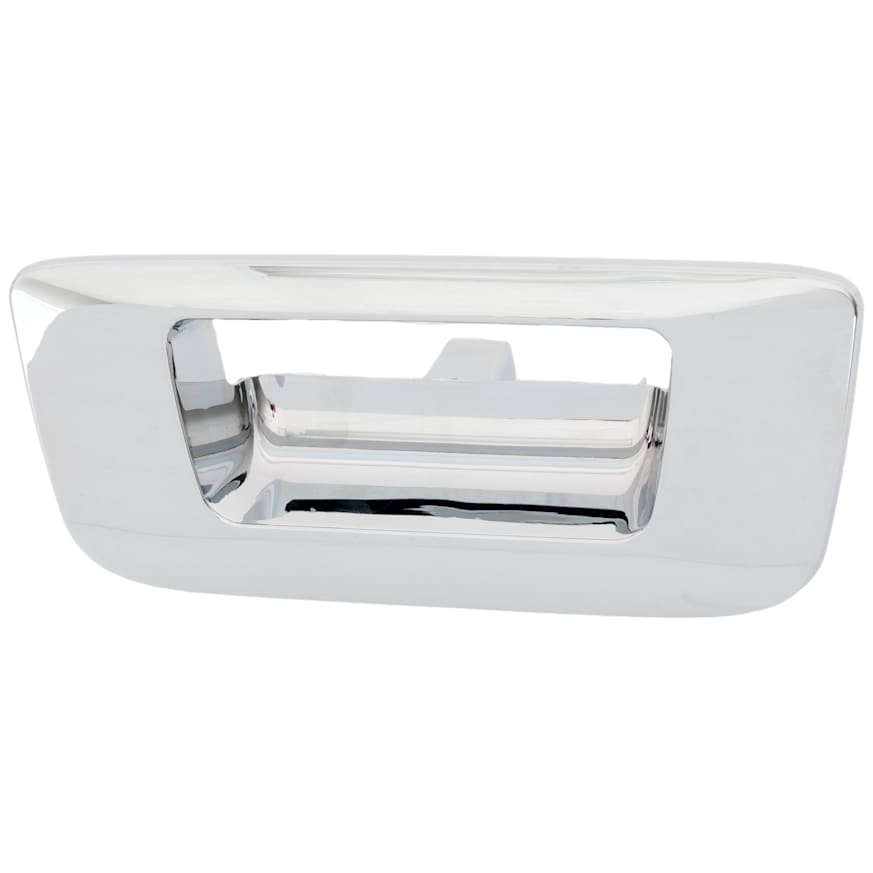
It’s the grip you grab to open and close the back of your truck. On the outside, it looks like just a lever, but inside it connects to rods or cables that release the latches. Some handles come with a lock cylinder to keep the tailgate secure.
Handles are usually made of either plastic or metal. Plastic is lighter and cheaper but breaks more easily. Metal versions hold up longer, especially if you’re hauling and opening the tailgate constantly.
How a Tailgate Handle Works
Pull or lift the handle and you’re tugging on a couple of rods or cables hidden inside the tailgate. Those rods are attached to latches on either side. Once the rods move, the latches let go of the striker bolts mounted on the truck bed, and the tailgate drops open.
If the handle has a lock, it blocks the rods from moving until it’s unlocked. That keeps the latches engaged even if someone yanks on the handle. But over time, dirt, rust, and general wear can stiffen things. When this happens, you put more pressure on the handle until it finally gives.
Tailgate Handle Parts
- Handle grip/lever: The part you grab. This is usually where cracks or breaks show up first, especially with plastic.
- Mounting bolts and nuts: These hold the handle in place. If they loosen, the handle feels sloppy and might not pull the rods correctly.
- Linkage rods or cables: The connection between the handle and the latches. If a clip breaks, these can pop off and leave the handle useless.
- Latch hooks: Located at each end of the tailgate, these clamp onto the striker bolts in the bed. The handle’s only job is to release them.
- Retaining clips: Tiny pieces that hold rods to the handle. They’re cheap, so they can be a common failure point.
- Lock cylinder (if there is one): Blocks movement of the rods until it’s unlocked. Some are mechanical with a key, while others tie into the truck’s electronic locks.
Common Signs of a Failing Tailgate Handle
- The handle wiggles around more than it used to. That usually means something’s loose or worn inside.
- You pull the handle, but the tailgate stays shut. It could be that the rods disconnected, or the latch is frozen.
- Cracks or breaks in the handle itself. With plastic handles, this often shows up as one side snapping off.
- The handle feels stiff and takes extra force. That’s the latch binding, which puts more strain on the handle.
- The tailgate doesn’t stay shut because the latches never fully catch. A worn or broken handle may be to blame.
A broken handle is frustrating, but replacing it is a straightforward fix that pays off right away. Once you know how the handle, rods, and latches work together, it’s easier to tell whether the problem is the handle itself or something connected to it. With the right metal part and a little grease, you’ll get your tailgate working smoothly again.
Keep Your Truck Working Like New
A broken tailgate handle can slow you down, but the right replacement can get you back to work fast and keep your truck performing at its best. Choosing durable, high-quality parts is key to avoiding repeat repairs and ensuring your tailgate operates smoothly for the long haul.
From lift kits to lighting, performance exhausts to classic restoration parts, the JC Whitney Performance Hub brings together premium brands you know and love. The best names in off-road, performance, and restoration, all in one place. Whether you’re replacing a worn tailgate handle or upgrading your truck’s overall functionality, you’ll find dependable JC Whitney parts that fit right and stand up to daily use.
For more than a century, JC Whitney has been a trusted name for drivers who want quality, value, and confidence in every part they install. Shop and grab the best deals on truck parts and accessories today.
Keep Reading: Related Posts






Any information provided on this Website is for informational purposes only and is not intended to replace consultation with a professional mechanic. The accuracy and timeliness of the information may change from the time of publication.