Code P0136 means your engine control module has flagged a voltage problem with the oxygen sensor sitting behind the catalytic converter on bank 1. This sensor watches how well your catalytic converter is doing its job. Most drivers notice nothing more than a lit check engine light, though the underlying cause can range from a worn sensor to a failing catalyst.

P0136 on Some Toyota Vehicles
Code P0136 may appear on some Toyota vehicles. On a 2004 Toyota Camry XLE 2.4L, for example, the code appears because of the following conditions:
- Failed AFS (it may be contaminated with fuel, silicone, or water)
- Air induction system air leaks (e.g., intake manifold)
- Failed HO2S (it may be contaminated with fuel, silicone, or water)
- HO2S heater power (12v) circuit is open (check power circuit from EFI relay)
- HO2S signal circuit is open, shorted to ground, or shorted to voltage
- Damaged HO2S connector (check pins for damage and for moisture)
- Exhaust manifold and exhaust pipes air leaks
- Failed ECM
What Does the P0136 Code Mean?
Diagnostic trouble code (DTC) P0136 stands for “O2 Sensor Circuit (Bank 1, Sensor 2).” It refers to the same malfunction as the engine code P0137, except it applies to the second O2 sensor on Bank 1. The P0136 code triggers when the ECM believes that the Bank 1 O2 sensor is not operating correctly.
Bank 1 refers to the side of the engine that holds the number one cylinder. Sensor 2 sits downstream, positioned after the catalytic converter closest to the engine. That converter runs very hot and handles nitrogen oxides, which is why it’s mounted so close to the exhaust manifold. Sensor 2’s job isn’t to fine-tune fuel delivery. Instead, it measures how efficiently the catalytic converter is cleaning up exhaust gases.

A traditional oxygen sensor produces a voltage between roughly 0.1 and 0.9 volts. The ECM sets P0136 when it sees sensor 2’s voltage sitting outside the expected range for too long, often around two minutes of low or erratic readings. If the voltage instead reads too high, you’d be looking at the related P0138 code instead, which points to the same sensor but a different type of electrical fault.

What Is the Downstream Oxygen Sensor?
The downstream oxygen sensor, also called sensor 2, threads into the exhaust pipe just behind the catalytic converter on bank 1. Unlike the upstream sensor, it doesn’t directly adjust your fuel mixture. It exists to confirm the catalytic converter is converting harmful gases the way it’s supposed to.
Most downstream sensors include a built-in heater. That heater brings the sensor up to operating temperature quickly so the ECM can enter closed loop operation sooner, which is when the computer actively manages the air-to-fuel ratio based on sensor feedback. Before the closed loop kicks in, the engine runs on preset fuel maps instead, which burn less efficiently.
Because this sensor sits downstream, its voltage signal moves more slowly and with less fluctuation than the upstream sensor’s signal. That steady pattern is exactly what the ECM expects to see when the catalytic converter is healthy.
What are the Common Causes of the P0136 Code?
There are several probable reasons why a scanner registers the P0136 code. They include:
- Malfunctioning oxygen sensor
- Malfunctioning oxygen sensor circuit issues (open, short, or high resistance)
- Leak in the exhaust system
- Corroded oxygen sensor connector
- Faulty PCM (defective or requires software upgrade)
On some Toyota models, including certain 2004 Camry XLE trims, P0136 can also point to a contaminated airflow sensor or an air leak in the intake system, alongside the usual sensor and wiring causes. If you drive one of these vehicles, it’s worth having the intake checked as part of your diagnosis.
What are the Common Symptoms of the P0136 Code?
In most cases, the check engine light is the only sign you’ll notice. The engine typically keeps running normally day to day. That said, some drivers do experience secondary symptoms tied to the underlying cause.
You might notice poor fuel economy if the catalytic converter issue is throwing off the ECM’s calculations. A rough idle or mild misfire can show up if the engine spends extended time in open loop mode. Higher tailpipe emissions are also possible, which can become a problem if your area requires an emissions test.
How Serious Is the P0136 Code?
P0136 sits in the moderate range. Your car will likely keep driving normally in the short term, so this isn’t an emergency. But letting it go unaddressed carries real downsides. Extended time in open loop operation strains your fuel economy and can eventually affect engine internals. A failing catalytic converter tied to this code can also get more expensive to repair the longer it’s ignored.
It’s worth getting this diagnosed within a reasonable window rather than driving on it indefinitely.
How Do You Diagnose the P0136 Code?
Diagnosing P0136 takes a bit of patience since several systems can be involved. If you’re not confident working with exhaust components and electrical circuits, this is a reasonable job to hand off to a trusted mechanic.
Need to refresh your knowledge of the P0136 code? Watch this helpful video:
Here’s an overview of what the process might involve:
- Pull the code and check for related codes. Scan tools that support freeze frame data can show you the exact voltage reading that triggered the fault, and note whether any other O2 sensor codes are present alongside it.
- Inspect the sensor’s wiring and connector. Look for corrosion, loose pins, or damaged insulation anywhere along the harness.
- Check for exhaust leaks. A leak near sensor 2 can pull in outside air and throw off the reading entirely.
- Evaluate the catalytic converter. If the wiring and exhaust check out clean, the converter itself may be losing efficiency.
- Test the sensor directly. A multimeter or scan tool with live data can confirm whether the sensor itself is producing a normal voltage signal.
How Do You Fix the P0136 Code?
To resolve the P0136 code, you must identify the faulty part and determine what went wrong with it.
Oxygen Sensor Replacement
If the oxygen sensor itself has failed, you’ll need to replace it. Start by removing the wiring clips that hold the sensor’s cable in place, then disconnect the electrical connector. An oxygen sensor socket makes removing the sensor itself straightforward. Installing the new sensor is simply the reverse process, and it’s worth testing it afterward to confirm proper operation.
Oxygen Sensor Circuit Issues
Over time, the oxygen sensor circuit wears out from use. It can develop issues like open circuits and shorts that prevent current from flowing through it. Or its resistance can get high enough to reduce the current flow.
Unfortunately, there’s no way to repair any damage done to the oxygen sensor circuit. Instead, you must replace the O2 sensor.
Oxygen Sensor Connector Corrosion
If the wiring or connector is the problem, there’s no way to repair worn internal circuitry. Damaged wiring segments or connectors typically need to be replaced outright rather than patched.
Exhaust System Leak
If an exhaust leak is pulling in outside air near the sensor, minor leaks can sometimes be patched temporarily, but a proper fix usually means replacing the affected section of pipe or gasket.
Catalyst Failure
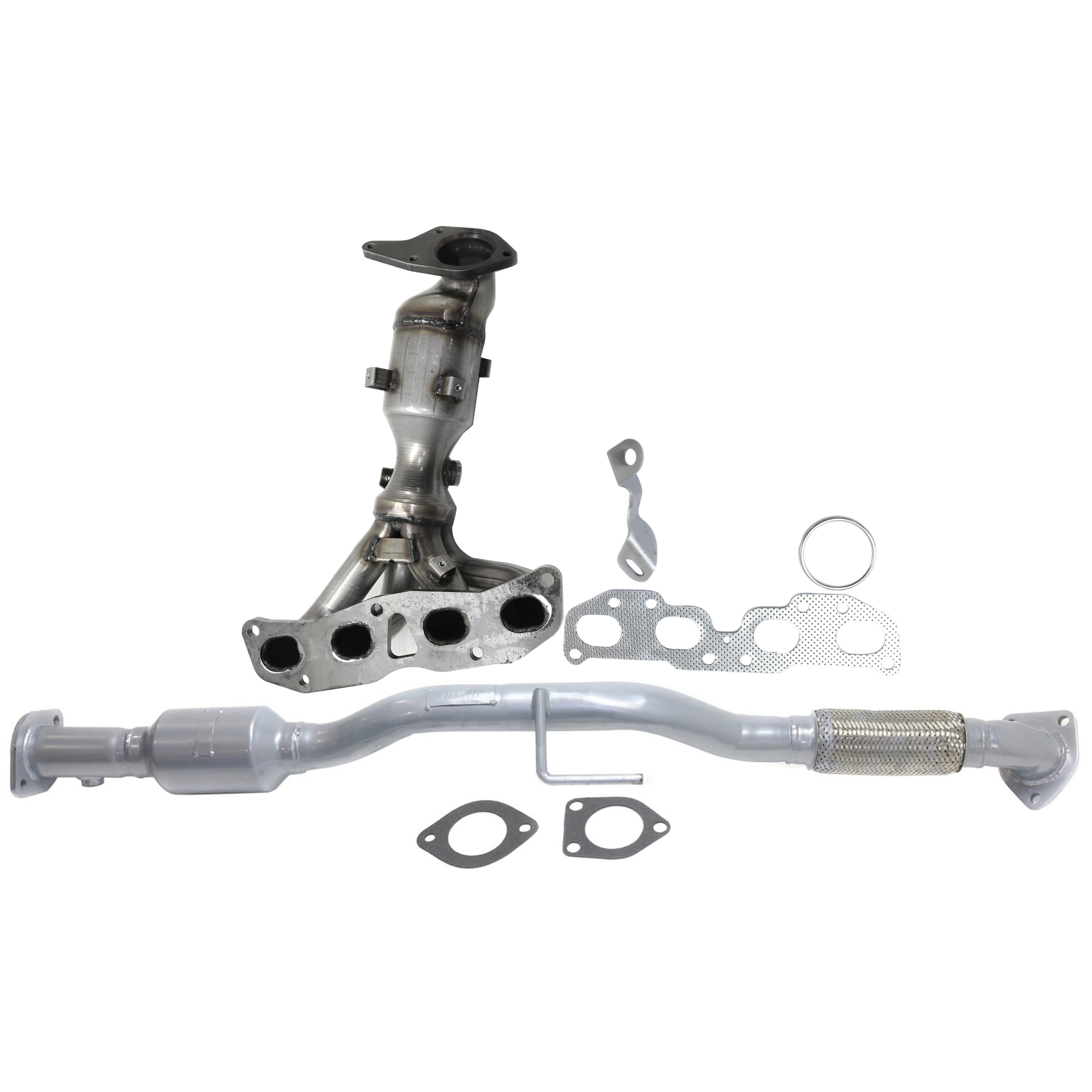
If the catalytic converter itself has failed, that’s a bigger job. It starts with locating the catalytic converter underneath the vehicle, then disconnecting the oxygen sensors and cutting out a welded converter if it isn’t bolted in place. The new converter needs pipes that match your exhaust system, along with fresh hangers and gaskets.
Bad Powertrain Control Module
If the PCM is the culprit, an outdated software version can sometimes be corrected with a manufacturer update. A genuinely defective PCM will need replacement, though this is one of the less common causes of P0136.
The specific steps required to resolve the P0136 code can vary between vehicles. Not every case is the same. Consult your owner’s manual or trusted online resources if you aren’t sure about something. If you feel that you can’t perform the DIY repairs required to fix the problem, ask a trusted mechanic for help.
FAQs
P0136 and P0137 both point to bank 1 sensor 2, but they’re not identical. P0137 specifically flags low voltage, while P0136 is the broader circuit malfunction code that can include several types of electrical faults.
Yes, you can generally keep driving with a P0136 code active. The engine typically keeps running fine in the short term. Long-term neglect, though, can affect fuel economy and put stress on the catalytic converter.
No, the P0136 code won’t clear on its own. You’ll need to fix the underlying issue and then clear the code with a scan tool, since it usually won’t reset automatically even after the problem is resolved.
Costs vary widely depending on the cause. A replacement oxygen sensor often runs somewhere in the range of fifty to a couple hundred dollars, plus labor. Wiring repairs tend to cost less, while a full catalytic converter replacement runs considerably higher.
No, a loose gas cap doesn’t cause P0136. Gas cap issues typically trigger evaporative emission codes instead, which are a separate diagnostic category from oxygen sensor circuit codes.
The upstream sensor sits before the catalytic converter and helps the ECM fine-tune the fuel mixture in real time. The downstream sensor, which triggers P0136, sits after the converter and monitors how efficiently it cleans up exhaust gases.
Not necessarily. While a failed sensor is one of the most common causes, wiring damage, exhaust leaks, and catalytic converter problems can all trigger the same code without the sensor itself being at fault.
You can, if you’re comfortable working with a scan tool, multimeter, and basic exhaust components. The process involves checking several systems, so less experienced DIYers may prefer having a mechanic handle it.
A rough idle typically shows up when the engine spends extended time in open loop mode because of the underlying sensor or catalyst issue. It’s not present in every case, but it’s a common secondary symptom.
Often, yes. Since sensor 2 exists to monitor catalytic converter efficiency, a degrading converter is one of the more common root causes behind this code, alongside sensor and wiring problems.
Shopping for Parts to Resolve Code P0136
If your scan tool confirms P0136 and you’re not confident inspecting exhaust components or testing sensor circuits with a multimeter, it’s worth bringing your vehicle to a trusted mechanic. Catalytic converter work in particular involves cutting and welding on some vehicles, which goes beyond typical driveway repairs. A shop can also confirm whether a PCM update is needed, since that usually requires manufacturer-specific software.
Ready to tackle the fix yourself? CarParts.com carries a wide selection of oxygen sensor options built to fit your exact vehicle, along with catalytic converters and exhaust parts if your diagnosis points that way. Use the vehicle selector to filter down to parts guaranteed to fit, and get your order delivered straight to your doorstep.
Products Mentioned in this Guide
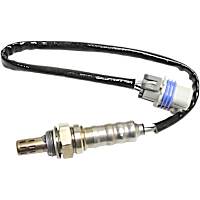 Oxygen Sensor
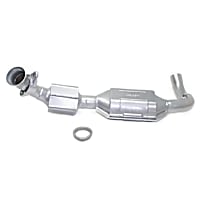 Catalytic Converter
Shop this Project
-
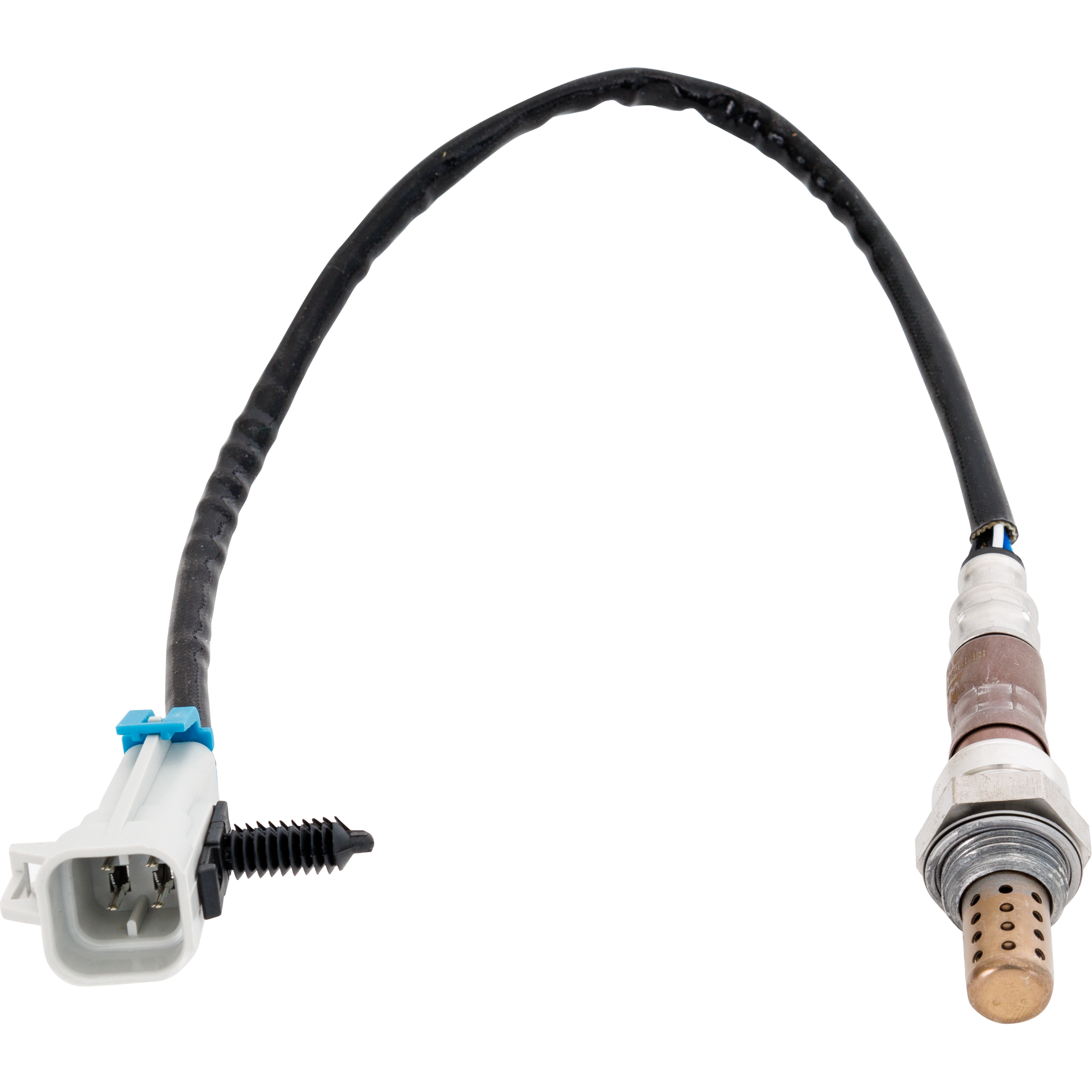
DriveWire – Oxygen Sensor, 4-Wire, Heated, With Female Connector

$22.99
Price and rating may change from the time content is published.
-
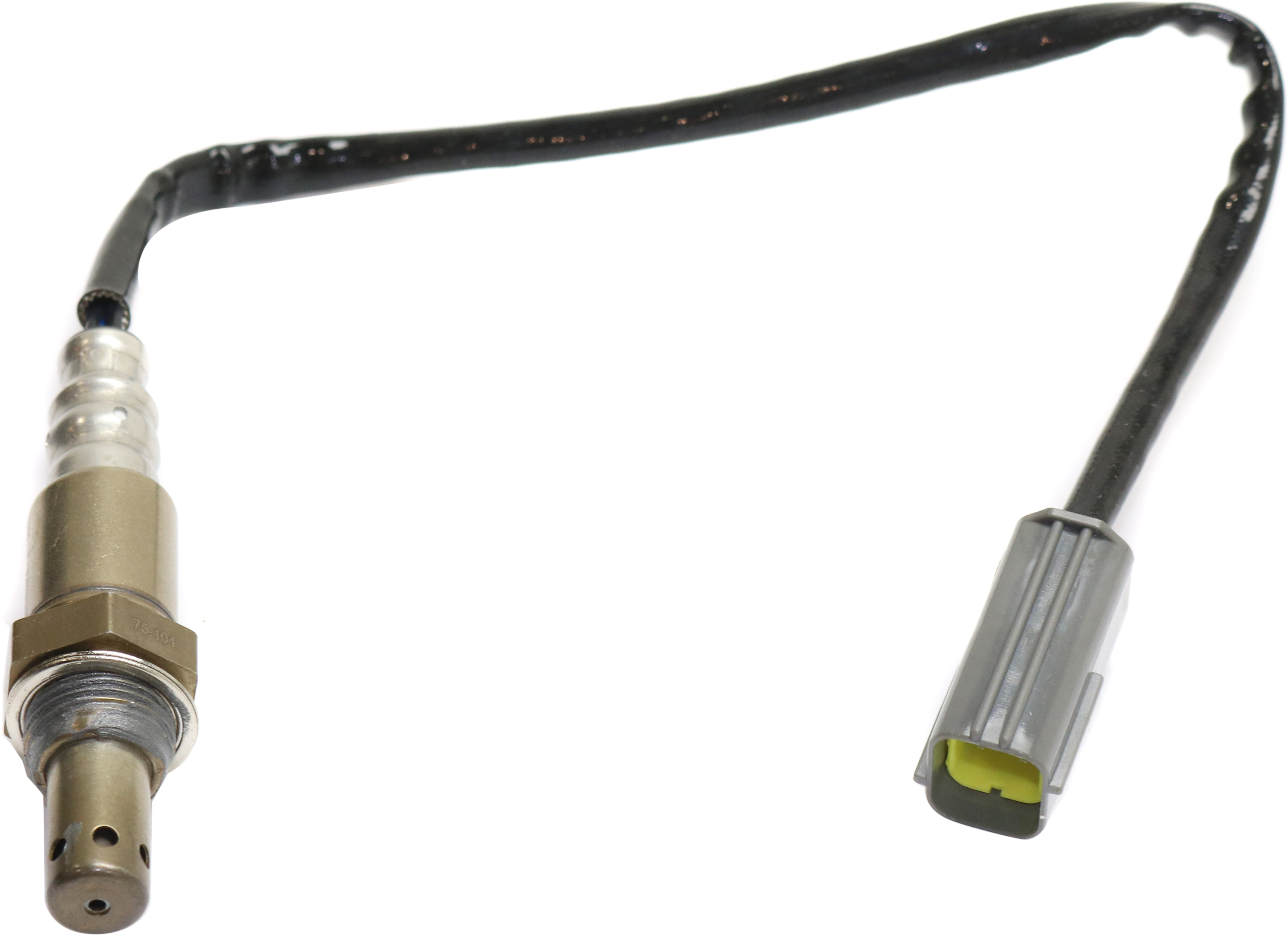
DriveWire – Oxygen Sensor, 4-Wire, Heated
$49.99
Price and rating may change from the time content is published.
-
$299.99
Price and rating may change from the time content is published.
Keep Reading: Related Posts






Any information provided on this Website is for informational purposes only and is not intended to replace consultation with a professional mechanic. The accuracy and timeliness of the information may change from the time of publication.