The P0705 trouble code means the vehicle’s computer has detected a malfunction in the transmission range sensor circuit, also known as the PRNDL input. This happens when the sensor sends missing, incorrect, or irrational gear position data to the PCM or TCM.
Quick Answers
- Meaning/Definition: “Transmission Range Sensor Circuit Malfunction (PRNDL Input).”
- What it affects: Gear selection recognition, shifting behavior, and safety-related functions.
- How serious it is: Can affect drivability and gear engagement and should be addressed promptly.
- Most common causes: Faulty transmission range sensor, wiring or circuit issues, bad shift linkage, PCM or TCM faults.
- What to do first: Scan for related codes, inspect wiring and connectors, check shift linkage alignment.
- Can you keep using it / is it safe: Driving may be possible, but shifting issues and safety-related symptoms can occur.
What Does the P0705 Code Mean?
Diagnostic Trouble Code P0705 stands for “Transmission Range Sensor Circuit Malfunction (PRNDL Input).” It is triggered when the transmission range sensor fails to send data or sends incorrect information to the powertrain control module (PCM) or transmission control module (TCM).The transmission range sensor, also known as the neutral safety switch or PRNDL input, is typically mounted outside the transmission or on the valve body. Its primary function is to communicate the current gear selector position to the control modules so the vehicle can shift properly and enable safety features.

Common Symptoms / What You’ll Notice
Drivers may experience the following symptoms when the P0705 code is present:
- Check engine light illuminated or blinking
- Rough or delayed shifting
- Failure to shift into gear
- Erratic PRNDL display on the dashboard
- Reverse lights not turning on
- Vehicle starting in a gear other than park or neutral
In some cases, the transmission range sensor circuit may malfunction without causing noticeable drivability problems.
Common Causes
Possible causes of the P0705 code include:
- Malfunctioning transmission range sensor (PRNDL input)
- Damaged wiring or poor electrical connections in the sensor circuit
- Defective valve body
- Faulty or misadjusted shift linkage
- Faulty PCM or TCM
How Serious Is the P0705 Code?
The P0705 code can impact safe vehicle operation because the transmission control system relies on accurate gear position data. Shifting problems and incorrect gear recognition can increase the risk of drivability issues. Addressing the problem early helps prevent further complications.
[H2] How to Diagnose the P0705 Code (Step-by-Step)
Because multiple components can trigger this code, a structured diagnostic approach is important.
- Scan and confirm the code
- Use a diagnostic scanner to confirm the P0705 code and check for additional related trouble codes.
- Record freeze frame data and clear the codes, then perform a test drive to see if the code returns.
- Inspect transmission fluid and basic conditions
- Check transmission fluid condition and level if applicable.
- Correct any fluid-related issues before continuing diagnosis.
- Inspect wiring and connectors
- Look for corroded, damaged, or disconnected wires in the transmission range sensor circuit.
- Repair or reconnect components as needed.
- Check shift linkage and sensor alignment
- Inspect the linkage between the gear selector and transmission for misalignment or damage.
- Adjust components if necessary.
- Evaluate sensor and control modules
Further diagnosis may require specialized tools or professional assistance.
If wiring and linkage are intact, test the transmission range sensor and control modules for faults.
How to Fix the P0705 Code
There is no single universal fix for the P0705 code. Repairs depend on the root cause. Common repair paths include:
- If the code is caused by wiring damage: Repair or replace affected wires and connectors.
- If the shift linkage is misaligned: Adjust or repair the linkage.
- If the transmission range sensor is faulty: Adjust or replace the sensor.
- If control modules are defective: Replace or reprogram the PCM or TCM as required.
Adjusting the Transmission Range Sensor
If adjustment is required, the process may involve the following steps:
- Disconnect the transmission range sensor electrical connector and selector lever cable.
- Remove the manual control lever and loosen the sensor mounting bolts.
- Use a transmission range sensor alignment tool and tighten the bolts to 10 Nm.
- Reinstall the manual control lever and tighten its bolt to 30 Nm.
- Adjust the lever to the transmission range sensor “D” position.
- Reconnect the selector cable and electrical connector.

Pro Tips are nuggets of information direct from ASE-certified automobile technicians working with CarParts.com, which may include unique, personal insights based on their years of experience working in the automotive industry. These can help you make more informed decisions about your car.
Pro Tip: One easy way to adjust the transmission range sensor is to put the vehicle in reverse and look at the back-up lights. If they’re not on, adjust the sensor until you see them come on. That will usually get it close enough.
Visual Inspection Fixes
Inspect the transmission range sensor circuit for corrosion, loose connectors, or broken wires. In many cases, repairing these basic electrical issues can resolve the P0705 code.
Replacing Control Modules
If all other fixes fail, replacing the transmission control module (TCM) or engine control module (ECM) may be necessary.
TCM replacement steps may include:
- Purchase a compatible replacement module.
- Locate the TCM near the transmission.
- Remove mounting bolts and disconnect wiring.
- Install the new module and reconnect wiring.
ECM replacement steps may include:
- Disconnect the battery at least 15 minutes before removal.
- Locate the ECM using the owner’s manual.
- Remove mounting hardware and replace the module.
- Reconnect the battery and verify proper operation.

How to Clear and Confirm the Fix
After completing repairs:
- Clear the trouble codes using a scan tool.
- Drive the vehicle under similar speed and load conditions.
- Re-scan the system to confirm the P0705 code does not return.
FAQs
It means the transmission range sensor circuit is sending missing or incorrect gear position information to the PCM or TCM.
Yes. P0705 is a generic powertrain code that applies to many vehicles manufactured from 1996 onward.
Yes. Incorrect sensor signals can lead to delayed shifting, gear engagement issues, and erratic indicator behavior.
Yes. The vehicle may start in a gear other than park or neutral if the sensor circuit is malfunctioning.
No. Wiring problems, linkage issues, valve body faults, or control module failures can also trigger the code.
The transmission range sensor controls reverse light activation. Faulty signals can prevent the lights from turning on.
Some repairs such as wiring inspection or sensor adjustment may be done by experienced DIYers, but complex issues often require professional diagnosis.
No. Clearing the code only removes the warning temporarily. The underlying fault must be repaired to prevent recurrence.
When to Get Professional Help
If basic inspections and adjustments do not resolve the issue, professional diagnosis is recommended. Some transmission range sensors are difficult to access, and certain vehicles require programming after component replacement. Consulting detailed repair manuals or a qualified technician can help ensure accurate and safe repairs.
Products Mentioned in this Guide
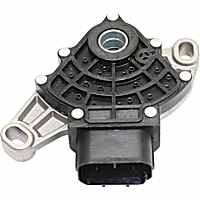 Neutral Safety Switch
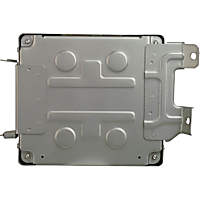 Transmission Control Module
Keep Reading: Related Posts


Any information provided on this Website is for informational purposes only and is not intended to replace consultation with a professional mechanic. The accuracy and timeliness of the information may change from the time of publication.