A P0730 trouble code means your vehicle’s computer has detected a mismatch between the expected and actual transmission gear ratio. This usually points to transmission slippage or a control system problem affecting shifting performance.
Quick Answers
- Meaning/Definition: P0730 stands for “Incorrect Gear Ratio” or “Transmission Control System Malfunction.”
- What it affects: Automatic transmission operation and shifting accuracy.
- How serious it is: Indicates a slipping or malfunctioning transmission and should be addressed immediately.
- Most common causes: Mechanical transmission failure, faulty shift solenoids, contaminated or low transmission fluid, defective valve body.
- What to do first: Check transmission fluid level and condition, then scan for related transmission codes.
- Can you keep using it / is it safe: Driving is not recommended because continued operation can worsen transmission damage.
What Does the P0730 Code Mean?
Diagnostic Trouble Code P0730 indicates that the powertrain control module (PCM) or transmission control module (TCM) has detected an incorrect gear ratio during operation. Depending on the vehicle manufacturer, this code may also be labeled as “Transmission Control System Malfunction.”Automatic transmissions rely on input and output speed sensors to verify that the selected gear is producing the expected rotational speed. When the PCM detects a larger-than-acceptable RPM difference between the input shaft and output shaft, it triggers the P0730 code. This condition commonly indicates transmission slippage.

How the Transmission System Relates to P0730
Vehicles with automatic transmissions use a torque converter to multiply engine torque and transfer power to the transmission. The torque converter also acts like a clutch to prevent stalling when the vehicle is in gear or idling.
The PCM controls gear changes using planetary gearsets and sensor inputs such as vehicle speed and throttle position. When the measured gear ratio does not match the commanded ratio, the system flags a performance issue and stores the P0730 code.
Common Symptoms / What You’ll Notice
Drivers experiencing a P0730 code may notice the following symptoms:
- Check engine light illuminated
- Improper or delayed shifting
- Decreased fuel economy
- Vehicle slipping into neutral unexpectedly
- Transmission slipping during acceleration or steady driving
In some cases, additional performance issues may occur:
- Stalling when coming to a stop after highway driving
- Misfire-like driving behavior
Common Causes
Possible causes of the P0730 code include:
- Mechanical failure inside the transmission
- Defective shift solenoids
- Dirty or contaminated transmission fluid restricting hydraulic passages
- Low transmission fluid level
- Clogged transmission filter or worn transmission pump
- Defective valve body
- Electrical circuit problems such as damaged wiring or poor connections
- PCM or TCM issues, including software requiring updates
- Defective engine sensors affecting transmission performance (rare)

How Serious Is the P0730 Code?
The P0730 code is considered serious because it indicates a transmission performance failure. If ignored, continued slipping can accelerate internal wear, lead to overheating, and cause major transmission damage. Immediate diagnosis and repair are recommended to prevent costly repairs.
How to Diagnose the P0730 Code (Step-by-Step)
Proper diagnosis is critical because multiple systems can trigger this code. Follow this general diagnostic path:
- Check transmission fluid level and condition
- Look for low fluid, dark coloration, or burnt odor.
- If fluid is low or contaminated, correct the issue and retest.
- Scan for additional transmission-related codes
- Check for related codes such as gear-specific ratio errors.
- Address any other transmission codes before focusing on P0730.
- Inspect wiring and electrical connections
- Look for damaged wiring or loose connectors affecting solenoids or sensors.
- Repair any visible faults before continuing.
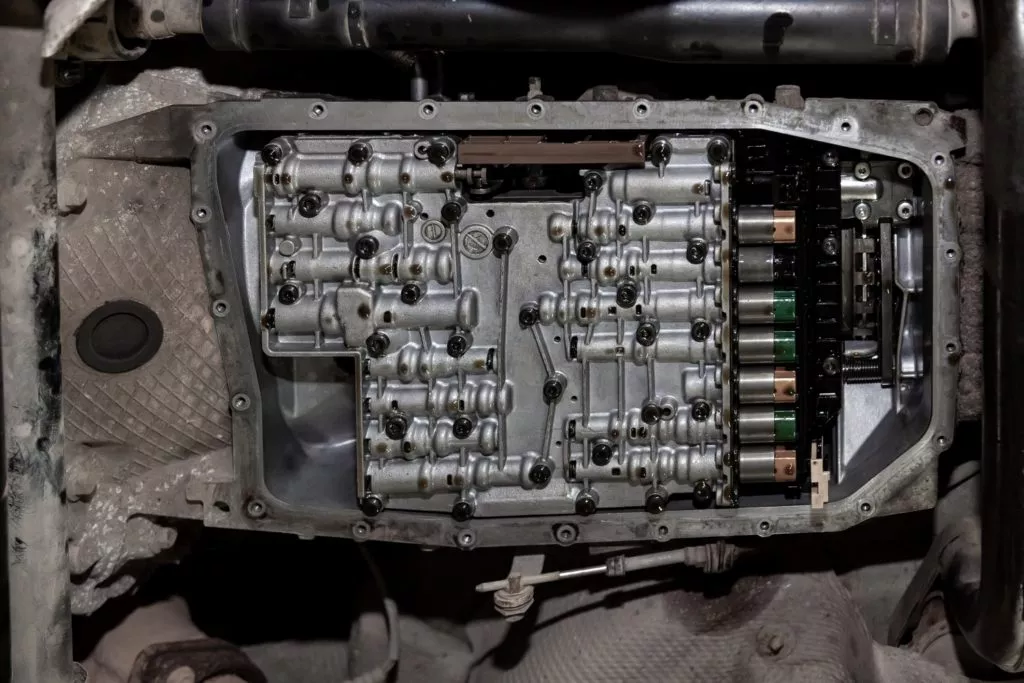
- Test shift solenoids and valve body operation
- Verify proper solenoid activation and hydraulic flow.
- Replace defective components if faults are found.
- Evaluate internal transmission components
- If external systems pass inspection, internal mechanical failure may be present.
- At this stage, professional diagnostic equipment and expertise are typically required.
How to Fix the P0730 Code
The correct repair depends on the root cause. Common fixes include:
- If transmission fluid is dirty or low: Perform a fluid service and correct leaks.
- If shift solenoids are defective: Replace the faulty solenoid(s).
- If wiring or connectors are damaged: Repair or replace affected circuits.
- If the valve body is faulty: Repair or replace the valve body assembly.
- If internal mechanical damage exists: Transmission repair or rebuild may be required.
- If PCM or TCM software is outdated: Perform a software update or reprogramming as needed.
Accurate diagnosis should always come before parts replacement to avoid unnecessary repairs.
How to Clear and Confirm the Fix
After completing repairs:
- Clear the trouble codes using a scan tool.
- Perform a road test under normal driving conditions.
- Monitor live transmission data to confirm proper shifting and gear ratio behavior.
- Re-scan the vehicle to ensure the P0730 code does not return.
FAQs
P0730 means the vehicle’s computer detected an incorrect gear ratio during transmission operation. It usually indicates slipping or shifting performance issues.
Yes. Low fluid levels can reduce hydraulic pressure, causing gear engagement problems and triggering incorrect ratio readings.
No. While the general meaning is the same, the exact definition and triggering conditions can vary by manufacturer and model.
Driving is not recommended because continued use can worsen transmission damage and increase repair costs.
Not always. Electrical issues, solenoid failures, or fluid problems can also cause the code without major internal damage.
Related codes include P0729, P0731, P0732, P0733, P0734, P0735, and P0736, which often indicate gear-specific ratio problems.
Yes. If other transmission-related codes are present, they should be diagnosed and repaired first because they may be the root cause.
No. Clearing the code only removes the warning temporarily. The underlying mechanical or electrical issue must be repaired to prevent the code from returning.
When to Get Professional Help
If basic checks such as fluid inspection and wiring review do not resolve the issue, professional diagnosis is strongly recommended. The P0730 code often requires specialized tools and technical expertise, especially when internal transmission components are involved. Addressing the problem early can help prevent extensive and expensive transmission repairs.
Products Mentioned in this Guide
 Transmission Control Module
 Torque Converter
 Valve Body
 Engine Control Module
Keep Reading: Related Posts




Any information provided on this Website is for informational purposes only and is not intended to replace consultation with a professional mechanic. The accuracy and timeliness of the information may change from the time of publication.