P2646 Code: “A” Rocker Arm Actuator System Performance/Stuck Off (Bank 1)
P2646 is an OBD-II trouble code that indicates the powertrain control module (PCM) is not receiving the correct voltage signal from the rocker arm oil pressure switch, preventing proper operation of the rocker arm actuator system on Bank 1.
Quick Answers
- Meaning/Definition: “A” Rocker Arm Actuator System Performance/Stuck Off (Bank 1)
- What it affects: Variable valve timing and lift operation on the intake camshaft side of Bank 1
- How serious it is: Often causes reduced engine performance and higher fuel consumption
- Most common causes: Low or dirty engine oil, low oil pressure, PCM software issues, faulty VTEC oil pressure switch or solenoid, wiring problems
- What to do first: Check engine oil level and condition, scan for related oil pressure codes, inspect wiring and connectors
- Can you keep using it / is it safe: The vehicle may still run, but continued driving can worsen performance and efficiency
What the P2646 Code Means
Diagnostic Trouble Code P2646 stands for “A” Rocker Arm Actuator System Performance/Stuck Off (Bank 1). It is a generic powertrain code supported by many vehicle makes and models.
In vehicles equipped with systems such as Honda’s Variable Timing and Lift Electronic Control (VTEC), the rocker arm control solenoid uses hydraulic oil pressure to activate variable valve timing and lift mechanisms. The PCM controls this solenoid and monitors oil pressure feedback through the rocker arm oil pressure switch.
If the PCM does not receive the expected voltage signal from the oil pressure switch, it assumes the actuator system is not functioning correctly and sets the P2646 code.
The “A” designation refers to the intake camshaft. “Bank 1” refers to the side of the engine that contains cylinder #1 on V-type engines.


Common Symptoms / What You’ll Notice
Drivers may notice one or more of the following symptoms when the P2646 code is present:
- Check engine light illuminated
- Decreased engine performance
- Increased fuel consumption
These symptoms are often linked to the variable valve timing and lift system not activating properly.
Common Causes
Possible causes of the P2646 code include:
- Low or dirty engine oil
- Engine oil pressure below specifications
- PCM issues, such as outdated software
- Failed rocker arm (VTEC) oil pressure sensor
- Faulty rocker arm (VTEC) oil control solenoid
- Wiring or connector problems
How Serious It Is (Risks, What Happens If Ignored)
The P2646 code is commonly associated with reduced engine performance. Ignoring this issue can result in continued poor acceleration, inefficient engine operation, and increased fuel usage. Addressing the code early helps prevent extended drivability problems.
How to Diagnose the P2646 Code
Because multiple issues can trigger this code, accurate diagnosis is important. A step-by-step approach helps narrow down the cause.
- Check engine oil level and condition
- What to check: Inspect oil level and look for dirty or degraded oil.
- What it means: Low or contaminated oil can prevent proper hydraulic pressure.
- What to do next: Correct the oil level or perform an oil change if needed.
- Scan for related trouble codes
- What to check: Look for additional oil pressure or camshaft-related codes.
- What it means: Related codes may point to sensor or pressure issues.
- What to do next: Diagnose and address related codes first.
- Inspect wiring and connectors
- What to check: Examine wiring to the rocker arm oil pressure switch and solenoid.
- What it means: Damaged wiring can interrupt voltage signals.
- What to do next: Repair or replace damaged connections.
- Test rocker arm oil pressure switch and solenoid
- What to check: Verify proper operation using manufacturer specifications.
- What it means: Faulty components can prevent system activation.
- What to do next: Replace defective parts if testing fails.
- Check PCM software status
- What to check: Confirm whether PCM software updates apply to your vehicle.
- What it means: Outdated software can cause incorrect system monitoring.
- What to do next: Update PCM software if required.
How to Fix / Resolve It (Options by Cause)
There is no single fix for the P2646 code. Repairs depend on the underlying cause.
- If engine oil is low or dirty, then top off or replace the oil.
- If oil pressure is below specification, then inspect the lubrication system and address pressure-related issues.
- If the rocker arm oil pressure switch has failed, then replace the sensor.
- If the rocker arm oil control solenoid is faulty, then replace the solenoid.
- If wiring is damaged, then repair or replace affected wiring and connectors.
- If PCM software is outdated, then perform the recommended software update.
Many vehicle owners choose professional repair due to the complexity of diagnosing variable valve timing systems. However, experienced DIYers can use trusted repair guides or vehicle-specific service data to complete the repair.

How to Clear / Confirm the Fix
After completing repairs, clear the trouble code using a scan tool. Drive the vehicle under normal conditions and monitor for the return of the check engine light. If the code does not reappear, the issue is likely resolved.
Other Notes About P2646
Honda released a factory service bulletin on July 16, 2013 (SB-10052884-2696) addressing P2646 concerns for the following models:
- 2003–2012 Honda Accord L4
- 2002–2005 Honda Civic Si
- 2002–2009 Honda CR-V
- 2011 Honda CR-Z
- 2003–2011 Honda Element
- 2007–2011 Honda Fit
The bulletin recommends replacing the VTEC oil pressure switch (P/N 37250-PNE-G01, H/C 6737217) to resolve the issue.
Variable Valve Lift in VTEC and Other System
In Honda’s VTEC system, three camshaft lobes control each pair of valves. The outer lobes provide lower lift, while the center lobe provides higher lift when activated by a locking pin. The locking pin is driven by oil pressure supplied through a PCM-controlled solenoid.
GM Ecotec engines use a similar three-lobe setup, but the locking pin moves perpendicular to the camshaft. These engines can also set the P2646 code if oil pressure fails to move the locking pin properly.
Audi engines use a different variable valve lift design with two lobes and a sliding shaft mechanism. Audi does not list P2646 in its diagnostic trouble code system.
FAQs
P2646 indicates that the rocker arm actuator system is not performing correctly or is stuck off on Bank 1, according to the PCM’s oil pressure feedback.
Yes. In vehicles with VTEC, this code often points to issues with the oil pressure switch or solenoid that controls valve timing and lift.
Yes. Low or dirty oil can prevent proper hydraulic pressure, which can trigger the code.
Yes. Increased fuel consumption is a common symptom because valve timing and lift may not operate efficiently.
The code is more commonly associated with reduced performance rather than stalling, but drivability may be affected.
If you have sufficient automotive repair experience, you may be able to diagnose and repair the issue using proper service information and tools.
No. The code can be caused by oil issues, sensor failures, wiring problems, or PCM software concerns.
Repair time depends on the cause. Simple oil service or sensor replacement is quicker than diagnosing wiring or PCM-related issues.
When to Get Professional Help
If basic checks such as oil level, wiring inspection, and code scanning do not resolve the issue, professional diagnosis is recommended. Technicians have specialized tools and manufacturer data needed to accurately test oil pressure systems and electronic controls.
Products Mentioned in this Guide
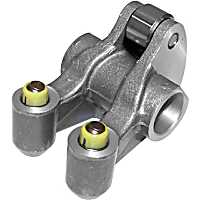 Rocker Arm
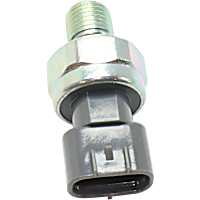 Oil Pressure Switch
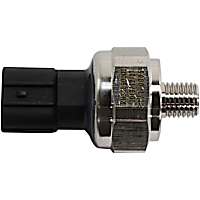 Oil Pressure Sensor
Keep Reading: Related Posts





Any information provided on this Website is for informational purposes only and is not intended to replace consultation with a professional mechanic. The accuracy and timeliness of the information may change from the time of publication.