A brake booster replacement looks straightforward until the part arrives, and something doesn’t match. The pushrod is too short. The mounting studs don’t line up. The vacuum port is on the wrong side. Or the job is done, but three months later, the master cylinder fails because it was already marginal, and the new booster exposed it. Any of those outcomes starts with an incomplete order.
The question to ask before clicking Add to Cart isn’t which one is cheapest. It’s what exactly needs to go in the cart so this repair finishes cleanly the first time. Brake boosters sit at the intersection of the brake hydraulic system and the vacuum or hydraulic power supply, and they’re closely paired with the master cylinder. That pairing is where most brake booster orders go wrong.
The Job in One Sentence
Replacing a brake booster restores full power-assist to your brake pedal so the vehicle stops with normal foot pressure.
The booster doesn’t apply your brakes directly. It multiplies the force you put on the pedal before it reaches the master cylinder. When it fails, the pedal gets heavy, fade becomes a real hazard, and panic-stop situations become genuinely dangerous. The order is about restoring that force multiplication cleanly, which usually means thinking about the master cylinder at the same time.
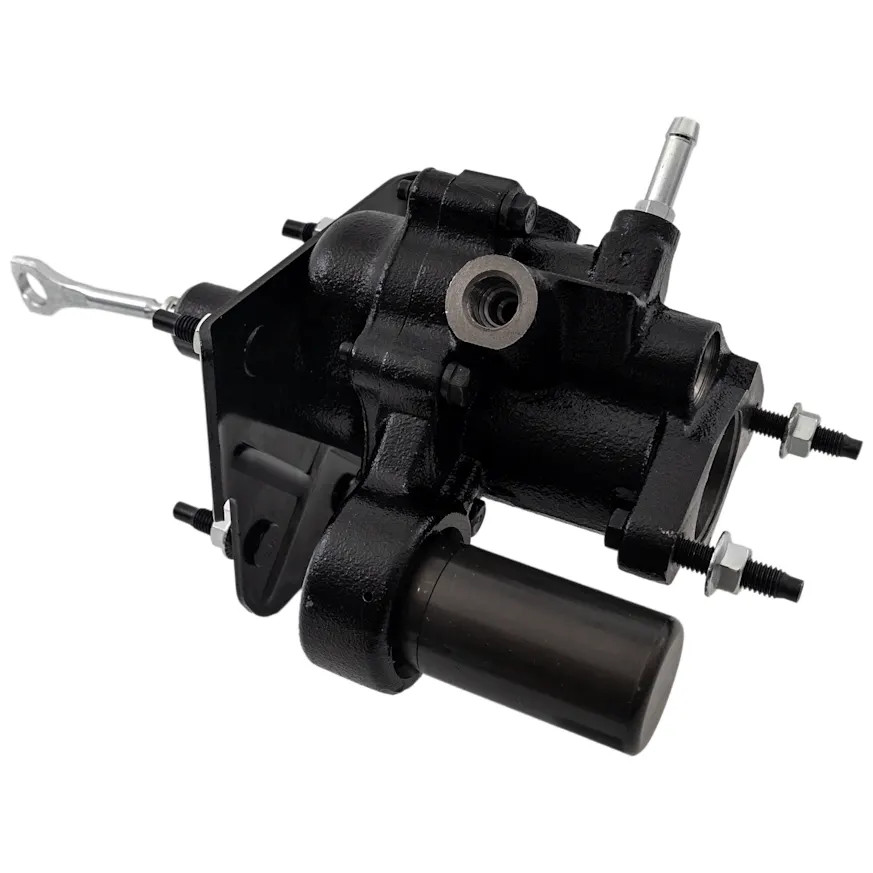
Brake boosters are sold as bare units and occasionally as booster-and-master-cylinder combo assemblies. Knowing which format fits your job changes the cart significantly.
Choose Your Cart Size
Three reasonable approaches exist, depending on what actually failed and how old the vehicle is.
1. Minimum Viable Repair
The booster is confirmed bad. The master cylinder is recent or known-good. Nothing else in the brake system needs attention.
Choose it if:
- The master cylinder was replaced within the last few years
- Brake fluid is clean and the reservoir cap seal is intact
- Pedal feel was normal before the booster failed
- This is a lower-mileage vehicle
Typical cart:
- Replacement brake booster (correct diaphragm configuration for application)
- Fresh brake fluid (for any air that enters during the job)
- Shop rags and supplies for cleanup
2. Smart Same-Access Refresh
The master cylinder is original or has significant miles on it. While the booster is out, replacing the master cylinder is logical because the two share mounting and the labor to remove one essentially covers the other.
Choose it if:
- The master cylinder is original to the vehicle or has 80,000-plus miles
- Brake fluid is dark or hasn’t been flushed recently
- There’s any softness in the pedal that the booster alone may not fix
- The vehicle has had slow fluid loss without a clear external leak
Typical cart:
- Replacement brake booster
- Replacement master cylinder
- Brake fluid (full flush quantity)
- Brake cleaner
- Pushrod adjustment tool or shim kit if required by application
3. High-Mileage / Do-It-Once Reset
The vehicle has well over 100,000 miles, brake hardware hasn’t been touched in years, or this is a long-term ownership situation where repeat brake-system labor isn’t acceptable.
Choose it if:
- Calipers or wheel cylinders are leaking or stiff
- Brake hoses are cracked or swollen
- The vehicle is a daily driver with many miles to go
- Brake performance has been gradually declining
Typical cart:
- Replacement brake booster
- Replacement master cylinder
- Brake fluid (full flush quantity)
- Replacement brake hoses (rubber hoses degrade internally and restrict flow)
- Caliper hardware kit or replacement calipers if applicable
- Brake pads and rotors if due

What Is Commonly Ordered Together on This Job
Master Cylinder
This is the most critical companion item. The master cylinder bolts directly to the booster, and the pushrod connects them. Many booster failures are discovered during a master cylinder diagnosis and vice versa. If one is failing, the other is worth evaluating before the job starts.
Brake Fluid
Any time the master cylinder or booster is disconnected, some fluid will be lost and air can enter the system. A fresh bottle of DOT-compatible brake fluid is a minimum add. If the fluid is old, order enough for a full flush.
Pushrod or Adjustment Hardware
Some applications require pushrod adjustment to set proper pedal height after a booster swap. A few vehicles need a specific shim or spacer. Check the application requirements before the old unit comes out.
Vacuum Line or Check Valve
The vacuum-powered brake booster draws engine vacuum through a one-way check valve and a rubber hose. Both are inexpensive and are commonly cracked or degraded by the time the booster itself fails. Replacing the vacuum line or check valve while everything is accessible costs almost nothing and eliminates a callback.
Brake Booster and Master Cylinder Combo
Some listings sell these as a pre-assembled unit. This can simplify the job by eliminating one alignment step and ensuring the pushrod geometry is set correctly from the factory.
What People Forget Until the Vehicle Is Already Apart
Small oversights in this job tend to surface at the worst possible moment.
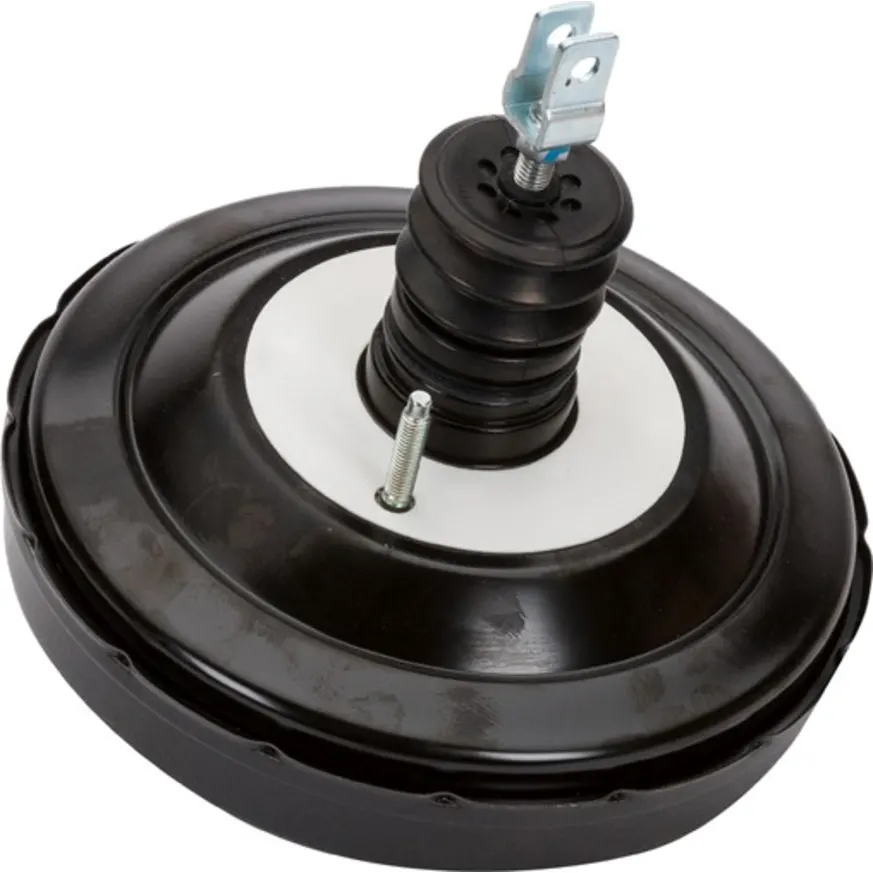
- Whether the listing includes the master cylinder or is booster-only
- The vacuum check valve, which is often seized or cracked and hidden behind the booster
- The vacuum hose from the intake manifold to the booster, which frequently collapses internally
- Pushrod length adjustment, which affects pedal height and brake bias if set incorrectly
- Brake fluid quantity before bleeding, especially if the master cylinder reservoir runs low during removal
- The correct diaphragm configuration (single vs. dual) for the application
- Whether any mounting studs or nuts are included or need to be sourced separately
- The firewall grommet or seal around the pushrod, which can tear during removal
When Replacing Only the Brake Booster Is False Economy
If the master cylinder has never been replaced and the vehicle has real miles on it, leaving it in place while swapping the booster is a reasonable gamble, but it carries real risk. The master cylinder seals are under constant pressure and degrade over time. A new booster applies full force to an old master cylinder, and sometimes that accelerates a seal failure that was already developing. The result is another brake job, another round of labor, and another bleed.
That said, replacing only the booster is completely legitimate if the master cylinder is recent and known-good. There’s no reason to add unnecessary parts to a job that doesn’t need them. The calculus changes entirely on high-mileage vehicles or any situation where the master cylinder’s history is unclear.
The vacuum hose and check valve are the cheaper argument. They cost very little, they’re in the same area, and a failed check valve after a booster swap will produce the exact same symptom as the original booster failure. Ordering them with the booster is almost always the right call.
The Fitment Splits That Break Brake Booster Orders
Single vs. Dual Diaphragm
This is the most common mismatch. Single-diaphragm boosters are smaller and used on lighter vehicles or older applications. Dual-diaphragm boosters provide more assist in a similar-diameter housing and are common on larger or heavier vehicles. The two are not interchangeable.
Engine and Trim Splits
Brake booster size and configuration can vary across engine options within the same vehicle nameplate. A V8 application may use a larger booster than a four-cylinder version of the same truck. Always confirm against the specific engine.
Hydraulic vs. Vacuum-Assisted Applications
Some vehicles, particularly those with diesel engines that produce little intake vacuum or certain hybrid platforms, use a hydraulic brake booster rather than a vacuum unit. These are completely different components and are not interchangeable with vacuum-type boosters. Ordering a vacuum booster for a hydraulic application is a complete mismatch.
Production Date Splits
Mid-year production changes occasionally result in two different boosters covering the same year and model. If the listing offers a build-date qualifier, check the door jamb sticker for the manufacture date before ordering.
Booster-Only vs. Booster with Master Cylinder
Listings for the same application may exist in both configurations. Ordering a booster-only when the combo unit was expected, or vice versa, leads to a parts mismatch on delivery day. Read the listing description carefully.
Delivery-Day Inspection Checklist
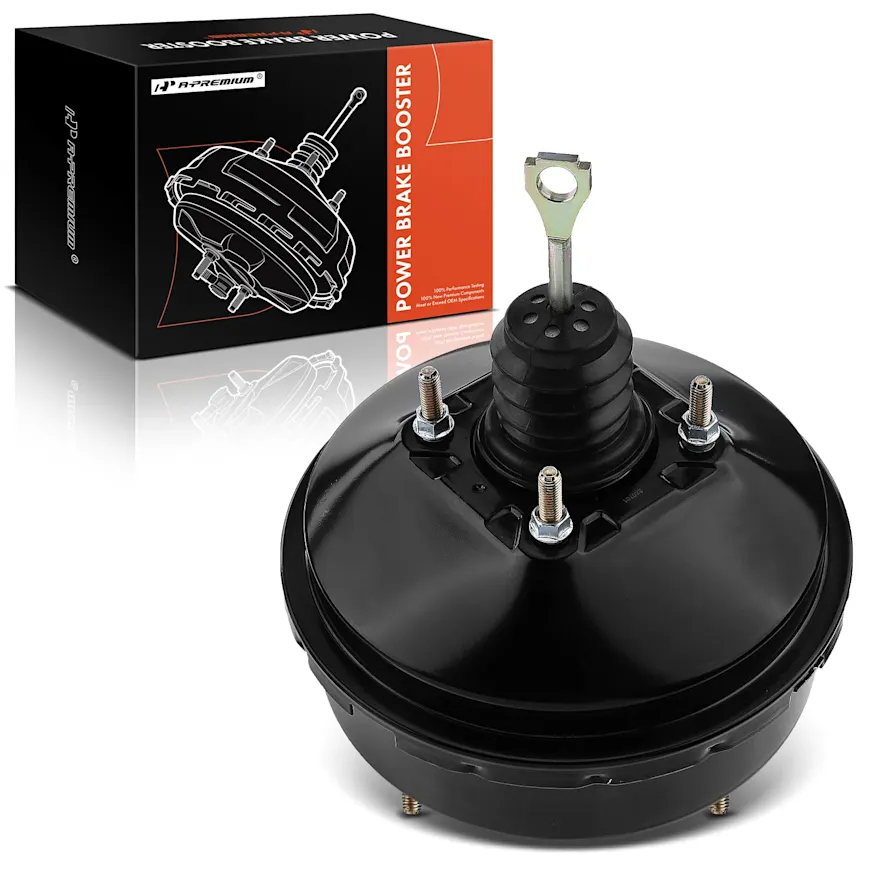
Compare the replacement unit to the old booster before the vehicle comes apart.
- Mounting stud count, pattern, and spacing match the firewall
- Booster diameter matches the original (measure if uncertain)
- Vacuum port location and size match the original check valve fitting
- Master cylinder bolt pattern matches if reusing the original master cylinder
- Pushrod length and style are consistent with the application
- Single or dual diaphragm configuration matches
- No visible shipping damage to the diaphragm housing or vacuum ports
- All included hardware, studs, and nuts are accounted for
Your One-Job Order Sheet for a Brake Booster
- Confirm the vehicle exactly. Year, make, model, engine, and build date if there’s a mid-year split.
- Confirm the repair scope. Is this booster-only, or does the master cylinder need to come out at the same time?
- Confirm what the listing includes. Booster-only, booster with master cylinder, or combo assembly. Do not assume.
- Add the consumables. Brake fluid, vacuum check valve, and vacuum hose at a minimum.
- Check delivery-day before teardown. Verify stud pattern, port location, diaphragm type, and pushrod configuration against the old unit before the vehicle comes apart.
- Match the ownership logic to the cart. A recent master cylinder on a low-mileage car justifies a minimal cart. Original hardware on a 130,000-mile daily driver justifies a fuller refresh.
The Smart Way to Shop Brake Boosters
The wrong brake booster order usually comes down to one of three things: the diaphragm configuration doesn’t match, the master cylinder situation wasn’t thought through, or the vacuum supply components weren’t included. All three are fixable before checkout.
The correct order for this job isn’t the one that looks similar to the old part. It’s the one confirmed against the exact vehicle, built around the actual repair scope, and complete enough that the job finishes without a second parts run. Cart size should follow the age and condition of the vehicle, not the desire to keep the initial invoice low.
Shop brake boosters by confirmed application, decide on master cylinder replacement before anything gets unbolted, and add the vacuum hardware before checking out.
Keep Reading: Related Posts




Any information provided on this Website is for informational purposes only and is not intended to replace consultation with a professional mechanic. The accuracy and timeliness of the information may change from the time of publication.