A wiper cowl grille looks like the easiest body part on the car to order. It’s a long strip of black plastic at the base of the windshield. But this assumption’s how you end up with a passenger-side half when you need both sides, or a grille with no washer nozzle openings for a car that sprays from the cowl.
Before comparing prices, ask this question: “What exactly needs to go in the cart for this job?” Getting the grille off means pulling the wiper arms and popping a row of brittle retainers. It usually means disturbing a rubber seal that’s spent years baking in the sun, too.
Wiper cowl grilles split by side, piece count, and by the openings molded into the plastic. Any one of these details can turn a quick wiper cowl grille swap into a second order.
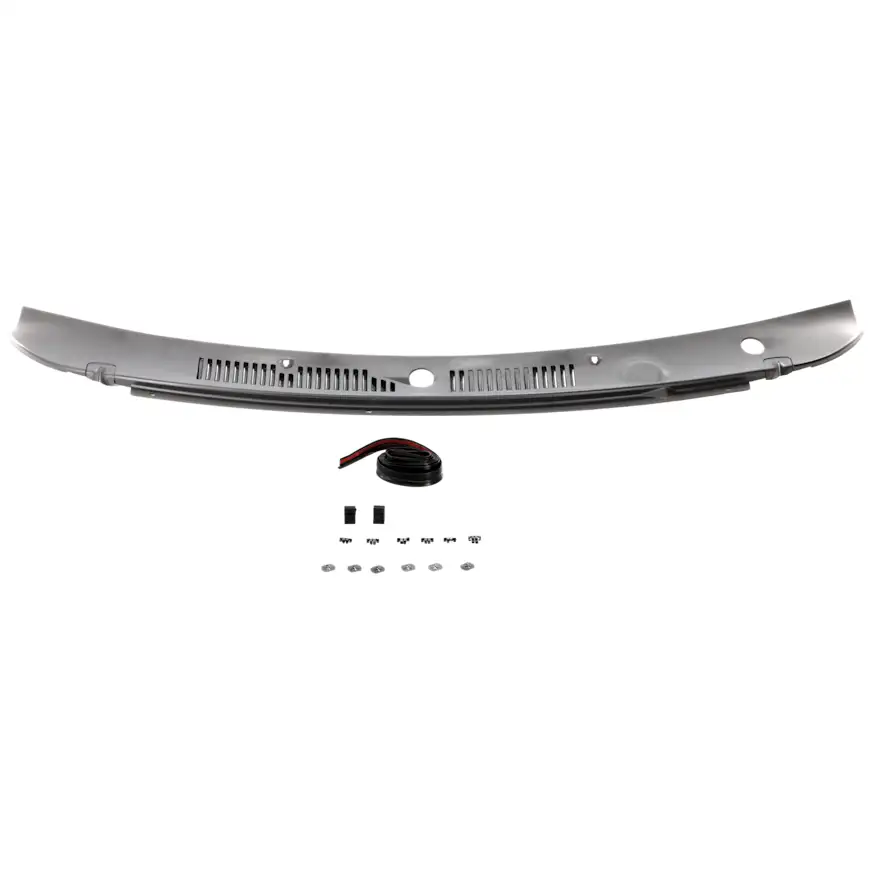
The Job in One Sentence
The job is to restore a sealed, debris-proof cover over the cowl so that leaves and water stay out of the wiper linkage and the fresh-air intake.
The wiper cowl grille sits between the hood’s rear edge and the windshield. It screens the wiper linkage and the heating, ventilation, and air conditioning (HVAC) fresh-air inlet, and on many vehicles, it also holds the washer nozzles. Once it cracks or loses its seal, debris clogs the cowl drains and water can reach the cabin.
That’s why the correct order can cover more than the plastic panel. Most aftermarket cowl grilles ship bare, with no clips, seals, or nozzles, so read the included items before you assume that your order includes everything.
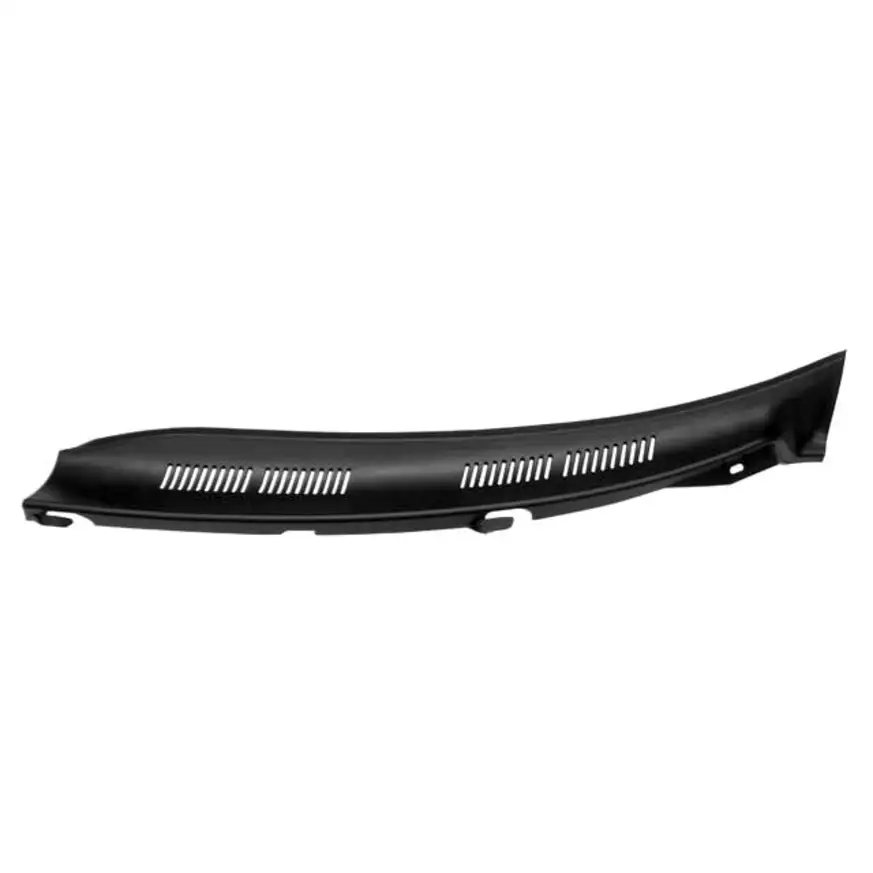
Choose Your Cart Size
Pick the cart that fits the damage and how long you plan to keep your vehicle.
1. Minimum Viable Repair
This lane covers one cracked or broken grille section on a vehicle that’s otherwise in good shape.
Choose it if:
- A hailstone or a falling branch cracked one section, and the rest of the cowl looks fine
- The hood-to-cowl seal still feels soft and stays in place
- The wiper arms came off cleanly the last time you pulled them
Typical cart:
- The wiper cowl grille section that matches your vehicle’s configuration
- A small pack of replacement push-pin retainers or clips
2. Smart Same-Access Refresh
With the arms and seal already off, it makes sense to add affordable wear items.
Choose it if:
- The grille looks faded, chalky, or warped rather than just cracked
- The cowl seal has hardened, shrunk, or started tearing at the ends
- The wiper blades streak or are due for replacement anyway
Typical cart:
- Wiper cowl grille (both halves on two-piece designs)
- A full set of cowl clips or retainers
- Hood-to-cowl seal or cowl weatherstrip, depending on application
- Wiper blades
- Windshield washer nozzles, if they mount in the cowl and the old ones look brittle
3. High-Mileage / Do-It-Once Reset
This lane suits an older, sun-baked vehicle you plan to keep.
Choose it if:
- The wiper arms have corroded onto their pivots, or the arm springs feel weak
- The washer hoses under the cowl look cracked or kinked
- Water has already reached the passenger floor or the cabin air filter
Typical cart:
- Every section of the grille
- Clips, seals, and wiper arm nut caps
- Wiper arms and blades
- Washer nozzles and washer hose, depending on application
- A cabin air filter, if your vehicle’s filter sits under the cowl
Most vehicle owners land in the first or second lane, and either one makes a reasonable cart.
What Is Commonly Ordered Together on This Job
A cowl grille swap usually needs a few small parts the listing photo doesn’t show.
Clips and Retainers
Plastic push-pins and screw retainers turn brittle with heat cycles, and many snap during removal. Most bare grilles ship without fresh clips, so add a pack that matches your application.
Cowl Seals and Weatherstrips
Many vehicles use a rubber seal along the cowl’s front edge where the hood closes. Some grilles have it bonded on, while others use a separate strip. A hardened seal lets water slip past a brand-new grille.
Washer Nozzles
The nozzles clip into the grille on vehicles that spray from the cowl. Aged plastic tabs often crack during the transfer, and a new pair of windshield washer nozzles costs far less than a second trip.
Wiper Arms, Blades, and Nut Caps
Every cowl grille job starts with pulling the wiper arms. Corroded arms can bend on the way off, and the nut caps over the pivots often crack. If the wiper blades are due for replacement, add them while the arms sit on the bench.
One Section vs. the Full Set
Two- and three-piece cowls let you replace only the damaged section, but a fresh black panel beside a sun-faded one can look mismatched. If the surviving section looks chalky, ordering the full wiper cowl grille set keeps the finish consistent and saves a second removal later.

What People Forget Until the Vehicle Is Already Apart
These small misses will leave your car parked with its wiper arms lying on the fender.
- Does your vehicle spray from the cowl, hood, or wiper arms? The grille’s nozzle openings have to match.
- Are clips included, or do you need a separate pack?
- Is the hood-to-cowl seal part of the grille, or does it come off as its own strip?
- Will the old washer nozzles survive coming out?
- Does the replacement match the side you actually need,whether driver or passenger?
- Will the washer hose connectors under the grille break when you unclip them?
When Replacing Only the Wiper Cowl Grille Is False Economy
Replacing only the grille is a sound choice when one section cracked from impact and everything around it is still healthy. If the seal stays soft, the clips look fresh enough to reuse, and the arms slide off their pivots without a fight, you can finish the job with a grille and a clip pack.
But the minimal order gets expensive when the parts around the grille have aged at the same rate. On a 10-year-old vehicle, the seal often looks as cracked as the grille beside it. Fixing it later means pulling the wiper arms a second time and snapping another round of brittle clips.
The labor overlap is small, but it’s real. Adding a seal, clips, and blades while the grille is off costs less than reopening the cowl in six months. Replace thewiper arms only when they’re corroded, bent, or losing spring tension.
The Fitment Splits That Break Wiper Cowl Grille Orders
Most wrong cowl grille orders trace back to details that aren’t clear in a listing photo.
Position and Piece Count
Some vehicles use a one-piece cowl, while others split it into driver and passenger sections or add a center piece. Check the location and component count fields, since a passenger-side grille won’t cover the driver’s side.
Washer Nozzle Provisions
Grilles for cowl-mounted nozzles have molded openings, while vehicles that spray from the hood or wiper arms often use a grille with none. Heated nozzles can change the opening shape, depending on application.
Model Year and Generation
The grille follows the windshield angle and the hood line, so a body redesign almost always changes it. When a listing notes a production-date split, confirm the build date on the door jamb label or with your vehicle identification number (VIN).
Body Style and Trim
Sedans, coupes, and convertibles that share a platform can use different cowls because their windshields and hoods differ, depending on application.
Wiper Pivot Openings
The arm pivot holes have to line up with the pivot shafts underneath. A grille built for a different wiper layout places them elsewhere, and one that looks close can ride high or crack once you tighten the arms.
Delivery-Day Inspection Checklist
Lay the new grille beside the old one before you loosen a wiper arm nut Check for the following:.
- Overall length and curvature match end to end
- Wiper pivot openings sit in the same spots and share the same diameter
- Washer nozzle openings or mounts match in count and shape
- Clip and screw holes line up along the front edge and both ends
- The seal, if the listing includes one, runs the full length and stays bonded
- The component count matches the listing: one section, a pair, or a full set
- The side marking matches the side you ordered
- No cracks, crushed corners, or warping from shipping
Your One-Job Order Sheet for a Wiper Cowl Grille
Work through these six steps before checkout.
1. Confirm the Vehicle
Add your vehicle to the fitment tool and scan listings for body style or production-date notes. Keep your VIN handy for splits a trim name can’t settle.
2. Confirm the Repair Scope
Decide whether you’re fixing one cracked section, refreshing the cowl area, or resetting an aging wiper setup. This decision tells you which lane to shop.
3. Confirm What the Listing Includes
Read the component count, the location, and the included items. Look specifically for clips, a seal, and nozzle mounts.
4. Add the Small Parts
Add a clip pack, a separate seal if the grille doesn’t carry one, and washer nozzles if yours mount in the cowl and look worn.
5. Study the Old Grille First
Count the pieces, the nozzle openings, and the pivot holes on your current grille.
6. Match the Cart to Your Ownership Plan
Keeping your vehicle for years justifies seals, blades, and possibly arms. But if you’re selling soon, the smallest correct cart is the smarter buy.
The Smart Way To Shop Wiper Cowl Grilles
Shop for a wiper cowl grille by repair scope, not by a listing photo that looks close. A cheap grille with the wrong nozzle openings or the wrong side means a return and days without working wipers. The correct order covers the right sections, the clips that hold them, and the seal that keeps water out.
The right cart shifts with your vehicle, its configuration, and how long you’ll keep it. A sun-baked cowl on a high-mileage daily driver justifies the fuller refresh, letting you take the wiper arms off only once.
Browse wiper cowl grilles here on CarParts.com and add your vehicle to confirm fit. Then add the clips, seal, and nozzles or any other parts your repair calls for.
Keep Reading: Related Posts



Any information provided on this Website is for informational purposes only and is not intended to replace consultation with a professional mechanic. The accuracy and timeliness of the information may change from the time of publication.