Everyone knows brake pads wear out. Pinning down what you’ll actually pay is trickier. The bill shifts with vehicle size, parts grade, and whether rotors or small hardware need work. Get those calls right and you’ll stop well without paying for extras you don’t need.
This guide lays out pad cost per axle, where shops nudge prices up or keep them down, and how to match pads to your driving. You’ll also see when fresh rotors aren’t optional and how to sketch a realistic total before you book the job.
How much does it cost to replace brake pads?
For most cars, plan on $150–$350 per axle for pads with labor. Big SUVs and trucks often land at $250–$450 per axle. High-end or performance setups can run $400–$800 per axle, especially with larger calipers and premium friction mixes.
When pads and rotors are done together (the common route), expect about $250–$400 per axle on mainstream models, with real-world ranges stretching to $400–$900 per axle based on rotor size, hub design, and local labor.
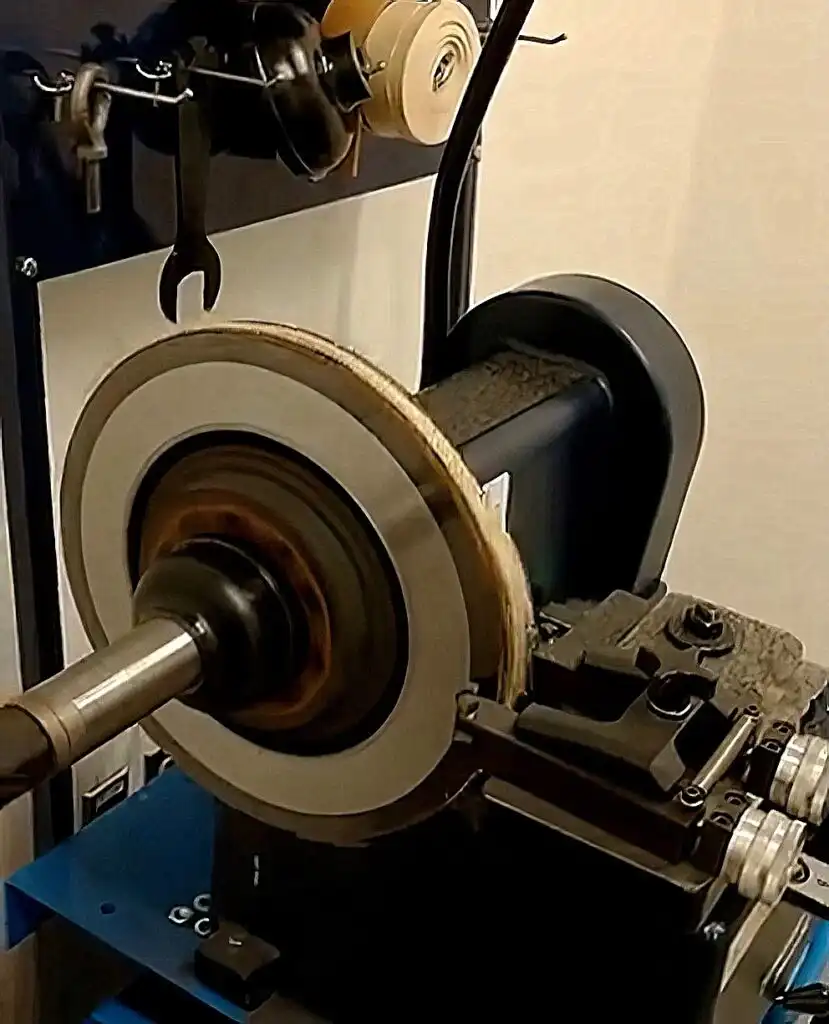
Quick note: “Per axle” means the two fronts or the two rears. Fronts usually wear first because they carry more braking load.
Front vs. Rear Brake Pads: What Should Each Side Cost?
Front work tends to cost a bit more thanks to larger parts and faster wear. Rears can catch up if the car uses an electronic parking brake that must be put in service mode with a scan tool—more time on the clock, even if parts are cheaper.
For everyday vehicles, a fair front pad job usually sits in the low-to-mid $200s per axle; rears are similar unless the parking brake adds steps. Market estimates show pad-only work around $115–$300 per axle, with parts often $35–$150 and labor $80–$120.

Pro Tips are nuggets of information direct from ASE-certified automobile technicians working with CarParts.com, which may include unique, personal insights based on their years of experience working in the automotive industry. These can help you make more informed decisions about your car.
Pro Tip: Contrary to what you might think, rear drum brakes are still common, even on newer pickup trucks, including some models including Toyota, Nissan, Ford, and GM.
Pads vs. Pads + Rotors: When Do Rotors Need To Be Replaced?
Shops now favor replacing rotors over machining them. Estimates suggest that fewer than 30% of auto repair shops in the U.S. still machine brake rotors regularly, with the practice declining sharply over the past two decades. New rotors are reasonably priced and give you the right thickness, runout, and surface for new pads. A practical driveway math check:
- Pads: $35–$150 per axle
- Rotors (pair of basic blanks): $60–$150 per axle
- Labor: $150–$200 per axle
That puts typical cars at $250–$500 per axle for pads and rotors together. Oversized or performance rotors push it higher.
Don’t do this unless you’re really strapped for cash: Putting fresh pads on scored or tapered rotors invites noise, longer stops, and glazed pads. But as long as the rotors are thick enough to be safe, new pads on old rotors are better than scrubbing brake noises due to work out linings. However, if rotor thickness is below spec, replacement isn’t optional.
What pushes pad replacement cost up or down?
Vehicle Mass & Hardware
Heavier rigs and multi-piston calipers call for larger pads and rotors. Luxury and performance models can triple the tab.
Local Labor
Big-city rates and dealer hours outpace independent shops. Full-axle jobs routinely span from the mid-$200s to the high-$800s depending on the market.
Pad Material
- Semi-metallic: Strong bite and heat tolerance at a mid-range price; can be louder and dustier.
- Ceramic: Quiet with cleaner wheels and stable street friction; usually costs more and trades a bit of cold bite for refinement.
- Organic: Quiet and cheap, but shorter life.
Linked Repairs
Stuck slide pins, worn clips, and fluid service add parts and time. Caliper replacement—common with high miles or road salt—can move a bill from hundreds into four figures on some platforms. That said, many full pad/rotor/caliper jobs on everyday cars still sit below $800 per axle. Exotic materials (think carbon-ceramic) live in a different price bracket.
How long do pads last, and what changes the interval?
Most drivers see 30,000–70,000 miles. Terrain, load, and driving style swing things wide. Stop-and-go, towing, and late braking shrink the span; gentle, planned stops stretch it. Fronts usually go first.
Hybrids/EVs: Regenerative braking takes a chunk of the work, so pads can last much longer. But low use can let corrosion creep in, leading to uneven deposits or sticky hardware if the system sits.
DIY vs. Professional: Where Money Is Saved
DIY basket per axle (typical street setup):
- Pads: $35–$150
- Rotors: $60–$150
- Hardware & lube: $10–$25
If you already own a torque wrench, breaker bar, jack stands, and a piston retraction tool (plus a scan tool for electronic parking brakes), you’re roughly at $100–$325 per axle. Paying a shop adds $80–$200 per axle in labor, which puts the same job at $250–$500.
Call a pro right away if you have:
- Electronic parking brakes requiring service mode
- Heavy corrosion or seized parts
- Brake pulsation that needs runout/hub checks
- A brake fluid exchange with ABS bleed steps
Picking the Right Pads for How You Drive
Match friction to heat:
- Daily commute, quiet cabin, clean wheels: Ceramic street pads
- Hills, towing, spirited drives: Semi-metallic for higher thermal headroom
- Track use: Dedicated high-temp compounds (not pleasant when cold)
Trade-offs are normal. More bite can mean more dust and rotor wear; cleaner wheels often come with a softer initial grab.
Side note: Pad compounds affect non-exhaust particles. Regulators are paying more attention to brake dust, much like tire wear, which makes material choice and upkeep worth a thought.
5 Quick Steps to Sketch Your Own Estimate
- Figure out which axle is due: Under ~3–4 mm pad thickness, warning squeal from wear tabs, or dash alerts are your cues. Fronts typically go first.
- Decide pads-only or pads + rotors: Grooves, thickness below spec, or pedal pulsation mean new rotors. That’s the common path now.
- Choose a friction class: Ceramic for quiet/clean; semi-metallic for heat and bite. Price that set.
- Check labor in your area: Use an online estimator to ballpark parts and labor before you call around.
- Add smart small parts: New clips, high-temp silicone lube, brake cleaner, and—when due—a fluid exchange. Small items that prevent noise and uneven wear.
Rear vs. Front Costs
Rears can match front pricing, but two quirks can add time: integrated electronic parking brakes (scan tool time) and drum-in-hat parking brakes that need cleaning and adjustment. Budget a modest labor bump if your car has either; otherwise expect similar ranges to the front.
What “Good Value” Looks Like Per Axle
- Mainstream sedan/crossover: Pads + rotors installed at an independent shop using quality aftermarket parts: $250–$400
- Half-ton pickup / 3-row SUV: $350–$600 thanks to larger components; towing packages skew high
- Luxury/performance: $400–$800, with special materials far beyond that
Rule of thumb: If a quote sits well below those bands, ask what’s missing (hardware, rotor grade, warranty). If it’s way above, ask for a line-item list—calipers, parking-brake service, or hub cleanup might explain it.
Dial in the pad material for your driving, look at rotor condition honestly, and separate parts from labor on every estimate. Do that, and you’ll forecast the bill with confidence—and skip paying for fixes you don’t need. When the numbers look off, check a reputable cost estimator before you say yes.
Keep Reading: Related Posts



Any information provided on this Website is for informational purposes only and is not intended to replace consultation with a professional mechanic. The accuracy and timeliness of the information may change from the time of publication.