Replacing a catalytic converter typically costs between $1,000 and $4,000 for parts and labor, according to AAA. The converter itself accounts for most of that cost. It contains platinum, palladium and rhodium, so the price depends on how much of those metals it uses, the size of your engine, and whether you choose an OEM, aftermarket or California-compliant unit. Labor is usually a smaller share of the bill, unless the converter is welded in place or hard to reach.
How Much Does a Catalytic Converter Replacement Cost?
Most shop quotes fall between $1,000 and $4,000. AAA breaks that into $300 to $2,500 for the part and $160 to $200 per hour for labor. RepairPal, which pulls from shop data, put the national average at $2,280 to $2,480 as of September 3, 2026, with parts making up about $2,044 to $2,133 of that.
Vehicle make matters a lot. AAA’s examples show how far apart the same job can land:
| Vehicle (AAA example) | Aftermarket part | OEM part | Labor |
|---|---|---|---|
| Honda | $200 to $400 | $900 to $2,000 | $100 to $200 |
| Ford | $350 to $700 | $800 to $2,400 | $150 to $300 |
| BMW | $700 to $1,500 | $1,250 to $2,400 | $200 to $400 |
RepairPal’s model-level estimates show the same spread on popular vehicles:
| Vehicle | Estimated total (RepairPal) |
|---|---|
| Nissan Altima | $1,577 to $1,682 |
| Ford F-150 | $1,591 to $1,656 |
| Toyota Camry | $1,872 to $1,950 |
| Toyota Corolla | $2,039 to $2,103 |
| Honda CR-V | $2,330 to $2,554 |
| Honda Accord | $2,737 to $2,916 |
| Chevrolet Silverado 1500 | $2,928 to $3,063 |
Why Do Catalytic Converter Prices Vary So Much?
Two converters for the same car can be priced $1,000 apart. These are the main reasons:
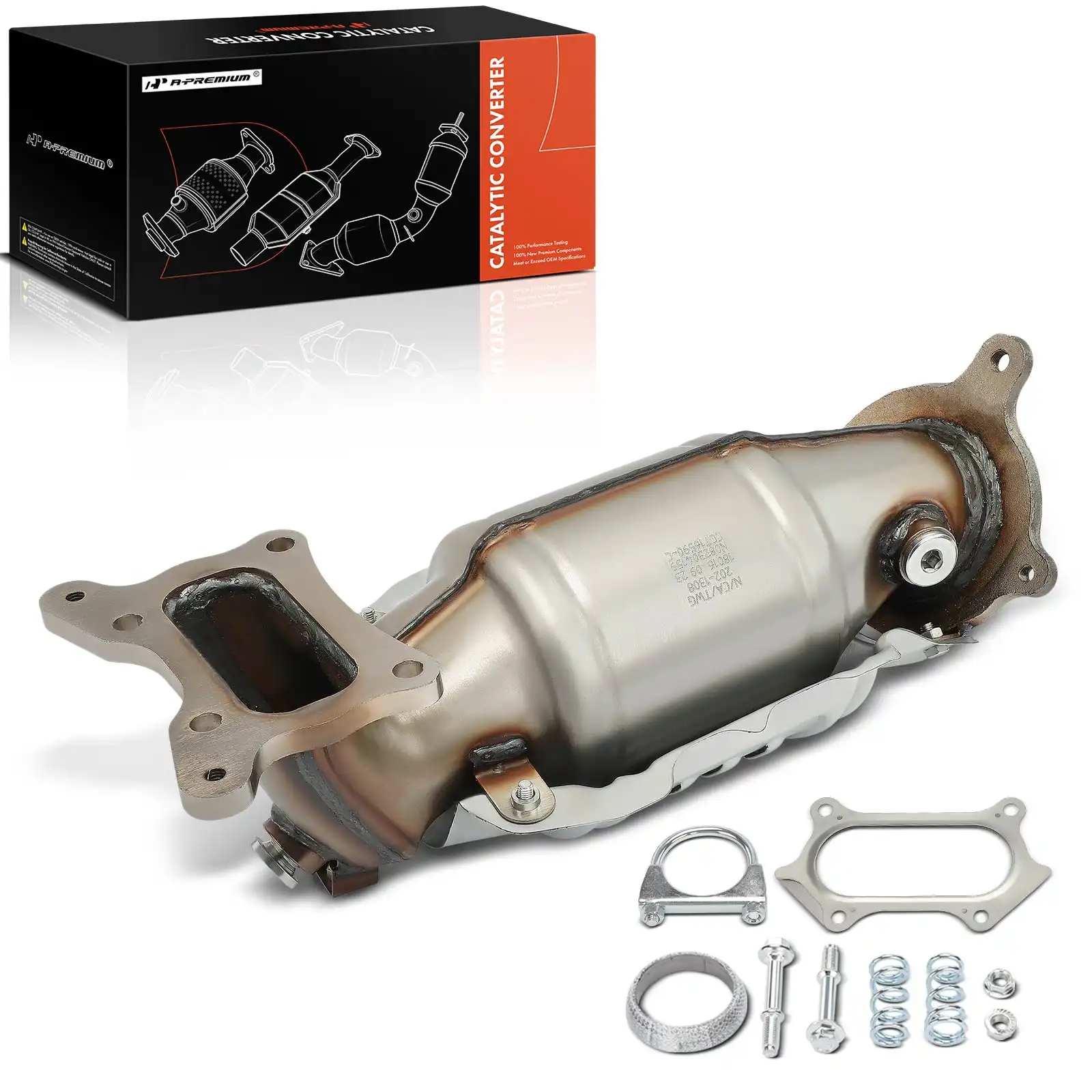
- Precious metal content. The catalyst uses platinum, palladium and rhodium. More metal means a higher price, and metal markets move that price over time.
- Engine size. Larger engines need larger converters with more catalyst. Many V6 and V8 engines also use more than one. See how many catalytic converters a car has.
- Part type. OEM costs the most. Direct-fit aftermarket units bolt in like the original. Universal converters cost less but usually need cutting and welding, which adds labor.
- Emissions standard. CARB-approved converters must match the vehicle’s original emissions certification and carry a 50,000-mile emissions warranty, versus 25,000 miles for federal (EPA) units, according to Northeast states’ converter guidance. Those stricter requirements raise the price.
- Access and condition. Rusted flange bolts, welded joints and converters built into the exhaust manifold all add labor time.
- Related parts. Upstream and downstream oxygen sensors, catalytic converter gaskets and heat shields often get replaced during the same job. AAA estimates about $300 per oxygen sensor at a shop.

OEM, Aftermarket or CARB: Which Converter Can You Install?
This is the decision that moves the price most, and it is not always your choice. What you can legally install depends on where the car is registered or serviced and whether it is still under the federal emissions warranty.
| Your situation | What you can install | Price impact |
|---|---|---|
| Under 8 years / 80,000 miles (federal emissions warranty) | OEM, usually covered by the automaker if the converter failed on its own | Often $0 if the warranty claim is approved |
| Past warranty, in a state that follows federal (EPA) rules | EPA-compliant aftermarket or OEM | Lowest cost option |
| California, Colorado, New York or Maine | CARB-approved aftermarket or OEM only. Federal aftermarket units are not allowed. | Higher part cost |
A few details worth knowing:
- Federal warranty. EPA states that catalytic converters are covered for the first 8 years or 80,000 miles, whichever comes first. Check with a dealer before paying out of pocket.
- EPA aftermarket rules. Under EPA’s aftermarket converter policy, a shop can install an aftermarket converter when the original is missing, has failed an inspection, or the car is past its emissions warranty with a documented need. New EPA-compliant aftermarket converters must carry a 5-year/50,000-mile warranty on the shell and end pipes.
- Colorado. CARB-approved or OEM converters have been required since January 1, 2021, and used or salvaged converters are not allowed.
- New York. Federal aftermarket converters have been prohibited since January 1, 2023. Installers must confirm the part is CARB-certified for the specific vehicle.
- Maine. OEM or CARB-certified converters have been required since June 1, 2018, for most 2001 and newer gasoline vehicles once the original warranty ends.
- Product listings. On CarParts.com, converter listings note EPA or CARB compliance, and EPA units are flagged as not for sale in California and Colorado. If you live in New York or Maine, choose a CARB-compliant unit as well, and confirm it is certified for your exact vehicle.
Note: Rules change, and more states may adopt California’s converter standards. If you live outside California, Colorado, New York and Maine, check your state environmental agency before buying.
Is the Catalytic Converter Really the Problem?
Confirm the diagnosis before spending four figures. A common trigger for a replacement is a P0420 code (or P0430 on bank 2), which means the computer sees low converter efficiency. That reading comes from the oxygen sensors, so other faults can set the same code.
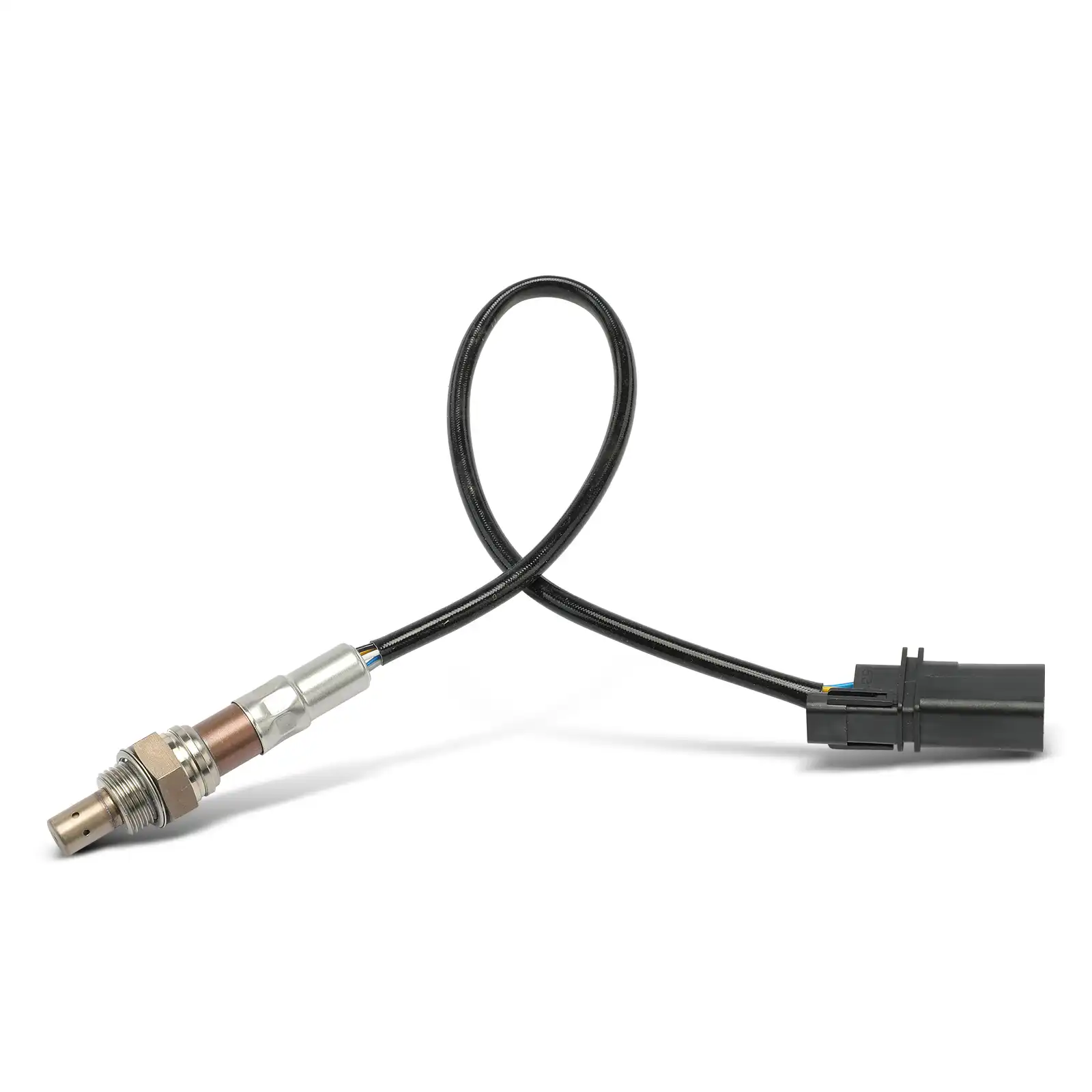
- A faulty downstream oxygen sensor can report a bad converter that is working fine. See our guide to bad O2 sensor symptoms.
- Engine misfires send unburned fuel into the converter and can overheat it. Fix the misfire first, or a new converter can fail the same way. Start with our P0300 misfire guide.
- Exhaust leaks ahead of the rear oxygen sensor can skew its readings.
- A clogged converter shows different signs, like sluggish acceleration, poor fuel economy and hard starting. Here is how to tell if a catalytic converter is clogged.

For the full list of warning signs, read bad catalytic converter symptoms. If you are wondering whether cleaning could save it, we cover that in can a catalytic converter be cleaned.
Can You Replace a Catalytic Converter Yourself?
Yes, if your vehicle uses a bolt-on, direct-fit converter and you can safely raise the car. Doing it yourself removes the labor charge, which AAA puts at $100 to $400 depending on the vehicle. Welded-in or manifold-integrated converters are better left to a shop.
A typical bolt-on swap needs:
- Jack stands or a lift, plus wheel chocks
- Penetrating oil and a breaker bar for rusted flange bolts
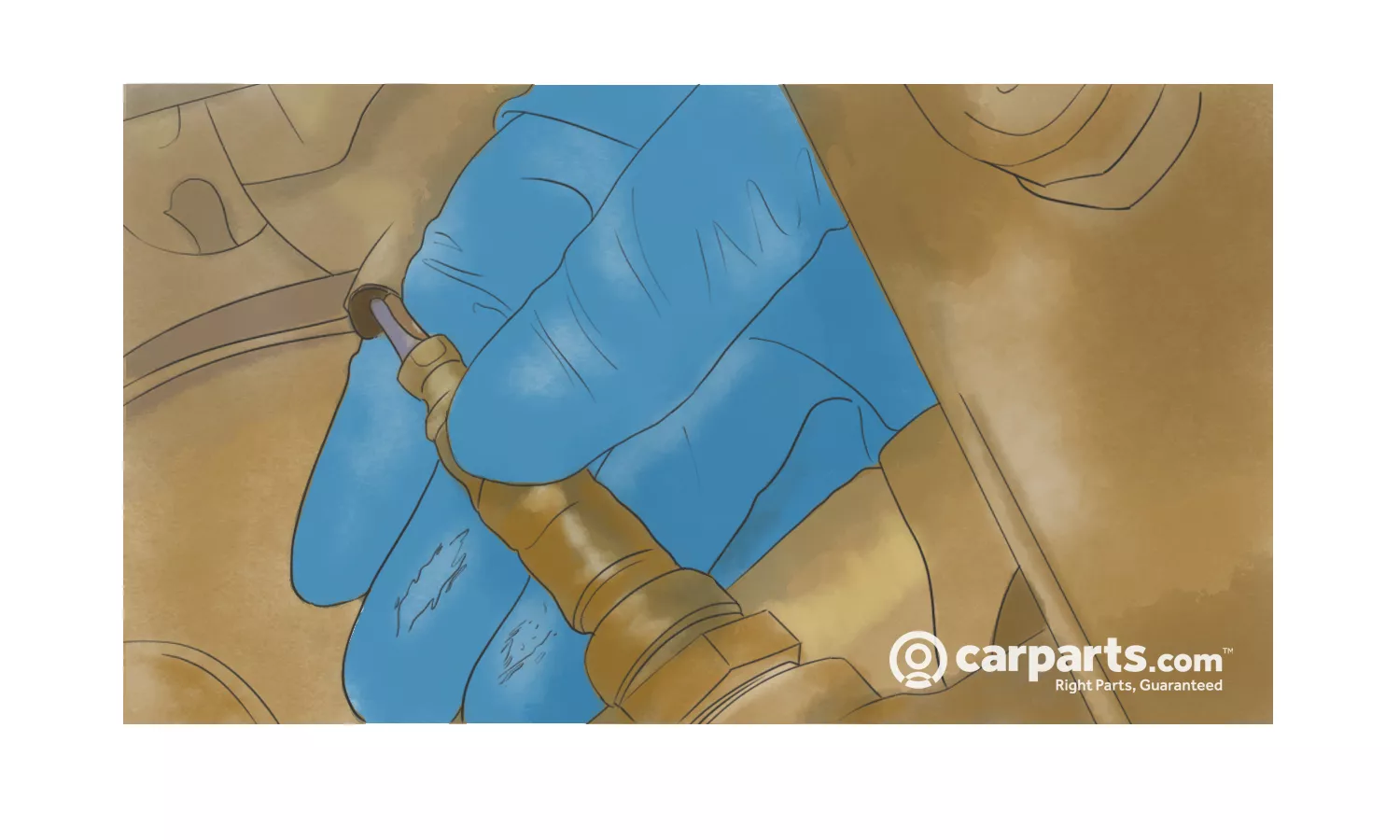
- An oxygen sensor socket
- New exhaust flange gaskets and hardware
- The correct converter for your vehicle and state (EPA or CARB)

Not sure where yours sits? See where the catalytic converter is located.
Warning: Let the exhaust cool completely before starting. Converters run hot enough to cause serious burns long after the engine is off.
How Can You Lower the Cost?
- Check the warranty first. If the car is under 8 years or 80,000 miles, ask a dealer about coverage under the federal emissions warranty.
- Fix the root cause. Repair misfires, oil burning or coolant leaks before installing a new converter so it lasts.
- Choose the right tier. If you live in a federal (EPA) state and are past warranty, a direct-fit aftermarket converter costs far less than OEM.
- Ask about supplying your own part. Some shops will install a part you bring. Ask first, since policies and labor warranties vary.
- Replace oxygen sensors only if they test bad. They add cost quickly and are not always needed.
FAQs
It depends on the car’s value and condition. With RepairPal’s national average at $2,280 to $2,480 installed, a converter can be a large share of an older car’s value. If the engine is healthy and the car passes inspection otherwise, replacement usually makes sense, since removing the converter is illegal and states with emissions inspections will fail the car without one.
Short trips are usually possible, but it is not a good idea to wait. A clogged converter can cause power loss and overheating, and a failed one will keep the check engine light on and fail an emissions inspection.
It depends on the design. A bolt-on, direct-fit converter is a much shorter job than a welded or manifold-integrated one. Ask the shop for the book labor time for your vehicle so you can compare quotes.
They contain platinum, palladium and rhodium, which are expensive metals. CARB-approved units must meet stricter certification and warranty requirements than federal units, which adds to the price.
In most states, yes, once the vehicle is past its emissions warranty and the replacement is needed. California, Colorado, New York and Maine (for most 2001 and newer vehicles) require CARB-approved or OEM converters instead of federal aftermarket units.
Keep Reading: Related Posts



Any information provided on this Website is for informational purposes only and is not intended to replace consultation with a professional mechanic. The accuracy and timeliness of the information may change from the time of publication.