High quality fog lights cut through fog, rain, dust, and snow by projecting a wide, low beam that stays beneath the moisture line and reduces glare bouncing back at the driver. They differ from standard headlights in beam shape, mounting position, and optical engineering, which is why a properly built fog lamp performs in conditions where a headlight alone falls short.
What Makes Fog Lights High Quality
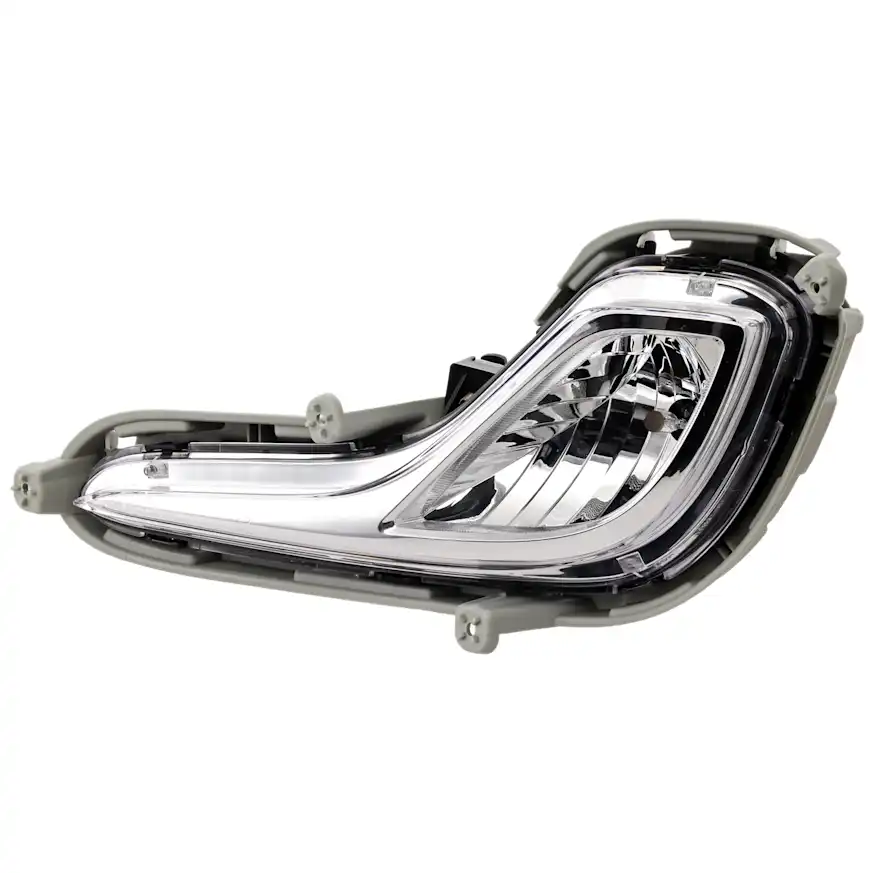
Premium fog lights combine a precision-engineered beam pattern, sealed weatherproof housing, automotive-grade electrical components, and SAE-compliant optics. These four elements determine whether a fog lamp actually improves visibility or simply adds light without purpose.
A well-built fog lamp produces a sharp horizontal cutoff that aims light low and wide. This shape lets the beam travel under fog, mist, and falling rain instead of reflecting back into your eyes. Lower-tier options often skip the cutoff or use generic reflector designs, creating scatter that worsens visibility rather than improving it.
Build quality also separates serious fog lights from cosmetic alternatives. Look for these markers when comparing options:
- Polycarbonate lenses with UV coating to resist yellowing
- Die-cast aluminum or reinforced polymer housings
- Sealed wiring harnesses with weatherproof connectors
- Stainless or zinc-coated mounting hardware
- Visible SAE markings molded into the lens
Note that fog lights are regulated under SAE standards, not DOT. The Department of Transportation classifies fog lamps as auxiliary lighting, so any product claiming DOT compliance for a fog light is using inaccurate language.
How Fog Lights Differ From Headlights
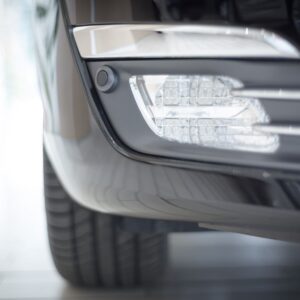
Fog lights and headlights serve separate purposes, and using one in place of the other reduces safety in poor weather. Headlights project a longer beam aimed slightly downward and forward, designed for clear-night visibility at highway speeds. Fog lights sit lower on the bumper and throw a flat, wide beam that spreads light across the road surface immediately ahead of the vehicle.
The lower mounting matters more than most drivers realize. Fog typically forms 12 to 18 inches above the pavement, so a lamp mounted near the bumper sends light beneath that layer. A headlight aimed at the same conditions illuminates the fog itself, creating a wall of glare.
LED vs. Halogen Fog Lights
LED has largely replaced halogen as the preferred technology for replacement fog lighting, though both still have a place depending on the vehicle and application.
| Feature | LED Fog Lights | Halogen Fog Lights |
| Lifespan | 30,000 to 50,000 hours | 500 to 1,000 hours |
| Power draw | 10 to 30 watts | 35 to 55 watts |
| Color temperature | 5000K to 6000K (white) | 3000K to 3500K (yellow-white) |
| Performance in heavy fog | Strong with proper optics | Traditionally favored for amber output |
| Heat output | Low at the lens, high at the heat sink | High at the bulb |
LED assemblies require thermal management to prevent premature failure. Quality units use aluminum heat sinks, integrated cooling fins, or active cooling. Cheap LED fog lights often skip this entirely, leading to dim output within a year. A high quality 30w LED fog light typically delivers output comparable to a 55-watt halogen while drawing nearly half the current, which matters on older vehicles with marginal charging systems.

Halogen still appeals to drivers who prefer warmer color temperatures, since amber light scatters less in fog and dust. Some off-road and overlanding builds use selective yellow lenses for this reason.
Signs Your Fog Lights Need Replacement
Fog lamps degrade gradually, so the warning signs are easy to ignore until visibility drops. Watch for these issues:
- Yellowed or hazy lenses that diffuse the beam
- Condensation or standing water inside the housing
- Cracked or warped plastic from heat exposure
- Flickering, dimming, or one lamp out
- Burn marks or melted areas near the bulb socket
- Loose mounting that lets the beam aim drift
A discolored lens cuts light output significantly even when the bulb works fine. If you see internal fogging that does not clear within an hour of driving, the housing seal has failed and moisture will continue damaging the reflector and electrical contacts.
What To Look For When Shopping for Replacement Fog Lights
The aftermarket fog light category contains a wide spread of price and quality. Two assemblies that look identical in product photos may differ significantly in materials, validation, and beam accuracy. Use this checklist before buying:
- SAE markings molded into the lens
- Manufacturer-stated testing or validation process
- Virgin plastic housing rather than recycled blends
- Factory-style connector that matches your harness
- Vehicle-specific fitment listing rather than universal sizing
- Warranty coverage of at least one year
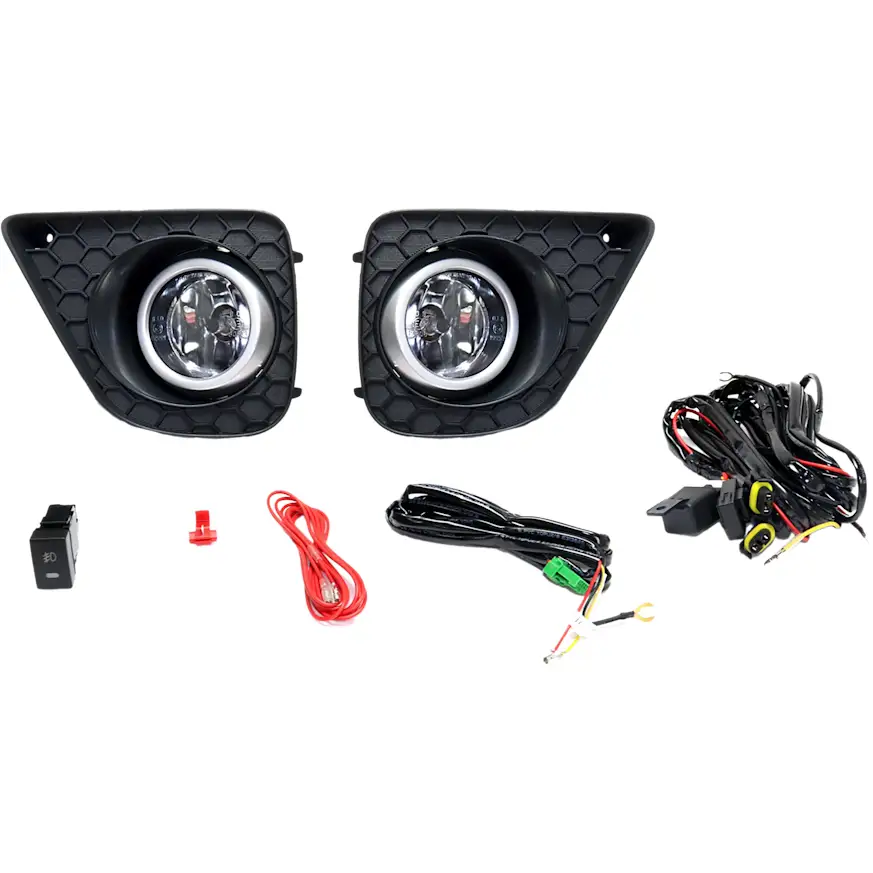
JC Whitney and Replacement fog lights from CarParts.com are engineered to meet SAE standards and undergo a structured validation sequence before reaching production. This process targets the failure points most common in low-cost lighting, which translates to longer service life and consistent beam performance over time.
The 9-Step Validation Process
Replacement and JC Whitney fog lights go through nine separate checks before production approval:
- Lighting function test verifies all illumination features work as designed.
- Air-tightness test uses a pressurized check to confirm seal integrity.
- Waterproof test sprays the assembly with high-pressure water from 360 degrees for one hour while the lamp is active.
- Real-world driving vibration test simulates road vibration at 750 rpm at the mounting points for one hour.
- Endurance burn test runs the lamp at 13.5 volts for eight hours, followed by internal inspection.
- Underwater test submerges the assembly to confirm zero air or water leakage.
- Photometric validation measures beam output using an LMT goniophotometer for regulatory reference.
- Electronic signal verification confirms stable communication with the vehicle electrical system.
- Vehicle fitment confirmation checks installation and on-road function before approval.
This sequence catches the issues that show up months after installation in lower-tier products: moisture intrusion, vibration cracks, premature dimming, and electrical faults.
Fog Light Fitment and Installation Considerations
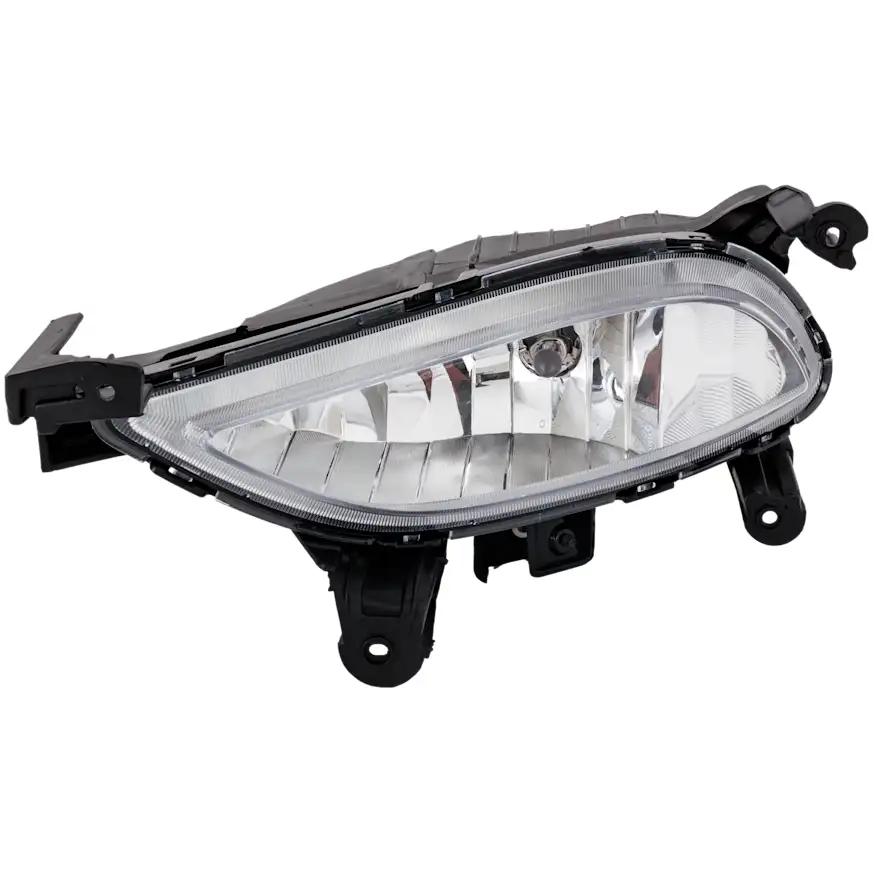
Fitment problems cause more fog light returns than any other factor. Vehicles often share fog lamp openings across trim levels but use different bezels, brackets, or wiring connectors. Verify three things before ordering:
- Year, make, model, trim, and submodel match
- Connector style matches your factory harness
- Bezel or trim ring is included if your old one is damaged
For most vehicles, replacement takes 20 to 45 minutes per side and requires basic hand tools. Some trucks and SUVs need the wheel well liner partially removed for access. Always disconnect the battery before working near the wiring, and aim the beam after installation using a flat wall at 25 feet to confirm the cutoff sits below headlight height.If you also run high quality small round LED fog lights as auxiliary lamps, wire them through a relay tied to the parking light circuit so they shut off with high beams, as required in most states.
Drive Smarter in Bad Weather
Fog lights only earn their cost when they hold up to weather, vibration, and time without losing output or aim. Choosing certified, tested assemblies protects visibility on the nights you need it most and saves you from replacing the same parts twice. Browsetested and certified fog lights from Replacement and JC Whitney to upgrade with confidence.
Keep Reading: Related Posts




Any information provided on this Website is for informational purposes only and is not intended to replace consultation with a professional mechanic. The accuracy and timeliness of the information may change from the time of publication.