To replace a differential cover, drain the gear oil, unbolt and pry off the old cover, clean the housing, scrape the mating surface, seal the new cover with Room-Temperature Vulcanizing (RTV) silicone or a gasket, torque the bolts to spec, and refill with the correct gear oil. Basic hand tools cover the whole job.
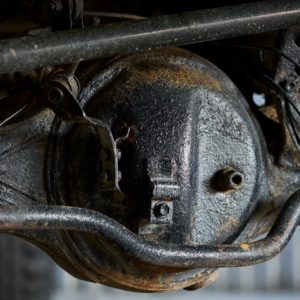
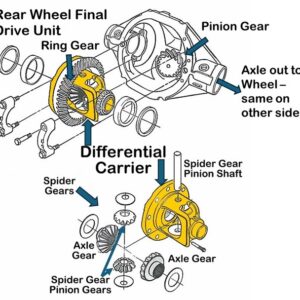
The differential cover is the bolt-on plate that closes off the axle housing. It keeps gear oil around the ring and pinion gears and keeps dirt and water out. When it cracks or seeps, the differential can run low and wear out its gears.
Key Takeaways
- A leaking differential cover can lead to low gear oil and internal gear damage if you ignore it.
- Loosen the fill plug before you drain, so you know you can refill the differential.
- A clean, smooth mating surface matters more than the amount of sealant you use.
- Torque the cover bolts to the manufacturer’s spec in a crisscross pattern.
- Use the gear oil weight, type, and capacity your vehicle maker specifies.
When a Differential Cover Needs Replacement
Replace the cover when it leaks, cracks, or takes a hit that bends it. Common signs include wet, grimy gear oil around the cover’s edge, drips under the axle, a dent from a rock, and rust eating through the metal.
A resealed cover that keeps leaking often points to a warped flange or a hairline crack, so a new cover makes more sense than adding more sealant. Some owners also upgrade to a heavy-duty cover for off-road protection.
Check That Your Axle Has a Bolt-On Cover
Look for a ring of bolts around the center section before you buy parts. If you see them, this is a driveway job.
Not every axle works this way. Some designs, including the rear axles on many Toyota pickups, use a drop-out carrier (often called a third member) that bolts in from the front, while welds seal the back of the housing. On these axles, a crack in the back of the housing calls for a fabricator or a replacement axle housing, not a cover swap.
Tools and Supplies You’ll Need
Tools
- Floor jack and jack stands
- Torque wrench
- Ratchet, sockets, and a combination wrench for hard-to-reach bolts
- 3/8-inch drive extension, which fits many square-drive drain and fill plugs
- Gasket scraper or razor blade
- Oil drain pan
Supplies
- Replacement differential cover, plus a gasket if your application uses one
- Silicone gasket maker (RTV) rated for gear oil
- Brake cleaner
- Gear oil in the correct weight and chemistry
- Teflon tape or new plug washers
- Shop towels
How To Change a Rear Differential Cover Step-by-Step
Keep everything clean, since most repeat leaks trace back to a dirty sealing surface or unevenly torqued bolts.
Raise and Support the Vehicle
Set your vehicle on jack stands rated for its weight, and never work under one that’s sitting only on a jack. Keep the axle close to level so you can judge the fill level accurately. If you’ve just driven, let the axle cool first.

Loosen the Fill Plug First
Crack the fill plug loose before you drain anything. If it’s seized, you’ll find out while the differential still has oil in it, not after it’s empty.
Drain the Oil and Remove the Bolts
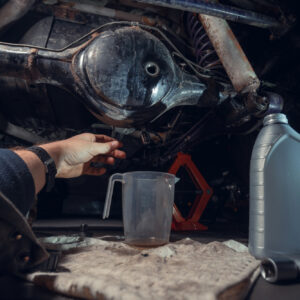
Set the drain pan in place, remove the drain plug if your cover has one, and let the oil drain fully. Then remove the bolts around the cover’s perimeter.
No drain plug? Leave one or two top bolts loosely threaded, pry the bottom of the cover open, and let the oil run out. A gasket scraper can help break the seal. If you decide to use a razor blade,go easy with it, since a gouge in the housing flange can create a leak path.
Clean the Housing and Inspect the Gears
Spray brake cleaner over the housing and gears from top to bottom to flush out old, sticky oil. It evaporates quickly and doesn’t leave residue.
Then look for chipped or broken teeth, heavy pitting, and metal chunks. Fine gray paste on a magnet is typical wear. But large shards or missing teeth aren’t, so have the differential inspected before you close it.
Scrape the Mating Surfaces
Remove all old gasket material and RTV from the housing flange without gouging it. Finish with a swipe of brake cleaner so that the surface is dry and oil-free.
Seal and Install the New Cover
Run a continuous bead of RTV around the cover’s sealing surface, tracing inside each bolt hole so the bead circles it. If your cover uses a gasket, follow the gasket maker’s directions instead.
Press the cover into place and thread in a bolt right away to anchor it. Hand-tighten the remaining bolts.
Torque the Bolts and Reinstall the Drain Plug
Tighten the bolts in a crisscross pattern to the manufacturer’s torque spec. Uneven tightening can squeeze sealant out of one side and leave a gap on the other.
Wrap tapered-thread plugs with Teflon tape. If your vehicle’s plugs use a crush washer or O-ring, replace it instead. Torque the drain plug to spec.
Refill With the Correct Gear Oil
Give the RTV the cure time listed on its label. Then fill through the fill port until oil reaches the bottom edge of the hole, and reinstall the fill plug.
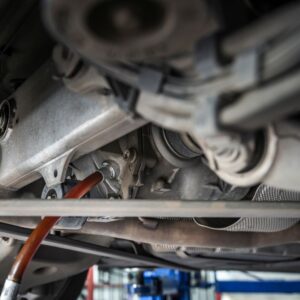
Check your owner’s manual for viscosity, type, and capacity. Some differentials call for full synthetic oil, while some limited-slip units need conventional oil with a friction modifier. The wrong fluid can cause chatter or internal damage. Take the old oil to a facility that accepts used fluids.
After a short drive and a cooldown, check for fresh seepage. If you hear new whining, grinding, or clunking, have the axle inspected, since the differential sends power to the wheels.
FAQs
It depends on the cover. Many factory covers seal with RTV only, while some replacement covers come with a reusable gasket. Use one method, not both, unless the cover maker says otherwise.
Yes. Follow the same process and reuse your original cover if it’s straight and crack-free. If your cover has both a drain plug and a fill plug, you can often change the oil without pulling it.
A slow seep isn’t an emergency, but it shouldn’t wait. Running a differential low on oil can damage the gears and turn a small job into a big one.
Check the bolt torque first, then look for a dirty flange or a bead that didn’t fully circle a bolt hole. Adding oil before the sealant cures and a bent cover can also break the seal.
Find the Right Differential Cover for Your Vehicle
A solid differential cover keeps gear oil where it belongs and protects the gears that drive your wheels. CarParts.com carries replacement differential covers, gaskets, and gear oil for a wide range of cars, trucks, and SUVs. Enter your vehicle’s year, make, and model to find parts that fit, and seal the axle to get your ride back on the road.
Keep Reading: Related Posts



Any information provided on this Website is for informational purposes only and is not intended to replace consultation with a professional mechanic. The accuracy and timeliness of the information may change from the time of publication.