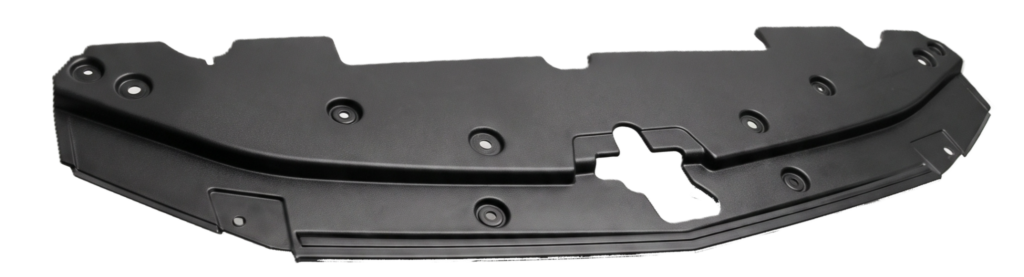
The radiator support cover does more than tidy up the engine bay. It shields the top edge of the radiator core from road debris, deflects heat, and keeps contaminants out of the cooling fins. On most street vehicles, this plastic panel sits between the hood and the radiator, secured by a combination of push-pin retainers and small bolts. When it cracks, warps, or goes missing, the radiator becomes exposed to every stone, bug, and splash the road throws at it. Replacing it is a job most owners can complete in under an hour.

Pro Tips are nuggets of information direct from ASE-certified automobile technicians working with CarParts.com, which may include unique, personal insights based on their years of experience working in the automotive industry. These can help you make more informed decisions about your car.
Pro Tip: Furthermore, material that falls between the condenser and the radiator when the support cover is missing can cause overheating.
How Do You Install a Radiator Support Cover?
Installing a radiator support cover requires no special mechanical background. The process is the same across most front-wheel and rear-wheel drive vehicles: remove the old cover, transfer or replace the retainers, and clip the new panel into place.
Tools and materials needed:
- Trim removal tool or flathead screwdriver wrapped in tape
- Needle-nose pliers
- 8mm or 10mm socket and ratchet (varies by vehicle)
- Replacement push-pin retainer clips
- The new radiator support cover
Steps:
- Open the hood and let the engine cool completely before touching any components.
- Locate all retainer clips along the top and sides of the existing cover. Most vehicles use 6 to 14 plastic push-pin retainers. In many cases, these will be the only retainers for the cover, although sometimes there are small bolts or screws.
- For two-piece retainers that release by depressing the center pin, press the center pin inward with a trim tool, then pry up the outer ring. The entire clip releases cleanly when done correctly. This is true of many retainers, but some are one-piece retainers that are much simpler to remove. Some have what looks like a Phillips screw head in the middle, but typically you’ll need to pop that center up with a pick because using a screwdriver does not always work on that kind. Unless you unlatch a two-piece retainer before removing it, you may need a replacement..
- Remove any bolts securing the cover to the radiator support bracket (if it has bolts). These are typically 8mm or 10mm fasteners.
- Lift the old cover straight up and set it aside. Check the radiator fins for damage while access is clear.
- Compare the new cover to the old one. Confirm hole placement, tab positions, and overall dimensions match before proceeding.
- Set the new cover into position, aligning all tabs with the radiator support frame first. You may need to tilt it to properly slide it under the secondary hood latch on some vehicles.
- Hand-thread any bolts before tightening to avoid cross-threading.
- Press new push-pin retainers into each hole. The center pin should click flush when fully seated.
- Tug the cover gently at each corner to confirm it is secure. No flex or lift should be present.
Tip: If the original retainers broke during removal, pick up a variety pack of push-pin clips at any auto parts store. Match the shaft diameter and head size to the original. Installing a cover with missing retainers allows it to vibrate loose at highway speed.
What Should You Check for Fitment Before Buying?
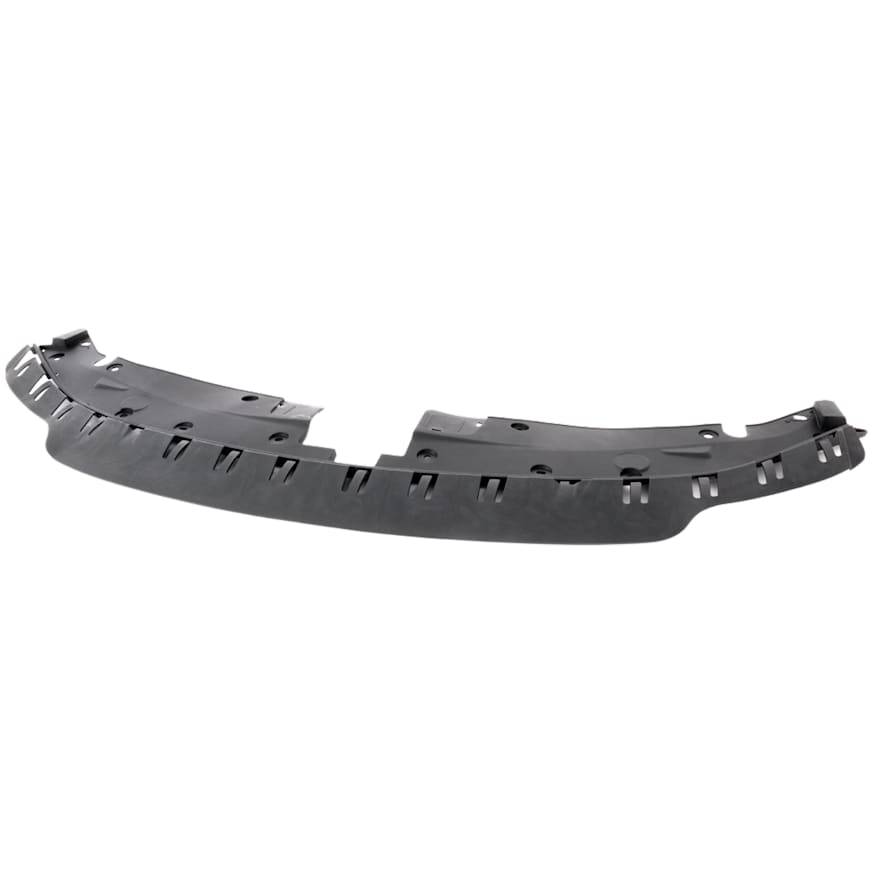
Fitment problems are the most common reason for returns on replacement radiator support covers. A cover that is off by a few millimeters will not seat correctly, leaving gaps that let debris through and create an unsightly gap under the hood.
Confirm all of the following before purchasing:
- Year, make, model, and trim level of the vehicle
- Engine size, when multiple configurations share the same body
- Whether the vehicle uses a single upper cover or separate left and right panels
- The number and diameter of retainer holes on the original cover
- Whether the cover includes a sight shield or access panel for checking coolant level
Warning: Do not rely on visual similarity alone. Two covers that look identical from a photo can have different mounting tab positions. Use the vehicle’s VIN when shopping online to filter results to exact-fit parts only.
Why Does Cover Material and Finish Matter?
Radiator support covers are molded from polypropylene or ABS plastic, and the finish affects both durability and appearance. Most OEM-style replacements come in a textured black finish that resists fading and does not require painting. Smooth-finish covers are available for vehicles where the panel is visible through the grille opening, but they show scratches more readily. For a deeper look at radiator types and materials, understanding core construction also helps when evaluating cover fit and heat compatibility.
Material types available:
- OEM-equivalent polypropylene: Best choice for daily drivers. Handles heat cycles and vibration without cracking.
- Reinforced ABS: Slightly stiffer, suited to performance trims where underhood temperatures run higher.
- Carbon fiber appearance panels: Cosmetic upgrade for visible engine bays; same installation process.
Can You Save Money Buying Online?
Online purchases deliver the best pricing on replacement radiator support covers. Compared to dealership pricing, aftermarket covers from reputable online suppliers typically cost 50 to 85 percent less for the same fitment. Shipping on covers is generally fast because the part ships flat and is unlikely to be damaged in transit.
CarParts.com filters results by year, make, model, and engine, so the correct panel ships the first time. The Guaranteed to Fit program removes the risk of ordering by VIN or vehicle selection, and free 30-day returns are included on most radiator support covers.
How Do You Know the Installation Was Done Correctly?
A properly installed radiator support cover should sit flush with the hood when closed. There should be no visible gap between the cover and the grille surround, no rattle at idle, and no movement when the cover is pressed down with light finger pressure.
Post-installation checks:
- With the hood open, inspect the cover’s fit along the front of the vehicle. The cover should sit evenly with no wave or bow. Usually the support cover is totally hidden by the hood anyway, so you won’t be able to see it with the hood closed.
- Press down on each corner. Any springiness or upward movement indicates a retainer is not fully seated. When you get the cover in place, you can tell if it’s seated by how the retainer holes line up.
- Start the engine and let it reach operating temperature. Listen for any rattling from the engine bay.
- Check coolant level through the sight opening if the cover includes an access panel. Confirm the panel snaps shut before closing the hood.
If the engine runs hotter than normal after reinstallation, the cover may be obstructing airflow to the radiator fan shroud. Recheck tab alignment and retainer seating before investigating the cooling system further. For a full walkthrough on replacing a faulty radiator, additional cooling system context is available.
A sagging or loose cover can contact the radiator fan shroud or the top of the radiator core under hard braking. Replace all damaged retainers at the same time as the cover. Reusing broken clips saves very little money and creates a repeat failure.
Keep Reading: Related Posts



Any information provided on this Website is for informational purposes only and is not intended to replace consultation with a professional mechanic. The accuracy and timeliness of the information may change from the time of publication.