Replacing a floor pan in a car means cutting out the rusted section, fitting a new metal panel, welding it in place, then sealing and priming it to keep moisture out. It’s one of the most common sheetmetal repairs on older vehicles, and while it takes patience, it’s well within reach for a careful DIYer with the right tools. The core sequence stays the same on almost any car: remove what’s rotten, prep clean bare metal, fit the replacement, weld, then protect both sides of the repair.
Key Takeaways
- Cut out all rust first. A new panel welded over compromised metal will rust again, so remove every bit of corrosion before fitting anything.
- Choose your weld type early. Butt welds give the cleanest result; lap welds are easier for beginners and are sometimes required by local rules for structural sections.
- Treat and prime bare metal with weld-through primer before welding to stop corrosion forming under the new panel.
- Seal both sides. Seam seal and prime the topside and underside, then add sound deadener and undercoating to lock moisture out.
- Mind the structure. On unibody cars the floor carries load, so don’t cut more than you must at once and brace the body if needed.
What a Floor Pan Does and Why It Rots
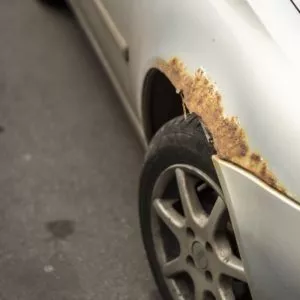
The floor pan is the large stamped metal sheet that forms the bottom of the passenger compartment. It carries seat mounts, supports occupants, and on unibody vehicles contributes to the car’s structural stiffness. Because it sits low and traps water from leaks, wet shoes, and failed seals, it’s one of the first areas to corrode.Rust usually starts where moisture collects: under carpet, near the rocker panels, and around heater cores that leak coolant. Left alone, surface rust eats through the metal and weakens the structure. That’s why car floor repair almost always starts with finding the moisture source, not just the hole. A common culprit is a leaking windscreen seal, which lets water run down into the floor and quietly rust it from above. If you catch corrosion early, you may be able to stop rust without welding, but once it eats through the metal, a panel swap is the only durable fix.
Tools and Materials You’ll Need
You don’t need a full body shop, but quality consumables make a real difference. Plan to gather the following:
- A MIG welder suited to thin sheet metal, ideally with easy-grind or low-carbon wire that’s easier to hammer and dolly flat.
- Cutoff wheels and grinding discs. Fresh, quality discs cut fast and cool, which matters because heat warps thin metal.
- A replacement panel, either a stamped pan made for your vehicle or flat sheet you shape yourself.
- Weld-through primer, epoxy primer, seam sealer, and undercoating for protecting the repair.
- Basic hand tools: clamps, a hammer and dolly set, marker, and measuring tape.
A thin, consistent gap between the old and new metal makes butt welding far easier, so don’t rush the cutting and fitting stage.
Step by Step: Replacing the Panel
Remove the Old Metal
Strip out the seats, carpet, and trim so you can see the full extent of the damage. Mark a clean cutting line in solid metal beyond the rust, then cut out the rotten section with a cutoff wheel. Disassembling carefully and reversing that order on reassembly keeps the job organized.
Prep and Treat Bare Metal
Grind back to clean, bright steel around the repair area. If any rust remains and you can’t cut it out, treat it with a rust converter, but cutting it out is always the better fix. Apply weld-through primer to the mating surfaces so corrosion doesn’t start under the new panel.
Fit the New Panel
Position the replacement and trim it to leave a small, even gap for butt welding, or an overlap if you’re lap welding. For lap joints, a 50mm overlap is sometimes required for structural floor sections depending on local regulations, so check what applies where you live. Clamp everything tightly so nothing shifts while you tack.

Weld It In
Start with spaced tack welds to hold position and spread heat, then fill in gradually, skipping around to avoid warping. Butt welding gives the strongest, cleanest panel but demands good heat control, while lap welding is more forgiving for a first-timer. Take your time, because heat is the enemy of flat sheet metal. The same patient approach applies whether you’re patching a pan or repairing auto body rust holes elsewhere on the car.
Finish and Protect
Grind welds smooth, then seam seal the joints on both the top and underside. Prime with epoxy, then add sound deadener inside and undercoating beneath. If you’re unsure which protective coating to reach for, this breakdown of rust proofing vs undercoating explains what each does. Sealing thoroughly is what keeps the repair from rusting through again.
A Note on Safety
The floor pan is part of your vehicle’s structure, so treat the repair seriously. Don’t remove large sections at once on a unibody car without bracing the body, or it can flex and lose alignment. Welding near fuel lines, brake lines, or the tank calls for extra caution: disconnect the battery, keep a fire extinguisher handy, and move or shield anything flammable. If you’re unsure whether the surrounding structure is sound, have a qualified shop inspect it before you drive the car, since a weakened floor affects how it holds up in a collision.
FAQ
How long does it take to replace a floor pan?
For a single pan, expect a full weekend or more as a beginner. Cutting and fitting carefully takes longer than the welding itself, and rushing tends to create warping and gaps you’ll fight later.
Can I just patch over the rust instead of cutting it out?
You can, but it won’t last. Rust spreads under anything you cover it with, so welding a new panel over rotten metal just hides the problem until it returns. Cutting back to clean steel is the only durable approach.
Should I butt weld or lap weld?
Butt welding looks cleaner and is structurally ideal, but it’s harder to control. Lap welding is easier for beginners and is sometimes required for structural sections. If you’re new to sheet metal, lap welding with proper sealing is a solid choice.
Do I need to seal the underside too?
Yes. Moisture attacks from both directions, so sealing only the topside leaves the underside exposed. Seam seal and undercoat the bottom to protect the weld fully.
What causes floor pans to rust in the first place?
Trapped moisture, usually from wet carpet, failed door or window seals, or a leaking windscreen. A leaking heater core location under the dash can also drip coolant onto the floor. Find and fix the leak, or the new pan will eventually rot too. Following a fewtips to deal with rust on the rest of the body helps keep new corrosion from starting.
Drive On a Floor You Can Trust
A solid floor is the foundation of a safe, rust-free ride, and doing the job right means your repair will outlast the rest of your vehicle. Once the metal is sealed, a set of fresh floor mats helps trap the wet shoes and spills that started the problem in the first place. Take your time with the cutting, welding, and sealing, and you’ll end up with durable metal. When you’re ready to source replacement floor pans, primers, and the right consumables, CarParts.com has the parts to get you there.
Keep Reading: Related Posts




Any information provided on this Website is for informational purposes only and is not intended to replace consultation with a professional mechanic. The accuracy and timeliness of the information may change from the time of publication.