Replacing an intake manifold gasket means draining the coolant, pulling the manifold, scraping off the old gasket, seating the new one, and reassembling everything in order. It’s a manageable weekend job for most DIYers with basic hand tools and patience. Parts run cheap, but the job demands a clean workspace and a methodical pace.
Key Takeaways
- The intake manifold gasket seals the manifold to the cylinder head or heads. Failures usually show up as coolant leaks, rough idle, or a vacuum leak.
- DIY parts cost $20 to $80, but professional labor pushes the total to $300 to $1,000 or more.
- The job is moderate in difficulty: easy for inline engines, harder for V6 and V8 layouts with stacked components.
- Cleanliness during the swap matters more than fancy tools. Any debris in the ports can damage the engine.
- A cold engine, a labeled set of hoses, and a torque sequence from the service manual are the three things that keep this repair from going sideways.
What an Intake Manifold Gasket Does
The intake manifold gasket sits between the bottom of the intake manifold and the engine block or cylinder head. It seals two different metal surfaces so that air, fuel, and coolant stay where they belong. Many manufacturers use multipiece manifolds with extra gaskets between the plenum and runners.
Gaskets are long-life parts, but heat cycles, vibration, and coolant flow eventually break them down.
Common Symptoms of a Failing Gasket
Watch out for these signs:
- Coolant pooling around the manifold or dripping near spark plug wells
- Sweet-smelling steam from the engine bay
- Rough idle, hesitation, or a hissing sound under the hood
- Drop in fuel economy or power
- Slow coolant loss with no visible puddle
Vacuum leaks throw off the air-fuel ratio. Coolant leaks can trigger overheating, so don’t sit on the repair. A vacuum problem can also affect vacuum-assisted systems on some vehicles. If you suspect a brake booster or related vacuum problem, have a shop inspect your vehicle before driving.
Tools and Parts You’ll Need
Gather everything before you start:
- New intake manifold gasket set
- Coolant and a funnel
- RTV gasket maker (only if your gasket kit specifies it)
- Socket and ratchet set, including a torque wrench
- Jack and jack stands
- Drain pan
- Gloves and safety glasses
- Plastic scraper or razor blade
- Aerosol brake cleaner
- Shop rags and masking tape
- Service manual for your specific vehicle
How To Replace Intake Manifold Gasket
Work on a cold engine. Coolant under pressure can burn you, and aluminum manifolds warp if you torque bolts while hot.
Prep the Engine
Disconnect the negative battery terminal. If needed for access, lift the front of the vehicle with a jack and set it securely on jack stands. Place a drain pan under the radiator, remove the radiator cap or pressure cap as applicable only when the engine is cold, and drain the coolant according to your vehicle’s service procedure. Many engines route coolant through the intake manifold or adjoining passages, so draining now prevents a mess later.
Label and Disconnect
Take a clear photo of the engine bay. Then use masking tape and a pen to label every hose, vacuum line, electrical connector, and fuel line tied to the manifold. Number them so that reassembly is straightforward. Remove the serpentine belt if it blocks access.
Remove the Manifold
Disconnect the throttle body wiring or linkage as required, along with any fuel connections and brackets that prevent manifold removal. If the fuel system must be opened, relieve fuel pressure and follow the precautions in your service manual. Loosen the manifold bolts in reverse of the torque sequence specified for your engine.
Remove or lift the manifold as required to gain full access to the gasket. On many engines, the manifold must come off completely. Do not force it or strain hoses, wiring, or other components that remain attached.
Stuff clean rags or paper towels into the intake ports. Anything dropped in there can damage the engine.
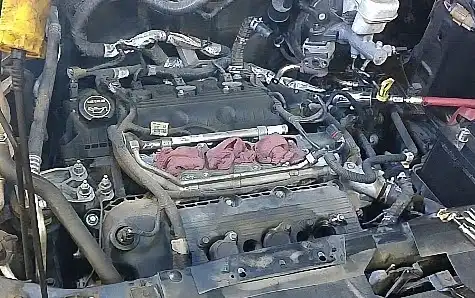
Clean the Mating Surfaces
Scrape off the old gasket with a plastic scraper unless the gasket is a molded silicone seal. In that case, remove the old seal and work the new gasket into the groove. Avoid gouging the aluminum. Clean the mating surfaces with a residue-free cleaner that is compatible with the materials until they are dry and contaminant-free. The cleaner the surface, the better the new gasket will seal.
Install the New Gasket
Test-fit the new gasket on the block before applying any sealant. Confirm the orientation matches the ports. If your gasket kit calls for RTV, lay a thin, continuous bead on the seams and around water passages. Modern gasket sets often need no sealant at all, so follow what the kit specifies.
Set the manifold straight down without sliding it. Hand-thread all bolts first. Then torque them in the sequence and to the spec given in your service manual. Going out of order or overtightening warps the manifold and ruins the new gasket.
Reassemble and Bleed
Reconnect every hose and wire using your labels. Refill the cooling system. If your vehicle has a bleeder valve, use it. If not, open the heater hose at a high point and pour coolant in until it flows out cleanly. Reconnect the battery, start the engine, run the heater on high, and watch for leaks as the system pressurizes.
How Much Does It Cost To Replace an Intake Manifold Gasket?
Parts are the cheap side of this repair. A gasket set runs anywhere from $20 to $80 depending on the engine. Coolant, RTV, and miscellaneous supplies add another $20 to $40.
Labor drives the bill. Shops typically charge $250 to $900 in labor because the job takes anywhere from 2 to 6 hours. Total shop cost lands between $300 and $1,000 for most vehicles. V6 and V8 engines with intake plenums buried under other components will cost more.

How Hard Is It to Replace an Intake Manifold Gasket?
For an experienced DIYer with a service manual and a free Saturday, it’s a manageable job. The mechanical steps aren’t complex: unbolt, lift, clean, seal, reinstall.
What makes the repair tricky is the surrounding clutter. Modern engine bays pack throttle bodies, sensors, fuel rails, and brackets around the manifold. Labeling everything saves real time. The other risk is contamination. Even a small piece of old gasket dropped into a port can damage valves, so take your time on the cleanup step.
Stacked or split manifolds, or transverse engines with limited clearance take longer. Inline four-cylinders are the friendliest layout.
FAQ
Can I drive with a leaking intake manifold gasket?
Short trips at low speed may be possible, but it isn’t a good idea. Coolant loss leads to overheating, and overheating warps heads. Fix it soon.
How long does an intake manifold gasket last?
Most last 60,000 to 100,000 miles. Plastic-bodied manifolds with integrated gaskets sometimes fail earlier. Heat cycles and coolant condition affect lifespan more than mileage alone.
Do I need to replace coolant when changing the gasket?
Yes. You’ll drain the system to do the job, so refill with fresh coolant of the type your manufacturer specifies. Mixing types can damage seals and water pump components.
Should I use RTV sealant on the new gasket?
Only if the gasket kit or service manual tells you to. Many modern gaskets seal dry. Adding RTV where it isn’t called for can create leaks or contaminate sensors.
Will a bad intake manifold gasket throw a check engine code?
Often yes. Lean codes, misfire codes, and EVAP-related codes are common when a vacuum leak develops at the manifold.
A careful intake manifold gasket replacement can save hundreds in labor and keep your vehicle’s engine properly sealed for the long haul. Stock up on the right gasket set, fresh coolant, and the tools you’ll need before you start. Find replacement intake manifold gaskets and everything else for this repair at CarParts.com.
Keep Reading: Related Posts






Any information provided on this Website is for informational purposes only and is not intended to replace consultation with a professional mechanic. The accuracy and timeliness of the information may change from the time of publication.