
Motorcycle Wear Parts: How To Know When To Replace Them

A motorcycle rewards attention more than almost any other machine. With only two wheels and no cage around you, a worn part isn't just an inconvenience, it's a safety risk. The good news is that the parts that wear out follow a predictable pattern. Brake pads thin, chains stretch, tires harden, batteries fade, and filters clog on a schedule you can learn to read. The riders who stay safe and avoid roadside breakdowns are simply the ones who catch these signs early and replace parts before they fail.
This guide tackles the core wear parts on a motorcycle, the warning signs that tell you that each one is done, and when to replace it. Use it as your foundation for keeping any street bike running strong, whether you commute daily or ride for the weekend twisties.

Brakes:
Pads and Discs
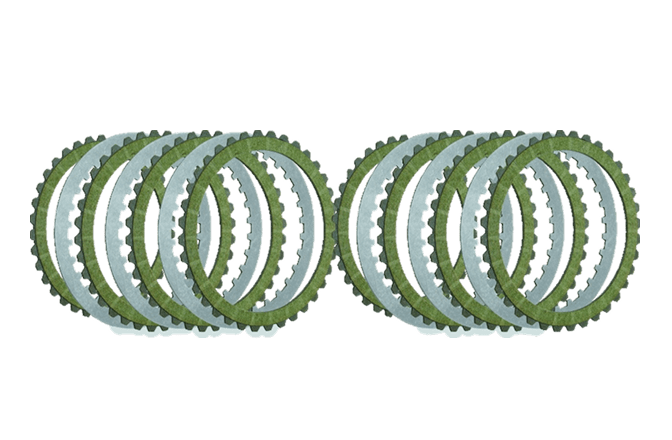
Brakes are the most safety-critical wear part for any motorcycle, and they wear constantly. Every stop sheds a little friction material from the pads, and over time the discs wear too. On a bike, fading brakes leave no margin for error, so this is the system to inspect most often.
Warning Signs
A high-pitched squeal, a grinding noise, a soft or spongy lever, longer stopping distances, and a pulsing feel at the lever or pedal all point to brake wear. Most pads carry a wear indicator groove, so when the friction material wears down close to the backing plate, the pad is done. A pulsing lever usually signals a warped or scored disc rather than just a tired pad.
When To Replace
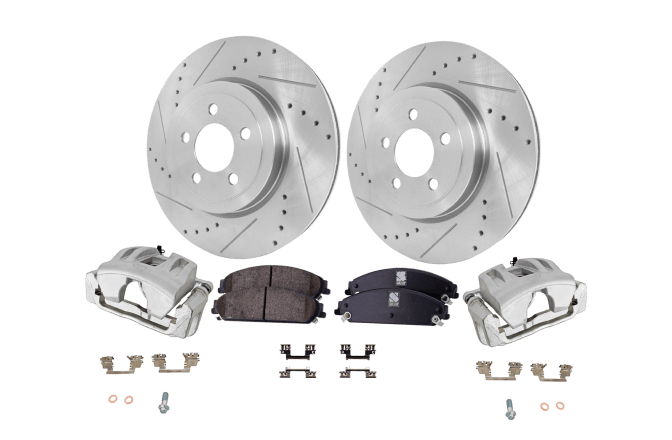
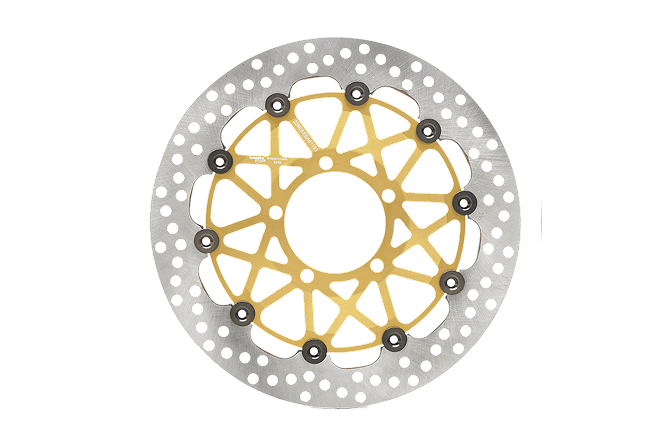
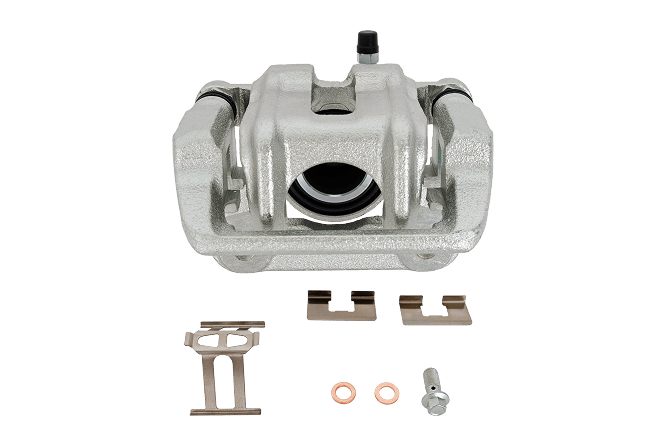
Replace the pads once the friction material wears thin or the wear indicator shows, and replace the disc if it's scored, warped, or worn below its minimum thickness, which is often stamped on the rotor. Shop Powersports brake pad sets and matching brake discs for your bike, and replace pads as a set so that braking stays balanced front to rear. Aggressive riders and heavy commuters burn through pads faster, so inspect more often if this describes how you ride.
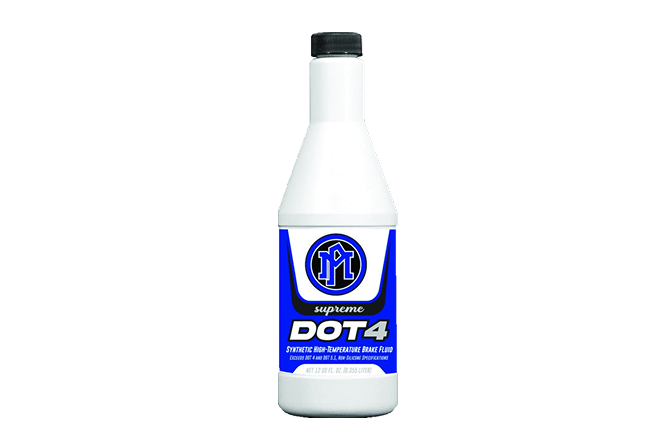
Bed in new pads with a series of moderate stops before riding hard, since fresh friction material needs to transfer evenly onto the disc to reach full bite. Skipping this step leaves you with grabby, noisy brakes and a shorter pad life. Check the brake fluid at the same time, because a spongy lever sometimes comes down to old, moisture-laden fluid rather than the pads.
Shop brake parts for your bike:
Tires
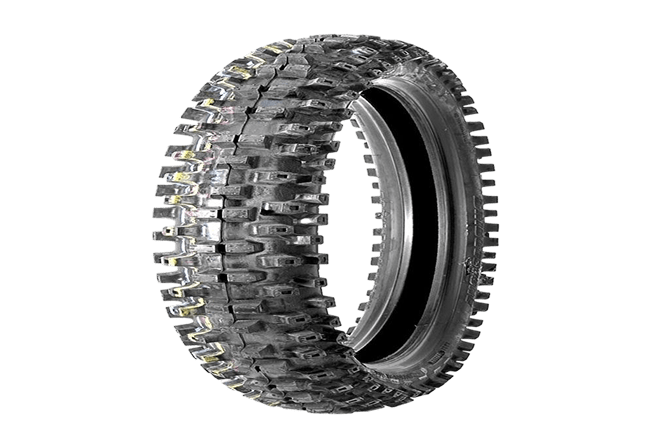
Tires are your only contact with the road, and on a motorcycle this contact patch is no bigger than a credit card. Tires wear from use and degrade from age, so even a tire with tread left can turn unsafe once the rubber hardens or cracks.
Warning Signs
Worn tread near the wear bars, cracking in the sidewall, cupping or scalloping, a squared-off profile from highway miles, and a tire that won't hold pressure all mean it's time for replacement. A tire that has hardened with age loses grip long before the tread disappears, which is especially dangerous in the rain or on cold mornings.
When To Replace
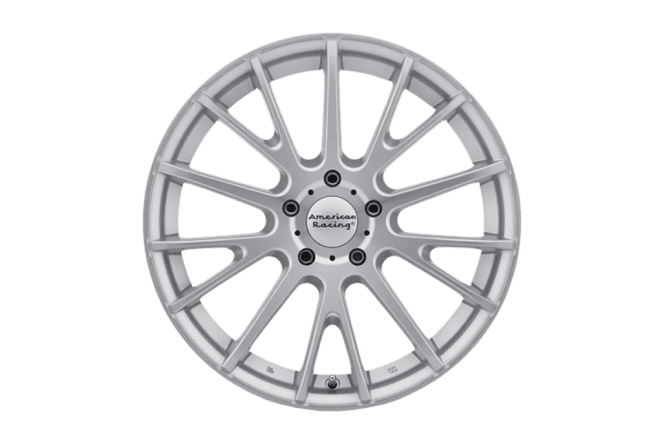
Replace tires when the tread reaches the wear bars, when the rubber shows cracking, or when the date code shows the tire is simply too old, regardless of mileage. Match the tire to your riding, since a sport tire, a touring tire, and a cruiser tire are built for very different jobs. Always run the pressure your bike specifies, because an underinflated motorcycle tire wears unevenly, steers poorly, and runs dangerously hot at speed.
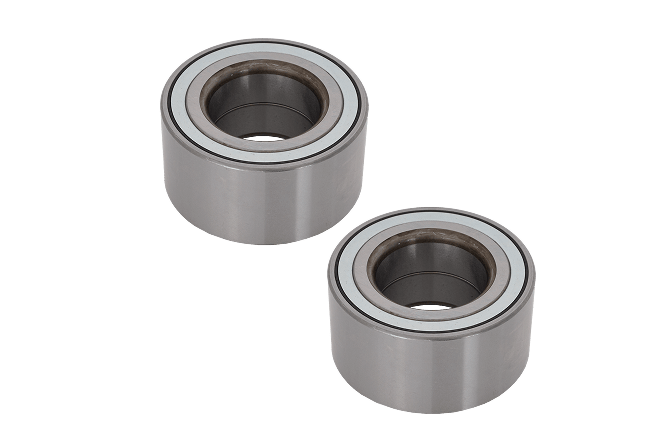
Shop tire parts for your bike:
Battery
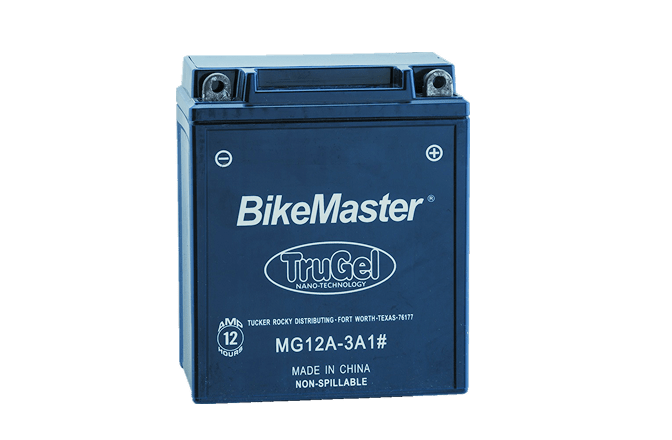
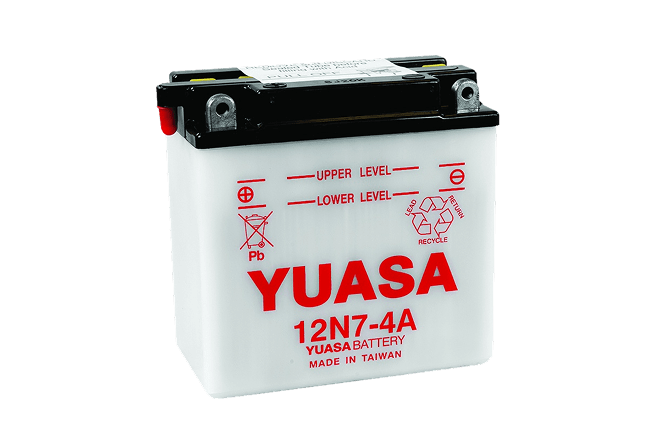
A bad motorcycle battery is the part most likely to strand you without warning, because it can read fine one day and fail to crank the next. Motorcycle batteries live a hard life, with heavy vibration, temperature swings, and long idle stretches between rides all shortening their lifespan compared to a car battery.
Warning Signs
Slow cranking, dim lights, a clicking starter, and a charge that will not hold all point to a dying battery. If your bike needs a tender or a jump just to wake up after a short layoff, the battery is telling you its useful life is over.
When To Replace
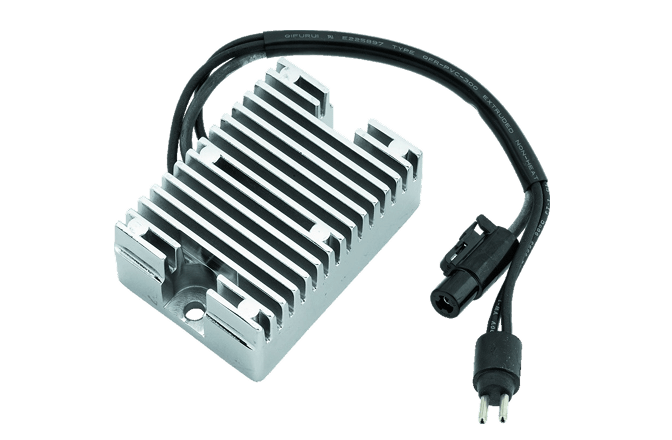
Most motorcycle batteries last three to five years, less if they sit without a maintainer. Test the battery under load rather than trusting a resting voltage reading, and replace any that fails. Shop powersports batteries sized for your bike, and keep a tender connected during storage so the next one lasts its full life. A healthy battery also protects the charging system, since a weak battery makes the stator and regulator work harder.
Shop battery parts for your bike:
AIR Filter
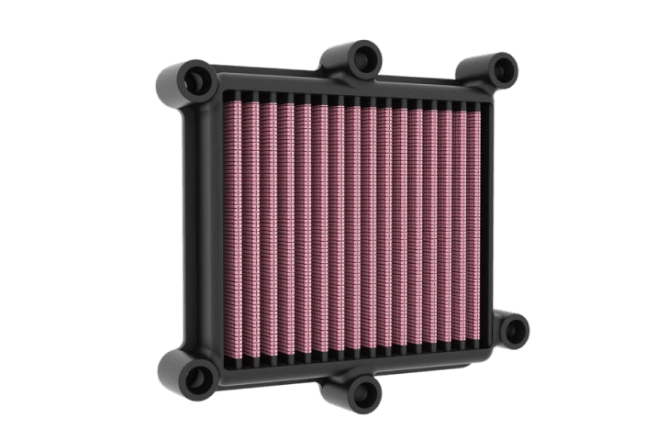
The air filter is cheap and easy to overlook, yet it guards every breath the engine takes. It traps dust and grit that would otherwise score the cylinder, so a clogged filter chokes power while a torn one lets abrasives straight into the engine.
Warning Signs
Sluggish acceleration, reduced fuel economy, a rough idle, and a visibly dirty or oil-soaked element all signal a filter past its prime. Bikes ridden in dusty conditions or heavy city traffic load their filters faster, so check more often if this is your routine.
When To Replace
Clean reusable foam and gauze filters on schedule, and replace paper elements when they darken or clog. Browse powersports air filters to match your bike's engine, and pair a fresh filter with an oil change for the biggest gain in throttle response. Keeping a spare on the shelf means a dirty filter never delays a ride.
Shop filters for your bike:
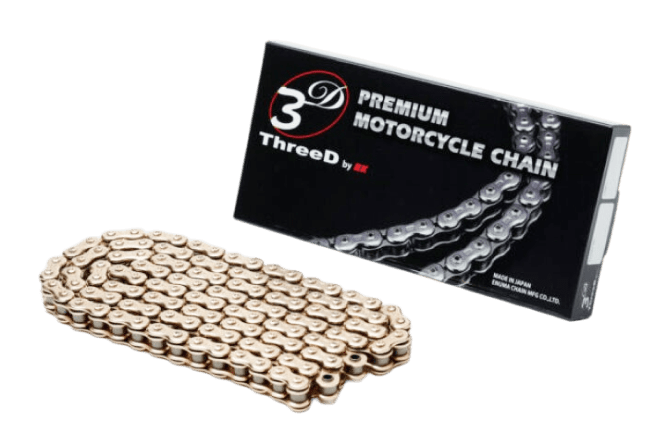
Chain and Sprockets
On a chain-driven motorcycle, the final drive is a wear item that demands regular attention. A neglected chain robs power, shifts roughly, and in the worst case can snap or jump the sprocket at speed.
Warning Signs
A worn-out chain needs constant adjustment, shows tight and loose spots as you rotate the wheel, sits rusty or kinked, or rides up the rear sprocket teeth. Hooked or shark-finned sprocket teeth confirm the drivetrain is due for a replacement. A chain you can pull noticeably away from the back of the rear sprocket has stretched past its limit.
When To Replace
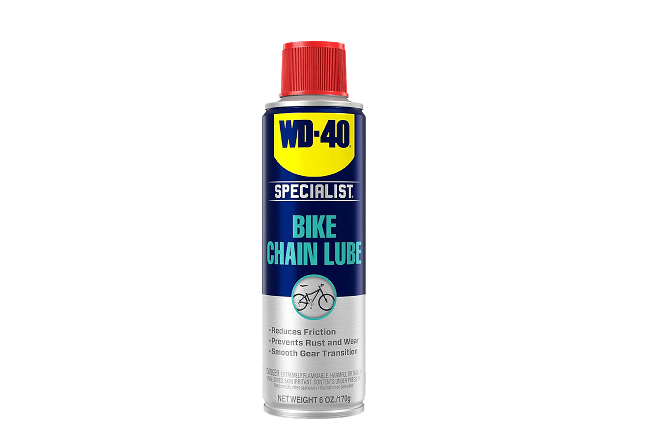
Keep the chain cleaned, lubricated, and adjusted to the slack your owner's manual specifies, and replace the chain and both sprockets together as a set. A new chain on worn sprockets wears out fast, so doing them together saves money over time. Belt-driven and shaft-driven bikes skip the chain, but still need their final drive inspected on schedule.
Shop drivetrain parts for your bike:
Fluids and
Spark Plugs
Fluids and spark plugs are consumables rather than hard parts, but neglecting them wears out the expensive components around them.
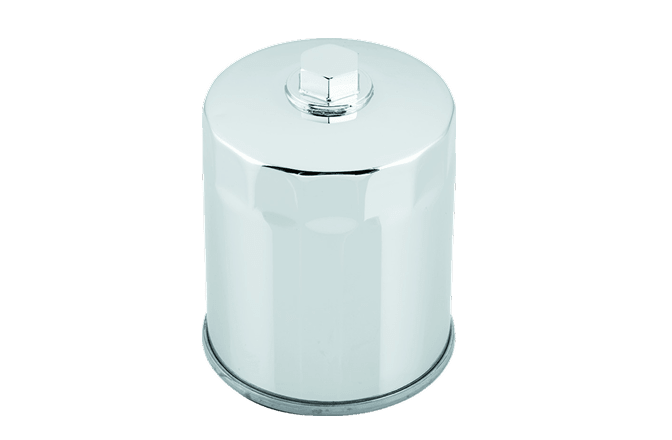
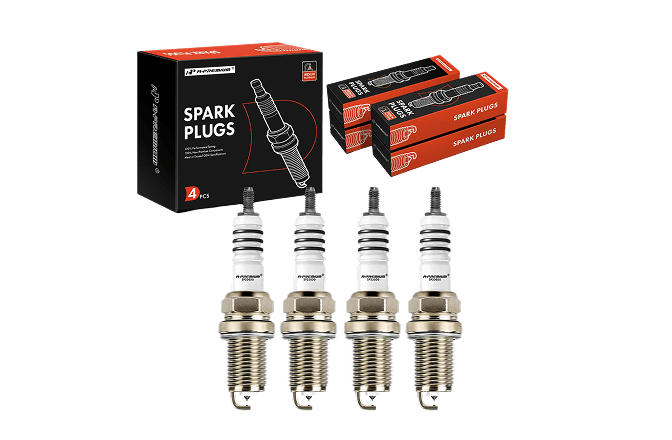
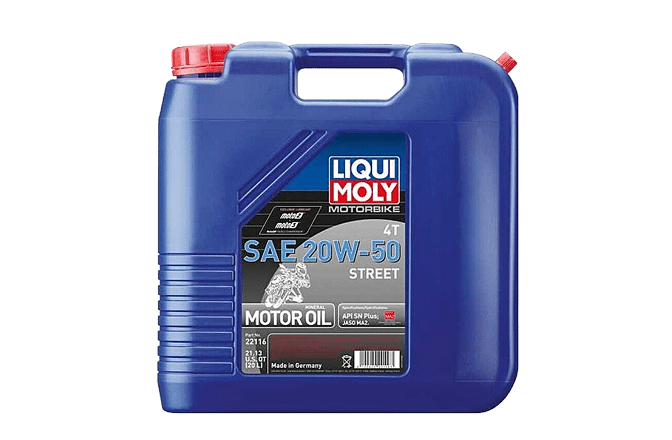
Engine oil breaks down and collects contaminants, so change it and the filter on the schedule in your manual to protect the engine. Coolant loses its protective additives over time on liquid-cooled bikes, brake fluid absorbs moisture that lowers its boiling point, and fork oil degrades and affects handling. Spark plugs foul, erode, and widen their gap, which shows up as hard starting, misfires, and weak power. Replace plugs at the recommended interval and inspect them whenever your bike runs rough. Keeping these consumables fresh extends the life of the brakes, battery, and drivetrain parts above.
Shop ignition and engine parts for your bike:
Build a Motorcycle Wear-Parts Routine
The smartest way to manage wear parts is to inspect on a rhythm rather than wait for failure. Run a quick pre-ride check of the tires, brakes, chain, and lights every time you ride, and do a deeper inspection each season or service interval. Log what you check and when, so that a slow-developing issue stands out before it strands you or puts you at risk.
It's best to stock common consumables. A shelf with spare brake pads, an air filter, a battery, and the right fluids turns a repair into a quick job instead of a wait for shipping. Buy quality parts that match your bike, and let the actual condition of each part, not just the calendar, drive your replacement decisions.


Find Your Motorcycle Parts at the JC Whitney Performance Hub
Ready to stay ahead of wear before it costs you a ride? The JC Whitney Performance Hub puts brake pads, discs, air filters, batteries, and the powersports parts your motorcycle needs in one place. Shop by your exact bike so that every part fits the first time, and stock the consumables you know you'll need. Browse the JC Whitney Performance Hub today and keep your motorcycle running strong mile after mile.