
Two wheels or four? That is the first real fork in the road for anyone getting into off-road riding. The dirt bike vs ATV debate sparks more garage arguments than almost any other powersports question.
Both machines open up trails, tracks, and weekend freedom, but each one asks different things from you. This guide goes beyond the usual pros-and-cons list. You will get the real story on engines, fitment, consumables, legal rules, and what it actually costs to keep either one running.
What Each Machine Actually Is
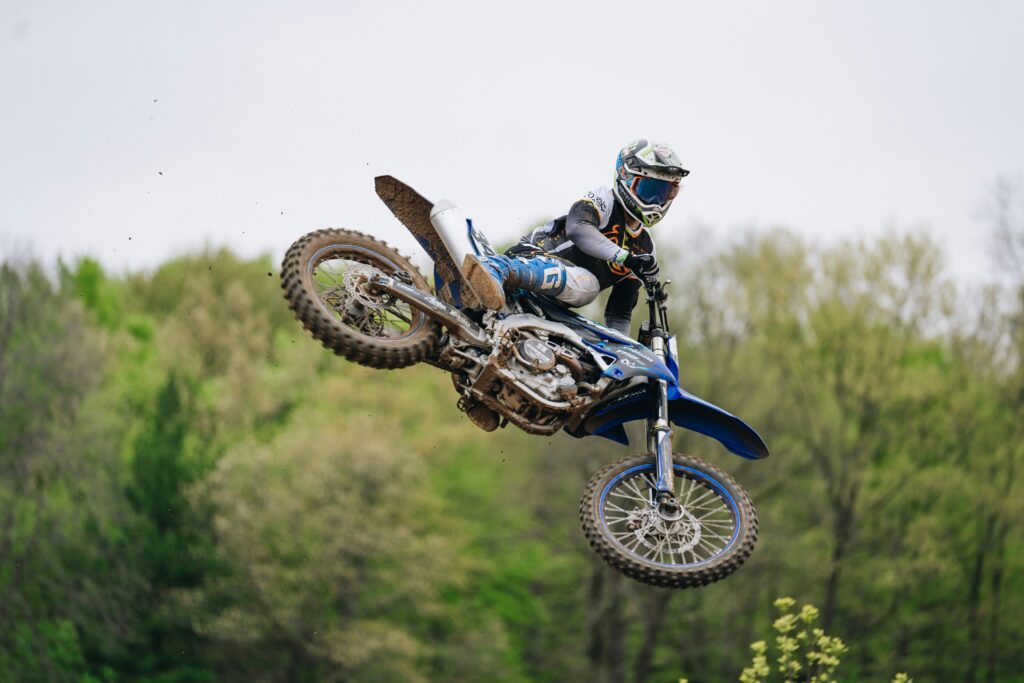
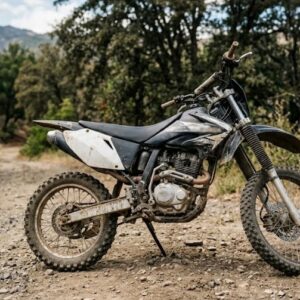
A dirt bike is a lightweight off-road motorcycle. Most weigh between 200 and 250 pounds and run a single-cylinder engine tuned for torque and quick response. New riders usually start on a four-stroke because the power comes on smoother and service intervals stretch further. Two-strokes weigh less and hit harder up top, but they need premix fuel or oil injection and more frequent top-end rebuilds. If you are still weighing two-stroke vs four-stroke power for your riding style, that choice shapes everything downstream, from maintenance to cost.
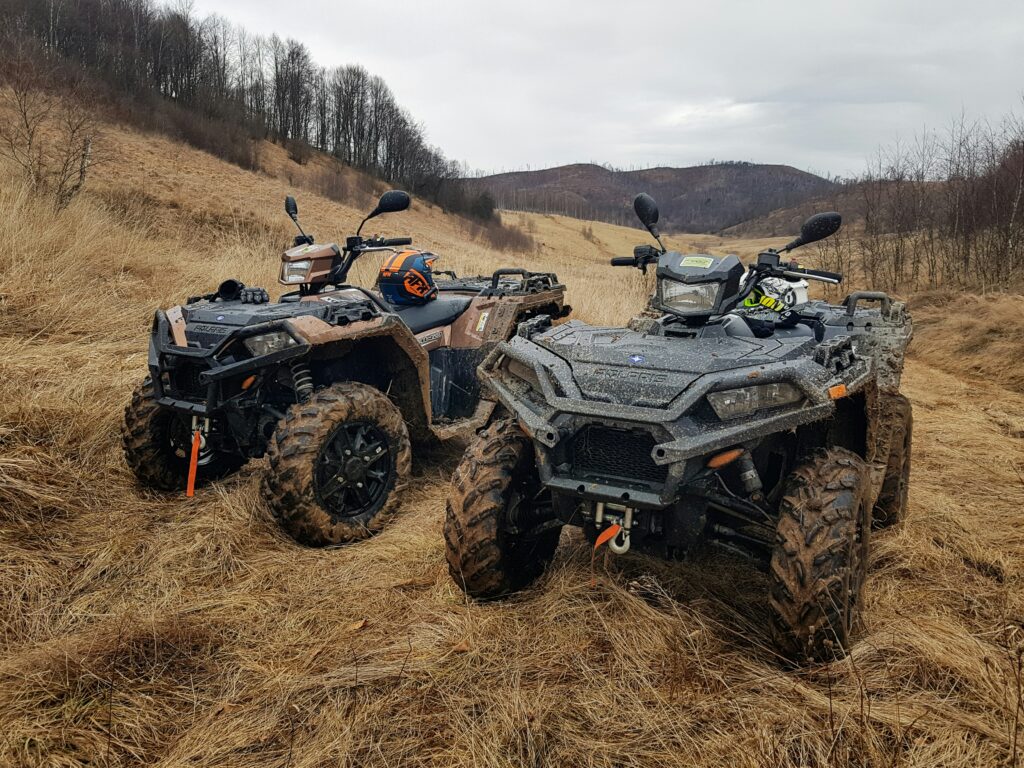
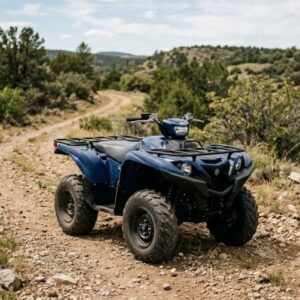
An ATV, often called a quad or four-wheeler, weighs 400 to 750 pounds. Engines fall into two camps: sport-tuned for fast trail work or utility-geared for hauling and towing. Sport quads like the Yamaha YFZ450R or Honda TRX450R feel closer to a dirt bike in character. Utility quads like the Polaris Sportsman carry gear, tow small trailers, and crawl through rough terrain at low speeds.

Handling and Skill Requirements
A dirt bike rewards technique. You steer with the bars, the pegs, and your hips at the same time. Staying loose through whoops and berms takes real practice. The payoff is agility no quad can match. You can pick lines between trees, hop over logs, and carve singletrack that stops an ATV cold.
An ATV feels more forgiving at first because four wheels stay planted. Do not confuse stability for simplicity, though. Sport quads demand active body positioning, and riders lean hard into corners to keep the inside wheels loaded. Rolling a quad on a sidehill causes some of the most serious off-road injuries. The early learning curve just moves to a different skill set.
Terrain That Suits Each Machine
Dirt bikes shine on tight singletrack, motocross tracks, enduro loops, and steep technical climbs. The narrow profile matters in the trees. They also handle rocky terrain well as long as you stay committed and off the brakes. In deep mud or loose sand, a quad usually wins thanks to more contact patch and four-wheel traction.
Quads dominate on wide fire roads, sandy desert, snow-covered trails, farm fields, and any ride that involves gear or a small trailer. If hunting, trapping, plowing, or property maintenance is on your list, the utility side of ATVs has no equivalent on two wheels.
Cost of Ownership, Not Just Sticker Price
A new 250cc four-stroke dirt bike runs about 4,500 to 8,500 dollars. A comparable sport ATV starts around 8,000, and utility quads climb past 12,000 for top trims. The sticker is only part of the story. Dirt bikes burn through consumables faster per hour of hard riding. Expect chains and sprockets every 30 to 60 hours, knobby tires every season for aggressive riders, plus fork seals and brake pads on a similar cycle.
Quads trade frequency for complexity. CV axles, drive belts on automatic models, and four-wheel-drive components all cost more when they fail. Torn axle boots are a common issue after a muddy season. Factor in a helmet, boots, goggles, chest protector, gloves, and pants, and gear adds another 500 to 1,500 dollars either way.
Maintenance You Will Actually Do
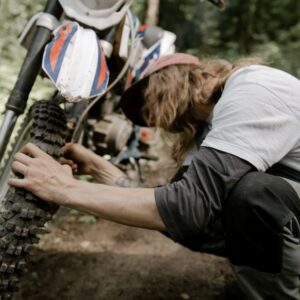
Dirt bike owners need a routine. Clean and oil the chain every ride, check valve clearances on four-strokes every 15 to 25 hours, change oil every 5 to 10 hours of hard use, and pull the air filter after every dusty session. A clogged air filter cooks a top end faster than anything else, so keep two or three filters in rotation.
ATV maintenance hits different wear items. Grease the A-arms and steering stem regularly, inspect CV boots for tears, check differential fluid, and watch the drive belt on CVT models for glazing or cracking. Tire pressure matters more than most new owners realize. Too high beats you up on rocks, and too low risks debeading in a hard corner.
Safety and Protective Gear
Hopkins research shows that two-wheel off-road riding produces fewer fatal injuries per rider than ATV riding. Bikes do not trap or crush the operator during a crash. That does not make dirt bikes safe, though. The injury patterns just differ. Bikes produce more broken collarbones and wrists, while quads produce more crushing and rollover trauma.
Either way, a DOT or Snell-rated helmet is non-negotiable. Serious riders add goggles, over-the-ankle boots, knee and elbow protection, gloves, and a chest protector or pressure suit. A neck brace is worth considering for anyone riding at speed or hitting jumps.
Registration, Access, and Where You Can Ride
Rules vary by state, so check your local DMV before buying. California off-road machines need either a green sticker or a red sticker depending on emissions and model year, and that affects when and where you can ride. Some states let you plate a dual-sport dirt bike for street use with turn signals, mirrors, and a horn. Full ATV street-legal conversions are only possible in a handful of states.
Trail access also differs. Many singletrack trails in national forests are bike-only, while wide-trail systems and OHV parks welcome both. Hunters should check whether their state requires a specific permit for motorized game retrieval.
Towing and Transport
A dirt bike drops into a pickup bed with one ramp and two tie-downs, which makes solo trips painless. A quad almost always needs a trailer or a heavy-duty ramp setup. Loading one alone takes practice and good straps rated for the weight. If garage space and your tow vehicle are limiting factors, bikes win this round.
Powersports owners overlap heavily with truck owners. Roughly 85 percent of dirt bike riders depend on a tow rig or truck bed to reach the trail. That makes your trailer hitch setup part of the decision. A half-ton truck handles either machine, but a compact SUV might only work for a bike.
Who Should Pick What
Choose a dirt bike if you want maximum agility, lower upfront cost, easier transport, and a machine that rewards skill development year after year. It fits riders who love technical trails, track days, or dual-sport exploration. It also works well for solo adventurers who do not need cargo capacity.
Choose an ATV if stability matters more than speed, or if you want to carry gear, tow a small trailer, or work a property. Utility quads suit hunting, ice fishing access, and families who want a more accessible ride that beginners can operate safely under supervision.
Keep Your Machine Ready for the Next Ride
Whichever side of the dirt bike vs ATV question you land on, the real enjoyment comes from a machine that starts every time and holds up to the miles. That means staying ahead on replacement chains and sprockets, filters, tires, brake pads, CV boots, and every other wear part that keeps your weekends moving.
The JC Whitney Performance Hub at CarParts.com pulls truck, trailer, and powersports parts into one cart. Fitment data is built on 25 years of automotive accuracy, backed by a heritage in motorcycle parts that stretches over a century. From the rig that hauls you to the trailhead to the ride that takes you past the pavement, stock up, gear up, and get back out there.
Keep Reading: Related Posts



Any information provided on this Website is for informational purposes only and is not intended to replace consultation with a professional mechanic. The accuracy and timeliness of the information may change from the time of publication.