Shopping for an off-road machine usually starts with a fork in the trail: UTV vs ATV. Both chew through mud, climb rocky grades, and turn a boring Saturday into a good one, but they deliver that experience in very different ways. One puts you on the machine. The other puts you in it. Picking the right one comes down to how you ride, what you haul, and who’s riding shotgun.
What Sets an ATV Apart
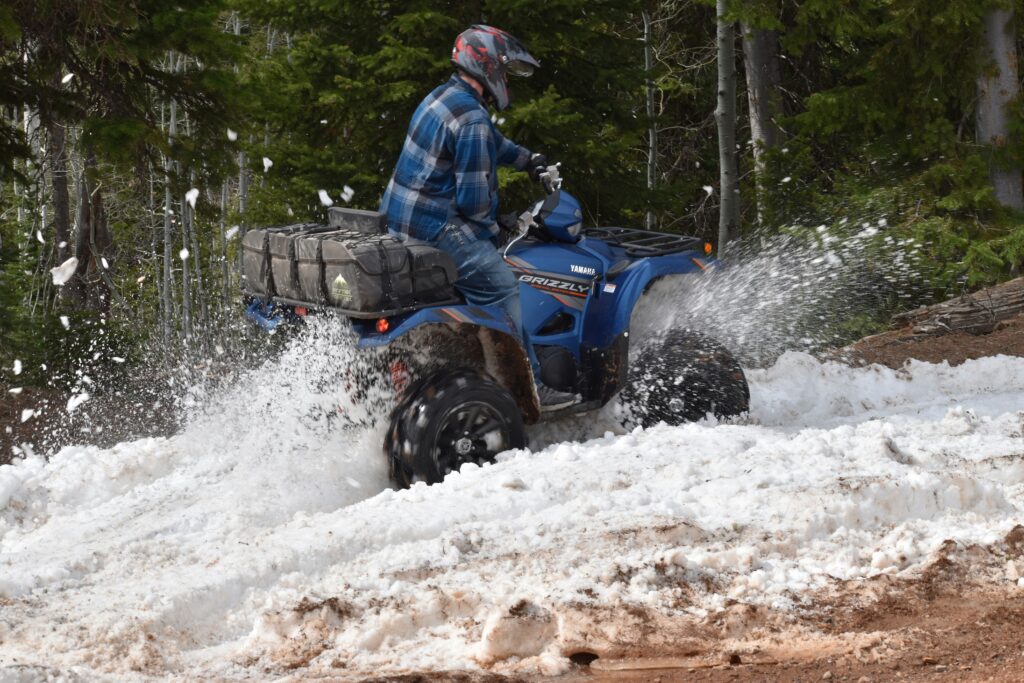
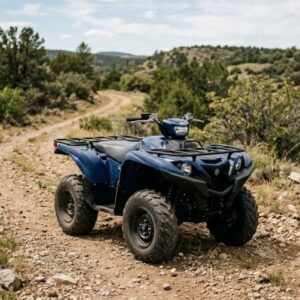
An all-terrain vehicle is the solo operator of the powersports world. You straddle the seat, grip the handlebars, and use your body weight to steer through ruts, berms, and tight single-track. Most quads are built for one rider, though two-up models exist with a passenger seat behind the operator.
ATVs are narrow, light, and easy to load into a pickup bed or small utility trailer. That compactness is their superpower on tight wooded trails, cattle gates, and jobsite paths where a larger machine would get wedged. A utility quad can still haul respectable weight on front and rear racks, pull a small trailer, and handle chores like running fence line or dragging a food plot.
The trade-off is comfort and capacity. You feel every bump, every rock, every water crossing. There’s no roof, no cab, no heater. Riding one is a physical workout, which is part of the appeal for riders who want a direct line to the terrain.
What Sets a UTV Apart
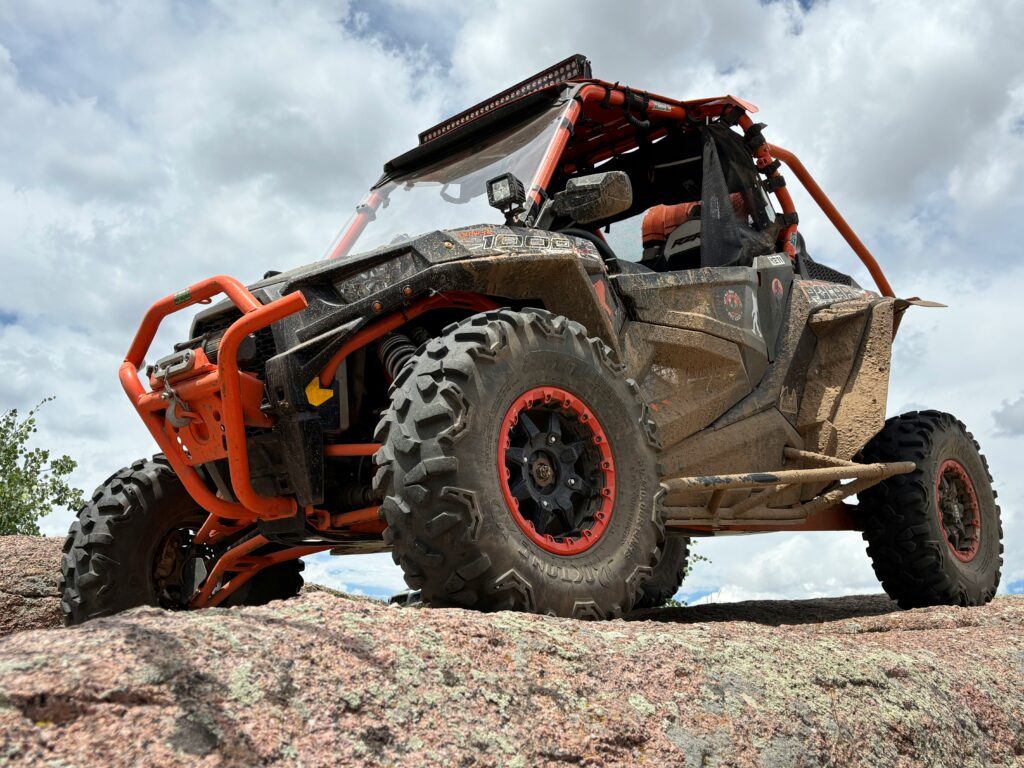
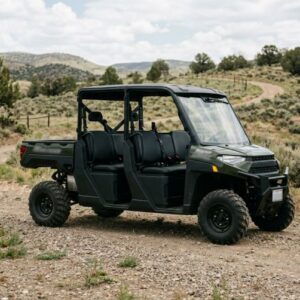
A utility task vehicle, commonly called a side-by-side, drives more like a small off-road truck than a motorcycle. You get a steering wheel, foot pedals, bucket or bench seats, three-point seatbelts, and a roll cage overhead. Seating ranges from two up to six depending on the model, and cargo beds can haul real weight with dump functionality on many utility trims.
Side-by-sides are inherently social. Hunting partners, ranch hands, and families all fit in one machine, sharing the ride instead of trailering multiple quads. The enclosed driving position also makes cold-weather and dusty-desert riding far more tolerable, and heated cabs with HVAC are available on high-end utility trims like the Polaris Ranger XD 1500 and Can-Am Defender Limited.
The catch is size. Most side-by-sides won’t fit in a standard pickup bed, so you’ll need a dedicated trailer. They also cost more to purchase, insure, and accessorize, though the added capability justifies the spend for many owners. If you’re weighing a pre-owned side-by-side to soften that cost, our guide on what to look for in a used UTV walks through the frame, driveline, and fluid checks that matter most.

Categories Within Each Type
Both ATVs and UTVs are split into subcategories based on how they’re built. Sport ATVs like the Can-Am Renegade and Yamaha Raptor prioritize high-revving power and stiff suspension for jumping dunes and carving trails. Utility quads like the Polaris Sportsman and Honda FourTrax Foreman focus on torque, racks, and towing. If you’re torn between those two quad styles, our breakdown of sport vs utility ATVs digs into the drivetrain and use-case differences.
On the side-by-side side, sport UTVs like the Polaris RZR Pro R and Can-Am Maverick X3 are built for speed, with long-travel suspension and widths up to 76 inches. Utility UTVs like the Kawasaki Mule and Polaris Ranger are workhorses with big beds and low gearing. Sport-utility crossovers like the Polaris General and Can-Am Commander split the difference, giving you weekend fun and weekday capability in one machine.
Trail Access, Licensing, and Where You Can Ride
Here’s where things get practical. Many trail systems restrict vehicle width to 50, 62, or 64 inches, which means a wide sport UTV may be locked out of trails your quad can breeze through. Always check local land use rules before you buy, because the best machine on paper is useless if it can’t access your favorite riding areas.
Registration and titling rules vary by state, and ATVs and side-by-sides are sometimes treated differently. Some states require a safety course for operators under a certain age, and many public lands demand a spark arrestor and specific sound limits. Insurance is another factor worth pricing out, since most lenders require coverage on financed machines and some states mandate liability coverage for on-road use.
Maintenance, Wear, and Ownership Costs
Recreational off-road machines live hard lives. Mud, water crossings, and dust accelerate wear on air filters, CV boots, wheel bearings, and drive belts far faster than a street vehicle would experience. Smart owners build a pre-ride and post-ride routine that includes a quick wash, chain or belt inspection, tire pressure check, and a look at coolant and brake fluid levels. Because brake fluid absorbs moisture over time whether it lives in a car or a quad, it’s worth checking and flushing on schedule.
UTVs generally carry higher maintenance costs because they have more parts, heavier components, and larger consumables. Tires alone can run double what an ATV set costs. However, quads tend to see harder direct abuse from the rider’s body weight and terrain contact, meaning suspension bushings, tie rod ends, and A-arms wear out on a steady schedule. Matching the right oil to your machine matters here too, and our powersport oil comparison explains when to run 10W30 versus 10W40. Budget for ongoing parts, not just the purchase price, when comparing the two.
Popular Aftermarket Upgrades
ATV owners typically start with protection and utility. Handguards, skid plates, winches, and heavy-duty ATV tires top the list, followed by LED light bars, gun racks, and rear cargo boxes for hunters. Dual-range gear reduction kits are popular for owners who plow snow or drag food plots.
UTV owners go deeper and spend more per machine. Common upgrades include windshields and full cab enclosures, aftermarket wheels and tires, performance exhaust systems, clutch kits, stereo systems, roof racks, and bumper replacements. Suspension upgrades with adjustable shocks can transform a stock utility trim into a trail carver. Heavy-duty axles are a must if you run big tires or push the machine hard, because stock half-shafts are often the first thing to break under added power and traction.
So, Which One Should You Buy?
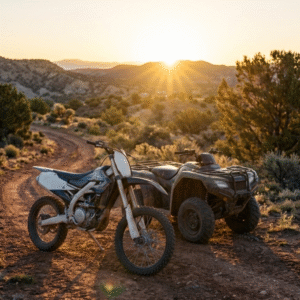
Go with an ATV if you ride solo, want maximum trail access, need a machine you can throw in a pickup bed, and enjoy the physical connection to the terrain. Go with a UTV if you ride with family or a crew, haul serious cargo, work on a property, or want a more comfortable and weather-protected experience. If you’re still deciding between a quad and a two-wheeler for solo trail duty, our dirt bike vs ATV comparison covers that fork too. Plenty of owners end up with both, using a quad for quick chores and a side-by-side for group rides.
Whichever machine earns a spot in your garage, the riding season goes a lot smoother when you have the right parts on hand before the trail calls. The JC Whitney Performance Hub at CarParts.com is built for the total garage. With precision fitment data, over a century of performance parts heritage, and heavy-duty gear built for where the pavement ends, you can prep your rig with everything from fresh tires and traction parts to recovery gear for whatever the weekend throws at you. Rip the trail, log the miles, and keep the adventure going.
Keep Reading: Related Posts




Any information provided on this Website is for informational purposes only and is not intended to replace consultation with a professional mechanic. The accuracy and timeliness of the information may change from the time of publication.