Code P0036 means your powertrain control module found a problem with the heater circuit for the bank 1, sensor 2 oxygen sensor. That sensor sits downstream of the catalytic converter and needs a functioning heater to provide accurate readings. When the heater circuit doesn’t behave the way it should, the PCM stores P0036 and turns on the check engine light.
Quick Answers: What You Need to Know About P0036
- Meaning: the PCM detected a problem with the bank 1, sensor 2 oxygen sensor’s heater circuit.
- What it affects: post catalyst exhaust monitoring, not the main fuel trim signal.
- How serious it is: low urgency for daily driving, but it can cause a failed emissions test.
- Most common causes: a blown fuse, damaged heater wiring, a bad oxygen sensor, or a damaged wiring harness.
- What to do first: check the oxygen sensor heater fuse before you replace any parts.
- Can you keep driving: yes, in most cases, though it’s worth fixing before an emissions test.
What Does the Code P0036 Mean?
Diagnostic Trouble Code (DTC) P0036 Code stands for HO2S Heater Control Circuit (Bank 1 Sensor 2). The P0036 code gets set when the PCM perceives a potential problem with the bank 1 sensor 2 O2 sensor heater control circuit.
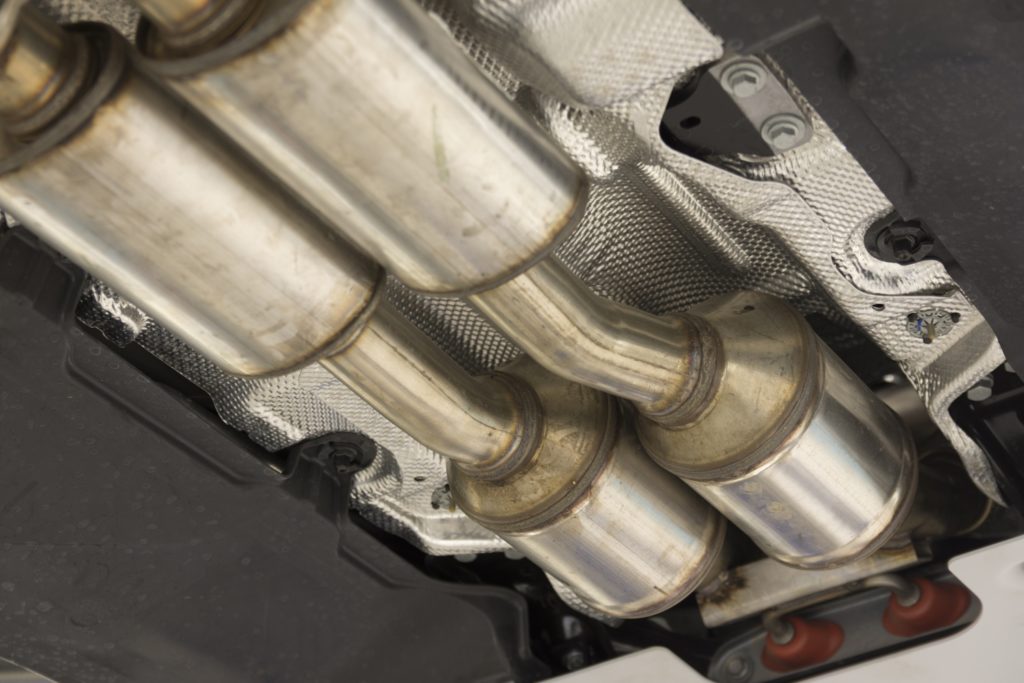
Sensor 2, referred to as the downstream sensor, is after the catalytic converter while bank 1 points to the side where the cylinder #1 is located. Most modern vehicles use a heated oxygen sensor (HO2S) that has a heating element that quickly brings the sensor to operating temperatures.
Note: If you want to learn where Bank 1 is, you can read our guide here.

What Is the Heated Oxygen Sensor (HO2S)?
A heated oxygen sensor, or HO2S, is an oxygen sensor built with its own heating element. That element brings the sensor to its operating temperature of around 570°F much faster than exhaust heat alone could. The PCM controls the heater using signals from the engine coolant temperature and engine load, and on some vehicles, it uses pulse width modulation to fine-tune that control.
Bank 1 refers to the engine side that holds cylinder number one. Sensor 2 refers to the downstream sensor, positioned after the catalytic converter rather than before it. That sensor’s job is post-catalyst monitoring, comparing the oxygen content in the exhaust after the converter to confirm the converter is doing its job. For more on how banks and sensor positions are numbered, see the P0141 code guide.

P0036 on Some Chevrolet Vehicles
HO2S are used for fuel control and post catalyst monitoring. Each HO2S compares the oxygen content of the surrounding air with the oxygen content in the exhaust stream. The HO2S must reach operating temperature to provide an accurate voltage signal.
The ECM uses pulse width modulation (PWM) to control the HO2S heater operation to maintain a specific HO2S operating temperature range.
Code P0036 may appear on some Chevrolet vehicles. On a 2008 Chevrolet Silverado 1500 LS 4.8L V8, for example, conditions for setting the DTC include:
- The ECM detects that the affected HO2S heater low control circuit is not within a specified range
- DTC P0036 is set within 3 seconds when the above condition is met.
What Are the Common Symptoms of the P0036 Code?
P0036 rarely produces any symptoms you’d notice while driving. An illuminated check engine light is usually the only sign something’s wrong. If you take your vehicle in for an emissions test, though, that light will typically cause a failed result.
What Causes the P0036 Code?
Since P0036 is a generic code, the exact cause can vary from one vehicle to the next. A Chevrolet may set the code for a different reason than a Honda would, since wiring layouts and heater circuit designs differ across manufacturers. Still, a handful of causes show up again and again.
A failing oxygen sensor heater is one of the most frequent culprits, and a healthy heater usually measures around 6 ohms of resistance. Damaged wires or corroded connections in the heater circuit can trigger the code too, especially where wiring runs close to the exhaust system. In rarer cases, a PCM software issue sets P0036 without any physical component actually failing.
On some Chevrolet models, like a 2008 Silverado 1500 with the 4.8-liter V8, the code sets within 3 seconds once the heater circuit falls outside its expected range. That quick detection window is part of why P0036 shows up so reliably once a heater starts failing.
How Serious Is Code P0036?
P0036 is a low-urgency code for daily driving, since it rarely creates a noticeable performance problem on its own. It’s still worth addressing soon, though, because it can cause a failed emissions test.
A failed downstream heater can make the PCM’s post-catalyst readings less reliable, which may delay detection of a developing catalytic converter problem. Getting P0036 diagnosed keeps that monitoring accurate over time.
How Do You Diagnose the P0036 Code?
A methodical check narrows down the cause quickly. Because this circuit is part of the emissions control system, it’s worth having a trusted mechanic confirm your findings before you replace any parts.
- Check the fuse. Look at the oxygen sensor heater fuse first, since a blown fuse is an easy fix and rules out bigger problems.
- Test heater resistance. Unplug the sensor connector and measure resistance across the heater terminals. A reading far from 6 ohms points to a bad heater element.
- Inspect the wiring. Check wires near the exhaust for melted, frayed, or burned spots, since heat exposure is a common failure point.
- Check the connector and harness. Look for corrosion or loose pins at the oxygen sensor connector.
- Rule out the PCM. If the fuse, wiring, and sensor all test fine, have a shop check for PCM related issues, since this cause is rare.
Pro Tip: Wire a small light bulb to the two same colored heater wires on an old oxygen sensor connector, then plug it into the harness in place of the suspect sensor. The bulb should light when the engine starts. If it doesn’t, check the fuse and wiring before you replace the sensor.
How Do You Fix the P0036 Code?
Once you know which part failed, the fix is usually straightforward.
Oxygen Sensor Heater Fuse
The heater circuit includes a fuse that protects the heating element. A short in the oxygen sensor or its wiring can blow this fuse, which stops the heater from working at all. Replace the blown fuse, and in many cases you won’t need to touch the sensor itself.
Damaged Heater Circuit Wires
Heater circuit wires run close to the exhaust system on their way to the sensor. Melted wiring clamps let those wires droop onto hot exhaust components, which can burn through the insulation and short the circuit. Inspect the wiring for burned, frayed, or melted sections, then repair or replace any damaged runs with the correct wire type.
Rear Oxygen Sensor (Bank 1, Sensor 2)
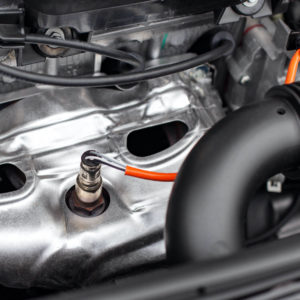
A failed downstream oxygen sensor is a common trigger for P0036. This sensor sits on the same side of the engine as cylinder one, just after the catalytic converter. Replacing it with a new oxygen sensor resolves the code in many cases, and a quality aftermarket sensor works just as well as an OE part for most drivers.
Oxygen Sensor Wiring Harness
The oxygen sensor depends on its own wiring harness to receive power and send signals to the PCM. Damage to this harness produces the same effect as damage to the heater circuit wiring. A new wiring harness resolves the problem when a simple repair isn’t practical.
Powertrain Control Module
A PCM issue is a rare cause of P0036, but it does happen occasionally. Some PCM problems clear up with a software update, while others call for replacing the module. This is the last thing to check after you’ve ruled out the fuse, wiring, and sensor. A related P0037 code often points to the same heater circuit, just wired low instead of open, so it’s worth checking for both if one shows up.
Frequently Asked Questions About the P0036 Code
P0036 means the PCM detected a problem with the bank 1, sensor 2 oxygen sensor heater circuit. Sensor 2 sits downstream, after the catalytic converter. The code doesn’t identify the exact failed part on its own.
Yes, you can usually keep driving with a P0036 code active. The code affects post catalyst monitoring rather than fuel delivery, so most vehicles won’t show a change in performance. You should still get it diagnosed soon, especially before an emissions test.
An illuminated check engine light from P0036 will typically cause a failed emissions test. The oxygen sensor heater problem itself doesn’t change emissions output directly. Testing facilities fail vehicles based on the light, not the specific code behind it.
Bank 1 refers to the engine side with cylinder number one, while bank 2 refers to the opposite side on V-type engines. Four-cylinder engines only have a bank 1, since all the cylinders sit on one side. This distinction matters when you’re sourcing the correct sensor.
Sensor 1 sits upstream, before the catalytic converter, and it’s the primary sensor used for fuel trim. Sensor 2 sits downstream, after the converter, and it monitors catalyst efficiency. P0036 specifically points to sensor 2’s heater circuit.
Cost depends on which part failed, since a fuse costs far less than a full oxygen sensor or wiring harness. A blown fuse is typically the cheapest fix to resolve. A new oxygen sensor or harness costs more but still fits most repair budgets.
A failed heater doesn’t damage the catalytic converter directly. It can, however, make the PCM’s post catalyst readings less reliable, which may hide a converter problem that’s just beginning to develop. Getting the code fixed keeps that monitoring accurate.
No, P0036 is a generic code that applies across many makes and models, but the underlying cause can differ. A Chevrolet and a Honda might set the same code for entirely different component failures. Checking your vehicle’s specific wiring diagram helps narrow down the cause.
Many DIYers can handle an oxygen sensor replacement with basic tools. Diagnosing the exact cause of P0036 is trickier, though, since it involves the emissions control system. If you’re not confident in your diagnosis, a trusted mechanic can confirm it before you buy parts.
An OBD-II scanner confirms the code, while a multimeter checks heater resistance and circuit continuity. A visual inspection of the wiring and fuse often reveals the problem without any special tools. Some technicians also use a test light to confirm the heater circuit is getting power.
When Should You Get Professional Help With P0036?
The oxygen sensor heater circuit is part of your vehicle’s emissions control system, and misdiagnosing it can lead to more guesswork than answers. If your own fuse, wiring, and resistance checks don’t turn up an obvious problem, a trusted mechanic can pinpoint the cause with the right diagnostic equipment. This is especially true if the engine light stays on after you’ve already replaced parts.
Once you know whether a fuse, a sensor, or a wiring harness needs attention, sourcing the part is the easy part. CarParts.com carries oxygen sensors, wiring harnesses, and related components built to fit your exact vehicle. Enter your year, make, and model, and you’ll find aftermarket and OE options that get your check engine light off for good.
Products Mentioned in this Guide
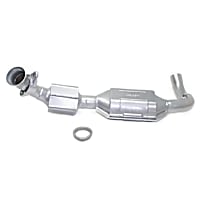 Catalytic Converter
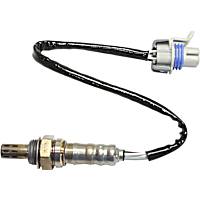 Oxygen Sensor
Keep Reading: Related Posts






Any information provided on this Website is for informational purposes only and is not intended to replace consultation with a professional mechanic. The accuracy and timeliness of the information may change from the time of publication.