Your engine needs to reach operating temperature within the first few minutes of driving. When it doesn’t, the powertrain control module sets code P0128 and turns on your check engine light. P0128 means your coolant temperature is staying below the thermostat’s regulating point for longer than the system expects.
What Does Code P0128 Mean?
Code P0128 stands for Engine Coolant Temperature Below Thermostat Regulating. It means your engine control module detected coolant temperature below the thermostat’s opening point. It could be that your engine is running cooler than it should, or it’s taking too long to warm up.
A healthy engine climbs above 200 degrees Fahrenheit shortly after startup. Most thermostats open at just under that mark. If the module still sees around 170 degrees once warmup should be finished, it stores P0128. The check engine light comes on, too.
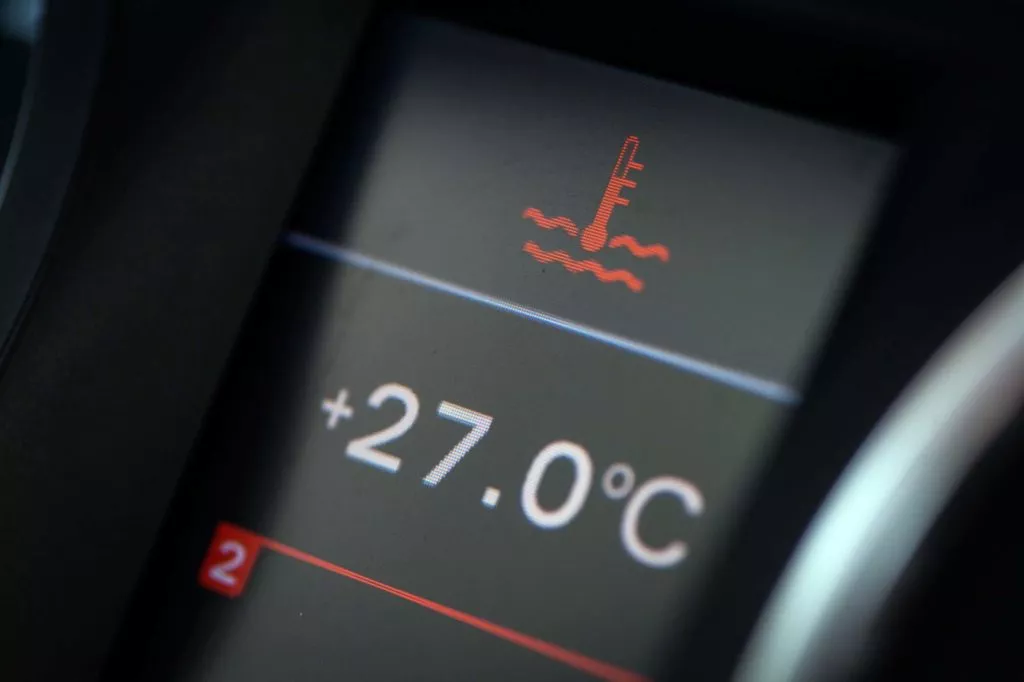
Your engine needs that warmup to enter closed loop mode. In closed loop, the module uses oxygen sensor readings for fuel control instead of a fixed startup program. Closed loop mode keeps fuel economy and emissions in check.

The thermostat controls how hot or cold the engine is by controlling when and how much coolant reaches the engine. It ensures the engine warms up quickly after ignition. Once the engine is hot enough, the thermostat keeps it that way to avoid wasting fuel and produce enough energy. It can do this by acting as a valve that can open to let more coolant into the engine. The thermostat can also close to decrease the coolant that reaches the engine.
Not everyone is an auto repair expert. ELI5 (“Explain Like I’m Five”) provides layperson-friendly explanations of complex automotive concepts, systems, & parts, so you can fully understand their importance. Great for casual car owners and DIY beginners! Powered by AI.
A Closer Look at Code P0128
A healthy engine should run above 200 degrees. The radiator cooling fan on some vehicles doesn’t even engage until after the coolant reaches nearly 230 degrees. So if the engine is expecting 200-230°F (most thermostats open at just under 200°F) but the ECM only sees 170°F, well, you can see why the ECM/PCM algorithm would store the code and illuminate the MIL.
A healthy engine should run above 200 degrees. The radiator cooling fan on some vehicles doesn’t even engage until after the coolant reaches nearly 230 degrees. So if the engine is expecting 200-230°F (most thermostats open at just under 200°F) but the ECM only sees 170°F, well, you can see why the ECM/PCM algorithm would store the code and illuminate the MIL.
–Richard McCuistian, ASE Certified Master Automobile Technician
In most cases, if the engine temperature is lower than predicted, the ECM notes that information and keeps it on record. When it happens again, the ECM notes it but also stores a P0128 code and activates the check engine light.
For this reason, P0128 is often known as a “two-trip” fault. If the engine does reach operating temperature on two consecutive trips after the code is set, the ECM/PCM clears the code and extinguishes the check engine light.

The cool-running engine condition that triggers a P0128 may or may not incur damage. For example, other than the obvious impact a cold-running engine can have on emissions and fuel economy, an engine that runs too cold for too long can begin to develop crankcase sludge even if the oil is changed regularly.

Pro Tips are nuggets of information direct from ASE-certified automobile technicians working with CarParts.com, which may include unique, personal insights based on their years of experience working in the automotive industry. These can help you make more informed decisions about your car.
Pro Tip: One symptom you might or might not notice is that your coolant temperature gauge is reading cooler and your heater either doesn’t work as well or doesn’t work at all on cool days – you get only cool air. A poorly operating heater is a great motivator when it comes to taking care of a P0128.
What Is the Thermostat?
The thermostat is a small valve mounted between your engine and the radiator. It stays closed while the engine is cold, so coolant recirculates through the block and warms up quickly. Once coolant reaches the thermostat’s rated opening temperature, the valve opens and lets hot coolant flow to the radiator to shed heat.
Most automotive thermostats use a wax pellet inside that expands with heat, pushing the valve open once coolant reaches its rated temperature. This cycle keeps your engine within its designed operating range no matter how you’re driving. For a fuller picture of how coolant moves through your engine, check out our cooling systems guide, and see our temperature sensor location article for how the module reads temperature in real time.
What are the Possible Causes of the P0128 Code?
Several different problems can trigger P0128, so diagnosis usually rules out causes one at a time. Possible causes include:
- A thermostat stuck open or opening before the engine has fully warmed up
- Low coolant level, often from a small leak or an air pocket near the sensor, which you can read more about in our guide to what coolant is
- A failing coolant temperature sensor or damaged wiring, though this is rare
- A faulty intake air temperature sensor, which is even rarer
- A cooling fan is stuck running, which pulls heat away faster than the engine can build it
- Rare engine control module software issues
If the thermostat sticks wide open rather than opening a little early, your vehicle may log P0125 instead of P0128. Some vehicles log both codes at once. Either way, the fix usually starts in the same place.
What are the Common Symptoms of a P0128 Code?
Here are the symptoms you are most likely to experience if your vehicle is triggering the trouble code P0128:
- Check engine indicator turns on
- Warm-up takes longer
- Highway driving causes the temperature of the engine to decrease significantly
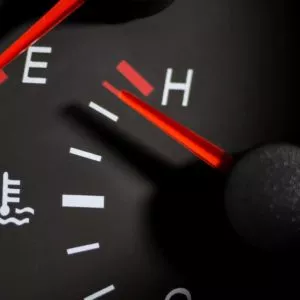
- Temperature gauge indicates cooler than it usually does
- Heater won’t perform optimally
- Reduced fuel economy (usually not that noticeable with a P0128)
- Failed emissions test or monitors “not ready” for emissions testing
Your check engine light coming on is usually the first sign of a P0128 code. You may also notice your engine taking longer to warm up, and your temperature gauge sitting lower than usual on the highway.
A weak heater is another common giveaway. Your cabin heater relies on hot coolant, so if the engine can’t hold its normal temperature, you may only get lukewarm or cool air even with the heat turned all the way up.
One symptom you might or might not notice is that your coolant temperature gauge is reading cooler, and your heater either doesn’t work as well or doesn’t work at all on cool days.
Reduced fuel economy can show up too, though it’s usually mild enough that you won’t notice it right away. You might also fail an emissions test, since a monitor that never finishes its warmup cycle can leave your readiness status incomplete.
How Serious Is the P0128 Code?
P0128 by itself rarely leaves you stranded, but it’s worth taking seriously. The module already gives your engine one warm trip before it locks in the code. A P0128 that keeps coming back means the cool running condition is happening on repeat trips, not just once.
A short drive with P0128 set generally won’t hurt anything. Left unresolved for a long stretch, a consistently cold-running engine can start building crankcase sludge, even with regular oil changes.
How to Diagnose the P0128 Code
There are numerous potential causes for code P0128. As such, diagnosis can be difficult. For an idea of how to troubleshoot the code, check out the video below:
There’s no single fix for P0128, since so many different components can trigger it. Working through the checks below in order, starting with the cheapest and easiest, will usually get you to the real cause.
Step 1: Check Your Coolant Level
Start with the coolant reservoir and radiator level, since low coolant is one of the cheapest culprits to rule out. Look for obvious leaks at hoses, the radiator, or around the water pump. Top off the coolant, drive a few miles, and see whether the code returns.
Step 2: Watch the Temperature Gauge and Warmup Time
Pay attention to how long your engine takes to reach its normal operating temperature. A slow warmup, or a gauge that never climbs to its usual spot, points you toward the thermostat as the next thing to check.
Step 3: Inspect the Thermostat
Let the engine cool completely before opening any part of the cooling system, since hot, pressurized coolant can cause serious burns. Once it’s safe, check whether the thermostat is stuck open or opening early using a scan tool’s live temperature data or by testing it in a pot of heated water on a workbench.
Step 4: Test the Coolant Temperature Sensor
Compare your scan tool’s reported coolant temperature against a reliable thermometer near the engine. If the actual temperature and the reported temperature don’t match, the coolant temperature sensor or its wiring is the likely cause.
Step 5: Rule Out the Cooling Fan and IAT Sensor
Confirm your cooling fan isn’t running constantly, since a fan stuck on can keep pulling heat away from the engine. Check the intake air temperature sensor if the other causes check out clean. A related code, P2181, covers similar cooling system performance problems and is worth a look if P0128 doesn’t fully explain what you’re seeing.
How to Fix the P0128 Code
There are multiple reasons why code P0128 might be stored. Therefore, there isn’t a “magic bullet” fix for the issue. You’ll need to diagnose the code accurately, as outlined above, then perform any necessary repairs.
Note by ASE-certified mechanic Richard McCuistian:
“Personally, I always begin with “cheap and easy.” If the thermostat is easy to change and doesn’t cost much (which isn’t the case on every vehicle), I always start there and then clear the code. If the thermostat doesn’t take care of it (i.e., the engine still runs cold and the P0128 returns), I’ve eliminated it as the cause.”
The code could be triggered by anything from a low coolant level to a faulty thermostat that you may need to replace, so you must do your homework.
Important Warning: If you decide to replace the thermostat yourself, you need to know that refilling the cooling system isn’t like pouring water in a bucket. Air tends to get trapped in some systems, so make sure you know how to properly refill the cooling system before even beginning the job of replacing the thermostat. Ignoring this very important warning can lead to more than one kind of disaster, including personal injury.
Also, keep in mind that all vehicles are different. When troubleshooting and repairing diagnostic trouble codes, you should consult the factory repair information for your application.
Repair manuals, such as those from Chilton, are useful, but an ALLDATA subscription is even better. ALLDATA has single-vehicle subscriptions for DIYers that provide detailed factory repair information.
How to Confirm the Fix Worked
After you finish the repair, clear the code and drive normally for two consecutive trips that reach full operating temperature. That satisfies the two-trip logic most vehicles use, and the module will clear the code and turn off the check engine light on its own once the condition passes. Keep an eye on the temperature gauge during those drives to confirm the engine is holding steady heat.
How Long Can You Drive with a P0128 Code?
Although it may be possible to drive short distances with code P0128 set, you should get the issue fixed by a professional right away. Doing so will help ensure your vehicle keeps running at its best while also helping to prevent any additional damage.
FAQs
Yes, you can drive with a P0128 code for a short trip. Extended driving isn’t a great idea, since a consistently cold engine burns more fuel and can build sludge over time. Get the code diagnosed as soon as it’s convenient.
A stuck or early-opening thermostat causes most P0128 codes. Low coolant and a faulty coolant temperature sensor also show up often. A scan tool can narrow the cause down quickly.
A stuck or early-opening thermostat causes most P0128 codes. Low coolant and a faulty coolant temperature sensor also show up often. A scan tool can narrow the cause down quickly.
A P0128 code can clear itself once the underlying problem stops happening. The module uses two trip logic, so it needs two consecutive drives that reach normal temperature before it clears the code. If the code keeps coming back, the root cause still needs fixing.
P0128 often points to the thermostat, but it doesn’t always mean the thermostat has failed. Low coolant, a bad temperature sensor, or a fan stuck running can trigger the same code. Diagnosis should confirm the cause before you replace parts.
Yes, low coolant can cause a P0128 code. An air pocket near the coolant temperature sensor throws off the reading enough for the module to think the engine is running cold. Topping off coolant and bleeding the system often fixes it.
P0128 and P0125 both relate to coolant running cooler than expected, but they aren’t identical. P0125 usually sets when the thermostat is stuck wide open rather than opening early. Some vehicles log both codes together.
Fixing a P0128 code usually costs less than fixing a major engine problem, since a sensor or thermostat replacement is a common repair. Parts alone can run from around ten dollars for a sensor to fifty dollars or more for a thermostat. Labor costs vary by vehicle and shop.
Yes, a P0128 code can cause a failed emissions test or an incomplete readiness monitor. The module needs a normal warmup cycle to finish its emissions monitors. An unresolved P0128 keeps those monitors from completing.
P0128 alone rarely causes serious damage right away. Left unresolved for a long time, a consistently cold-running engine can develop crankcase sludge even with regular oil changes. Addressing the code early avoids that slower wear.
Yes, many P0128 repairs are within reach for a confident DIYer, especially a coolant top-off or a thermostat swap. You’ll need basic tools and a plan for safely bleeding the cooling system afterward. If the diagnosis points to the wiring or the control module itself, a professional shop is the safer call.

When to Get Professional Help
If a coolant top-off and a straightforward thermostat swap don’t clear the code, bring your vehicle to a trusted mechanic. Persistent P0128 codes tied to sensor wiring or control module behavior need proper diagnostic equipment to isolate. A shop can also check for a related code, P0126, which covers similar coolant temperature concerns.
Whatever’s behind your P0128 code, CarParts.com carries the thermostats, sensors, and fans most vehicles need to run at the right temperature again through our cooling system parts catalog. Search your exact year, make, and model, and you’ll see parts confirmed to fit before you buy.
Products Mentioned in this Guide
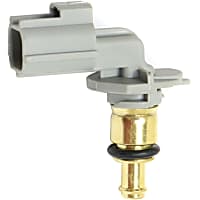 Coolant Temperature Sensor
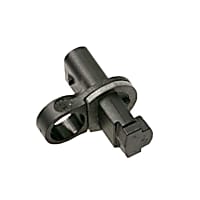 Air Temperature Sensor
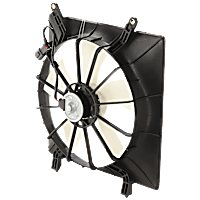 Cooling Fan Assembly
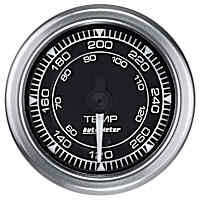 Temperature Gauge
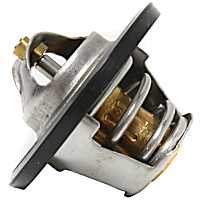 Thermostat
Keep Reading: Related Posts


Any information provided on this Website is for informational purposes only and is not intended to replace consultation with a professional mechanic. The accuracy and timeliness of the information may change from the time of publication.