The P0174 diagnostic trouble code means the engine computer has detected a lean air-fuel mixture on cylinder bank 2. In simple terms, there is too much air and not enough fuel reaching that side of the engine, beyond what the control module can correct on its own.
Another possible cause for this can be an exhaust leak between the engine and the O2 sensor, which will cause a lean code but can make that bank run rich. Additionally, if the sensor responsible for reading barometric pressure, airflow, or engine load (MAP or MAF) is skewed, this code can set even if the other sensor doesn’t set a code at all.
Quick Answer
- Meaning/Definition: P0174 stands for “System Too Lean (Bank 2).”
- What it affects: Air-fuel balance, engine performance, emissions, and drivability.
- How serious it is: A lean condition can lead to misfires, poor performance, and possible engine or catalytic converter damage if ignored.
- Most common causes: Vacuum leaks, malfunctioning mass airflow (MAF) sensor, fuel delivery issues, or faulty oxygen sensor.
- What to do first: Check for vacuum leaks and inspect the MAF sensor and intake components.
- Can you keep using it / is it safe: The vehicle may still run, but continued driving is not recommended without diagnosis due to potential damage.

What Does the P0174 Code Mean?
Diagnostic trouble code P0174 means “System Too Lean (Bank 2).” It is triggered when the engine or powertrain control module (ECM/PCM) detects that cylinder bank 2 is consistently running with too much air and not enough fuel.
Lean-condition codes include P0171 and P0174. P0171 applies to bank 1, while P0174 applies specifically to bank 2. Although the ECM/PCM can adjust fuel delivery using fuel trim, there is a limit to how much correction it can apply. Once that limit is exceeded, the code is stored to alert the driver. Some scan tools will report this as “Lean Adaptive Limit Reached.”
It goes like this: The O2 sensor sees too much oxygen. The PCM reacts to the perceived lean mixture and increases injector pulse width (adds fuel). If long term fuel trim climbs past roughly +20–25% and stays there, P0174 is set.
How the ECM/PCM Detects a Lean Condition
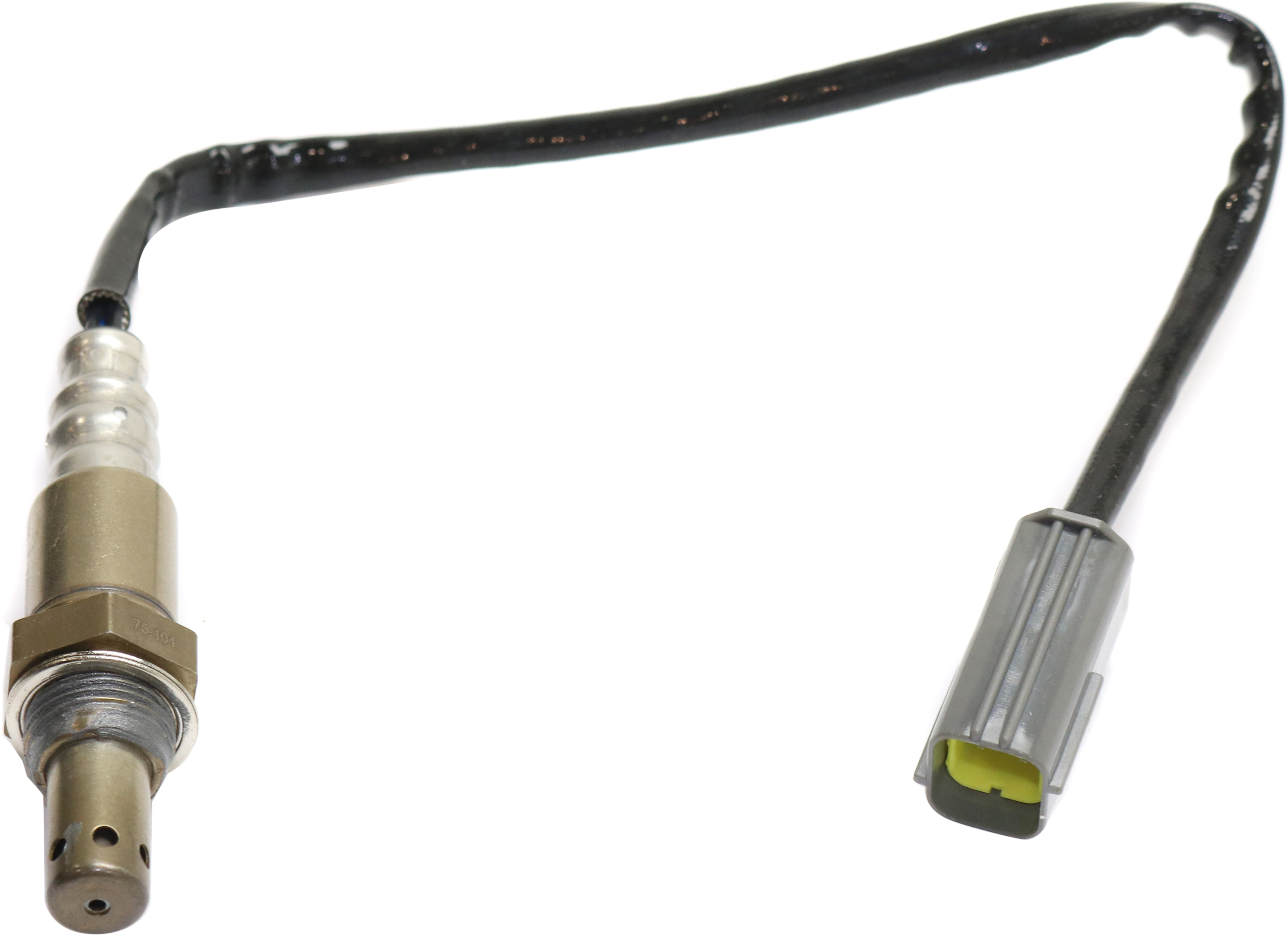
The ECM/PCM relies heavily on oxygen (O2) sensor feedback to maintain a balanced air-fuel mixture.
Remember, the O2 sensor only sees oxygen, not fuel, so if a spark plug misfires the sensor on that bank will report a lean condition and increase the pulse width on all the cylinders on that bank, creating a rich condition. This is true even with wide band O2 sensors.
When excess oxygen is detected in the exhaust stream, the system interprets this as a lean condition and attempts to compensate by increasing fuel delivery.
If the mixture remains too lean despite these corrections, the ECM/PCM stores the P0174 code. It’s important to note that the oxygen sensor measures oxygen, not fuel. As a result, misfires caused by spark or compression issues can sometimes mimic a lean condition.
Pro Tips are nuggets of information direct from ASE-certified automobile technicians working with CarParts.com, which may include unique, personal insights based on their years of experience working in the automotive industry. These can help you make more informed decisions about your car.
Pro Tip: O2 sensors may “flatline” and then come back, which will usually set both rich and lean codes.
Common Symptoms of the P0174 Code
Drivers may experience no driveability symptoms at all but the following symptoms may appear with a P0174 code:
- Illuminated check engine light (most common)
- Loss of engine power
- Rough idling
- Misfiring (usually with additional codes present)
- Engine stalling (less common)
Vehicles running lean can also produce increased nitrogen oxide (NOx) emissions, which are hazardous and indicate inefficient combustion.
Common Causes of the P0174 Code
Possible causes of a P0174 code include:
- Vacuum leaks from damaged intake manifold gaskets or cracked vacuum/PCV hoses
- Malfunctioning mass airflow (MAF) sensor or cracked air inlet hose between MAF and throttle body. The MAF sensor can be mildly skewed and cause this without setting an MAF code, too.
- Clogged fuel filter
- Failing fuel pump
- Clogged fuel injectors
- Faulty fuel pressure regulator (though this more often causes rich conditions)
- Worn-out oxygen sensor
- Missing oil filler cap gasket (allows unmetered air to enter by way of the PCV)
- Wrong PCV valve (too much flow) can cause this code as well
- PCM issues, such as software needing an update (rare)
A faulty MAF sensor is specifically noted as one of the most common contributors to this code.
How Serious Is the P0174 Code?
P0174 should not be ignored. A prolonged lean condition can cause misfires, overheating, catalytic converter damage, and internal engine wear. What may start as a small and inexpensive issue can escalate into a major repair if left unresolved.

How to Diagnose the P0174 Code (Step-by-Step Decision Path)
Because P0174 has many potential causes, diagnosis can be challenging.
- Confirm the code using a scan tool and check for additional related codes.
- Other codes can provide clues, such as misfire or sensor-related faults.
- Inspect for vacuum leaks.
- Look for cracked hoses, loose connections, or damaged intake gaskets on bank 2.
- Check the mass airflow (MAF) sensor.
- A contaminated or malfunctioning MAF sensor can misreport incoming air.
- Evaluate fuel delivery components.
- Inspect the fuel filter, fuel pump, and injectors for restrictions or failure.
- Test the oxygen sensor and review PCM data.
- A failing O2 sensor or outdated PCM software can lead to incorrect fuel adjustments.
Always consult factory repair information specific to your vehicle before performing repairs.
How to Fix / Resolve the P0174 Code
There is no single fix for P0174. Repairs depend entirely on the confirmed cause.
- If a vacuum leak is found, repair or replace the affected hose or gasket.
- If the MAF sensor is faulty, clean or replace it as required.
- If fuel delivery is restricted, address clogged filters, weak pumps, or dirty injectors.
- If an oxygen sensor is failing, replace it after verifying proper operation.
- If PCM software is outdated, a software update may be required.
Accurate diagnosis is essential to avoid unnecessary parts replacement.
How to Confirm the Fix
After repairs are completed, remove the battery terminals to erase the adaptive tables (or do a “battery reset” using the scan tool if it has that function), then start the vehicle and allow it to idle while watching the fuel trim readings. As soon as it enters closed loop fuel control, notice what the short fuel trim does. If it begins to go positive, you still have issues.
FAQs
Bank 2 refers to the side of the engine opposite bank 1, typically the side that does not contain cylinder number one.
No. P0174 is a generic OBD-II powertrain code, though it is more commonly reported on some makes, such as Chevy and Ford.
Yes. Misfires can leave excess oxygen in the exhaust, which may cause the system to interpret the condition as lean.
Yes. A malfunctioning mass airflow sensor is one of the most common causes of this code.
Yes. A lean condition can reduce fuel efficiency and overall engine performance.
The vehicle may still run, but continued driving is not recommended due to the risk of engine and catalytic converter damage.
Not always. Air leaks, sensor issues, or PCM-related problems can also cause the code.
Yes, though it is rare. Software issues can sometimes prevent proper fuel trim correction.
When to Get Professional Help
If you are unable to locate vacuum leaks, test sensors, or interpret scan tool data, professional diagnosis is recommended. A qualified technician can accurately identify the root cause of P0174 and prevent further engine damage.
Products Mentioned in this Guide
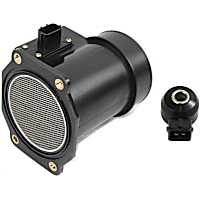 Mass Air Flow Sensor
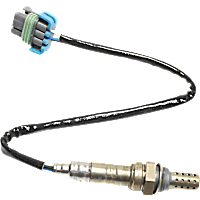 Oxygen Sensor
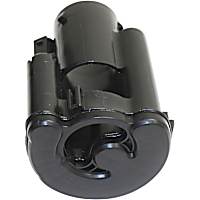 Fuel Filter
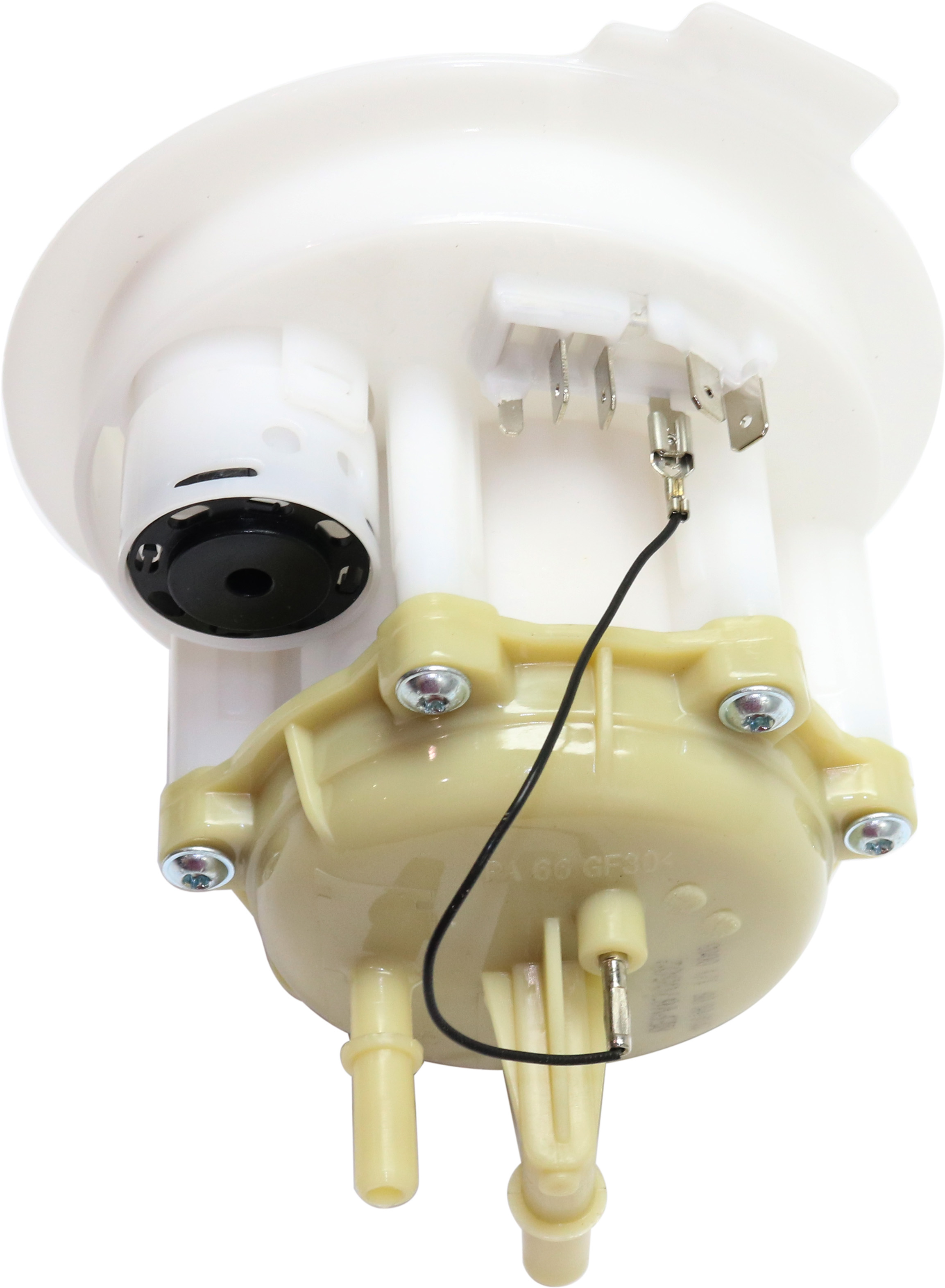
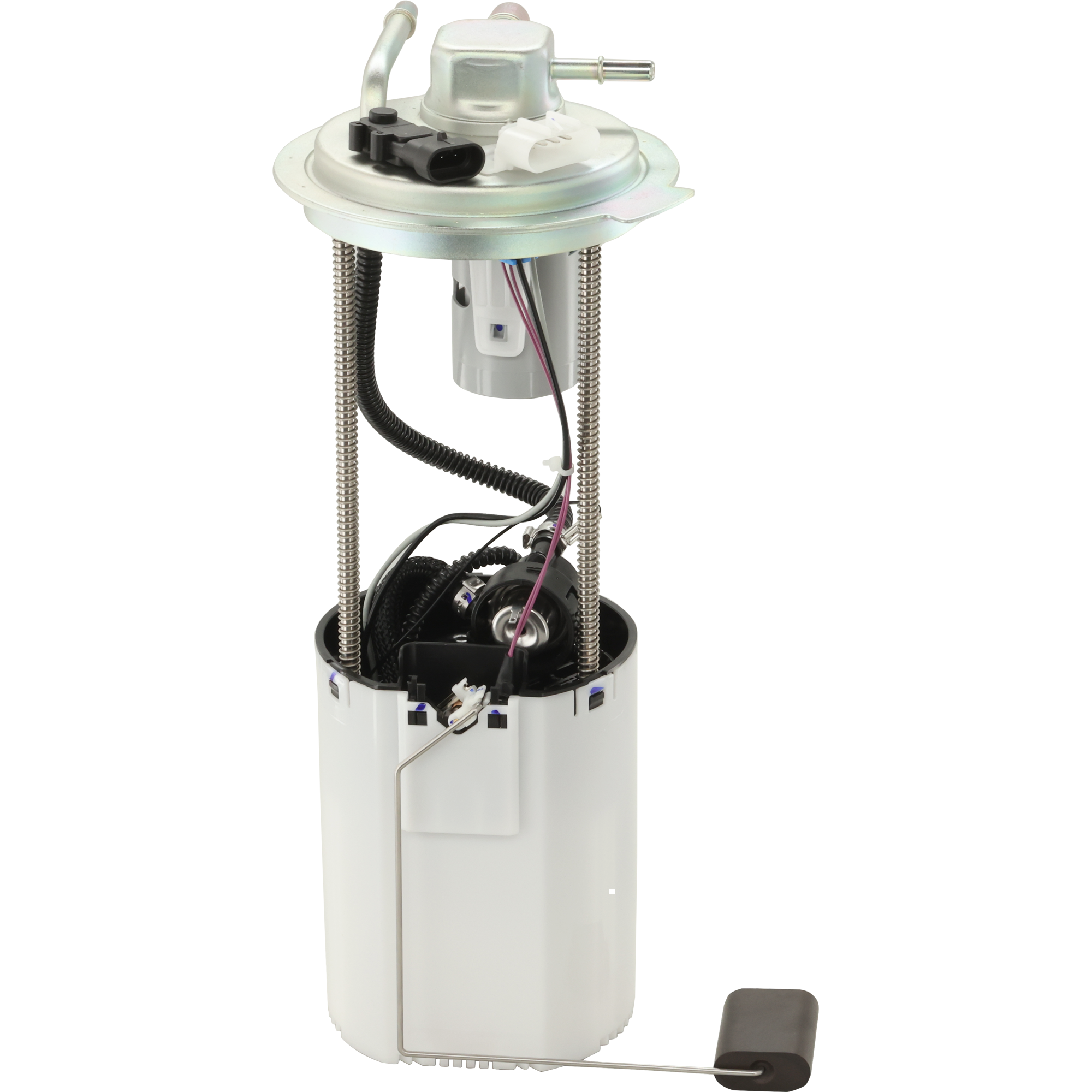
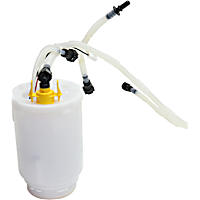 Fuel Pump
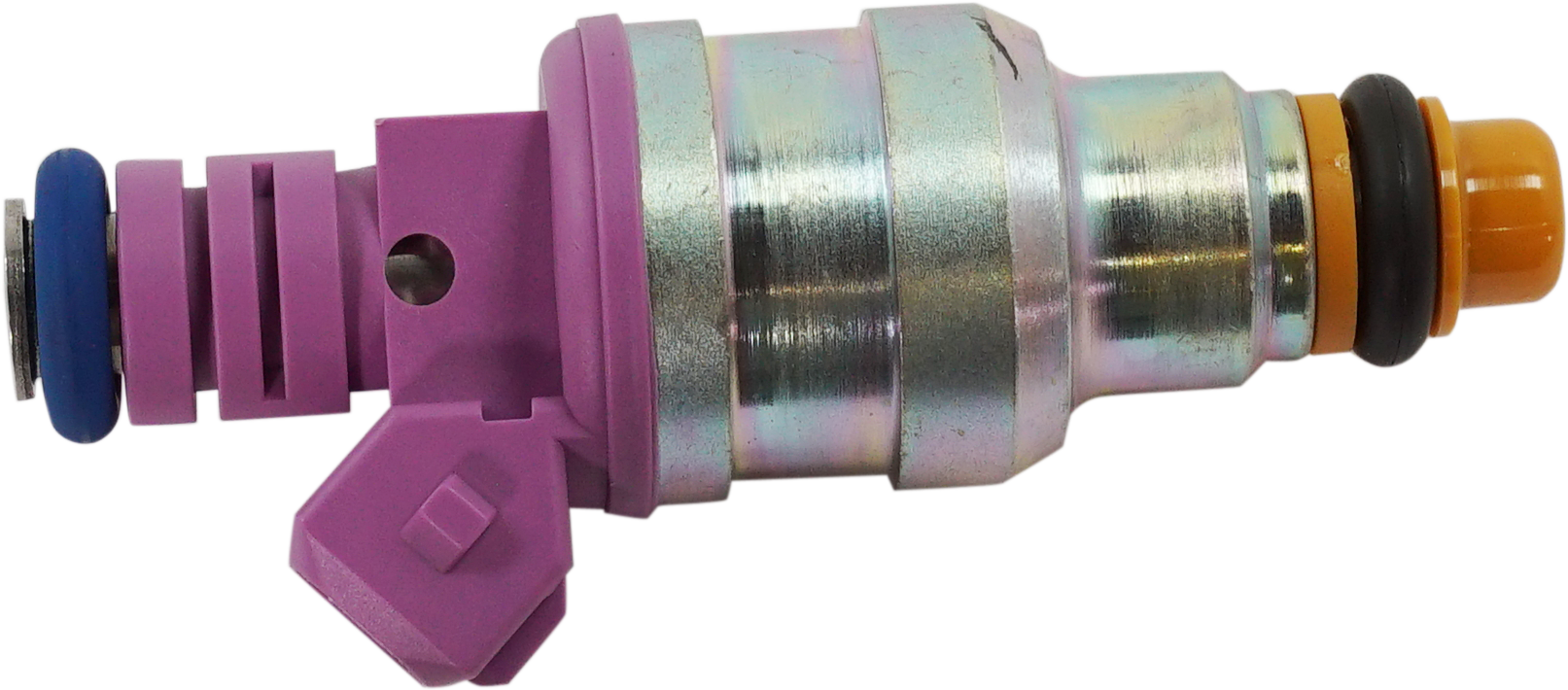
 Fuel Injector
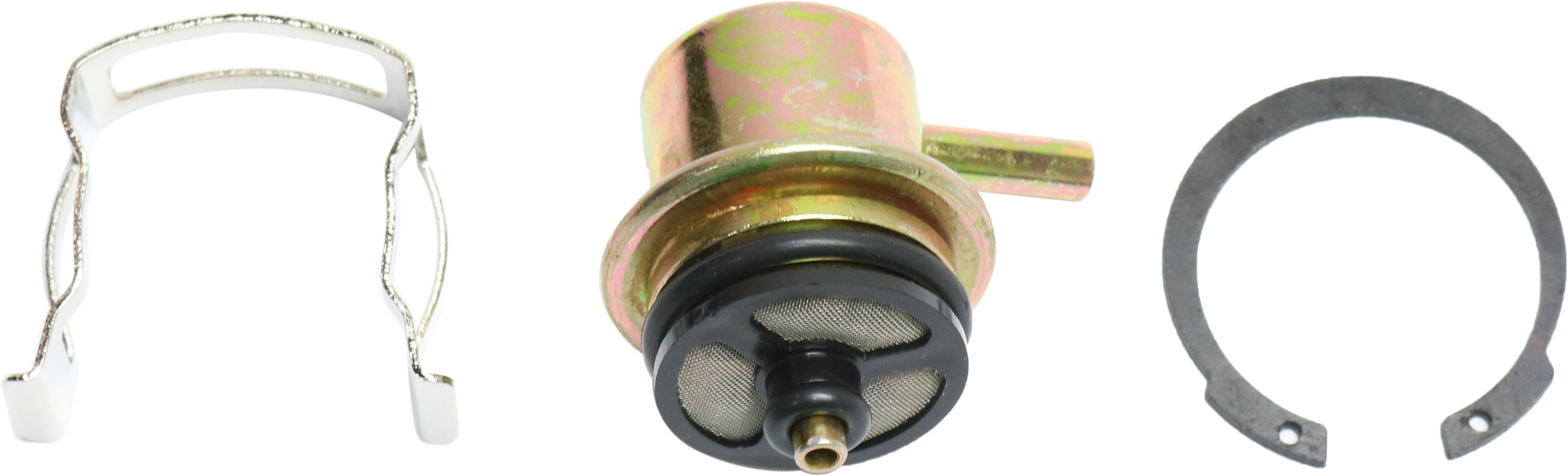
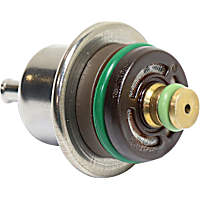 Fuel Pressure Regulator
Shop this Project
-
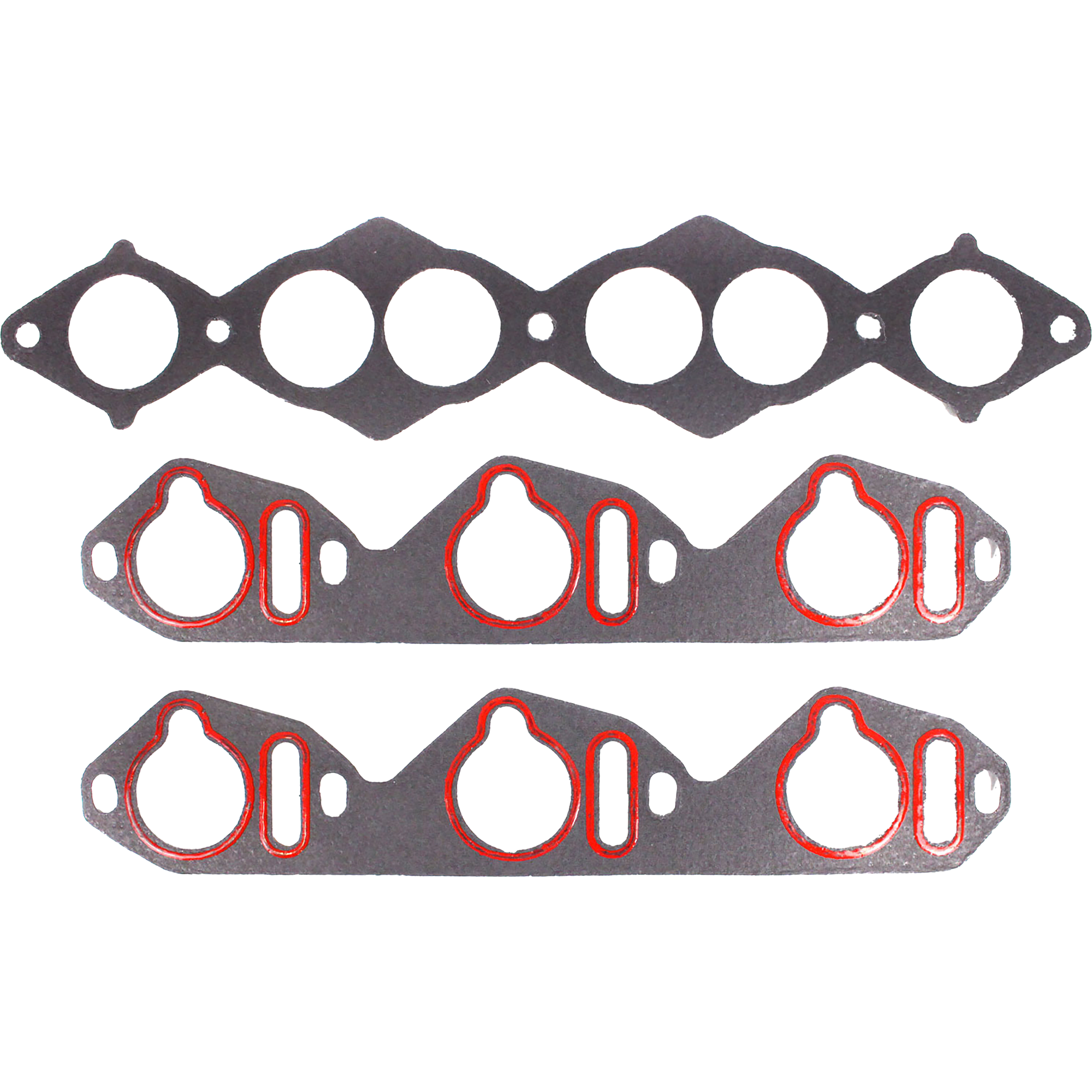
Replacement – Intake Manifold Gasket, Includes Upper Set

$12.99
Price and rating may change from the time content is published.
-
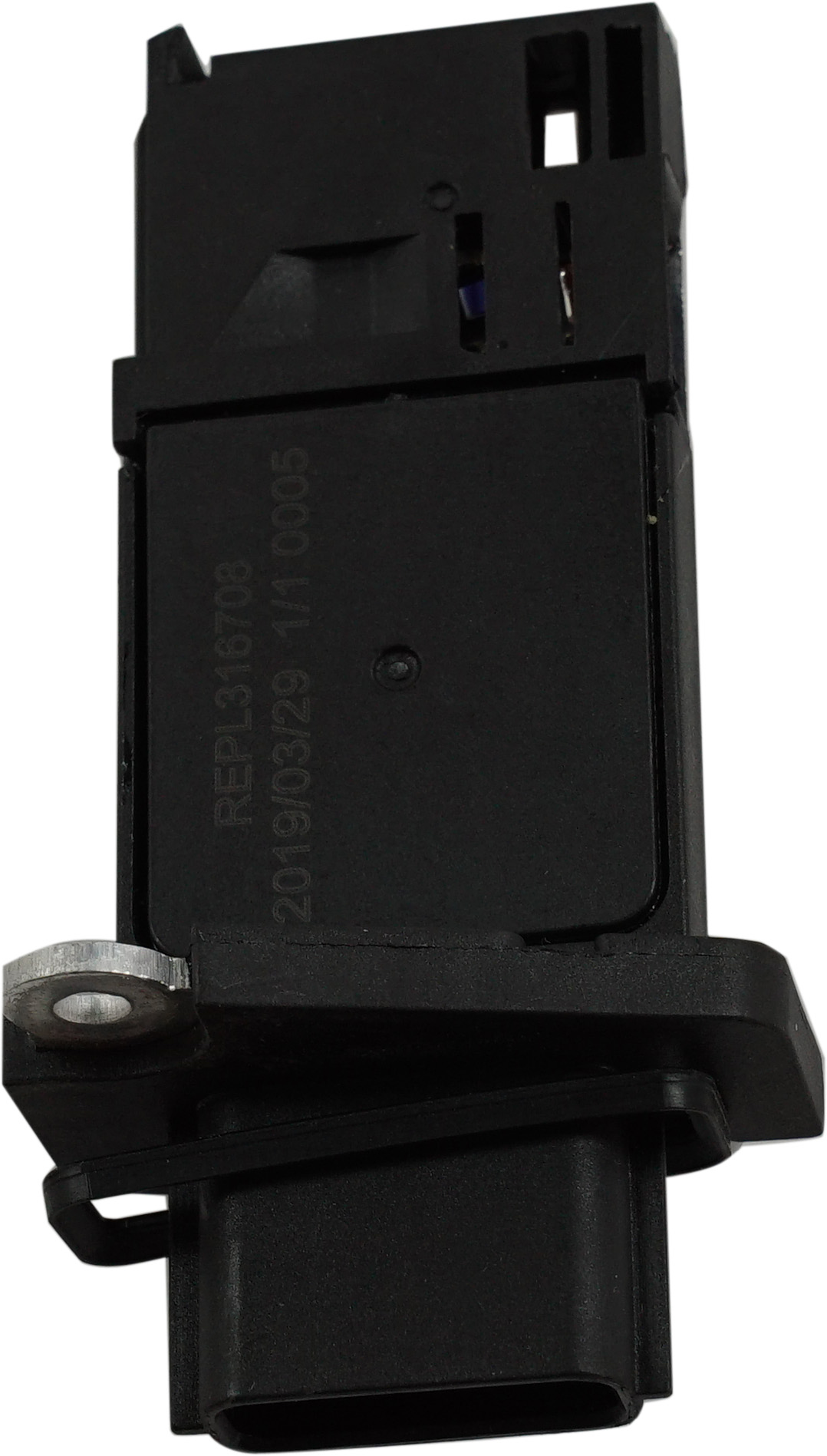
DriveWire – Mass Air Flow Sensor, 4/6/8 Cyl. Engines, Sensor Only

$34.99
Price and rating may change from the time content is published.
-
Replacement – Fuel Filter, With Engine Flange
$32.99
Price and rating may change from the time content is published.
-
Replacement – Fuel Injector, with Red Connector
$22.99
Price and rating may change from the time content is published.
-
DriveMotive – Fuel Pump, With Fuel Sending Unit
$61.99
Price and rating may change from the time content is published.
-
Replacement – Fuel Pressure Regulator
$12.99
Price and rating may change from the time content is published.
-
DriveWire – Oxygen Sensor, 4-Wire, Heated
$49.99
Price and rating may change from the time content is published.
Keep Reading: Related Posts





Any information provided on this Website is for informational purposes only and is not intended to replace consultation with a professional mechanic. The accuracy and timeliness of the information may change from the time of publication.