P0341 Code: Camshaft Position Sensor “A” Circuit Range/Performance (Bank 1 or Single Sensor)
The P0341 diagnostic trouble code indicates a problem with the camshaft position sensor “A” signal on Bank 1 or a single-sensor engine. It is triggered when the PCM detects that the camshaft position signal is out of range, improperly timed, or inconsistent with expected values.
Quick Answers
- Meaning/Definition: Camshaft Position Sensor “A” Circuit Range/Performance (Bank 1 or Single Sensor)
- What it affects: Engine timing input, fuel injection timing, and misfire detection
- How serious it is: Can cause starting problems, rough running, and stalling if unresolved
- Most common causes: Faulty camshaft position sensor, wiring issues, defective reluctor wheel, timing component problems
- What to do first: Check sensor wiring and connections, inspect the camshaft position sensor, scan for related codes
- Can you keep using it / is it safe: The vehicle may still run, but drivability issues and stalling can occur
What Does the P0341 Code Mean?
P0341 stands for “Camshaft Position Sensor ‘A’ Circuit Range/Performance (Bank 1 or Single Sensor).” The code is set when the PCM detects that the camshaft position sensor signal is missing, out of range, or not properly synchronized with the crankshaft position sensor signal.
This code will not be triggered unless the camshaft sensor signal goes away or deviates significantly from expected values. It can also be set during extended cranking periods.
The “A” designation typically refers to the intake camshaft. On V-type engines, it usually indicates the intake camshaft on Bank 1. Bank 1 refers to the side of the engine that contains cylinder number one.

P0341 on Some Honda Vehicles
On some Honda vehicles, the camshaft position sensor A monitors intake camshaft timing and sends pulsing signals to the PCM. The PCM compares these signals with the crankshaft position sensor to determine camshaft advance or retard.
If the pulse deviates from the expected range over a specific time period while the variable valve timing control (VTC) is not active, the PCM stores the P0341 code.
Example causes on a 2014 Honda CR-V LX 2.4L include:
- CMP sensor A poor installation
- Intake camshaft or cam chain poor installation
- CMP sensor A failure
- VTC actuator failure
Common Symptoms / What You’ll Notice
Drivers may experience one or more of the following symptoms when P0341 is present:
- Check Engine (MIL) light illuminated
- Hard starting
- Intermittent starting or no-start conditions
- Rolling idle or surging at low speeds
- Mild engine power loss
- Engine stalling at idle
- Engine idling too low or too high
- Rough running and misfires
- Increased fuel consumption
- Engine cranks normally but does not start

Pro Tips are nuggets of information direct from ASE-certified automobile technicians working with CarParts.com, which may include unique, personal insights based on their years of experience working in the automotive industry. These can help you make more informed decisions about your car.
Pro Tip: A failed cam position sensor will always store code P0341 (or a P0340), but there may be no other noticeable symptoms.
Common Causes
Possible causes of the P0341 code include:
- Faulty camshaft position sensor (CMP)
- Circuit problems such as damaged wiring or loose connections
- Defective camshaft reluctor wheel
- Timing component issues such as a stretched timing chain or failed timing chain tensioner (this usually sets additional codes)
How Serious Is the P0341 Code?
The severity of P0341 depends on the underlying cause. In some vehicles, the only noticeable issue may be an illuminated Check Engine light. In others, the engine may experience hard starting, stalling, or rough operation.
Ignoring the problem can lead to worsening drivability issues and unreliable engine performance, especially if timing-related components are involved.

How to Diagnose the P0341 Code
Accurate diagnosis is critical to resolving the P0341 code. Use the following step-by-step approach if you have sufficient DIY experience:
- Scan for additional trouble codes
- Check for related camshaft, crankshaft, or timing codes.
- If other codes are present, diagnose them first.
- Inspect the camshaft position sensor and connector
- Look for corrosion, bent pins, or loose connections.
- Repair or reseat connectors as needed.
- Check wiring and harness routing
- Inspect for damaged insulation, broken wires, or pinched harnesses.
- Repair any visible wiring faults.
- Verify sensor installation
- Ensure the sensor is properly seated and aligned.
- Poor installation can affect signal accuracy.
- Evaluate timing-related components
- If symptoms persist, inspect timing chain condition and tensioner operation.
- Mechanical timing issues often trigger additional fault codes.
Professional technicians may use an oscilloscope to compare camshaft and crankshaft waveforms against known good patterns to identify signal or timing faults.
How to Fix the P0341 Code
There is no universal repair for P0341. The correct fix depends on the confirmed cause.
- If the camshaft position sensor is faulty: Replace the sensor.
- If wiring or connectors are damaged: Repair or replace affected components.
- If the reluctor wheel is defective: Repair or replace the damaged part.
- If timing components are worn or stretched: Repair or replace the timing chain, tensioner, or related parts.
Some cam sensors are adjustable, such as those used in distributor-style or cam synchronizer applications. These require special tools and procedures and should not be adjusted by guessing. Non-adjustable sensors that mount directly to the valve cover or cam housing are typically plug-and-play replacements.
V-type engines often have a camshaft sensor on each bank. On some vehicles, a single failed sensor can cause hard starting.
If you are not confident in your repair skills, it is recommended to have a qualified technician perform the diagnosis and repair.
How the Camshaft Position Sensor Works
To complete a full four-stroke cycle, the crankshaft rotates twice (720 degrees). The camshaft controls valve operation and must stay synchronized with crankshaft movement.
The PCM uses both camshaft and crankshaft position sensor signals to determine:
- Which cylinder is on its power stroke
- When to inject fuel
- When combustion events occur
- Whether a misfire is present
By comparing real-time signals with stored reference patterns, the PCM can detect timing irregularities and set diagnostic codes when abnormalities occur.
Camshaft Position Sensor Location
The camshaft position sensor location varies by vehicle make, model, and engine design. Common mounting points include:
- Near the top or side of the engine block
- On the timing cover
- On the cylinder head
For example, on a 2017 Chevy Malibu, the sensors are located under the engine cover and valve cover area, with one sensor mounted on top and another near the rear of the engine on the driver’s side.
Some older or specialized designs integrate cam sensors into distributors using Hall Effect or optical sensors. Most modern systems use Variable Reluctance or Hall Effect sensors mounted directly near the camshaft.
How the PCM Uses Camshaft and Crankshaft Signals
The PCM uses crankshaft position data to track engine speed and position and camshaft position data to identify which cylinder is firing.
This information allows the PCM to:
- Control injector firing order
- Prevent backfire during fuel injection
- Detect cylinder misfires by monitoring crankshaft speed changes
If the camshaft sensor signal becomes erratic or drops out, the PCM sets fault codes such as P0341.
FAQs
P0341 means the PCM detected a camshaft position sensor “A” signal that is out of range or not performing as expected on Bank 1 or a single-sensor engine.
Yes. In some cases, the engine may crank normally but fail to start if the PCM cannot properly determine camshaft position.
No. While both relate to camshaft position sensor issues, P0341 focuses on signal range and performance, while P0340 typically indicates a circuit malfunction.
Yes. Extended cranking periods can cause the PCM to detect abnormal camshaft signal behavior and set this code.
No. Some vehicles may only display the Check Engine light without noticeable drivability issues.
No. Bank 1 refers to the side of the engine that contains cylinder number one and only applies to V-type and boxer engines.
Yes. A stretched timing chain or failed tensioner can affect camshaft timing and trigger this code, often along with other related faults.
Some sensors are simple bolt-on replacements. Adjustable sensors require special tools and procedures and are better handled by experienced technicians.
No. Clearing the code without fixing the underlying issue will usually result in the code returning.
When to Get Professional Help
Seek professional assistance if:
- The engine stalls frequently or will not start
- Multiple timing-related codes are present
- Wiring or sensor testing requires specialized equipment
- You are unsure about proper sensor installation or timing procedures
Professional diagnosis can prevent unnecessary part replacement and help identify complex electrical or mechanical issues accurately.
Products Mentioned in this Guide
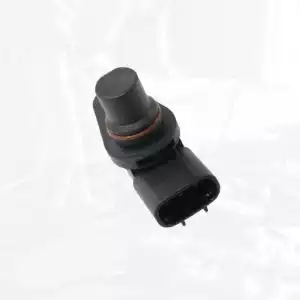
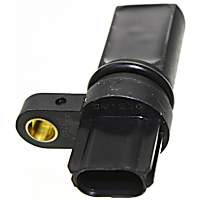 Camshaft Position Sensor
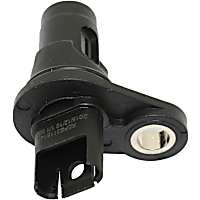 Crankshaft Position Sensor
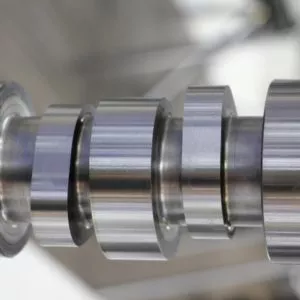
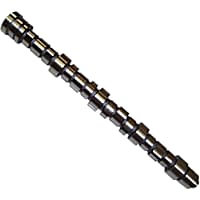 Camshaft
Keep Reading: Related Posts





Any information provided on this Website is for informational purposes only and is not intended to replace consultation with a professional mechanic. The accuracy and timeliness of the information may change from the time of publication.