Any fault in the intake manifold runner position sensor can trigger the check engine light. The P2015 code specifically points to a range or performance problem detected by the powertrain control module (PCM) in the Bank 1 intake manifold runner position sensor.
Quick Answer
- Meaning/Definition: P2015 means the PCM has detected that the Bank 1 intake manifold runner position sensor signal is out of range or not performing as expected.
- What it affects: The intake manifold runner control (IMRC) system, which manages airflow into the engine.
- How serious it is: It can affect engine performance and fuel economy but does not usually cause immediate engine failure.
- Possible causes: Faulty intake manifold runner position sensor, failing IMRC actuator or solenoid, wiring or connection issues, or PCM-related problems.
- What to do first: Check for related trouble codes and inspect wiring and connectors for visible damage.
- Can you keep using it / is it safe: The vehicle may still run, but performance and efficiency can suffer until the issue is fixed.
What the P2015 Code Means

Diagnostic Trouble Code (DTC) P2015 stands for “Intake Manifold Runner Position Sensor/Switch Range/Performance (Bank 1).” It indicates that the PCM has received a signal from the Bank 1 intake manifold runner position sensor that falls outside the expected operating range.
Bank 1 refers to the side of the engine that contains cylinder #1. On inline engines, there is only one bank, so Bank 1 applies to the entire engine.
A “performance” code generally means the PCM commanded a change of state and then watched other inputs to see if the change occurred. This typically means the PCM sees no problem with the electrical parts of the circuit, which would be a different code
Note: The exact definition of P2015 can vary by vehicle manufacturer. Always consult a vehicle-specific repair manual or database for precise details.
How the Intake Manifold Runner Control (IMRC) System Works
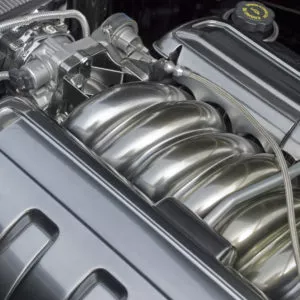
The intake manifold mounts to the engine and contains runners that deliver air to each cylinder. Many modern engines use an intake manifold runner control (IMRC) system to optimize airflow under different driving conditions.
The IMRC system adjusts the effective length of the intake runners by opening or closing internal valves. These valves are typically controlled by a vacuum solenoid or an electronic actuator. The intake manifold runner position sensor reports valve position back to the PCM so the system can operate correctly.
When the PCM detects that this sensor’s signal is out of range, it sets the P2015 code.
Common Symptoms of the P2015 Code
Symptoms can vary by vehicle, but commonly include:
- Illuminated Check Engine Light
- Decreased fuel economy
- Poor engine performance
Common Causes of the P2015 Code
The P2015 code is generic, meaning it applies to many makes and models. However, the exact cause can differ depending on vehicle design and condition. Possible causes include:
- Malfunctioning intake manifold runner position sensor
- Failing IMRC actuator or solenoid
- Circuit issues such as damaged wiring or poor electrical connections
- PCM issues, including outdated or faulty software
How Serious Is the P2015 Code?
While P2015 does not usually indicate an immediate safety risk, it can lead to reduced engine efficiency and drivability issues if ignored. Over time, unresolved IMRC problems may contribute to additional engine performance concerns.

How to Diagnose the P2015 Code
Because multiple components can trigger this code, diagnosis can be challenging.
- Confirm the code using a scan tool and check for any related trouble codes.
- Inspect wiring and connectors associated with the intake manifold runner position sensor and IMRC actuator for damage or corrosion.
- Follow manufacturer-specific diagnostic procedures to test the sensor and actuator operation.
If you do not have DIY automotive repair experience, it is best to leave diagnosis to a qualified professional who has the proper tools and reference information.
How to Fix the P2015 Code
There is no single fix that works for every vehicle. Repair steps depend on the root cause and vehicle design.
- If the intake manifold runner position sensor is faulty, replacement may be required.
- If the IMRC actuator or solenoid has failed, repairing or replacing that component may resolve the issue.
- If wiring or connection problems are found, repairing the circuit may clear the code.
- In some cases, PCM software updates or repairs may be necessary.
Always follow the repair procedures outlined in your vehicle’s service information.
Intake Manifold Runner Control (IMRC): Long Runners vs Short Runners
The basic premise of IMRC systems is the use of internal flaps in the intake manifold to switch airflow between long, narrow runners (high air velocity) and short, wide runners (high airflow volume) depending on RPM and load. The actuators the PCM uses to do this have internal sensors.
At low RPM, the flaps (butterflies) are closed, which routes the air through the longer runners for higher air velocity and stronger low‑end torque.
At high RPM, the flaps are open, which routes the air through shorter runners for reduced restriction, more airflow, and higher horsepower.
FAQs
Bank 1 refers to the side of the engine that contains cylinder #1. Inline engines only have one bank, so Bank 1 applies to the entire engine.
Yes, a fault in the intake manifold runner position sensor will most likely trigger the check engine light.
Yes, decreased fuel economy is one of the common symptoms associated with this code.
P2015 is a generic OBD-II code, but its exact definition and repair steps can vary by manufacturer.
Basic checks are possible, but accurate diagnosis often requires manufacturer-specific information and tools.
Yes, poor engine performance is a common symptom when the IMRC system is not operating correctly.
Yes, damaged wires or poor electrical connections can cause incorrect sensor signals that set the code.
PCM-related issues are possible but generally less common than sensor, actuator, or wiring problems.
When to Get Professional Help
If you lack automotive diagnostic experience or the code persists after basic checks, consulting a professional mechanic is recommended. Proper diagnosis ensures the correct repair and prevents unnecessary part replacement.
Products Mentioned in this Guide
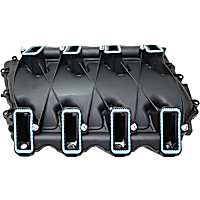 Intake Manifold
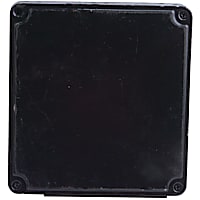 Engine Control Module
Keep Reading: Related Posts



Any information provided on this Website is for informational purposes only and is not intended to replace consultation with a professional mechanic. The accuracy and timeliness of the information may change from the time of publication.