Replacing a radiator hose sounds like a fifteen-dollar errand until the new hose arrives with the wrong bend, no clamps, and a fitting that doesn’t match the one coming off the engine. That’s how a quick cooling-system fix turns into a second order, a second weekend, and a garage floor full of coolant. The shopper who finishes the job on the first try isn’t the one who picked the cheapest listing. It’s the one who walked up to the cart already knowing what the repair actually needs.
Radiator hoses create wrong-order risk because a hose that “looks close” on screen can differ in length, bend angle, end diameter, and whether it includes a molded sensor port or a quick-connect fitting. The right starting question isn’t “which hose is cheapest.” It’s “what exactly needs to go in the cart so this job finishes once?”
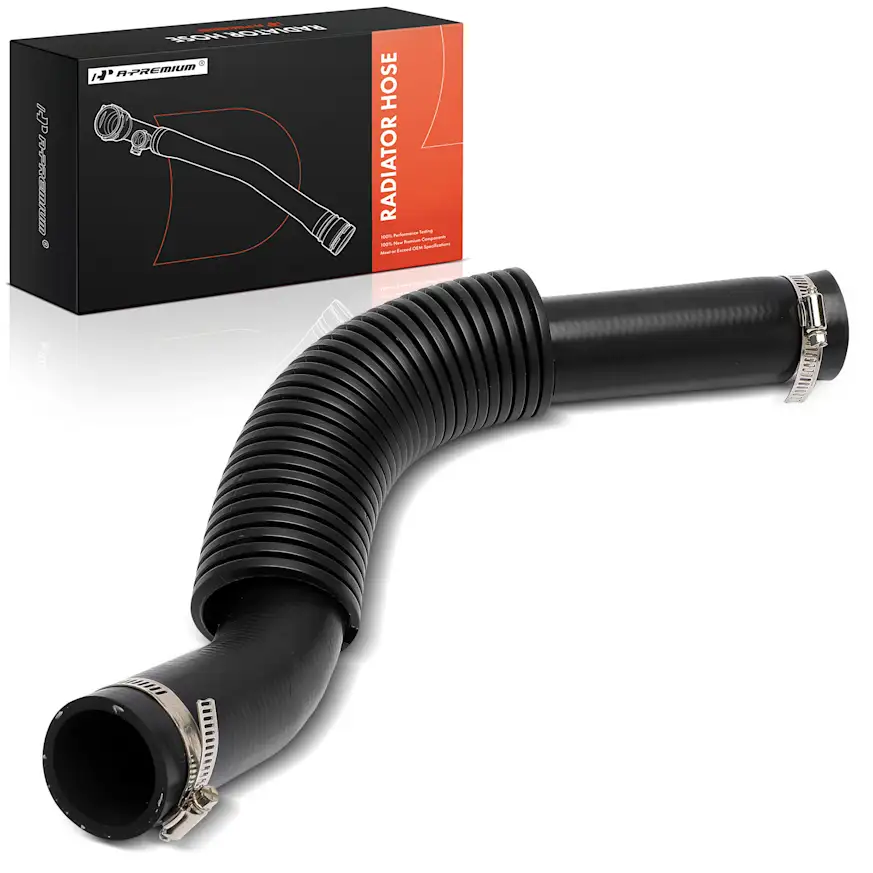
The Job in One Sentence
Replacing a radiator hose means restoring a sealed, pressure-tight path for coolant between the engine and the radiator without reopening the cooling system a second time.
A radiator hose carries hot coolant under pressure through constant heat cycling. When one fails, the fix isn’t just swapping rubber. It’s refreshing a sealing point in a pressurized system, which means the order should cover the hose itself, fresh clamps if the old ones are tired, enough coolant to refill properly, and any small parts the listing doesn’t include. Some hoses ship bare. Others come as molded assemblies with pre-attached quick-connect fittings or sensor ports. Knowing which version your vehicle uses is half the battle.
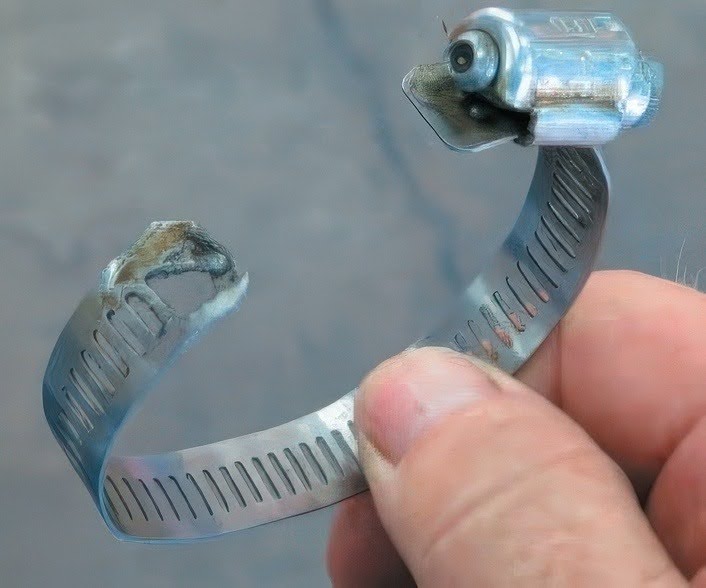
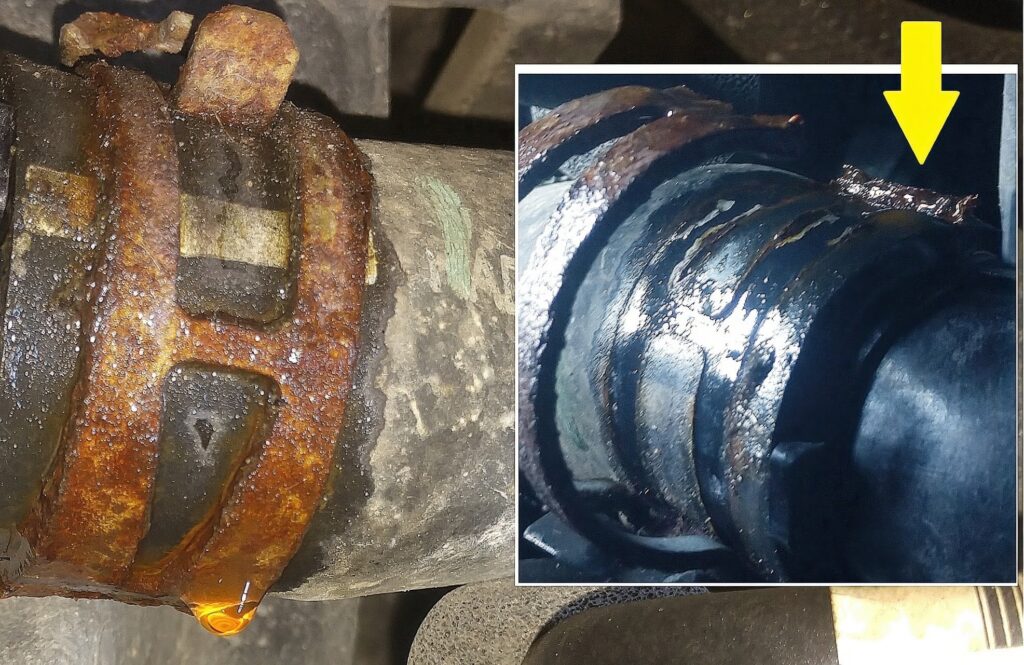
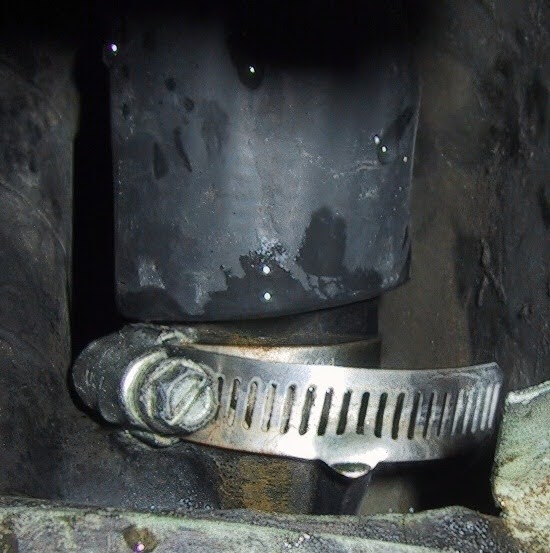
Radiator Hose Clamp Mistakes to Avoid
Choose Your Cart Size
Not every radiator hose job needs the same cart. Match the order to the repair scope.
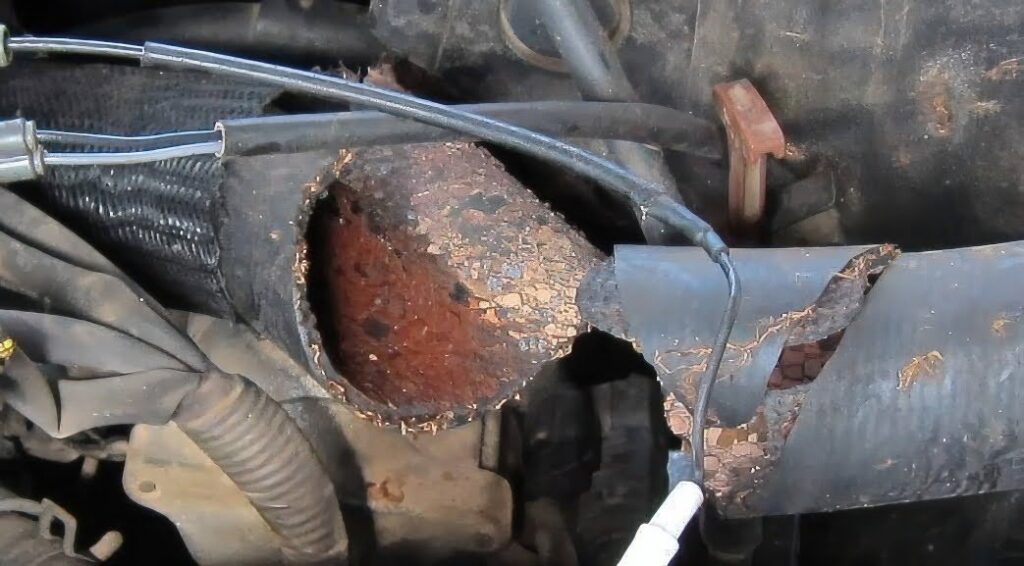
1. Minimum Viable Repair
A single failed hose on a newer vehicle with otherwise healthy cooling components.
Choose it if: the other hose looks clean and pliable, the clamps still spring back, and coolant is recent.
Typical cart: one correct upper or lower radiator hose, one gallon of the correct coolant, distilled water for mixing if needed.
2. Smart Same-Access Refresh
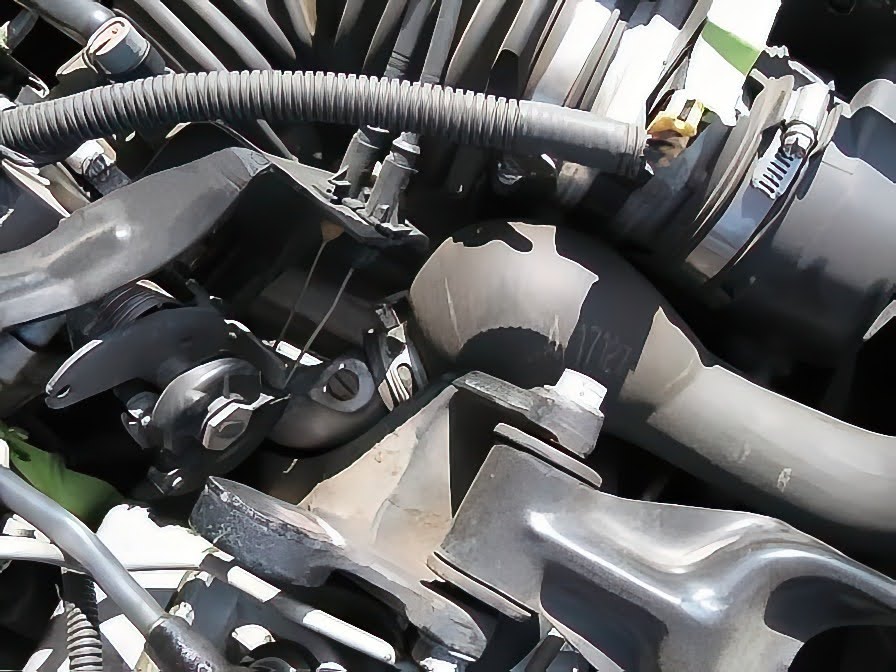
One hose has failed and the other is the same age. The system is already going to be drained.
Choose it if: the vehicle has some miles on it, both hoses are original, or the clamps look corroded.
Typical cart: upper and lower radiator hoses, fresh spring or worm-drive clamps as needed, correct coolant, new radiator cap.
3. High-Mileage Do-It-Once Reset
An older vehicle, a long-term keeper, or a cooling system that’s been patched more than once.
Choose it if: mileage is high, the thermostat is original, the water pump is weeping, or the heater hoses feel spongy.
Typical cart: upper and lower radiator hoses, heater hoses, thermostat and gasket, new clamps throughout, radiator cap, coolant, and a pressure tester rental if one isn’t on the shelf.
What Is Commonly Ordered Together on This Job
Clamps. Old spring clamps lose tension. Old worm-drive clamps rust into the hose. Plan on fresh clamps unless the ones coming off look new.
Coolant. Use the exact coolant specification your vehicle calls for. Mixing the wrong type turns a hose job into a flush job. Order a full gallon even if the system only holds a few quarts. Spills happen and top-off is a reality.
Radiator cap. Caps are cheap and they fail quietly. Replacing one while the system is open adds little labor. They don’t cost much, either. Also, if the coolant degas bottle or pressurized reservoir is so stained that you can’t see the coolant level, replace it. A pressure-type bottle can crack and leak, which can cause severe overheating.
Thermostat and gasket. If the vehicle has miles, the thermostat is the next coolant component statistically likely to fail and strand you. Same access, small part, worth considering.
Heater hoses. These live in the same heat-cycle environment. If the radiator hoses are cooked, the heater hoses usually aren’t far behind.
Hose clips, O-rings, or quick-connect retainers. Some modern hoses use plastic quick-connects with small locking clips or O-rings that don’t always come with the replacement hose. Check the listing details before clicking buy.

What People Forget Until the Vehicle Is Already Apart
A short checklist of things that break the repair if missed.
- Clamps not included with the hose.
- Quick-connect O-rings or retainer clips that stay with the old hose.
- Sensor ports molded into the original hose that are missing on the aftermarket one.
- Coolant type mismatch between what’s in the jug and what the vehicle requires.
- A radiator neck that cracked while prying the old hose off.
- The belly pan or fan shroud hardware that has to come out first.
- Enough distilled water to mix with concentrate coolant.
- A funnel kit or burp tool for vehicles that need a proper bleed procedure.
When Replacing Only the Radiator Hose Is False Economy
For a newer vehicle with a single split hose, a one-hose cart is fine. Hoses don’t always fail in pairs, and swapping a healthy component for the sake of it wastes money.
The math changes on higher-mileage vehicles. The system has to be drained either way. The labor to reach the lower hose often clears the path to the thermostat and water pump. Skipping those parts while the coolant is already on the floor means paying for the same access twice when the thermostat sticks two months later. On vehicles with rubber heater hoses that share a heat-cycle history with the radiator hoses, replacing only one set tends to schedule the next breakdown.
The honest rule: replace only what needs replacing on a fresh, well-maintained car. On a tired one, treat the whole cooling zone as one job.
The Fitment Splits That Break Radiator Hose Orders
This is where wrong-part returns come from. A radiator hose is not generic plumbing. The following splits decide whether the part fits.
Upper vs. Lower. These are not interchangeable. These are not interchangeable. The former links the top of the engine or thermostat housing to the top of the radiator, while the lower connects the water pump to the bottom of the radiator. They have different bends, different lengths, and sometimes different diameters.
Engine Size. A 2.4L four-cylinder and a 3.5L V6 in the same model year and body can use completely different hoses. Always confirm the engine code.
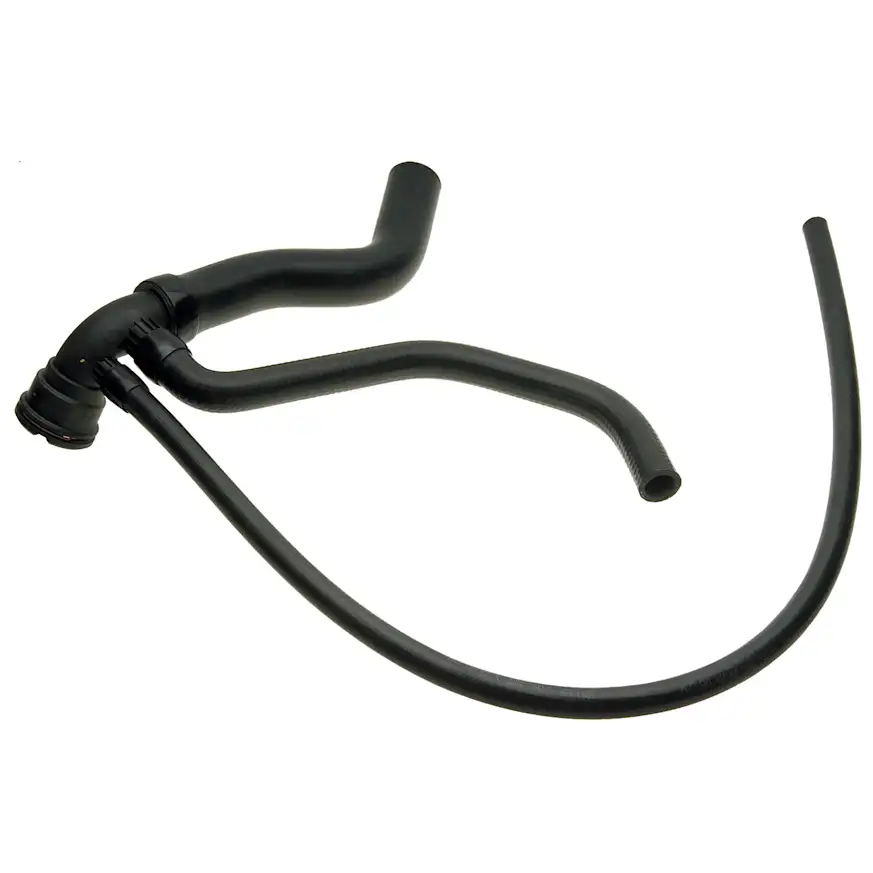
Assembly vs. Bare Hose. Some modern vehicles use molded hose assemblies with pre-attached plastic quick-connect ends, built-in sensor ports, or integrated tees for the heater circuit or degas bottle. A plain rubber hose will not substitute.
Material. EPDM rubber is the default. Some European applications use silicone or reinforced multi-layer construction. The listing should tell you. Established cooling-system brands like Gates publish material specs on each application.
Sensor Provisions. Certain hoses have a molded port for a coolant temperature sensor. If the original has one and the replacement doesn’t, the sensor has nowhere to live.
Turbo vs. Non-Turbo, and Emissions Variants. Turbocharged engines often route coolant differently. Emissions splits like SULEV versions can also change hose routing. Read the fitment notes, not just the vehicle year.
Production Date or VIN Split. Manufacturers change suppliers mid-year. A hose built for early production may not match a late-production unit of the same model year.
Delivery-Day Inspection Checklist
Before anything comes apart, lay the new hose next to the old one and confirm:
- Overall length matches.
- Bend angles match at both ends.
- End diameters match the fittings on the engine, radiator, and water pump.
- Any molded sensor port is present and oriented correctly.
- Quick-connect fittings match the type on the vehicle.
- Clamps or retainer clips are included if the listing said so.
- No shipping kinks, cracks, or flat spots in the rubber.
- The part number on the hose matches the part number on the invoice.
If anything doesn’t match, stop. Return it before the coolant is on the ground. For a full walk-through of the replacement procedure itself, see the radiator hose replacement guide.
Your One-Job Order Sheet for a Radiator Hose
- Confirm the Vehicle. Year, make, model, engine size, and trim. Note any turbo or emissions variant.
- Confirm the Repair Scope. Single hose, pair of hoses, or full cooling refresh.
- Confirm What the Listing Includes. Bare hose, molded assembly, clamps included or not, sensor ports if applicable.
- Add the Consumables. Correct coolant, distilled water if needed, fresh clamps.
- Bench-Check the Old Part Logic. Know the bend, length, and fitting style of what’s coming off before what’s going on arrives.
- Choose the Right Ownership Logic. Minimum repair for a fresh vehicle, same-access refresh for a middle-aged one, do-it-once reset for a keeper.
The Smart Way to Shop Radiator Hoses
A cheap-looking cart usually leaves something behind. A correct cart closes the job. The difference between the two comes down to matching the order to the vehicle’s actual condition, not to the cheapest thumbnail on the page.
The right replacement radiator hose, the right clamps, the right coolant, and a five-minute bench comparison before teardown will finish the job on the first weekend. Skip any of those and the radiator hose replacement that should have taken an afternoon turns into two orders, two drives, and two drain-and-refills. Shop by repair scope, confirm the splits, and build the cart once.
Keep Reading: Related Posts






Any information provided on this Website is for informational purposes only and is not intended to replace consultation with a professional mechanic. The accuracy and timeliness of the information may change from the time of publication.