A snowmobile’s care routine runs in three phases: a preseason once-over before your first ride, in-season service based on mileage or engine hours, and end-of-season prep before storage. Most manufacturers set service intervals by distance, with common checkpoints near 500 miles and 2,000 miles, and many riders follow a rough guide of servicing every 1,000 miles or 100 hours of operation, whichever comes first. Track your mileage or hours, follow your owner’s manual for exact intervals, and inspect your sled every time you ride.
Key Takeaways
- Maintenance splits into three phases: preseason, in-season, and storage.
- Common service checkpoints land near 500 and 2,000 miles, and a general rule is service every 1,000 miles or 100 hours, whichever comes first.
- Check all fluids while the engine’s cold and top off anything low.
- Harder riding in deep powder, rough terrain, or extreme cold means more frequent service.
- Your owner’s manual sets the exact intervals for your make and model.
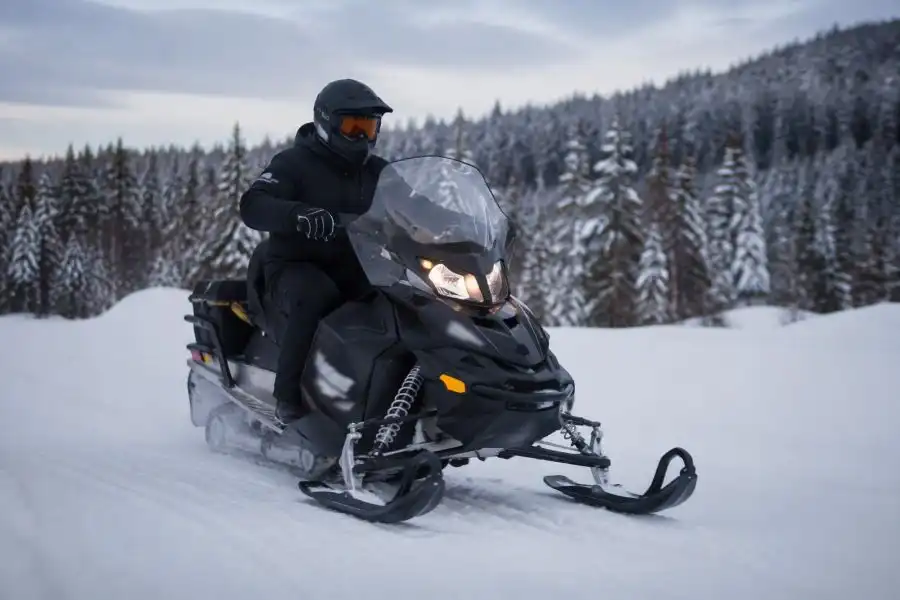
Preseason: Give Your Sled a Once-Over
Before your first ride, work through a full inspection, then repeat the quick checks every time you head out. This is the core of basic snowmobile maintenance, and it catches small problems before they strand you on the trail.
Parts To Inspect
Confirm your sled’s spark plugs are in good condition and tight. Test the lights before you need them. Test the steering at low speed before hitting the trail, and if the steering feels loose or notchy, stop and inspect it before you ride. Tighten the track’s nuts and bolts, check its alignment, and look for signs of severe wear. Inspect the hyfax and sliders, and replace them if they’re worn. Confirm the battery holds a charge and its cables sit tightly. Look over the drive belt for wear, then check the carbides and skis for proper alignment and condition. Lubricate the chassis a few times each season.
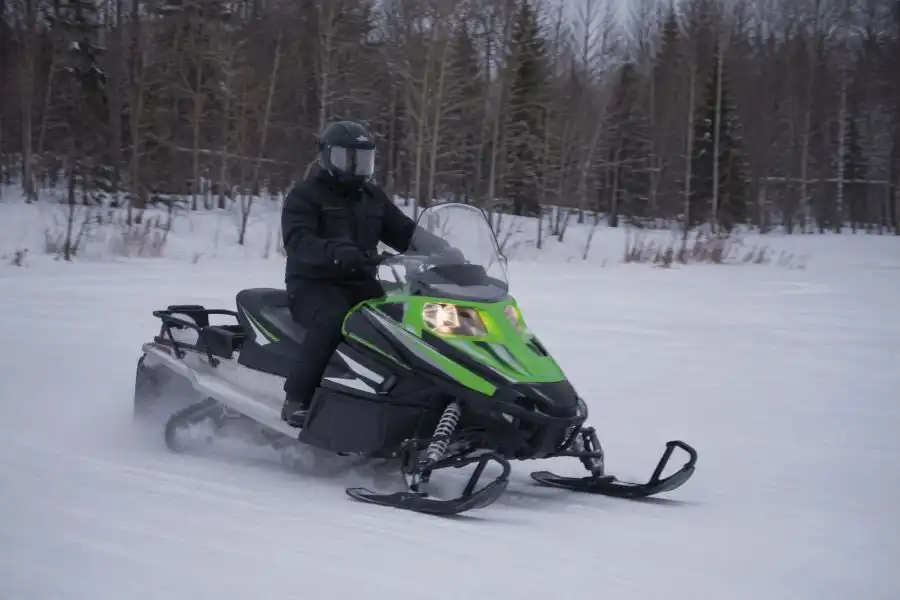
Fluids To Check
Check all fluids while the engine’s cold, then top off anything running low. Fill the oil to the recommended level, confirm the engine coolant and antifreeze, and check the chaincase oil. Inspect the brake fluid too, since worn or low fluid cuts your stopping power. If the level keeps dropping or the brakes feel soft, inspect the system before you ride. Top off the gasoline and add a fuel treatment to keep the system clean.
In-Season Service by Mileage or Hours
Once you’re riding, service intervals kick in by distance. These numbers reflect a common manufacturer schedule, so confirm yours in the owner’s manual.
The 500-Mile Check
Around 500 miles, fill the oil to the recommended level, check the gasoline level, clean the drive clutch, and replace the chaincase oil. This mid-run service keeps the clutch engaging cleanly and the driveline running smoothly.
The 2,000-Mile Service
The list grows around 2,000 miles. Fill the oil and check the gasoline, then replace the drive belt and follow the break-in procedure after you install it. Replace the spark plugs, the brake fluid, the chaincase oil, and the shock oil. Inspect and clean the exhaust valve system. Fresh brake fluid matters here, so if you notice a soft brake feel or a fluid leak, don’t ride until a shop checks the system.
End-of-Season Storage
Storing your sled right protects it through the off-season and saves you money next fall. Remove the drive belt to prevent damage to the belt and clutches and to cut condensation between the belt and clutch sheaves. Add fuel stabilizer to the tank. Clean the sled thoroughly to prevent rust and corrosion. Reduce the track tension so the track won’t stretch or crack while it sits. Remove the battery. Coat exposed metal surfaces, nuts, bolts, and fasteners with an anti-rust spray. Store your sled in a dry place, loosely covered, up on snow dollies or blocks.

How Riding Habits Change the Schedule
How often you’ll service comes down to how hard you ride. Intense use in deep powder, rough terrain, or extreme cold wears parts faster, so a sled that gets ridden hard needs service sooner than the mileage chart suggests. Watch for drops in performance, unusual noises, leaks, and warning lights on the instrument panel, and address them promptly.Deep-snow sleds and trail sleds also see different wear patterns, so match your checks to the way you ride. Handling your snowmobile maintenance on a steady rhythm keeps performance, reliability, and safety where they belong all winter.
FAQ
A common guide is every 1,000 miles or 100 hours of operation, whichever comes first, plus a preseason inspection and quick checks before each ride. Your owner’s manual sets the exact figure for your sled model.
Check fluids while the engine’s cold, then top off anything low. A cold engine gives you an accurate read on oil, coolant, and the rest.
Remove the drive belt, add fuel stabilizer, clean the sled, reduce track tension, pull the battery, coat exposed metal with anti-rust spray, then store it dry and loosely covered on dollies or blocks.
Inspect the belt during preseason and in-season checks, and plan a replacement around the 2,000-mile mark or sooner if you spot wear. Follow the break-in procedure after installing a new one.
Watch for drops in performance, unusual noises, leaks, and dashboard warning lights. Hard riding in powder, rough terrain, or extreme cold also shortens the intervals.
Keep this schedule handy and your sled will reward you with strong, reliable seasons on the snow. When it’s time to replace belts, plugs, fluids, or the parts that wear out first, you’ll find the right fitment and pro-grade gear in one place. Start your build at the JC Whitney Performance Hub and get your machine ready before the temperature drops.
Keep Reading: Related Posts






Any information provided on this Website is for informational purposes only and is not intended to replace consultation with a professional mechanic. The accuracy and timeliness of the information may change from the time of publication.