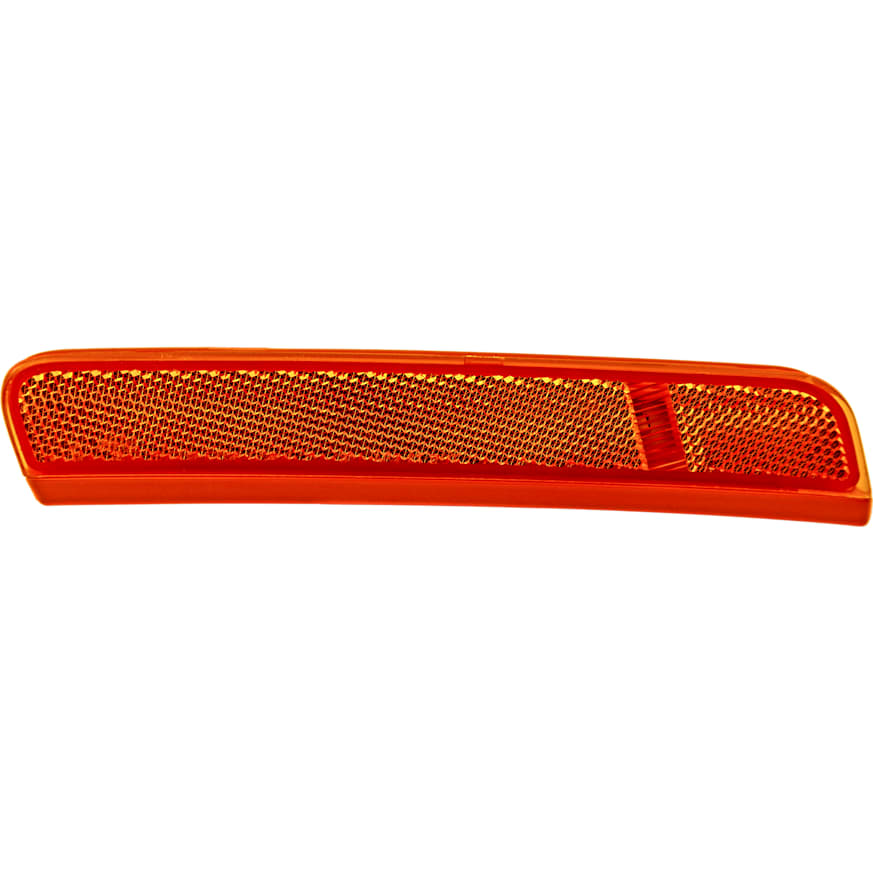
A side marker light is a small exterior lamp mounted near a vehicle’s front and rear corners (and sometimes along the body) that shines toward the side. It usually turns on with the parking lights or headlights. Some vehicles also tie it into the turn-signal circuit, so it pulses when you signal. If you’ve asked “What is a front side marker light?” it’s the forward corner marker that gives angled traffic a clearer cue about the vehicle’s front-side presence and direction.
Drivers notice the value of these lamps in situations where angles hide other lighting. Cross traffic at dusk may not catch the full headlamp beam. Adjacent-lane drivers may only see a sliver of the vehicle through spray or glare. Side-facing light gives them a clearer read on where your vehicle sits and how it’s oriented.
Side Marker vs. Other Vehicle Lights
Once you know what a marker lamp tries to communicate, the rest falls into place. Each exterior light speaks a different “language,” even when the housings sit next to each other.
Side marker lights
These lamps focus on presence from the side. They add a steady point of light near the vehicle’s edge, which makes the outline easier to recognize from an angle. On some vehicles, the marker also flashes with the turn signal, but the steady side visibility remains its main job.
Turn signals
Turn signals announce a planned movement. Their flash pattern carries meaning: a turn, a lane change, or a merge. Even when a turn signal sits at the corner, it doesn’t consistently show the vehicle’s side profile the way a marker does.
Tail lights
Tail lights face rearward. They tell drivers behind you where you are when ambient light drops. Brake lights add a stronger message about deceleration. From a shallow angle, though, rear lighting can be hard to see, which is where a rear corner marker can fill the gap.
These roles also explain why color choices matter. Drivers read amber as “front-side presence” and red as “rear presence.” Swapping to heavy tints or unusual colors can blur that message, even if the lamp still works.
How a Side Marker Affects Vehicle Safety
The safety case for side markers starts with perspective. Many conflicts happen at angles, not head-on from the front or directly from behind. In those moments, other drivers may not see a headlamp beam pointed away from them or a tail lamp that sits around a corner.
Corner marker lamps put light where angled drivers can actually see it. At a night intersection, they can give cross traffic earlier notice that a vehicle is moving through. In neighboring lanes, they make it easier to track a vehicle’s outer edge, especially when rain, road spray, or glare reduces contrast.
Reliability matters here, too. A failed marker doesn’t always jump out to vehicle drivers, but it can remove a visibility cue for others. That’s why a small lamp still deserves attention when it goes dark or starts flickering.
Types of Side Marker Lights
After safety, most decisions come down to construction and fit. Replacement parts vary by position, lens shape, and whether the lamp uses a replaceable bulb or a sealed LED assembly. Body lines and mounting points also force different shapes across vehicles, so “universal” options rarely fit as cleanly as vehicle-specific parts.
Bulb-based Housings (Incandescent/halogen)
These use a socket and a replaceable bulb behind a lens. They often cost less at the counter. If the bulb burns out, you can swap just the bulb if the housing stays intact. Over time, the socket can corrode, and heat can cloud the lens or dry out the perimeter seal.
Sealed LED Assemblies
LED designs place the light source inside a sealed unit. They usually tolerate vibration well and draw less power. They reach full brightness quickly and can spread light evenly across the lens. If the LED array fails, the fix usually means replacing the full assembly rather than a single bulb.
Lens Treatments and Legality
Most factory designs stick to clear lenses with amber or red output, depending on location. Smoked lenses can dim the lamp, and they can change how easily other drivers recognize direction. If you want a darker look, choose a lamp built for that finish rather than adding film that blocks light.
Shapes and Sizes
Some markers sit flush with the bumper or fender. Others use a raised rectangular or oval body. Trucks and trailers often have larger markers because vehicle length and height make outline recognition harder at night. Whatever the shape, the details that matter are mounting tabs, connector style, and the sealing surface.
Tips on How to Install a Side Marker
Installation is simple, but it can depend on vehicle access. Some designs pop out from the outside with a clip release. Others require wheel-well liner access or trim removal. Either way, the job goes smoother when you treat it as a fit-and-seal task, not just a “swap the part” task.
General Installation Tips
- Confirm the correct position before you buy. Front and rear differ, as well as left and right.
- Protect the paint at the panel edge. Use painter’s tape and a plastic trim tool.
- Check the gasket and seating surface. A pinched seal can let water in right away.
- Look closely at the connector. Corrosion, loose pins, and a weak ground cause many repeat issues.
- If you switch to LED, test the lamp before you button everything up. Some designs react to polarity or vehicle wiring.
Typical Part and Labor Costs
Parts vary with design. A basic aftermarket marker assembly often runs about $10–$60 each. LED assemblies and complex housings usually land higher. Listings may also differ on whether or not the bulb comes with the housing.
Labor can also vary. Many vehicles fall in the 0.3–1.0 hour range per side at a shop. If a bumper cover or liner has to come off, the time can climb. In many cases, the installed total lands around $40–$250 per lamp, depending on shop rates and part choice.
Do a quick function check after installing your vehicle’s side markers. Turn on the parking lights and confirm steady illumination. If your marker flashes with the turn signal, confirm that the pulse looks stable and consistent.
Tips on How to Maintain Side Markers
Most marker failures are caused by moisture, corrosion, impact, or bulb burnout. A short routine check can catch problems before a lamp fails completely.
Good Maintenance Habits
- Wash lenses with mild soap and water. Road film can dull output.
- Watch for consistent condensation. Persistent moisture usually points to a failed seal or a cracked lens.
- Check connectors once in a while, especially in salted-road climates. Look for green corrosion or loose pins.
- Replace dim bulbs in pairs when one side looks weaker than the other.
- Inspect the lamp after minor bumps. Small cracks often turn into leaks later.
Side marker lights look minor until you view a vehicle from an angle at night. Then a working marker can be the difference between “seen early” and “seen late.” Choose a part that matches your vehicle’s position and lens color, and keep the seals and connections clean.
Keep Reading: Related Posts





Any information provided on this Website is for informational purposes only and is not intended to replace consultation with a professional mechanic. The accuracy and timeliness of the information may change from the time of publication.