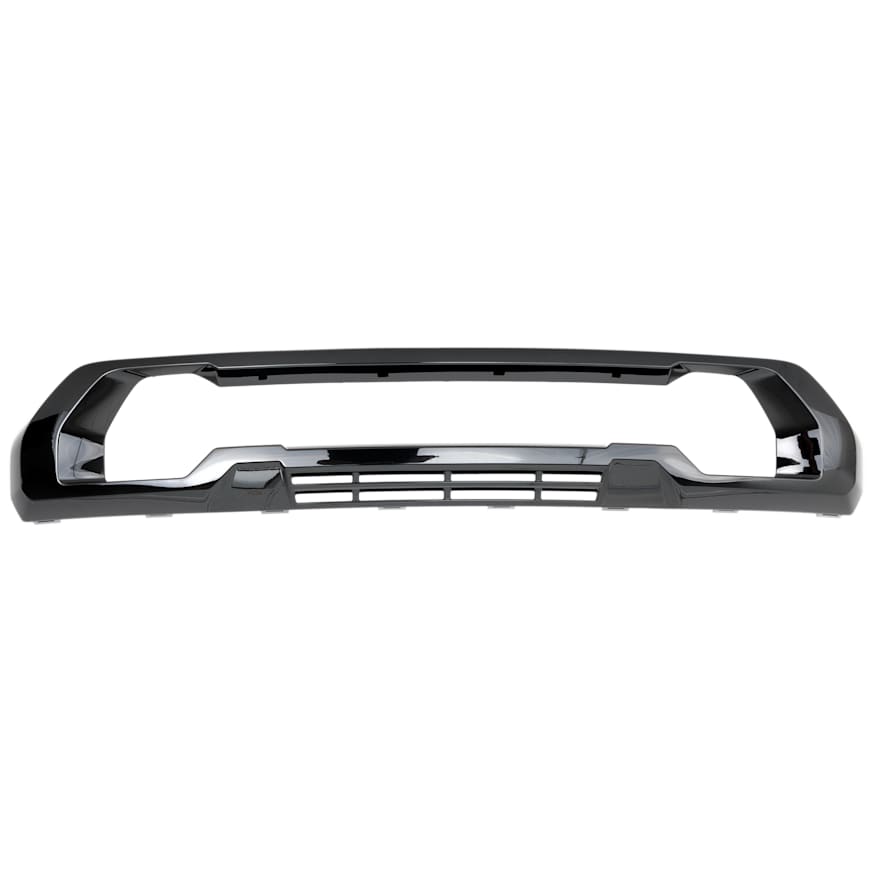
A skid plate is an abrasion-resistant shield mounted to the underside of your vehicle to protect critical components when they make contact with the ground. If you’ve ever scraped your car’s belly over a curb cut, a rutted trail, or a surprise pothole, you already have a clear sense of [RED]what a skid plate is for[/RED]: it absorbs that hit so your oil pan, transmission, and fuel tank don’t have to.
Typically, OEM skid plates are more common in four-wheel-drive vehicles. Two-wheel-drive pickups and cars typically won’t have one.
Key Takeaways
- A skid plate bolts to your vehicle’s front undercarriage and deflects impacts from rocks and rough terrain before they can reach critical components.
- Steel, aluminum, and composite plastic are the three main material options, each with different trade-offs in weight, durability, and cost.
- Off-road drivers and truck owners benefit most, but urban drivers with low-clearance vehicles can also consider buying a skid plate.
- Many factory skid plates are lightweight plastic splash guards; aftermarket steel or aluminum plates offer considerably more protection.
- A good-quality front skid plate typically runs around $250; full belly coverage can reach $2,000 or more, but either investment is far cheaper than replacing a damaged transfer case, oil pan, or fuel tank.
What Does a Skid Plate Protect?
A skid plate doesn’t cover the entire undercarriage, but it targets the components that matter most. Depending on which plates you install, you can shield the oil sump, transmission, transfer case, differentials, and exhaust. Off-road vehicles in particular benefit from fuel tank plates, since a punctured tank is both an expensive repair and a serious safety concern.
Most aftermarket kits are modular, letting you stack plates to cover multiple zones and build protection around your actual driving habits. Some designs include access doors or openings so that you can perform routine oil changes and fluid checks without removing the plate entirely.
What Is a Skid Plate on a Car Made Of?
Material choice is the most important decision you’ll make when selecting a skid plate. It directly affects protection level, weight, cost, and how your plate holds up over time.
Steel
Steel is the most durable option. It handles severe impacts without deforming, resists punctures from sharp rocks, and costs less than aluminum. The trade-off is weight: steel skid plates generally weigh twice as much as equivalent aluminum plates, which in turn weigh roughly twice as much as plastic. This added weight puts more load on your vehicle’s suspension and can nudge fuel economy slightly downward. Steel plates in wet or salty climates also need attention since they’ll rust if the protective coating wears off and you don’t treat them.
Aluminum
Aluminum is the most popular choice for performance-focused builds. It’s lighter than steel, naturally corrosion-resistant, and still capable of handling serious trail abuse. Aircraft-grade aluminum is the premium tier, offering strength comparable to steel at a fraction of the mass. It costs more, both as a raw material and to fabricate, but it’s the go-to for drivers who want maximum protection without adding unnecessary weight.
Composite and Plastic
Composite and plastic plates are the lightest and least expensive option. They’re a practical upgrade over no protection at all, and they work well for light-duty use: mild trails, sport driving, or adding a layer of defense to a street car. They don’t hold up to repeated hard impacts the way metal does, so they’re better suited to pavement-adjacent driving than serious off-road use.
Fake Skid Plates
Some vehicles come with cosmetic skid plates that look the part but offer no real protection. These are decorative panels added to give your truck or SUV an off-road appearance. Before assuming your vehicle is protected underneath, take a look or check your owner’s manual to confirm what you actually have.
Do You Need a Skid Plate?
Your driving environment is the clearest deciding factor. Skid plates are essential for off-road enthusiasts and people who work at demolition or construction sites, where the undercarriage can take hits from broken concrete, rocks, lumber scraps, and fallen logs. They’re also a smart investment if you live in an area with rough, poorly maintained roads or frequently encounter gravel, potholes, and uneven pavement.
Even urban drivers aren’t entirely off the hook. Low-clearance vehicles bottom out on steep driveway grades and parking lot ramps. Splash guards, the lighter cousins to true skid plates, offer some defense against road salt and small debris on paved streets, but they aren’t rated for impact the way a steel or aluminum plate is.
If your routes are well-maintained and you rarely encounter anything rougher than a speed bump, a skid plate is nice to have but not urgent. If any of the following describes you, it’s worth taking seriously:
- You take your truck or SUV off-road, even occasionally
- You drive in regions with heavy winters, road salt, or construction debris
- Your vehicle sits low to the ground
- You live in an area prone to severe weather, where road conditions can deteriorate quickly
A quality skid plate runs from around $150 to $1,000 or more depending on material, coverage, and your vehicle. Replacing a cracked oil pan, a damaged transfer case, or a punctured fuel tank can cost several times that, and that’s before towing fees and downtime factor in. There’s also a resale angle: buyers often view metal underbody protection as evidence that the vehicle’s critical components haven’t taken a beating, which can support a stronger resale value.
Skid Plate Maintenance
A skid plate isn’t set-and-forget hardware. After any significant off-road run or hard impact, inspect it for deep dents that reduce ground clearance, cracks, corrosion around the mounting points, and loose or missing bolts. A plate that has shifted out of position won’t protect the components it’s supposed to cover and could interfere with other parts of the drivetrain.
Keep it clean by removing accumulated mud, salt, and debris. Apply an anti-corrosion coating to steel plates if you drive in wet or salty conditions. Minor dents on steel or aluminum plates can sometimes be straightened, but if a plate is cracked through or severely bent, replacing it promptly is the right call. A damaged plate is better than no plate, but it isn’t a substitute for one that’s intact and properly secured.
FAQ
No. A splash guard or lower engine cover is a lightweight plastic panel that protects against water, salt, and small road debris on paved surfaces. A true skid plate is a heavier, impact-rated shield, typically steel or aluminum, designed to absorb hits from rocks, logs, and rough terrain. They look similar but serve different purposes.
Many bolt-on skid plates are designed for DIY installation with basic hand tools, a floor jack, and jack stands. More complex kits, or those requiring frame modifications, are better handled by a shop.
It adds a small amount of material below the frame, so yes, marginally. Check the plate’s dimensions against your vehicle’s clearance before buying, particularly if you run in tight terrain where every inch matters.
A heavy steel plate can add noticeable weight, which may slightly affect fuel economy. Aluminum and composite plates have a much smaller impact. For most drivers who need the protection, the trade-off is worth it.
No. A skid plate protects exposed components underneath the vehicle, but it isn’t designed to prevent frame damage from a significant impact. Think of it as armor for the parts that hang low, not structural reinforcement for the chassis.
Check under your vehicle or consult your owner’s manual. Many trucks and SUVs come with factory underbody panels, but confirm whether they’re true impact-rated plates or lighter plastic guards. If you’re unsure, a quick look with a flashlight will usually tell you what you’re working with.
Whether you’re outfitting a trail rig or just want peace of mind on rough roads, CarParts.com carries skid plates for a wide range of vehicles in steel, aluminum, and composite. Browse by your vehicle’s year, make, and model to find compatible options and the right level of coverage for how you drive. Our team is here to help you find the best fit for your setup.
Keep Reading: Related Posts





Any information provided on this Website is for informational purposes only and is not intended to replace consultation with a professional mechanic. The accuracy and timeliness of the information may change from the time of publication.