An active grille shutter is a motorized set of vanes mounted behind the front grille, in front of the radiator, that opens and closes to control how much air enters the engine compartment. It stays closed when the engine doesn’t need extra cooling, which cuts aerodynamic drag and helps the engine warm up faster. It opens when coolant temperature or A/C demand calls for more airflow. You’ll also see it called an AGS or a radiator shutter.
Key Takeaways
- The shutter sits behind the grille and controls airflow to the radiator and engine bay.
- Closed vanes reduce drag and speed up warm-up, while open vanes deliver full cooling airflow.
- A failing shutter usually triggers a warning message or check engine light, often with code P059F.
- Replacement usually means swapping the full assembly, which can require grille or bumper cover removal.
How an Active Grille Shutter Works
The shutter works like an adjustable door for cooling air. Manufacturers size front air inlets for worst-case conditions, such as towing in hot weather or running the A/C at full blast. In everyday driving, this extra air creates turbulence under the hood and adds drag.
Meanwhile, an actuator with integrated electronics moves the vanes. The vehicle’s control system commands it based on conditions such as coolant temperature, A/C demand, and vehicle speed.
When the Shutters Close
The vanes close when the engine doesn’t need extra cooling, which is typical during steady cruising and cold starts. Air then flows around the vehicle instead of through the engine bay, lowering the drag coefficient. Closed shutters also hold heat in, so the engine reaches operating temperature sooner and stays warm longer after shutoff.
When the Shutters Open
The vanes open when coolant temperature climbs or the A/C system needs more airflow across the condenser. Think hot days, heavy loads, towing, or slow traffic. Once temperatures drop back into range, the system closes the vanes again.
Main Components of an Active Grille Shutter Assembly
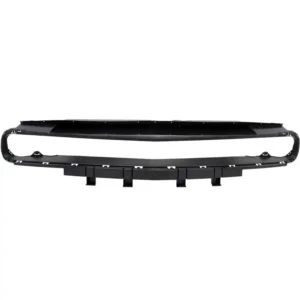
An active grille shutter assembly combines several parts into one module:
- Frame: A lightweight plastic housing that mounts to the front-end module or radiator support.
- Vanes: Pivoting louvers, also called flaps, that open and close together.
- Actuator: A small electric motor with integrated electronics that drives the vanes and reports their position.
- Wiring and seals: The harness connects the actuator to the vehicle’s control network, while seals and air guides keep air flowing through the radiator.
Some vehicles use two assemblies, one in the upper grille and one in the lower bumper opening. Manufacturers often sell the actuator only as part of the full assembly, though some models offer it separately.

Why Automakers Use Active Grille Shutters
Automakers use active grille shutters because they improve efficiency without giving up cooling capacity. The main benefits include the following:
- Lower drag: Closed vanes smooth out the front of the vehicle, which helps highway fuel economy.
- Faster warm-up: The engine heats up sooner in cold weather, which can mean quicker cabin heat and windshield defrosting.
- Lower emissions: Less drag and a shorter warm-up reduce fuel use and CO2 output.
- Extended EV range: Electric vehicles use the same principle to stretch battery range.
Signs of a Failing Active Grille Shutter
A failing shutter usually announces itself with a dashboard warning. The actuator reports vane position to the engine computer, which flags a fault when the vanes don’t move as commanded. Watch out for these signs:
- Warning light or message: A check engine light or a shutter-specific message on the instrument cluster.
- Higher engine temperatures: Vanes stuck closed can push coolant temperature up in hot weather or under load.
- Slow warm-up: Vanes stuck open let cold air in, so the heater takes longer to blow warm air.
- Visible damage: Cracked, missing, or misaligned vanes behind the grille.
Common causes include road debris, ice buildup, minor front-end impacts, corroded connectors, and worn actuator motors.
Common Trouble Codes
Scan tools often show P059F, which points to a shutter performance problem or stuck vanes. Other codes vary by manufacturer, including P05A2 for circuit faults and U11E9 for lost communication. A communication code can point to wiring rather than the shutter itself, so check the connector and harness before you buy parts.
If your temperature gauge climbs above normal, pull over safely and let the engine cool. Have the cooling system and shutter inspected before you rely on the vehicle again.
Replacing an Active Grille Shutter
Most repairs involve replacing the entire assembly, since the vanes, frame, and actuator often come as one unit. Some trucks only need the grille removed, while many cars and crossovers require removing the front bumper cover. Experienced DIYers can often handle the job with basic hand tools and trim removal tools.
Fitment Details To Confirm
Match the replacement to your vehicle’s exact year, make, model, engine, and trim. Also confirm the position (upper or lower), the connector style, and whether your vehicle has a front radar sensor, since driver-assistance equipment can change the shutter design for some models.
After installation, some vehicles might need a scan tool to clear stored codes or run a shutter relearn. Procedures vary by manufacturer, so check the service information for your vehicle.
Active Grille Shutter Replacement Cost
The total depends on the part price, which varies widely by vehicle, plus labor. These factors determine the final number:
- Part type: New aftermarket, new OEM, and used assemblies sit at very different price points.
- Scope: A full assembly costs more than an actuator alone.
- Labor time: Labor jumps when the bumper cover has to come off.
Shop labor estimates for many common models run roughly $200 to $600, based on about two to four hours of work. But this is a general estimate, since local rates vary. When the fault is a damaged connector or wiring, active grille shutter repair cost often drops below the price of a new assembly. If you’re confident in your automotive repair skills, doing the job yourself removes the labor cost.
FAQs
Usually, yes, for short trips as long as the temperature gauge stays normal. Vanes stuck open mostly cost a bit of fuel economy. Vanes stuck closed are the bigger concern because they can raise engine temperatures, so get the repair done soon.
No. The grille is the visible trim panel at the front of the vehicle. The shutter sits behind it and handles airflow control, though some designs combine the two.
Yes. Ice and packed snow can freeze the vanes and trigger a warning. This can clear once the vanes thaw. If it keeps returning, look for vane damage or an actuator fault.
It’s not recommended. The control system expects the shutter to respond, so removing it typically sets a fault code and keeps the check engine light on.
Many replacements work as plug-and-play parts. However, some vehicles need a scan tool to clear codes or calibrate the new unit.
Keep Your Cooling System Working as Designed
A healthy active grille shutter keeps the engine at the right temperature while trimming drag every time you drive. If yours is throwing codes or stuck in one position, a replacement assembly matched to your vehicle can restore normal operation. Shop CarParts.com for active grille shutters by year, make, and model, and get your vehicle’s front end working the way it should.
Keep Reading: Related Posts





Any information provided on this Website is for informational purposes only and is not intended to replace consultation with a professional mechanic. The accuracy and timeliness of the information may change from the time of publication.