Your car’s fuel delivery system relies on various parts working together to deliver enough gasoline to the engine upon demand. One of these parts is the fuel rail pressure sensor. It helps the powertrain control module (PCM) control the fuel supply to the engine.
But what happens if the fuel rail pressure sensor goes bad? How can you recognize it’s time to replace the worn-out or damaged part? And can you keep driving your car with a faulty sensor, even if it’s only up to your garage or the auto repair shop?
What Is a Fuel Rail Pressure Sensor and What Does it Do?
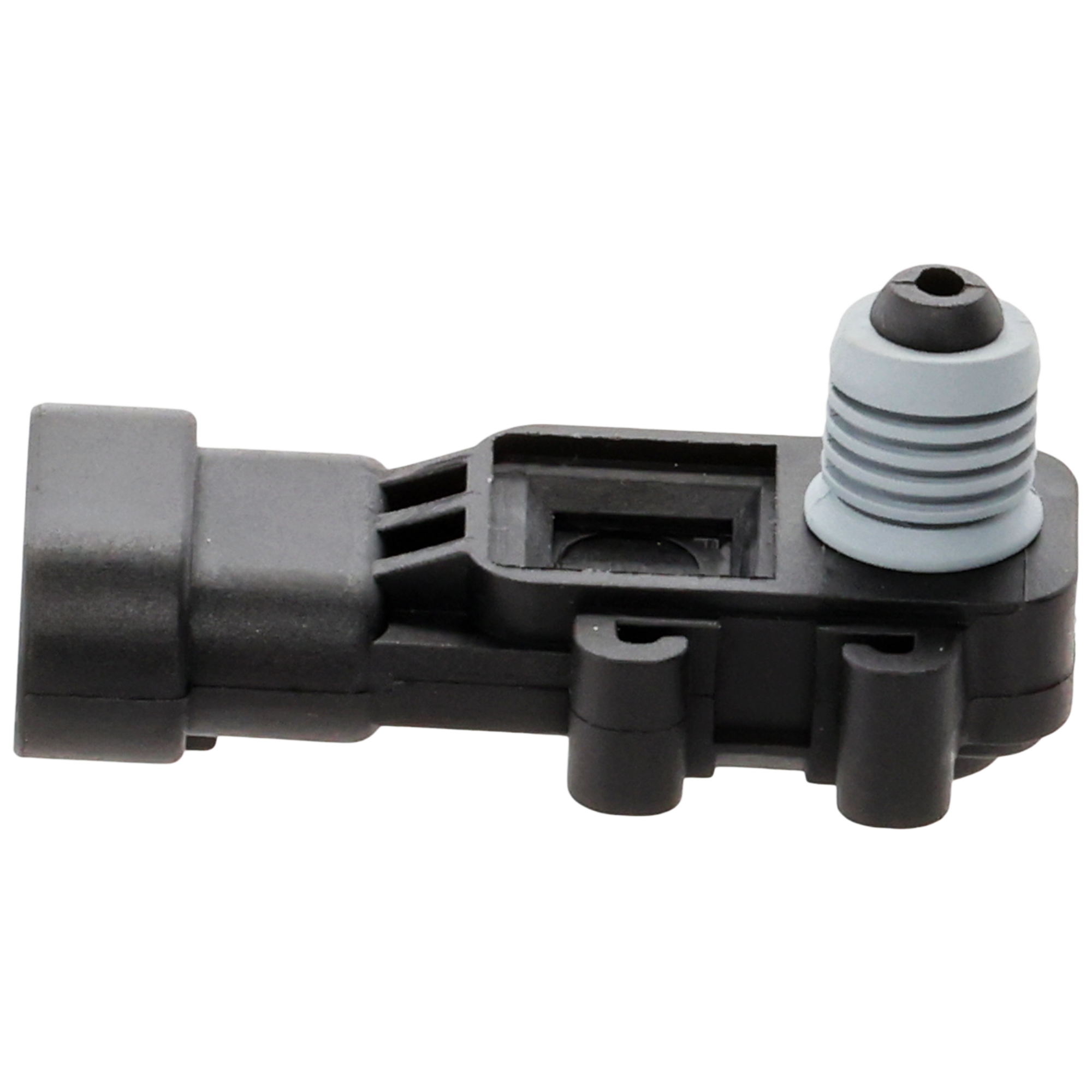
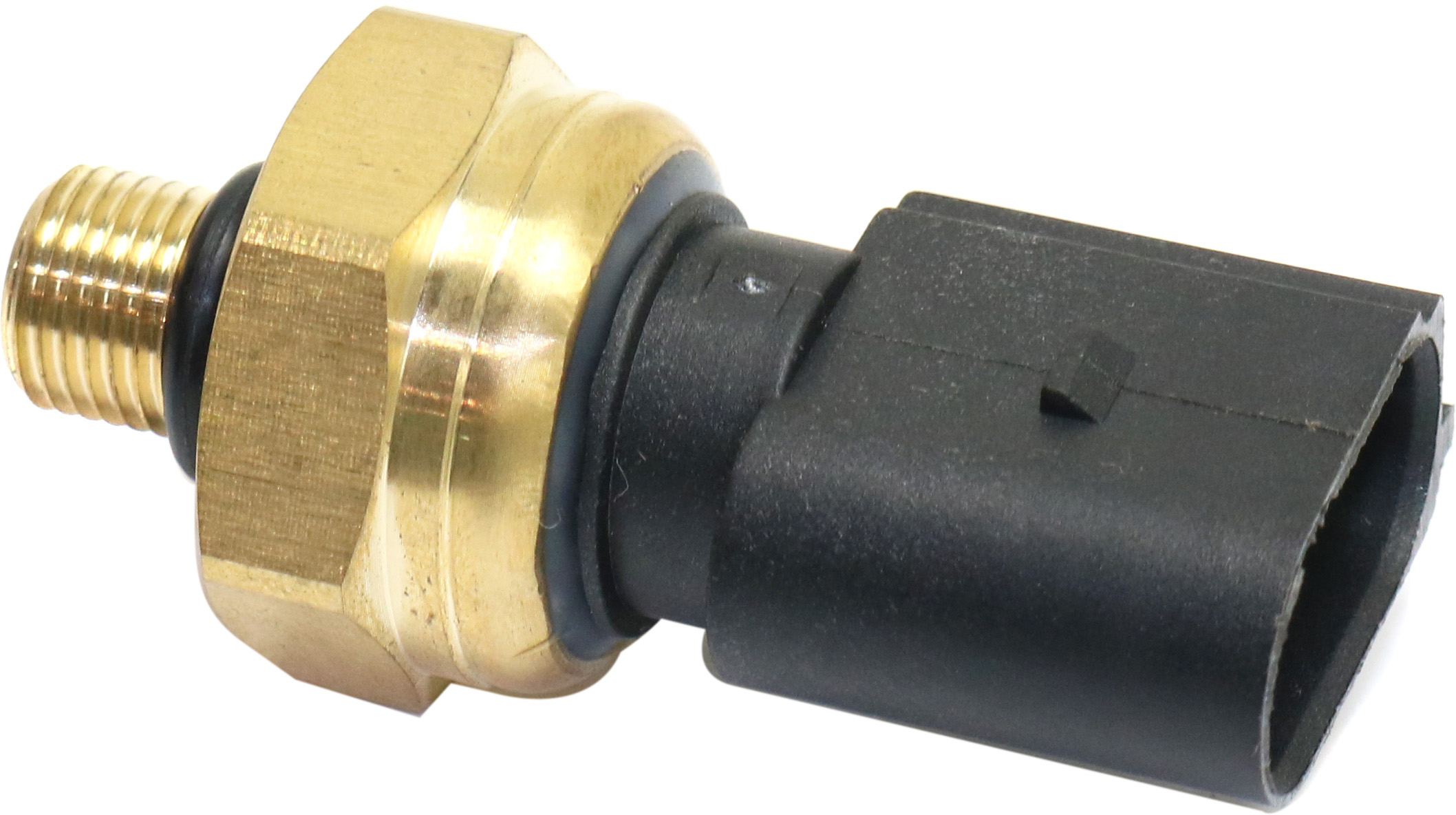
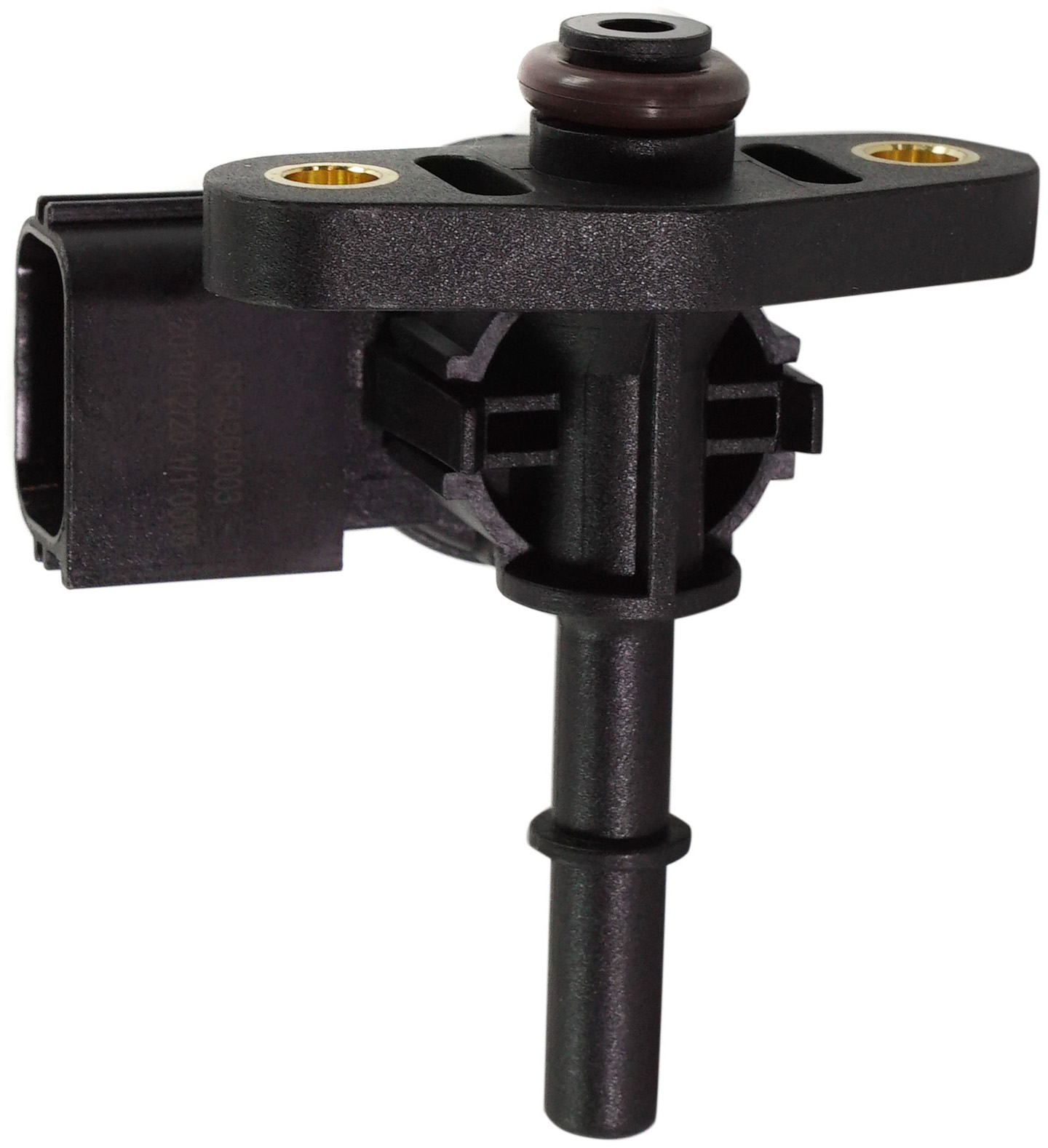
The fuel rail pressure sensor is an electronic device that monitors the pressure inside the fuel rail, the metal tube that connects the fuel delivery system to the engine. Some refer to this part as the fuel pressure sensor or high-pressure sensor.
Consisting of a semiconductor and electric circuit, the fuel rail pressure sensor measures the force applied by fuel passing through it. The fuel pressure causes alterations in the semiconductor’s resistance, which the sensor’s integrated circuit converts into a digital signal for the PCM.

Faulty Fuel Rail Pressure Sensor Symptoms
Most fuel rail sensors last as long as the vehicle they come with. However, they can still fail earlier than expected. A faulty sensor usually displays at least one warning sign that it no longer works properly.
Bad fuel rail pressure sensor symptoms include the following:
Check Engine Light Turns On
The check engine light comes to life if the ECM algorithms detect any sensor input that is known to be out-of-range. A bad fuel pressure sensor will disrupt the fuel supply, which prevents the engine from getting the gasoline it needs. This can lead to hard starts, no starts, loss of power, etc.
The PCM regularly tests the fuel pressure sensor for issues by using the rationality test method. Since the ECM is always adjusting the fuel pressure using the fuel volume control valve, it knows the pressure should follow FCV valve commands.

Engine Start Problems
When you start your car, the PCM orders the fuel delivery system to surge a batch of fuel to the engine. Common rail systems like electronic diesels and GDI systems will have a low-pressure fuel pump that feeds approximately 80 psi to the high-pressure pump inlet. The high pressure pump is driven by the camshaft and will have one or more plungers pumping fuel. Meanwhile, the FVC, under ECM command, determines how much fuel pressure will be in the rail for the injectors.
Common rail systems like electronic diesels and GDI systems will have a low pressure fuel pump that feeds approximately 80 psi to the high pressure pump inlet. The high pressure pump is driven by the camshaft and will have one or more plungers pumping fuel. Meanwhile, the FVC, under ECM command, determines how much fuel pressure will be in the rail for the injectors.
–Richard McCuistian, ASE Certified Master Automobile Technician
Poor Engine Performance
Is your car’s engine producing less power than it should? Its reduced performance might indicate a problem with the fuel rail pressure sensor.
The fuel rail pressure sensor is the feedback input that the ECM uses to determine how much pressure is in the rail. High engine load requires more fuel volume and pressure. The ECM must very accurately deliver the right amount of pressure if the engine is to perform the way it should.
When the engine doesn’t receive enough fuel, it will run lean. Burning a lean mixture will wear out the engine faster and elevate NOx emissions because a lean mixture burns hotter than a richer mixture.
Bad Fuel Economy
Conversely, the fuel rail pressure sensor can fail in such a way that the engine gets more fuel than it needs. With excess fuel, the engine runs rich, resulting in lower fuel economy.
Engine Misfires and Runs Rough
Problems will arise when an erratic fuel rail pressure sensor provides the wrong information to the PCM. Whether too much or too little fuel gets added to the mixture, nothing good comes out of the incorrect air-fuel mixture.
If the engine runs rich, it can experience knocking or run rough. Both issues can damage the engine’s parts.
Running lean might cause the engine to die but will typically cause a very low power concern, because even if the FRP sensor and/or the high-pressure pump aren’t working, the engine will still run on the lower fuel pressure provided by the in-tank pump. There isn’t enough fuel in a lean mixture to sustain the engine.
What Are Low Pressure Fuel Pump Symptoms?
Low pressure fuel pump symptoms include hard starting, sputtering under load, stalling, a whine from the fuel tank, and poor fuel economy. The low pressure fuel pump, also called the lift pump, sits in the tank and feeds fuel toward the engine. On common rail diesels and GDI engines, it feeds the high pressure pump that the fuel rail pressure sensor then monitors.
These signs matter here because the sensor and the low-pressure pump sit in the same fuel delivery chain. When the pump can’t supply steady flow, the pressure the sensor reports drops too. That overlap is why the two problems get confused, and why checking pressure matters before you replace anything.
Hard Starting or No Start
A weak low-pressure pump often shows up first as hard starting. The engine may crank longer than usual or need several tries to catch. If the pump quits entirely, the engine cranks but never fires, since no fuel reaches the injectors.
Sputtering or Hesitation Under Load
Sputtering happens when the pump can’t keep up as the engine demands more fuel. You may feel it hesitate during acceleration, uphill climbs, or towing. The car can feel like it’s losing power for a second before it recovers.
Stalling, Especially When Hot
Stalling points to fuel not reaching the engine consistently. A weak pump can also fail temporarily after long drives or in hot weather. Letting it cool may help it start again, but the problem tends to return.
Whining Noise From the Fuel Tank
A healthy low pressure pump makes a soft hum, but a worn one can whine loudly. The sound comes from the tank area and often gets louder as the pump strains or runs dry. A new whine that wasn’t there before is worth checking.
Poor Fuel Economy or a Check Engine Light
A failing pump can throw off fuel pressure, which can hurt fuel economy. Modern vehicles may also set a check engine light when fuel delivery drifts out of range. Paired with the signs above, that light is a strong hint to test the system.
Low Pressure Fuel Pump or Fuel Rail Pressure Sensor?
Low pressure fuel pump symptoms and bad sensor symptoms overlap, so it helps to know which part is failing. A bad sensor sends the wrong pressure reading to the computer, even when fuel flow is fine. A weak low pressure pump actually delivers less fuel, so the pressure really does drop.
[NEW INFORMATION: The clearest way to tell them apart is a fuel pressure test at the rail. If measured pressure is low, suspect the pump or a restriction. If measured pressure is normal but the sensor reports a fault, suspect the sensor.]
A step-by-step guide to using a fuel pressure tester walks through the readings to expect. Scanning for codes helps too, since sensor faults often store a specific trouble code. Ruling out a clogged fuel filter first is smart, because a restriction can mimic both problems.
Where Is the Fuel Rail Pressure Sensor Located?
You can usually find the fuel rail pressure sensor mounted on the fuel rail, which is the metal pipe that delivers fuel to the injectors.

Can You Drive With a Faulty Fuel Rail Pressure Sensor?
Assuming you can get the engine to start and keep it from dying, it’s possible to continue driving your vehicle despite the fuel rail pressure sensor’s failure. However, running lean or rich will cause more serious engine problems in the future, so you should only do this in an emergency for a short time. You must replace the worn-out or failed sensor at the earliest possible time.
How Much Does a Replacement Fuel Rail Sensor Cost?
You can expect to shell out anywhere between $60 and $210 for a replacement fuel rail pressure sensor. The exact cost of the new part can vary according to factors like your vehicle’s details and the product’s brand.
Low Pressure Fuel Pump and Sensor FAQs
Low pressure fuel pump symptoms include hard starting, sputtering under load, stalling, a whine from the tank, and worse fuel economy. These signs show up because the pump can’t deliver steady fuel. A no-start can follow once the pump fails completely.
A bad low-pressure fuel pump can cause low fuel rail pressure because it feeds the high-pressure pump. If the lift pump can’t supply enough fuel, the rail pressure the sensor reads drops too. That’s why a pressure test helps confirm the real cause.
You tell them apart with a fuel pressure test at the rail. Low measured pressure points to the pump or a restriction, while normal pressure with a stored fault points to the sensor. A quick fuel filter check first rules out an easy fix.
Driving with a bad low-pressure fuel pump isn’t safe for any real distance. A weak pump can lose pressure without warning and stall the car in traffic. Plan to test and replace it soon rather than risk getting stranded.
A failing low-pressure fuel pump can trigger a check engine light when fuel delivery drifts out of range. Sensors flag the problem, and the computer stores a code. Paired with sputtering or stalling, that light is a strong hint to test the fuel system.
Where to Get a Fuel Rail Pressure Sensor for Your Vehicle
A faulty fuel rail sensor can cause decreased engine performance. You might also have difficulty starting your vehicle, so don’t put off replacing it. Luckily, it’s easy to get a fuel rail pressure sensor replacement here at CarParts.com.
You don’t have to search brick-and-mortar auto parts shops for a new fuel rail pressure sensor. With CarParts.com, you can find what you need in just a few clicks. Use our vehicle selector to view the parts that are compatible with your ride. You can also filter our products according to your preferred brand or price range.
We have strategically located warehouses across the country. So if you order today, you can get your new sensor in as fast as two business days. If you have questions or need help with anything, you can reach us via our toll-free hotline. Our team is ready to assist you 24/7.
Make more memories with your vehicle, and have your bad fuel rail pressure sensor replaced as soon as you can. Check out our selection now.
Shop this Project
-
Replacement – Fuel Pressure Sensor – Direct Fit, Sold individually

$15.99
Price and rating may change from the time content is published.
-
Replacement – Fuel Pressure Sensor – Direct Fit, Sold individually
$26.99
Price and rating may change from the time content is published.
-
Replacement – Fuel Pressure Sensor – Direct Fit, Sold individually

$28.99
Price and rating may change from the time content is published.
Keep Reading: Related Posts




Any information provided on this Website is for informational purposes only and is not intended to replace consultation with a professional mechanic. The accuracy and timeliness of the information may change from the time of publication.