Presidents’ Day weekend tends to mix three things that don’t play nicely together: crowded highways, quick temperature swings, and weather that can go from fine to a gray blur on your windshield in minutes. A short check before you head out can save you from a dead battery in a hotel parking lot or the awful realization that your tires are basically smooth the first time you hit wet pavement at speed.
You don’t need a shop lift or a toolbox that weighs more than your suitcase. You just need ten minutes, a quick walkaround, and the willingness to take small problems seriously before they become roadside stories you tell later.
Most breakdowns are not dramatic mechanical betrayals. They are slow, boring wear. Tires gradually lose bite. Battery output fades as the seasons pass. Brake fluid ages and collects moisture. Wiper blades get stiff and start smearing instead of wiping. None of that feels urgent on a random Tuesday commute until you are stuck in holiday traffic, braking more often, running the heater and defroster nonstop, and dealing with rain or fog after dark.
Here is a quick, practical checklist that covers the stuff most likely to ruin a trip.
Check Your Tires and Wheels
Tires are where a tiny issue can become a big problem fast. They decide how quickly you can stop, how stable the car feels at highway speed, and how likely you are to hydroplane when the road gets shiny. They can look fine at a glance, so take an extra minute to actually look.
Tire Pressure
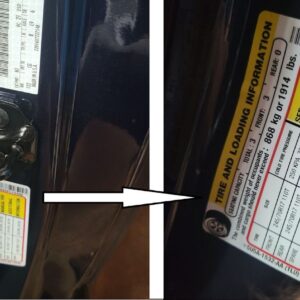
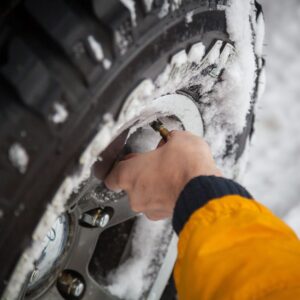
Check pressure when the tires are cold. Driving warms them up and can make a low tire look okay when it is not. Your target pressure is on the sticker in the driver’s door jamb, not the number molded into the tire sidewall. The sidewall number is the tire’s maximum, not what your car should run day to day.
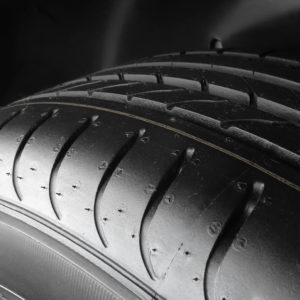
While you are there, scan the tread face for weird patterns. If one edge is bald and the other looks decent, something is off, often alignment, suspension wear, or just living too long on underinflated tires. Any of those can make the car feel vague or floaty, especially during quick lane changes in heavy traffic.
Tread Depth
Tread depth matters most in wet conditions, and February does not exactly promise dry roads. The legal minimum is 2/32, and your tires have wear bars that tell you when you have hit that point.
But legal and comfortable in a rainstorm are not the same thing. Wet traction drops sooner than people expect. If rain is even a possibility, swapping tires around 4/32 is a smart line in the sand because braking and water evacuation get noticeably worse below that.
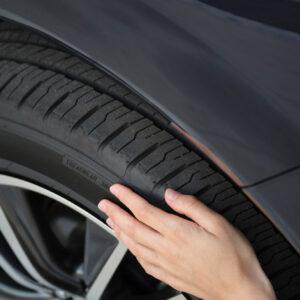
Also check for visible damage: cracks, bulges, or punctures near the sidewall. Sidewalls do not forgive. If you find anything suspicious, do not shrug it off and hope for the best. And do not forget the spare. If it is flat, it is basically luggage.

Inspect Your Battery and Charging System
A battery can act normal all week and then fail the moment it gets cold and sits overnight. Cold temperatures reduce battery output, and winter driving piles on electrical load: heater, defroster, lights, wipers, phone chargers, and whatever else is plugged in.
Start Test
Start the car and listen. A slow crank, a strained uhhh maybe, or dash lights that dip hard during cranking can point to a weak battery, sketchy connections, or charging issues. If it starts but feels like it barely got there, that is a warning, not a personality quirk.
Holiday driving often means multiple stops and restarts: gas stations, food runs, pickups, drop-offs. A borderline battery gets tested over and over, and that is not the weekend you want to gamble.
Battery Terminals
Pop the hood and look at the terminals. If you see white or green crust, that is corrosion, and it messes with current flow. A perfectly decent battery can feel dead when the connection is dirty or loose. Give the clamps a gentle wiggle. If they move, they are too loose.
If you end up needing a replacement, you will want the right group size and enough cold cranking amps for your vehicle.
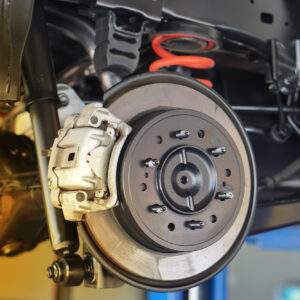
Test Your Brakes and Brake Fluid
You can’t fully diagnose brakes in the driveway the way a shop can, but you can catch issues before you’re stuck in stop-and-go traffic.
Brake Performance
Find a quiet street or empty lot and do a couple of gentle brake tests. Look for the following:
- Pulling to one side
- Vibration in the pedal or steering wheel
- Squealing, grinding, or scraping sounds
- A soft pedal, or a pedal that slowly sinks
Those signs often point to uneven pad wear, warped rotors, air in the lines, or fluid trouble. They also get worse in the exact conditions you will see on a holiday weekend: frequent braking, sudden slowdowns, and long stretches of creeping traffic.
If your brake pedal feels different than normal, trust that feeling. Brake feel does not change for no reason.
Brake Fluid
Brake fluid is easy to forget because you do not use it up like washer fluid, but it still ages. It can absorb moisture over time, and that can change the boiling point and pedal feel, especially if the brakes get hot after repeated use.
Check the reservoir level and take a look at the color. If it is very dark or the level keeps dropping, that is a signal to have the pads, calipers, and hoses checked sooner rather than later.
Check Visibility and Lighting
Long weekend trips often start before sunrise and end after dark. Add fog, rain, or road spray, and visibility stops being a comfort thing and becomes a safety thing.
Wiper Blades
Wipers don’t usually fail all at once. They get worse slowly until you hit a storm and realize you’re basically looking through smeared wax. If your wipers chatter, skip, streak, or leave that hazy film, they’re done.
Spray washer fluid and watch the pattern. If you’re getting dry patches, jumping, or uneven wiping, you might be dealing with hardened rubber, a bent arm, or a windshield that needs a serious cleaning. Either way, do not ignore it. Night rain plus bad wipers is a stressful combo.
Headlights and Signal Lights
Lights are not just about seeing. They are about being seen and understood. Walk around the car and check:
- Headlights on both sides
- Brake lights
- Turn signals
- Reverse lights
- Hazard lights
One dead bulb can make lane changes and merges more dangerous, especially in heavy traffic. Also, check the headlight lenses. If they are foggy or yellow, you are losing brightness even with fresh bulbs. You will notice it most on dark highways and in the rain.
Get the Parts You Need Before You Hit the Road
If you notice something off during this check, you have a simple choice: handle it now or roll the dice for the weekend. Fixing it before the car is packed usually wins.
CarParts.com makes it simple to find quality replacements that fit your vehicle and install without hassle. Shop now to enjoy competitive prices on reliable parts, fast shipping, and explore a solid selection of trusted brands.
Keep Reading: Related Posts


Any information provided on this Website is for informational purposes only and is not intended to replace consultation with a professional mechanic. The accuracy and timeliness of the information may change from the time of publication.