Ordering a bumper step pad sounds simple until the package arrives and the bolt holes land in the wrong places, the sensor cutouts are missing, or the finish does not match the truck. Step pads look close enough to each other in thumbnails, and that resemblance is exactly what leads to reorders. The right order starts with a clear question: what needs to be in the cart for this specific bumper, on this specific truck, to finish the job in one trip.
Bumper step pads are small, visible, high-touch parts. That means cosmetic match, position match, and sensor or tow-package compatibility all matter at the same time. Treat the purchase like an assembly decision, not a single line item.
The Job in One Sentence
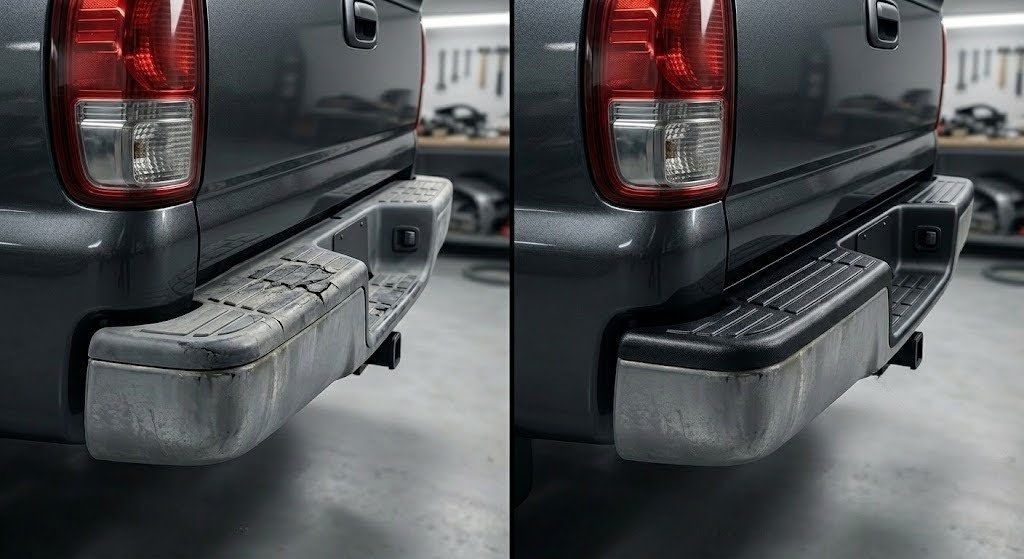
Replace a worn, cracked, or missing step pad so the rear (or front, depending on application) bumper offers a safe, non-slip surface and looks correct on the truck.
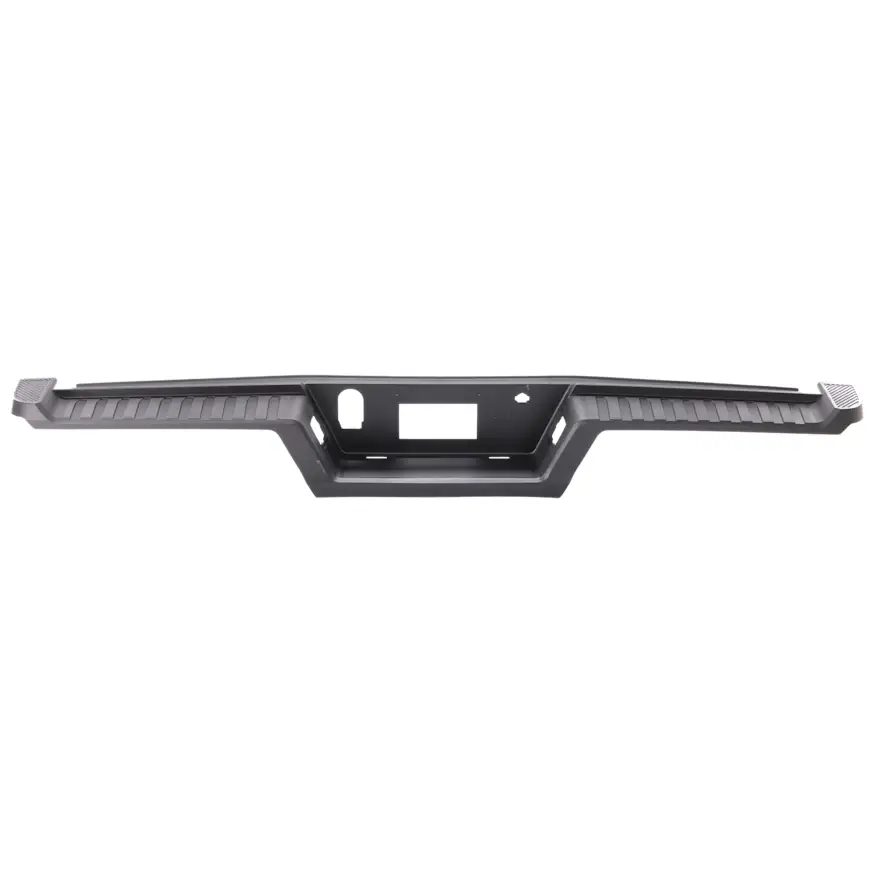
A step pad is the textured insert that caps the top of a step bumper. Its job is traction when someone steps up to reach the bed or tailgate. Because it sits on the visible top surface, the order has to satisfy function and appearance at once. Some trucks use one long center pad, others use a center plus left and right corner pads, and some use only driver and passenger side pieces. Confirming which layout the truck uses is the first real decision before anything goes in the cart.
Choose Your Cart Size
Most step pad jobs fall into one of three scopes. Pick the one that matches the condition of the bumper and the plan for the truck.
1. Minimum Viable Repair
The single failed piece is damaged and the rest of the bumper looks fine.
Choose it if:
- Only one pad is cracked, faded, or missing
- The surrounding bumper skin is straight and unrusted
- Factory hardware and clips are still present and usable
Typical cart:
- The specific pad that failed (center, left, right, or full-width)
- Replacement push-in clips or retainer hardware if the old ones are brittle
2. Smart Same-Access Refresh
The bumper is already coming off, or multiple pads show wear.
Choose it if:
- More than one pad is scratched, warped, or sun-faded
- The bumper is being removed for another repair such as hitch work or body damage
- Matching finish across all pads matters cosmetically
Typical cart:
- All step pads for that bumper (often a left, center, and right set)
- Fresh mounting clips and fasteners
- A pack of trim-safe cleaner for the bumper top before reassembly
3. High-Mileage or Do-It-Once Reset
The truck is older, the bumper has seen years of boot traffic, and the goal is to restore the rear end cleanly.
Choose it if:
- The truck is a daily work vehicle with frequent bed access
- The bumper itself shows dents or rust that justify replacement
- Parking sensors or a tow package add complexity that deserves a full refresh
Typical cart:
- Complete step pad set in the correct finish
- Replacement step bumper assembly if the bumper itself is compromised
- New sensor grommets or bezels if parking sensors mount through the pad
- License plate lamp seals or hitch cover if disturbed during access

What Is Commonly Ordered Together on This Job
Step pads rarely travel alone in a well-built cart. A few adjacent items keep the job clean.
Hardware and clips. Most pads use push-in retainers or plastic rivets that become brittle after a few years of heat and road spray. Plan on replacing them rather than reusing them.
Sensor provisions. Trucks with factory parking aid use step pads with molded sensor openings. If the current bumper has sensors, the replacement pad must have matching cutouts. Ordering a non-sensor pad for a sensor truck is one of the most common returns in this category.
Tow package compatibility. Step pads for towing-equipped trucks often have a different center cutout shape to clear a receiver or hitch finisher. Confirm the truck’s build before choosing a pad labeled for towing versus non-towing.
Paired left and right pieces. On bumpers that use three-piece pads, replacing one corner in fresh black next to two sun-faded corners looks worse than the original problem. If appearance matters, order the full set.
Finish and color. Step pads come in black, textured black, primed, chrome, and occasional body-color or tan options. Primed pads need paint before installation, which adds time and cost that should be planned into the order.
What People Forget Until the Truck Is Already Apart
A quick list of the items that tend to get missed:
- Whether the truck uses a one-piece, two-piece, or three-piece pad layout
- Whether the existing pad has sensor holes that must be matched exactly
- Whether the towing package changes the correct part number
- Whether the finish is textured, smooth, chrome, or primed
- Whether new push clips are needed, since old ones often snap on removal
- Whether the license plate lamp or wiring harness routes through the pad area
- Whether the bumper shell itself is straight enough to accept a new pad flat
When Replacing Only the Bumper Step Pad Is False Economy
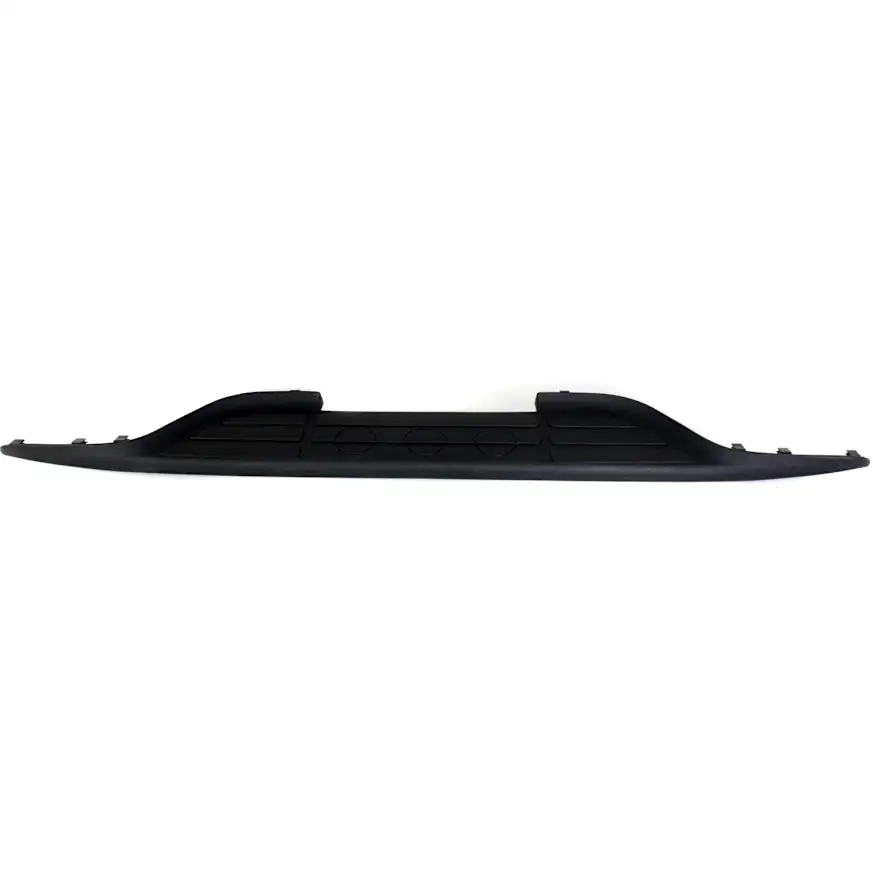
For a truck with one cracked pad and an otherwise clean bumper, ordering only the failed piece is the right call. No reason to spend more.
The calculation changes when the bumper is already off the vehicle, when multiple pads show wear, or when the step bumper itself is bent or rusted. Pulling the bumper twice for a job that could have been finished once wastes a Saturday. If parking sensors are involved, disturbing them for a single pad replacement, then disturbing them again later for the matching pads, risks connector damage each time. In those cases, the full set plus fresh hardware is the honest choice.
Replacing a rusted step bumper assembly while the pads are off also makes sense. Bolting new pads onto a tired bumper shell looks like lipstick on a problem that will return.
The Fitment Splits That Break Bumper Step Pad Orders
Step pads look generic on a listing page, but the splits are real.
Position. Center, left corner, right corner, driver side, passenger side, full-width, front, or rear. Pads are not interchangeable across positions.
Sensor provision. With parking aid or without. A pad without sensor cutouts will not work on a sensor-equipped truck, and a pad with cutouts leaves holes on a truck that never had them.
Tow package. Towing versus non-towing changes the center pad on many trucks.
Finish. Textured black, smooth black, primed for paint, chrome, or color-matched. Primed is not finished.
Assembly versus single pad. Some listings include multiple pieces as a set, others are a single position only. Read the listing title carefully.
Body style and bed length. On pickups, regular cab, extended cab, and crew cab can all share a bumper but sometimes split on trim-level step pads.
Production-year split. Mid-cycle refreshes often change the pad design while keeping the same truck generation. Year matters.
Delivery-Day Inspection Checklist
Before anything comes off the truck, compare the new pad to the old one on a bench.
- Overall length and width match the original
- Bolt holes and clip locations line up exactly
- Sensor cutouts present or absent as expected
- Tow notch or center opening matches the truck’s configuration
- Finish and color match the other pads on the truck
- Mounting clips or hardware included if the listing promised them
- No shipping cracks or warpage across the pad
- Correct left or right orientation for corner pieces
Your One-Job Order Sheet for a Bumper Step Pad
- Confirm the vehicle. Year, make, model, cab, bed, and trim.
- Confirm the repair scope. One pad, a set, or pad plus bumper shell.
- Confirm what the listing includes. Single piece versus set, hardware yes or no, finish type.
- Confirm the configuration. Sensors, tow package, and position.
- Add consumables. Fresh clips, trim cleaner, touch-up paint if primed.
- Bench-check before teardown. Hole pattern, finish, orientation.
- Match ownership logic. Quick fix, same-access refresh, or full reset.
The Smart Way to Shop Bumper Step Pads
The cheapest-looking pad on the page is not the right pad if it arrives without sensor holes, in the wrong finish, or for the wrong cab configuration. The correct order is the one that matches the truck’s build sheet and finishes the job in one removal.
Shop by position, finish, and factory options rather than by thumbnail. A pad that fits the bolt holes, matches the sensors, and sits flush with the bumper on the first try is always the better deal, even if it costs a little more than the nearest lookalike. Browse the full selection of aftermarket bumper step pads to find the right fit for your truck.
Keep Reading: Related Posts






Any information provided on this Website is for informational purposes only and is not intended to replace consultation with a professional mechanic. The accuracy and timeliness of the information may change from the time of publication.