A heater hose looks like the simplest part in the engine bay until the new one arrives with the wrong bend, a missing tee, or a quick-connect end where your old hose had a plain barb. By then, the coolant’s drained and the vehicle isn’t going anywhere until the right part shows up.
That’s why a heater hose order shouldn’t start with questions like “Which one is cheapest?” or “Which one looks close enough?” It should start with a better question: What exactly needs to go in the cart for this job?
Heater hoses cause more wrong-part orders than their price suggests. Depending on application, one vehicle can use a bulk hose on one run, a molded hose on another, and a multipiece assembly with tubes and quick-connect fittings on a third. Add rear heater packages and listings that might not include clamps, and it’s easy to check out with an incomplete cart.
The Job in One Sentence
The job is to restore a sealed, leak-free coolant path between the engine and the heater core so the cabin heats and the cooling system holds pressure.
Heater hoses carry hot coolant between the engine and the heater core. Because they’re part of the pressurized cooling system, a leak drains the same coolant that protects the engine. You need the right connection at both ends, clamps that seal, and enough of the correct coolant to refill what you drain.
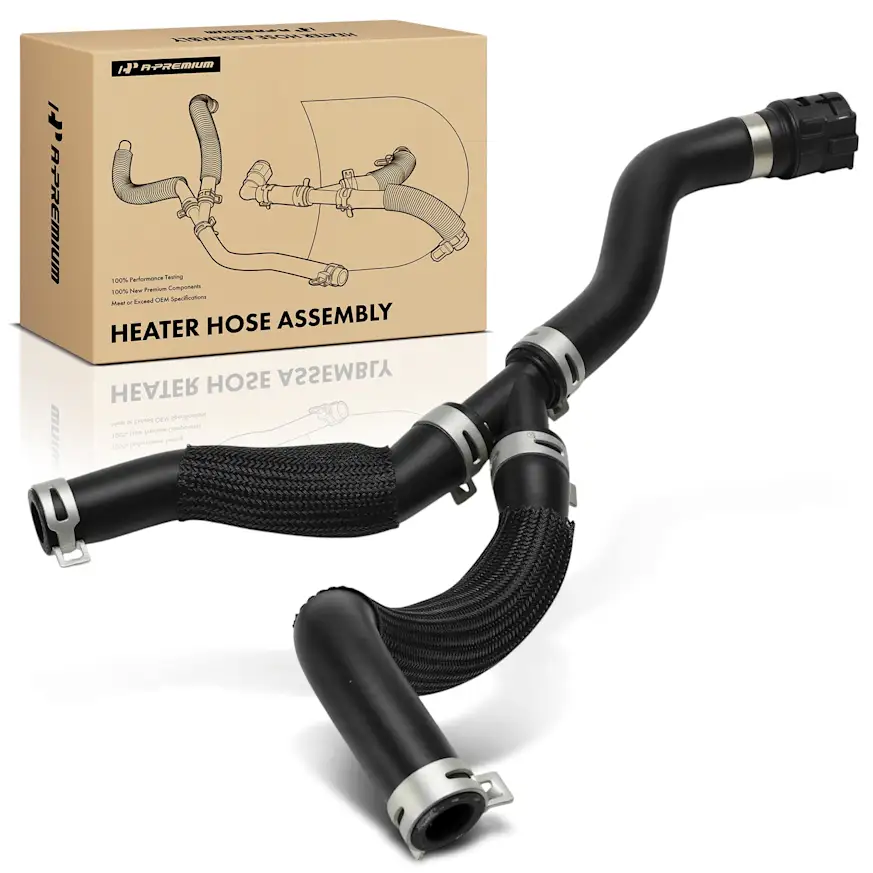
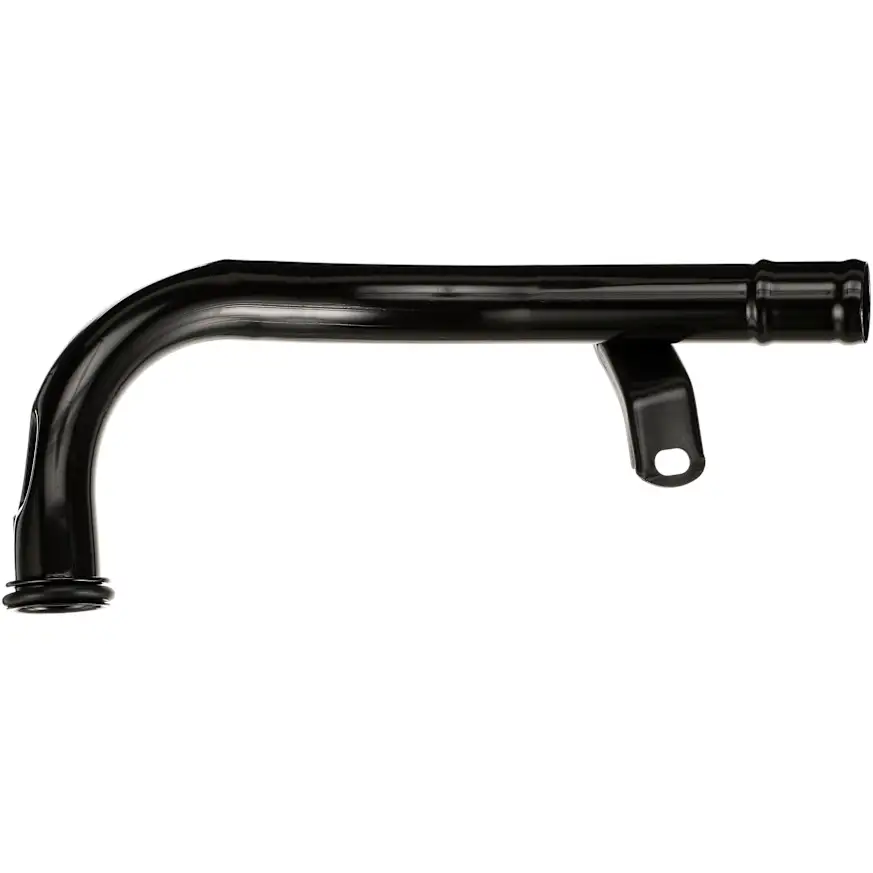
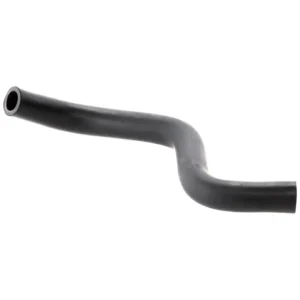
Heater hoses come as bulk hose sold by inside diameter (ID), molded hoses that hold the factory shape, or assemblies that add tubes, branches, and fittings. Knowing which form your vehicle uses is your first cart decision.
Choose Your Cart Size
Most heater hose jobs fit one of three cart sizes. Pick yours based on what failed, what you’ll need to remove to reach it, and how long you plan to keep your vehicle.
1. Minimum Viable Repair
Use this lane to fix one failed hose and nothing else.
Choose it if:
- One hose leaks or feels soft, and the others still feel firm
- You replaced the other heater hoses recently
- You can reach the leaking hose without removing other components
Typical cart:
- One heater hose that matches the original: bulk, molded, or assembly
- New clamps for both ends, if the listing doesn’t include them
- Enough of the correct coolant to replace what drains out
2. Smart Same-Access Refresh
Use this lane to replace the hoses you’ll touch anyway while the coolant’s out.
Choose it if:
- The supply and return hoses are the same age
- You have to remove an intake tube, engine cover, or bracket to reach the failed hose
- The fittings at either end show corrosion, cracks, or brittle plastic
Typical cart:
- Both heater hoses, or the complete heater hose assembly
- New clamps for every connection you disturb
- Replacement quick-connects, O-rings, or tees if yours look tired
- Coolant for a full refill
3. High-Mileage / Do-It-Once Reset
Use this lane when you want to treat the heater circuit as one aging system.
Choose it if:
- Your vehicle has high mileage and its original hoses
- Several hoses feel hard, swollen, or crusty at the ends
- Rear heater lines show seepage or corrosion
- You plan to keep your vehicle for years
Typical cart:
- All heater hoses, including rear heater lines where equipped
- The heater control valve or tees, if your system uses them
- A full set of new clamps
- Radiator hoses and a thermostat, if they’re the same age
- Coolant for a complete drain-and-fill
Most vehicles with one easy-to-reach leak belong in the first lane. Save the third for vehicles where age, not one bad hose, is the real problem.
What Is Commonly Ordered Together on This Job
A complete heater hose order usually includes clamps, coolant, and whatever fittings connect the hose at each end.
Clamps
Clamps are the item shoppers miss most often. Many heater hoses ship without them, old spring clamps lose tension with age, and a reused worm-gear clamp can bite a new hose in a fresh spot. Order a new clamp for each end in the style your application uses.
Coolant
Every heater hose replacement drains coolant. Order the type your vehicle specifies, in a full-refill quantity. Shoppers often underestimate how much they’ll lose, especially when the heater core drains back through the hose.
Fittings, Tees, Quick-Connects, and O-Rings
Many newer vehicles connect heater hoses with plastic quick-connects,tees, or adapters instead of plain barbs. These fittings turn brittle with heat cycles and often cause the actual leak. Some assemblies include them, while others expect you to transfer the old fitting or buy a separate connector. If you reuse a fitting, add new O-rings where the application calls for them.
Heater Control Valve and Bypass Parts
Some systems route coolant through a heater control valve, flow restrictor, or bypass tee in the hose line. Not every vehicle uses these parts. If your vehicle has one of these components between the hoses you’re replacing, inspect this part before checkout and add a replacement if it looks cracked or worn
Same-Age Cooling System Parts
Radiator hoses, the thermostat, and the water pump share coolant with the heater circuit. A heater hose job doesn’t require them, but if they’re the same age and you’re draining the system anyway, replacing them now can save you a second drain and refill later.
What People Forget Until the Vehicle Is Already Apart
Ask these questions before checkout, not after the coolant hits the drain pan.
- Did the listing include clamps, or only the hose?
- Does the old hose have a quick-connect end, and does the new one?
- Is the outlet on the engine, water pump, or thermostat housing plastic, and is it cracked?
- Does your vehicle have a rear heater, and does that change the hose or tee you need?
- Is the hose one piece, or part of a multi-section assembly with metal tubes?
- Do both ends share the same inside diameter, or is one end larger?
- Do you have enough of the correct coolant for a full refill?
- Do any reused quick-connects need new O-rings or retaining clips?
- Does the old hose carry a bracket, clip, or heat sleeve that has to transfer?

When Replacing Only the Heater Hose Is False Economy
Replacing only the failed heater hose makes sense when the rest of the system is young and the leak is easy to reach. If you replaced the other hoses recently and nothing blocks access, a single-hose order is the right call.
It gets shortsighted when the hoses are old and share and access. Heater hoses usually age as a set, and coolant breaks down rubber from the inside before the outside shows much. If you have to pull an intake tube or work blind at the firewall to reach one hose, you’ll already have the access you need to replace the second one. Replacing it now costs a hose and two clamps. Replacing it later costs another drain, another refill, and another afternoon.
The same logic applies to fittings. If a plastic tee or quick-connect already shows cracks, discoloration, or a weak latch, add a replacement to the cart and swap the fitting during the same repair.
The Fitment Splits That Break Heater Hose Orders
Most wrong heater hose orders trace back to a few predictable splits: engine, rear heater equipment, position, diameter, hose type, and end fittings.
Engine Differences
Different engines route heater hoses to different outlets at different lengths and angles.A heater hose made for a model’s four-cylinder engine may not reach or line up with the outlets for the same model’s V6, so shop by exact engine size.
Rear or Auxiliary Heater Equipment
Many SUVs, vans, and some trucks offer rear heat as an option. Those vehicles often use tees, extra hoses, and longer tube assemblies the base model doesn’t have. Listings frequently split into “with rear heater” and “without rear heater” versions that look nearly identical in photos.
Inlet vs. Outlet Position
Most vehicles use two heater hoses: one feeds the heater core, while one returns coolant to the engine. They often differ in length, shape, and diameter. Listings can label them inlet and outlet or supply and return.
Inside Diameter
Heater hoses commonly come in sizes such as 5/8-inch and 3/4-inch ID, and some molded hoses change diameter from end to end. A hose that’s only close won’t seal reliably, so confirm the original size before you buy bulk hose.
Hose Type: Bulk, Molded, or Assembly
Bulk hose suits straight or gently curved runs. Molded hoses hold tight factory bends where bulk hose would kink. Meanwhile, assemblies combine hoses with tubes, branches, and brackets. Choosing bulk where your vehicle needs a formed part leads to kinks, rubbing, or poor routing.
End Fittings and Quick-Connects
One end might use a plain barb and clamp, while the other uses a quick-connect. Some replacement hoses include the quick-connect, but others don’t. Match both ends, not just one.
Production-Date or Vehicle Identification Number (VIN) Splits
Some models change heater hose routing or fittings midyear. If a listing mentions a build date or VIN range, check the door-jamb label or VIN before you order.
Delivery-Day Inspection Checklist
Compare the new heater hose to the one on the vehicle before you drain any coolant.
- Overall length and bend shape match the original routing
- Inside diameter matches at both ends
- Branch or tee count matches, including any rear heater outlets
- End fittings match: plain barb, quick-connect, or metal tube with O-ring
- Quick-connect latches are intact and didn’t crack in shipping
- Included clamps, clips, or brackets match what the listing promised
- Molded bends aren’t crushed or flattened from packaging
- The rubber shows no cuts, cracks, or flat spots
- The position label (inlet or outlet, supply or return) matches the hose you’re replacing
Your One-Job Order Sheet for a Heater Hose
Run through these seven steps before checkout.
1. Confirm the Vehicle
Confirm the year, make, model, engine size, and rear heater equipment. Keep the VIN handy for production splits.
2. Confirm the Repair Scope
Decide between one hose, both front hoses, or the full heater circuit.
3. Confirm the Position and Hose Type
Identify inlet or outlet position, and whether your vehicle uses bulk, molded, or assembly hose.
4. Confirm What the Listing Includes
Check for clamps, quick-connects, O-rings, tees, and brackets, and add whatever’s missing.
5. Add the Coolant and Clamps
Order the specified coolant in a full-refill quantity and a fresh clamp for every connection you’ll disturb.
6. Check the Old Fittings
Add any tee, quick-connect, or engine-side outlet that looks brittle or cracked.
7. Choose Your Ownership Logic
Pick the minimum cart for a young system, the same-access refresh for aging hoses, or the full reset for a high-mileage vehicle you plan to keep.
The Smart Way To Shop Heater Hoses
A cheap-looking heater hose order is one hose in roughly the right diameter. A correct heater hose order matches the engine, position, hose type, end fittings, and the rear heater package, and it includes the clamps and coolant you’ll need to seal the system.
Shop by repair scope, not by thumbnail or vague resemblance. The right cart depends on your vehicle, how many hoses share the same age and access, and how long you plan to keep your ride. Answer these questions first, and you can finish the job with a single drain, refill, and order.
Keep Reading: Related Posts



Any information provided on this Website is for informational purposes only and is not intended to replace consultation with a professional mechanic. The accuracy and timeliness of the information may change from the time of publication.