Yes, you can add a lock to most pickup tailgates. The main options are a keyed replacement tailgate handle, a lock cylinder and key set, or a powered tailgate lock that works with your truck’s factory power locks. The right choice depends on your truck’s year, make, model, handle design, and whether it already has power door locks.
Key Takeaways
- Keyed handles and lock cylinder sets suit older trucks and work trucks without power locks, and they need no wiring.
- Powered locks secure the tailgate when you lock the doors, but they need careful installation.
- Anti-theft tailgate locks prevent tailgate removal, not tailgate opening.
- Handle style, cameras, and bed accessories affect fitment as much as the model year does.
- A tailgate lock deters casual theft best when paired with a tonneau cover or lockable toolbox.
What Types of Tailgate Locks Can You Add?
Four main types of tailgate locks cover most pickups, and each solves a different problem.
Keyed Replacement Tailgate Handles
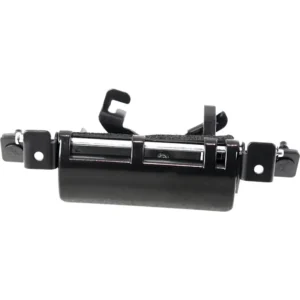
A keyed handle replaces the factory handle with one that has a built-in lock cylinder. It mounts in the original handle opening and connects to the existing latch rods, so the tailgate opens normally once you unlock it. Options can be limited for older or less common trucks, so search for parts that match your truck’s exact year and model.
Lock Cylinder and Key Sets
A lock cylinder and key set fits tailgates that already have a lock housing. These kits restore a worn or broken lock rather than adding one from scratch, so confirm the handle has a cylinder opening before you order.
Powered Tailgate Locks
A powered lock uses an electric actuator to block the tailgate handle or latch linkage. It ties into the factory power lock system or, in some setups, a dedicated switch. When you lock the doors with the key fob, the tailgate locks too.
Anti-Theft Tailgate Locks
An anti-theft lock secures the tailgate at the hinge so nobody can lift it off the truck. It doesn’t protect your cargo, though, so pair it with a handle lock or powered lock.
Manual vs. Powered Tailgate Locks: Which Is Better?
A manual lock is simpler, while a powered lock is more convenient.
Manual locks suit older pickups, work trucks without power door locks, and owners who want a purely mechanical setup with no wiring or relays. The trade-off is an extra step. If you lock the cab with the remote but have to key the tailgate separately, it’s easy to forget to lock the tailgate.
Powered locks remove this step, so owners tend to use them consistently. But this setup requires installation. The actuator needs a secure mount, the linkage has to move freely, and newer trucks need wiring that matches the electrical layout to avoid warning lights or intermittent faults.
Fitment Goes Beyond Year, Make, and Model
A tailgate lock listed for your truck’s model year might still not fit. Tailgate handles, lock rods, backup cameras, trim packages, and electronic release systems can change between years and trim levels, and some locks exclude power-operated or multifunction tailgates.
Bed accessories matter too. A hard folding cover, retractable cover, topper, swing-out toolbox, or bed rack can change how the tailgate opens and closes. The lock can fit perfectly while the full setup still binds, rubs, or leaves the tailgate partly latched.
Is a Homemade Tailgate Lock Worth It?
A DIY lock can work, but it carries more risk than a kit built for your truck.

How the DIY Solenoid Setup Works
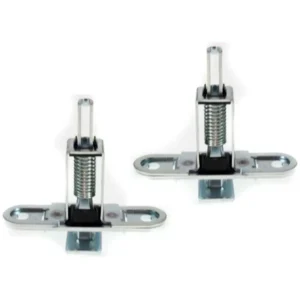
One common approach uses two 12-volt DC solenoids, one on the inside of each bed pillar near the tailgate latches. Each pin stays extended at rest and retracts when it gets power. A small bracket of flat aluminum stock, bent into a shallow V and bolted to the tailgate, catches the pin. Use 12-volt DC solenoids, not 120-volt AC appliance parts.
What Can Go Wrong
Drilling in the wrong spot can damage paint, start corrosion, or hit components inside the tailgate. Unprotected connections can cause intermittent operation. Because this design stays locked without power, a dead battery or failed circuit can trap the tailgate shut. Fuse the circuit, use sealed connectors, route wiring away from pinch points and sharp metal, and plan a manual override.
How To Avoid Common Installation Problems
Most tailgate lock problems come from poor alignment, tight linkage, or rushed wiring.
Confirm your truck’s exact year, make, model, bed configuration, and accessories, then inspect the handle and latch. Vehicle-specific hardware usually works more reliably than universal parts.
For powered locks, mount the actuator so it pulls straight on the linkage. An angled pull or overly tight lock rod might work in the driveway but fail when the tailgate is loaded or slightly misaligned, leaving it stuck locked or unable to lock. Protect wiring in loom and secure it so it can’t sag or chafe.
After installation, test the tailgate repeatedly with the key fob and door locks. Then confirm that the camera, step, bed cover, and weather seal still work, since poor seal contact can let water in and cause rattles.
Make sure both side latches fully engage. A partly latched tailgate can drop open while you’re driving and spill cargo onto the road. If the latch feels off after the job, have a shop inspect it.
Where a Tailgate Lock Fits Into Bed Security
A tailgate lock adds real protection, but it doesn’t make the truck bed theft-proof. A tonneau cover only secures the bed when the tailgate can’t open, so a locking tailgate closes the gap most covers leave behind.
Keep valuables pushed toward the cab, where they’re harder to reach, and store expensive tools in a lockable toolbox.
FAQs
Yes. It closes the easiest access point under the cover. Soft covers can still be cut, so keep high-value items out of the bed when you can.
Usually not. Pickup tailgates typically latch at both sides through rods connected to the handle, while SUV liftgates generally use a single car-door-style latch. Stick with handles designed for your truck.
You can if you’re comfortable mounting an actuator, adjusting linkage, and identifying the correct circuit. Tapping the wrong circuit can cause intermittent operation or warning lights, so consider professional installation for newer trucks.
Not always. Ford, for example, notes that the McGard tailgate lock it sells isn’t compatible with trucks equipped with Power or Pro Access tailgates. Check the product’s fitment notes before ordering.
Depending on the design, a failed actuator or circuit can leave the tailgate unlocked or stuck locked. Check the fuse and connections first, then the actuator and linkage.
Shop Tailgate Locks for Your Truck
Adding a tailgate lock is one of the simplest ways to make your truck bed harder to get into. Confirm your truck’s year, make, model, and tailgate equipment first so the lock fits without extra modification. Luckily, CarParts.com carries tailgate locks for a wide range of pickups, and you can enter your vehicle to see options that match your truck.
Keep Reading: Related Posts




Any information provided on this Website is for informational purposes only and is not intended to replace consultation with a professional mechanic. The accuracy and timeliness of the information may change from the time of publication.