It usually starts with a sweet smell after a drive. Maybe you spot a small puddle under the engine bay overnight. On a Chevy Cruze, that trail almost always leads to the thermostat housing. It’s one of the most common leak points on the 1.4L turbo and 1.8L engines.
Here’s the frustrating part. The leak often comes back even after a shop supposedly fixes it. The reason has less to do with bad luck and more to do with how the part’s built. Once you know what actually fails, the repair gets a lot easier to get right.
What Does the Thermostat Housing Do?
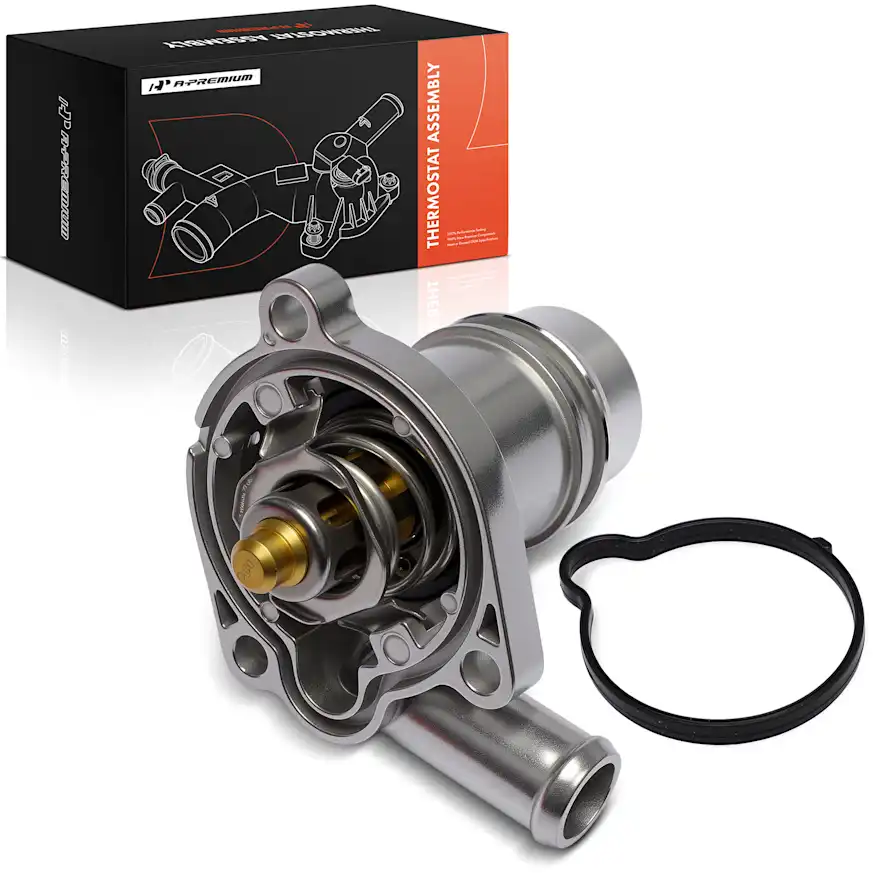
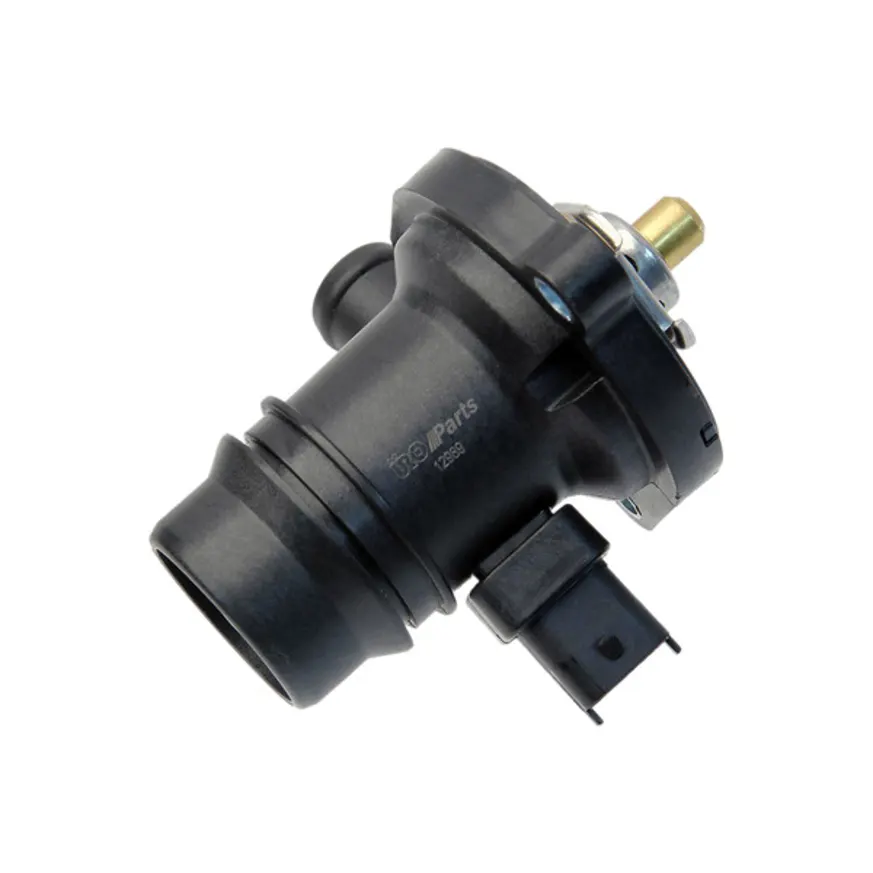
The housing holds the thermostat and routes coolant between the engine, radiator, and heater core. On the Cruze, it’s an integrated unit. The thermostat, the coolant temperature sensor, and the outlet ports all mount to the same piece.
Because the thermostat controls when coolant reaches the radiator, the housing sits at the heart of the cooling system. When it cracks or the thermostat fails, problems show up fast. You might see a slow drip, sudden overheating, or a check engine light.
What Are the Symptoms of a Bad Thermostat Housing?
A failing housing or thermostat tends to show itself in a few clear ways. The Cruze uses an electronic thermostat, so you can get trouble codes even without a visible leak. Watch for these signs while you drive.
- Coolant leak or low coolant. The plastic housing cracks with age and heat, letting coolant seep out.
- Sweet smell or light steam. Coolant hits warm engine parts and burns off after you shut down.
- Overheating. A thermostat stuck closed traps coolant and drives temperatures up quickly.
- Check engine light. The PCM sets a code when the heated thermostat circuit reads outside its range.
- Poor heat or a low gauge. A stuck-open thermostat lets the engine run cool, so the cabin heater struggles.
Several of these overlap with other cooling faults. If you want to rule things out, the broader coolant leak symptoms guide covers where drips tend to start. That helps you confirm the housing before you buy anything.
Which Trouble Codes Point to the Thermostat?
A check engine light plus a cooling complaint usually narrows things down fast. Two codes come up often with Cruze thermostat problems. Pull the code before you buy anything, since a stuck thermostat and a bad sensor can look alike.
A P0128 code means coolant stays below the thermostat’s regulating temperature. That usually points to a thermostat stuck open or a sensor issue. A P00B6 code flags a mismatch between two temperature sensors during warm-up.
The housing assembly and the coolant temperature sensor are separate purchases. Reading the code first tells you which one you actually need. That small step saves you money and a second trip.
Why Does the Cruze Thermostat Housing Keep Leaking?
This is the question that fills owner forums. Most repeat leaks trace back to three things. Miss any of them and the fresh part starts weeping again within a year.
The Plastic Housing Is a Known Weak Point
The factory housing is plastic, and it cracks over time. Owners who replace it once often find it leaking again soon after. Many switch to an aluminum housing to break that cycle. If your car’s on its second or third housing, an aluminum upgrade is worth a look.
The Oil Cooler Pipe O-Ring Gets Missed
A small O-ring seals the bottom of the housing to the oil cooler pipe. You have to replace it at the same time as the housing. When someone skips it, coolant leaks from underneath and mimics a housing failure. That sends people chasing the wrong part.
A Broken Hose Tip Stays in the Housing
The throttle-body heater pipe seats down inside the top of the housing. That plastic pipe gets brittle and can snap, leaving a tip stuck in the port. If you don’t pick the piece out, the new hose never seals. Coolant then weeps from the top.
None of these are exotic, but each one hides easily. Torque matters too, since overtightening cracks the plastic on the spot.
Should You Replace the Whole Housing or Just the Thermostat?
You’ve got two paths, depending on what failed. If the housing’s intact and only the thermostat quit, you can swap the thermostat alone. That keeps the heater hoses undisturbed and the cost down.
If the housing itself is cracked or leaking, replace the full assembly instead. Most replacement assemblies include the thermostat, sensor ports, gasket, and seal. That makes for a cleaner one-time repair, and it’s the moment to choose your housing material.

What Parts Should You Replace Together?
To keep the leak from returning, refresh the seals while everything’s apart. It’s also a smart time to eyeball the connected cooling parts. Here’s the short list worth grabbing in one order.
- Housing-to-engine gasket. Usually included with a full assembly, and you should replace it every time.
- Oil cooler pipe O-ring. The seal that gets skipped most and leaks most.
- Throttle-body heater hose. Check for cracks and clear any broken tip from the port.
- Fresh coolant. You’ll drain the system anyway, so refill and bleed the air out.
While the system’s open, look over the Cruze radiator and its radiator hoses for age cracks. A quality aftermarket housing does little good if a brittle hose lets go next month. Knowing the bad radiator symptoms helps you catch a tired radiator during the same job.
Plastic or Aluminum Housing: Which Should You Buy?
Both fit, and both do the job well. The real difference is longevity against cost. A plastic housing matches the factory design and costs the least, which makes it a solid budget pick.
An aluminum housing costs a bit more and adds slight weight. In return, it resists the heat-cycle cracking that wears out the plastic version. That’s why owners who’ve replaced the part before tend to go metal. Either aftermarket option gets you a reliable fit at a fair price.
How Much Does a Cruze Thermostat Replacement Cost?
The part itself stays affordable. A complete housing assembly usually runs about $25 to $130, depending on brand and material. A thermostat-only swap costs even less.
Shop labor is where the total climbs. A professional replacement generally lands between $440 and $515 with parts included. Draining, refilling, and bleeding the system takes time on top of the swap. Doing it yourself brings the cost close to the price of the parts.
Can You Replace the Cruze Thermostat Housing Yourself?
It’s a manageable job for a confident DIYer, and the tools stay basic. You’ll want a Torx or E-Torx set, hose pliers, and a drain pan. The bolts also accept an 8mm hex socket on many units.
Start by letting the engine cool, then drain the coolant through the lower splash-shield access hole. Remove the radiator hose and heater hose, checking that no broken tip stays in the port. Unbolt the hard pipe feed and main bolts, then swap the housing or thermostat with fresh seals. Refill, bleed the air, and recheck for leaks as it warms up.
Two cautions matter most here. Don’t overtighten the plastic housing bolts, and never reuse the old seals. Those two slips cause most DIY repeat leaks.
Frequently Asked Questions
On earlier Cruze models, the thermostat fell under the powertrain warranty. A failure within that window may be repaired at no cost. Coverage depends on model year, mileage, and how the original warranty transferred, so confirm your specifics first.
You can, briefly and carefully, if the leak’s slow and the engine isn’t overheating. A small leak can turn big without warning, though. An overheating engine can suffer damage in minutes, so fix it soon and watch the gauge.
Usually it’s a skipped O-ring, a broken hose tip, an overtightened housing, or the plastic simply cracking again. Replacing every seal and considering an aluminum housing solves most repeat failures.
Getting the Repair to Last
A leaking Chevrolet Cruze thermostat housing is a signature issue on these cars. It’s also very fixable once you know where repairs go wrong. Replace the seals that get skipped, clear any broken hose tip, and torque the plastic gently.
If you’ve been here before, this is a good time to move up to an aluminum housing. Either way, you can shop the right Cruze thermostat housing at CarParts.com and use the fit check to make sure it matches your engine and year. Prices are low and backed by a price-match guarantee, shipping is free on most parts, and returns are easy if something isn’t right. Order today and get your Cruze back to running cool.
Keep Reading: Related Posts




Any information provided on this Website is for informational purposes only and is not intended to replace consultation with a professional mechanic. The accuracy and timeliness of the information may change from the time of publication.