A diesel particulate filter replacement isn’t a one-size-fits-all purchase, even if the listings all look similar at first glance. The part name is the easy part. The harder question is which specific listing actually matches your vehicle, your engine, and your state’s emissions regulations.
DPF listings split across multiple manufacturers, part numbers, and emissions compliance tiers, and picking the wrong one means a return before the job even starts. This article helps you sort through those differences before you add anything to cart.
Quick Answer: How Do You Choose the Right Diesel Particulate Filter?
Start with your vehicle’s year, make, model, and engine size, then confirm your state’s emissions compliance requirements, since most aftermarket DPFs are 46-state legal and can’t ship to California, Colorado, or New York.
Check whether the listing is for a bare filter or an assembly with piping and sensors, and note the inlet size and tube material. After fitment and compliance are confirmed, compare available brands and verify exactly what comes in the box before you commit.
Start With the Vehicle, Not the Product Image
Start with the vehicle, not the thumbnail. DPF listings look mechanically similar across product photos, but the fitment details behind each part number are specific. A filter built for a 6.7L Cummins won’t swap in for a 6.4L Power Stroke, even if the housing dimensions look close.
Before comparing listings, have these details ready:
- Year, make, and model
- Engine size and configuration
- Trim or submodel, if applicable
- State of registration (emissions compliance matters here)
- Drivetrain and body style, if listings split by application
The vehicle selector on the product page is the fastest way to filter out incompatible listings. Use it before you read a single product description.
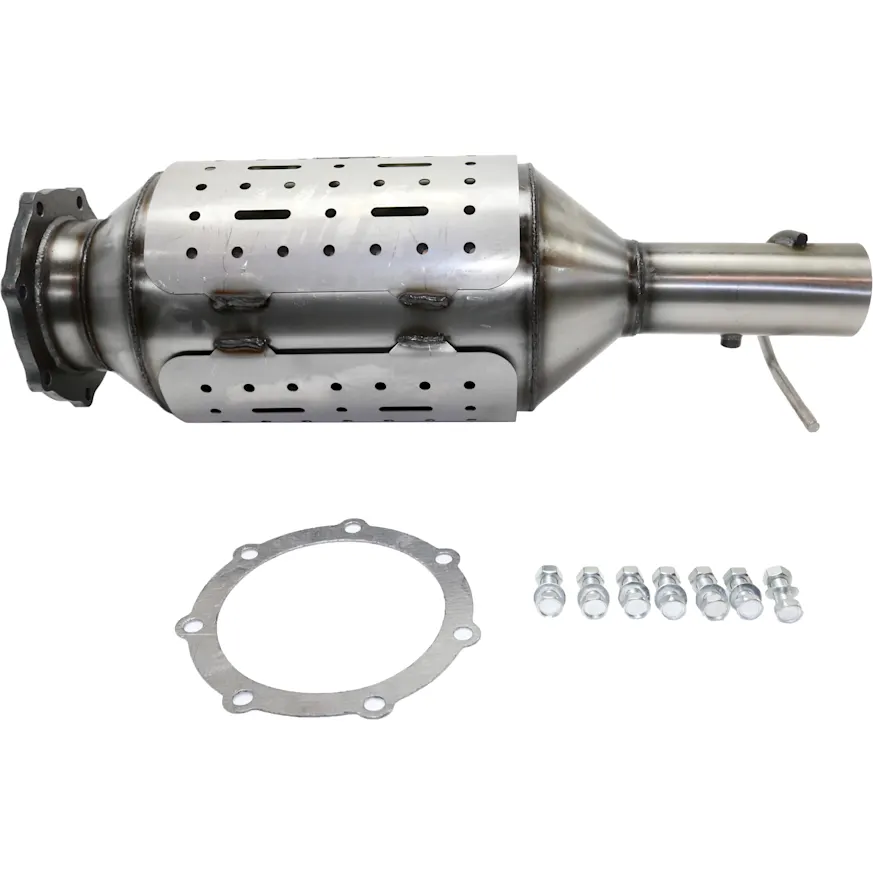
Confirm Emissions Compliance Before Anything Else
This is where DPF shopping differs from most other exhaust parts. Almost every aftermarket diesel particulate filter in this category carries a 46-state legal designation, which means it meets federal EPA standards but can’t be legally sold or installed in California, Colorado, or New York. If you’re in one of those states, the listing itself will tell you it can’t ship there.
That distinction isn’t optional, and it isn’t a formality. Ordering a non-compliant part for a CARB or state-regulated market creates a real problem at registration and inspection. Confirm your state’s rules before narrowing down by price or brand. If you’re outside the restricted states, you can move forward with standard federal EPA-compliant listings without additional steps.
Identify the Version Your Repair Actually Needs
Two diesel particulate filters can carry the same part category name and still solve completely different ordering problems. The main splits to understand before choosing a listing:
New vs. Remanufactured
Both are available in this category. New units come with no core charge. Remanufactured units often carry a refundable core deposit, which means you’ll pay it upfront and get it back when you return the old filter. Some listings show the core charge separately, so the total cost isn’t always obvious at first glance. When a DPF starts failing, it can log a DPF efficiency code alongside soot restriction codes, so confirming the filter is genuinely at end-of-life before ordering helps you choose the right replacement condition.
Bare Filter vs. Assembly
Some listings cover just the filter canister. Others include inlet and outlet piping, flanges, or mounting hardware as part of a more complete assembly. Know which one your repair actually requires before choosing a listing.
Application-Specific Part Numbers
DPF fitment is engine-specific in a way that matters more than it does for many other exhaust components. A listing written for a 6.4L engine in a specific year range isn’t interchangeable with a listing for the same vehicle in a different year or with a different engine. Confirm the listed application matches your exact vehicle before ordering.
Compare the Details That Make the Part Fit
Use the product image as a starting point, not as the whole match. DPF housings can look nearly identical across different applications while differing in ways that matter for fitment and installation.
Before ordering, check these details against the listing and, where possible, against the original part:
- Inlet and outlet diameter
- Overall housing dimensions and length
- Flange style and bolt pattern
- Tube material (most aftermarket listings use stainless steel, but confirm)
- Sensor port provisions — if your application has DPF pressure sensor issues in its history, confirm the housing has the correct port before ordering
- Mounting tab position and orientation
If you can access the original filter, compare the housing shape and connection points against the listing photos and specs. Dimensions in the product description are more reliable than photos alone.

Check What Comes in the Box
A listing can be correct for your vehicle and still be incomplete for your repair. DPF listings in this category are generally sold individually as direct-fit replacement units, but what that includes varies.
Before finalizing, confirm whether the listing includes:
- Mounting hardware or clamps
- Exhaust flange gaskets or seals for connection points
- Inlet or outlet piping, if applicable
- Any exhaust pressure sensor that mounts directly to the housing
If the listing doesn’t cover a component your repair requires, you’ll need to add it separately. That’s a separate decision from choosing the correct DPF itself, but it’s worth confirming before the order ships.
Compare Brands After You Confirm Fitment
Brand matters, but it shouldn’t be the first consideration. A Dorman, Evan Fischer, Mopar, Magnaflow, or Catco diesel particulate filter still has to match the vehicle, engine, application, and emissions compliance before it belongs in the cart.
Once fitment is confirmed, brand becomes a reasonable secondary consideration. Mopar is the OEM brand for Ram, Jeep, Dodge, and Chrysler vehicles, so Mopar listings are the factory-match choice for those applications and often carry a core charge reflecting their remanufactured status. Dorman and Evan Fischer offer aftermarket options at different price points, some at significant discounts over MSRP. Magnaflow and Catco round out the category with performance-adjacent aftermarket options, also at the 46-state compliance tier.
The better question isn’t which brand is best. It’s which brand offers the correct configuration for your specific vehicle and repair context. After fitment is settled, use brand as a confidence check on availability, pricing, and condition, not the other way around.
Choose the Right Ownership Lane
The right diesel particulate filter isn’t always the most expensive one. It’s the one that matches how long you need the repair to hold and what you’re asking the vehicle to do.
Functional Replacement for a High-Mileage Vehicle
If the vehicle is approaching end-of-useful-life or you’re managing costs on a work truck you plan to replace, an aftermarket unit from Dorman or Evan Fischer at a lower price point makes sense. Fitment still matters, but the investment ceiling is lower.
Daily-Driver or Fleet Replacement
For a truck or SUV you depend on and plan to keep, a well-matched aftermarket assembly at a mid price point covers most situations. Confirm the inlet size, housing dimensions, and included components match the original. Stainless steel construction is the baseline for most listings in this range.
Long-Term Keeper or OE-Preference Replacement
If you want the closest match to the original or your vehicle is still under powertrain-related coverage, a Mopar unit at the higher end of the price range may be worth the premium. Core charges apply to remanufactured OE units, so account for that in the total cost calculation. If a regeneration code prompted the replacement, a new unit is usually the better long-term call over remanufactured.
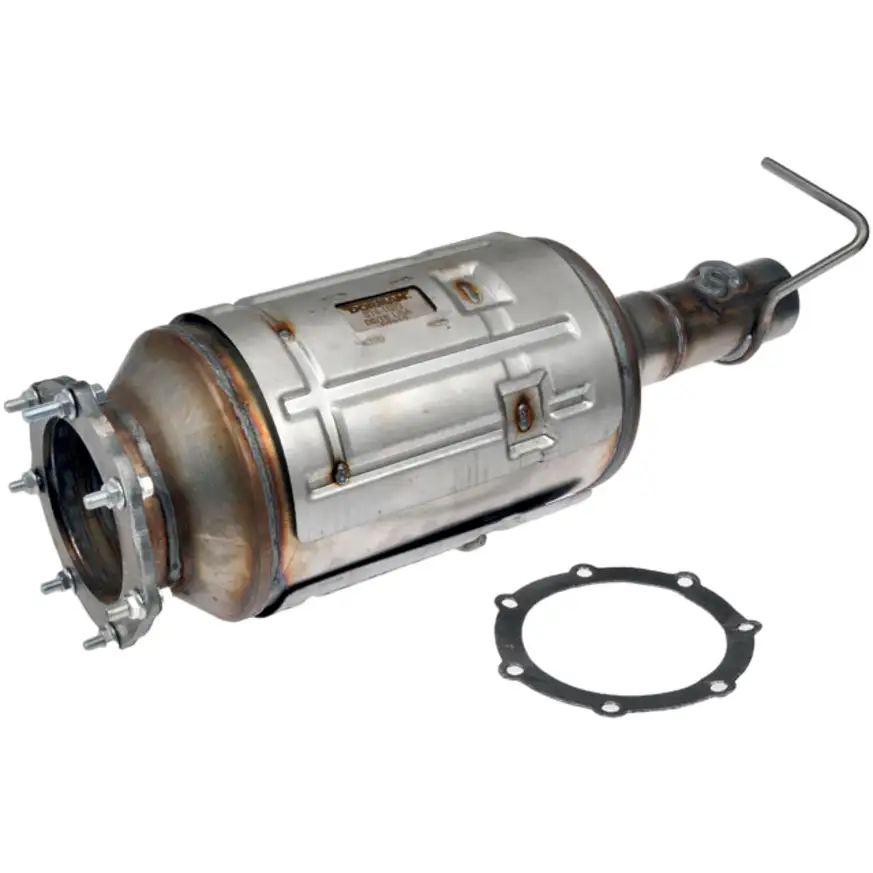
Make the Final Add-to-Cart Check
Before you add the diesel particulate filter to cart, confirm the listing matches on all of these:
- Year, make, model, and engine confirmed
- State emissions compliance verified (46-state vs. restricted states)
- New vs. remanufactured confirmed, with core charge factored in if applicable
- Bare filter vs. assembly version confirmed
- Inlet and outlet diameter matches the original
- Housing dimensions and flange style checked against original where possible
- Included components verified against what your repair requires
- Brand selected after fitment and compliance are settled
- Product notes and fitment notes reviewed
Your Best Starting Point
Start with the vehicle selector and let the confirmed year, make, model, and engine do the first round of filtering. From there, narrow by emissions compliance, then by condition (new vs. remanufactured), then by assembly type. Use the listing’s fitment details and part dimensions to confirm the match before committing.
The best diesel particulate filter order is the one that matches the vehicle, clears your state’s emissions requirements, covers the components your repair actually needs, and fits the investment level that makes sense for how you’re using the vehicle. Find the right listing at CarParts.com.

Any information provided on this Website is for informational purposes only and is not intended to replace consultation with a professional mechanic. The accuracy and timeliness of the information may change from the time of publication.