A high quality headlight does more than illuminate the road. It controls beam placement, maintains optical clarity through weather and vibration, and fits your vehicle well enough to hold its aim. This is why two headlights that look nearly identical online can perform very differently once installed.
Why High Quality Headlights Cost More and Matter More
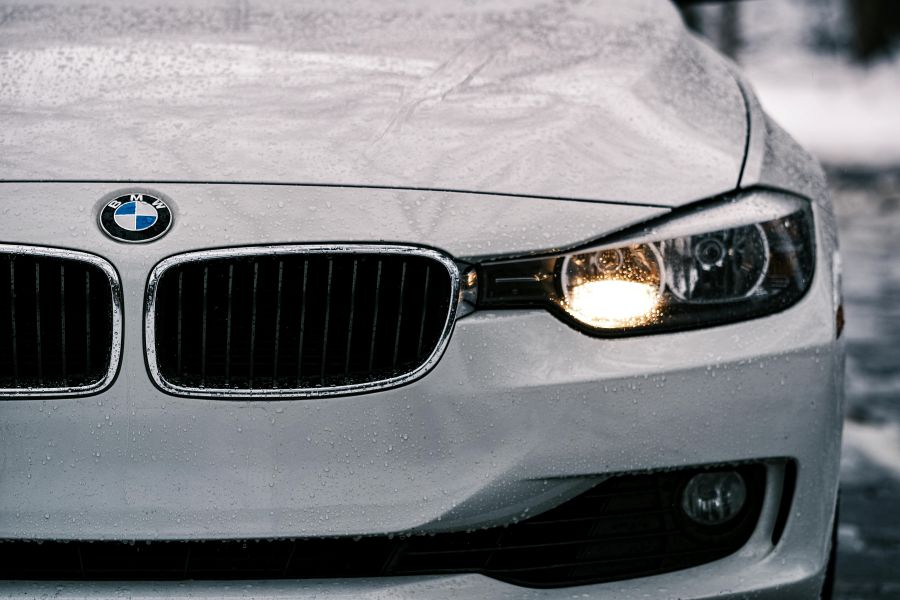
High quality headlights cost more because they involve engineering beyond a simple lens and housing. The design must manage optics, materials, electronics, sealing, and fitment accuracy so the beam performs consistently over time.
This difference becomes obvious during real night driving. A properly engineered headlight improves reaction time and driver awareness while reducing glare for other drivers.
Several design factors separate well-built headlights from cheaper alternatives:
- Controlled beam distribution that places light where you need it most
- Improved downroad reach for earlier hazard detection
- Wider side illumination for curves and pedestrians
- Balanced foreground lighting that avoids washing out distance vision
- Stable mounting points that maintain headlight aim
The result is usable visibility.
Beam Pattern and Optical Control Determine Real Visibility
Brightness alone doesn’t determine headlight performance. Optical design shapes the beam pattern and determines how effectively the light helps you see.
A strong beam pattern should deliver several characteristics:
- A defined cutoff line that reduces glare for oncoming traffic
- Consistent brightness across the lane without scattered hotspots
- Downroad illumination that helps you identify hazards earlier
- Side illumination that highlights road edges and signage
These characteristics explain why high quality led headlights often outperform cheaper alternatives even when lumen ratings appear similar. Light output without proper optical control can scatter and create glare, which actually reduces your ability to see clearly.
Bulb design also matters. High quality headlight bulbs are engineered to place the light source precisely where the headlight optics expect it to be. When this alignment is correct, the housing can project a clean beam with proper reach and balance.
Drivers who still prefer halogen technology often focus on high quality halogen headlight bulbs that preserve factory beam geometry. Maintaining the original optical design often delivers more reliable results than poorly matched upgrades.Projector-style designs can further refine beam control. High quality projector headlights use an internal shield and lens to shape the cutoff and distribute light with precision. However, the projector itself must still be engineered correctly. Poor projector design can produce uneven lighting just as easily as a weak reflector housing.
Risks of Low-Quality Headlights
Lower-grade headlights frequently appear acceptable during installation but begin showing weaknesses after exposure to real driving conditions.
The most common issues stem from material quality, sealing, and electrical design.
Typical risks include the following:
- Weak beam coverage that leaves dark zones on the road
- Excess glare caused by uncontrolled light scatter
- Brittle plastic housings that crack during installation
- Weak mounting tabs that fail under vibration
- Poor seals that allow moisture intrusion
- Reflective surfaces that degrade or peel over time
- Electronic components that flicker or fail prematurely
These issues can lead to safety problems as well as additional repair costs.

Signs a Headlight Is Failing
Drivers often notice gradual performance loss before a headlight completely fails. Common warning signs include the following:
- Difficulty seeing objects at normal night driving distances
- Yellowing or heavy lens discoloration
- Flickering or inconsistent brightness
- Visible melting or deformation in plastic components
- Burning odor coming from the housing
- Interior surfaces that appear dull or peeling
Moisture inside the headlight deserves special attention.
Condensation vs. Water Intrusion
Temporary condensation inside a headlight can occur during temperature changes. Small amounts of mist typically disappear after the lamp warms up.
Persistent moisture Is different.
Water droplets that remain inside the housing often indicate sealing problems or vent failure. If moisture repeatedly returns or pools inside the lamp, the housing integrity may already be compromised.
The 9-Step Validation Process Behind Reliable Headlights
CarPart’s.com’s quality headlights undergo rigorous validation before reaching production. These tests simulate real-world stresses such as vibration, heat, and moisture exposure.
The following validation process helps ensure long-term durability and performance.
Lighting Function Test
All illumination functions are verified to confirm that the headlight produces proper output and all internal lighting components operate correctly.
Air-Tightness Test
A pressurized inspection confirms sealing integrity, helping prevent long-term moisture intrusion.
Waterproof Test
The headlight undergoes a full 360-degree high-pressure water spray while operating for one hour. This simulates heavy rain exposure during nighttime driving.
Real-World Driving Vibration Test
Simulated vibration at 750 rpm stresses the mounting points for one hour to confirm that the housing can withstand road movement.
Endurance Burn Test
The lamp runs continuously at 13.5 volts for eight hours while technicians inspect internal components for heat-related issues.
Underwater Test
Submersion testing confirms that the housing remains sealed against both air and water intrusion.
Photometric Validation
Light output is measured using a precision goniophotometer. This equipment analyzes beam distribution and confirms optical performance.
Electronic Signal Verification
Electrical signals are evaluated to ensure stable communication with modern vehicle systems.
Vehicle Fitment Confirmation
Engineers install the headlight on a vehicle and confirm proper mounting, alignment, and full operational performance.
These tests validate the headlight as a complete system rather than simply evaluating the bulb or housing individually.
What Are the Best Headlight Brands from CarParts.com?
Replacement and JC Whitney represent two reliable options for drivers seeking dependable replacement headlights. Both brands focus on restoring proper lighting performance while maintaining straightforward installation.
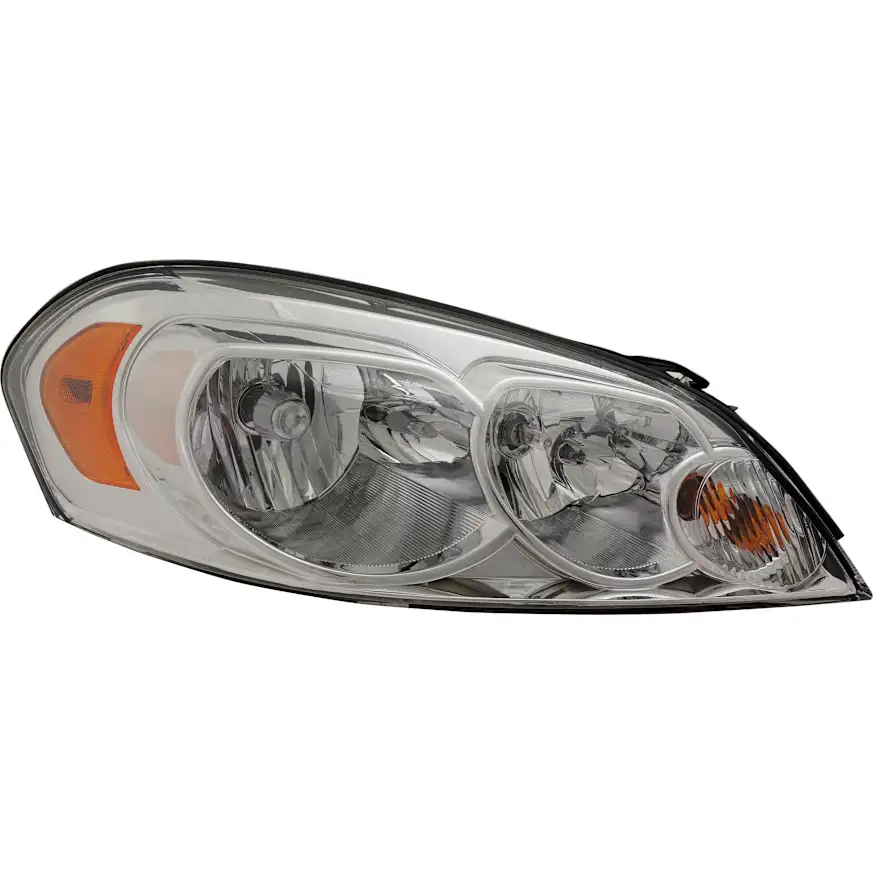
Replacement headlights emphasize direct-fit compatibility and OE-style design. They’re engineered to match factory mounting locations and electrical connections, which helps simplify installation and reduce fitment issues. Replacement headlights often provide a practical solution for drivers who want to restore original lighting performance without modifying their vehicle.
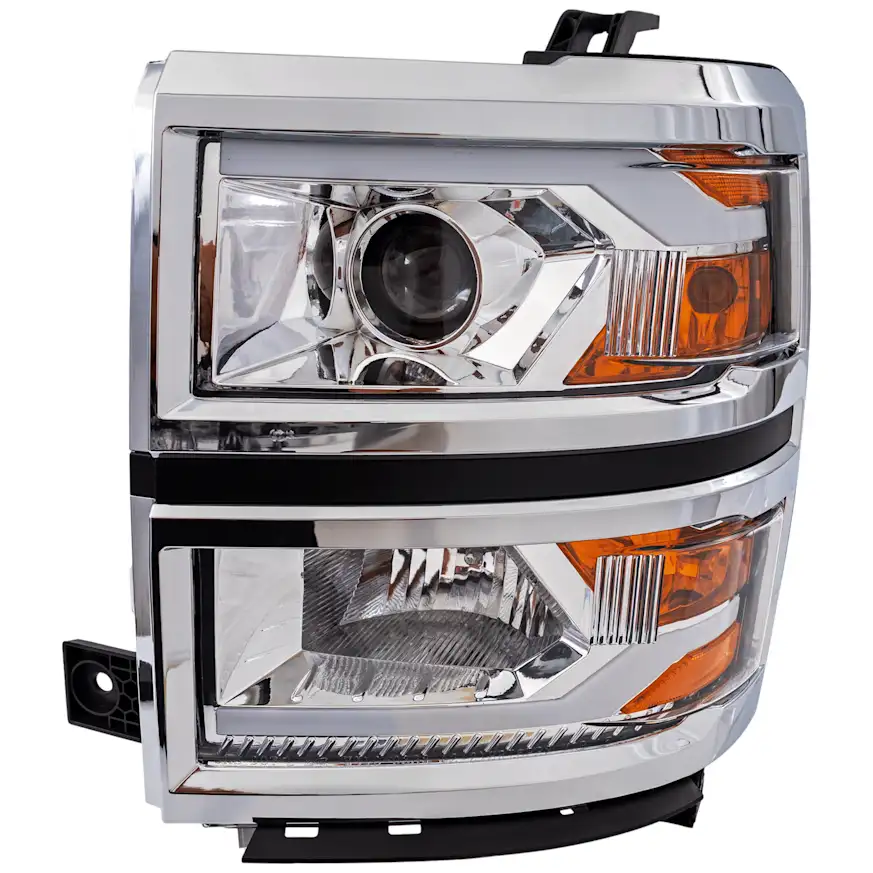
JC Whitney headlights serve drivers who want dependable replacement components backed by a long-standing aftermarket brand. These headlights prioritize durability, structural integrity, and consistent performance. Their design focuses on reliable fitment and materials capable of withstanding everyday driving conditions.
Both brands support the same core priorities drivers should consider when evaluating headlights:
- Accurate vehicle fitment
- Stable mounting geometry for proper aiming
- Durable housings resistant to cracking or warping
- Reliable sealing against moisture intrusion
- Optical designs that restore safe nighttime visibility
Selecting the correct headlight ultimately depends on the vehicle, installation expectations, and the driver’s preference for OE-style restoration versus brand familiarity.
How To Identify High Quality Headlights When Shopping
Headlight shopping often focuses too heavily on visual appearance or advertised brightness. The most reliable way to evaluate a headlight is to consider how the entire assembly was engineered.
Drivers comparing options should look for the following indicators:
- Clear compliance markings molded into the lens
- Strong mounting tabs and reinforced housing structure
- UV resistant lens materials that maintain clarity over time
- Sealing systems designed to resist moisture intrusion
- Beam pattern engineering rather than simple brightness claims
- Compatibility with factory mounting and aiming specifications
These factors provide stronger insight into performance than marketing claims alone.
Drivers researching who makes high quality led headlights often find that the answer depends on engineering discipline rather than a single feature. Manufacturers that emphasize validation testing, optical precision, and durable materials consistently deliver better long-term results.
When headlights are evaluated as a safety component rather than a cosmetic upgrade, the value of quality engineering becomes much clearer.
Keep Reading: Related Posts



Any information provided on this Website is for informational purposes only and is not intended to replace consultation with a professional mechanic. The accuracy and timeliness of the information may change from the time of publication.