You may already know you need anexhaust pipe. The harder part is choosing the version that actually matches your vehicle, its exhaust layout, and the section you’re replacing.
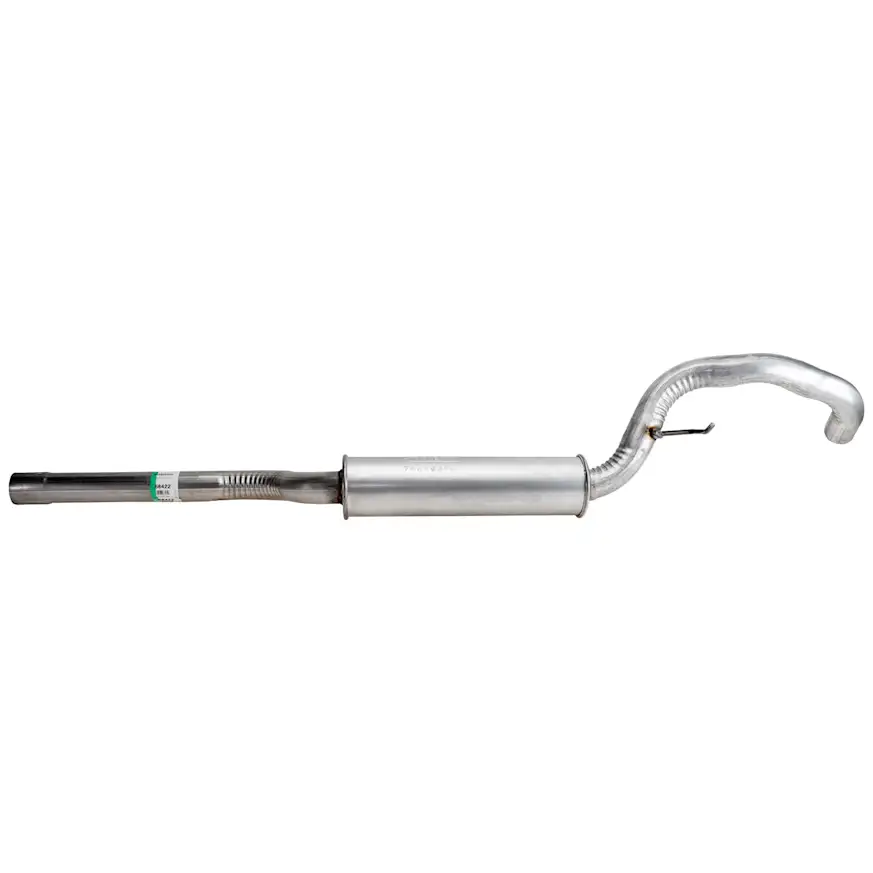
Exhaust pipe listings are easy to mix up. Two pipes can carry the same vehicle name, sit at a similar price, and look like a close match in the thumbnail, yet differ in length, bend shape, flange style, pipe diameter, and where they fit in the system. A pipe that’s an inch off, bent the wrong direction, or built with the wrong flange won’t bolt up cleanly, even if the listing technically lists your vehicle.
This isn’t a repair walkthrough. It’s a pre-order confidence check, so that the pipe that shows up matches the gap you’re trying to fill.
How Do You Choose the Right Exhaust Pipe?
Start by confirming your vehicle’s year, make, model, engine size, and emissions package, since exhaust routing often splits by engine and by federal-versus-California emissions builds. Then identify which section you need, such as a front pipe, intermediate pipe, or rear pipe, and match the listing’s body length, inlet and outlet diameter, bend pattern, and flange type to the part you’re removing. Compare these numbers against your old pipe wherever you can, because exhaust fitment lives in the dimensions, not the photo. Once the section and specs are confirmed, use brand as a secondary filter and verify what hardware, if any, comes in the box.
Start With the Vehicle, Not the Thumbnail
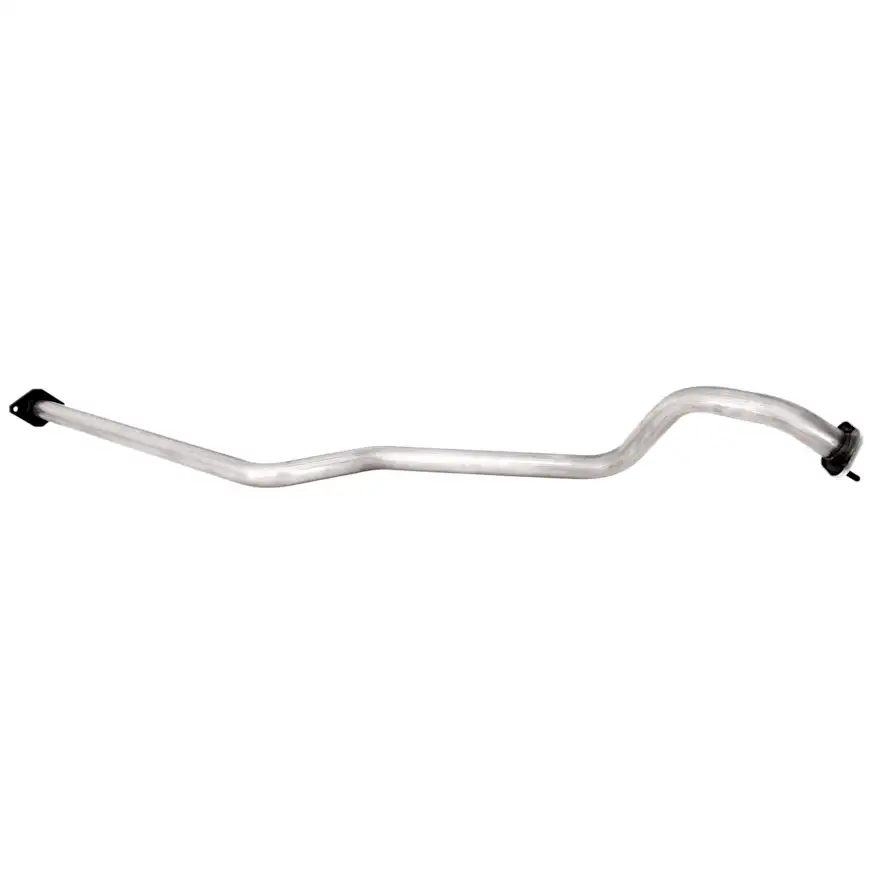
Fitment is the first gate, and exhaust pipes are unusually sensitive to it. The same model can run different exhaust routing depending on engine and emissions build, so an exhaust pipe image that looks right can still be the wrong piece.
Before anything else, confirm the following:
- Year, make, and model
- Engine size and engine code (a 4-cylinder and a V6 of the same model often use entirely different pipes)
- Emissions package, since some applications split into federal versus California emission versions
- Drivetrain and body style, where they change exhaust routing
- Which section of the system you’re replacing
This last point matters more here than with most parts. “Exhaust pipe” can mean a front pipe off theexhaust manifold, an intermediate pipe in the middle of the system, or a tail section. Knowing the section narrows the listings before you ever compare dimensions. If you’re unsure how the pieces connect, thisexhaust system overview maps out where each part sits.
Identify the Section and Version You Actually Need
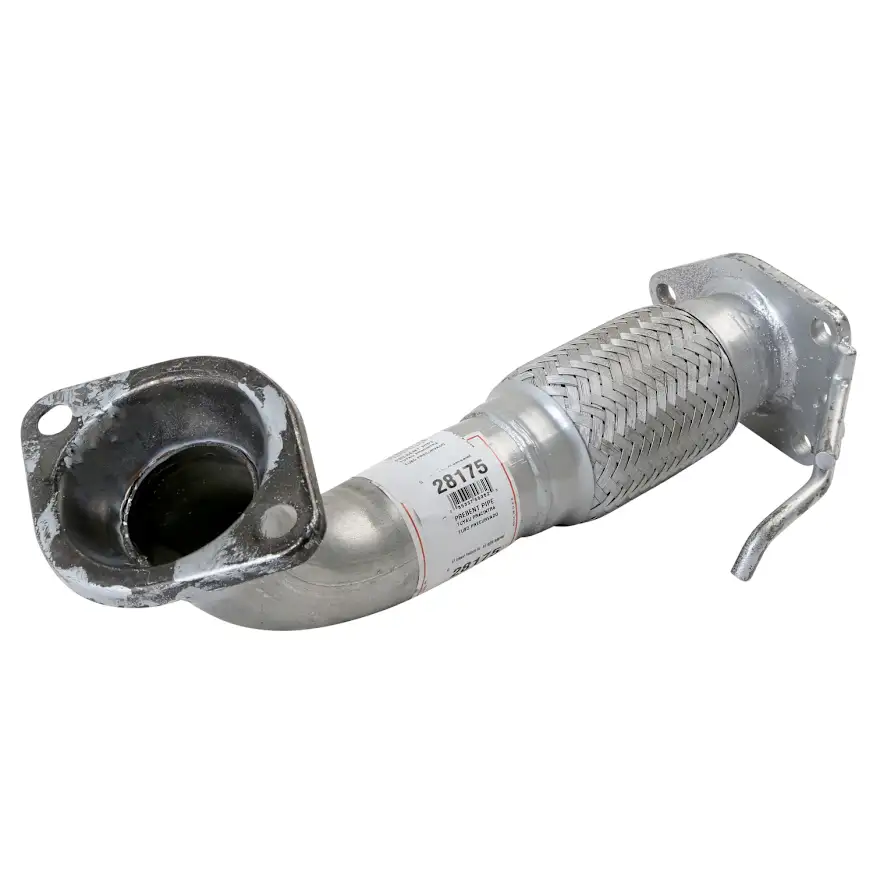
Two exhaust pipes can share the same name and still solve different ordering problems. The version differences that matter most here are about position in the system and how the pipe is built.
System Position
Front pipe, intermediate pipe, or rear/tail pipe. Some listings are explicitly labeled by type, such as an intermediate pipe.
Emissions Configuration
Certain pipes are built specifically for vehicles with California emission, and these aren’t interchangeable with the federal version.
Material
Many replacements are stainless steel, while others use aluminized or coated steel. This affects both fit confidence and how long the repair holds.
Catalyst Content
Some pipes are plain tube, while others integrate acatalytic converter, which carries different warranty and legality considerations.
Bend Type
Compression-bend pipes and mandrel-style pipes route differently, and the listing’s described bend pattern needs to follow your factory path.
Pick the section and configuration first. Dimensions come next.
Compare the Details That Make the Pipe Fit
Use the product image as a starting point, not as the whole match. With exhaust pipes, the photo rarely tells you whether the part will clear, seal, and bolt up. The numbers do.
When the listing shows specifications, compare these against your original pipe:
- Body length: listings often state this directly (for example, a 45-inch versus a 25-inch pipe). A length mismatch is one of the most common wrong-part orders
- Inlet diameter and outlet diameter: measured in inches outside diameter. Even a quarter-inch difference changes the connection
- Inlet and outlet quantity: single in/single out versus multiple connections
- Flange type: a 2-bolt fixed flange and a 2-bolt welded flange aren’t the same connection point, so match the flange style and bolt pattern to your old part
- Bend pattern and routing: the pipe has to follow the same path to clear the floor pan, crossmember, and driveline
- Pipe wall thickness: affects durability and sometimes how the pipe seats
The reliable move is to measure your old pipe, or compare it against the listing dimensions, before committing. A worn flange face is also worth a look, since the symptoms of abroken exhaust pipe often start at the connection points.
Check What Comes in the Box
A listing can be correct for your vehicle and still be incomplete for your repair. Fitment and completeness are separate questions.
Most exhaust pipe listings are the pipe itself. Depending on the listing, you may or may not get the following:
- Gaskets for the flange connections
- Flange bolts, nuts, or studs
- Clamps for slip-fit joints
- Hangers or isolators
If the listing doesn’t include theexhaust manifold gasket or hardware your connection needs, plan to add those separately so the joint seals on the first install. Getting thegasket sizing right up front avoids a leaky joint later. Don’t assume a complete sealing kit comes with the pipe just because the listing fits your vehicle.
Compare Brands After You Confirm Fitment
Brand matters, but it shouldn’t be the first filter. An ANSA,Davico, orWalker exhaust pipe still has to match the section, length, diameters, flange style, and emissions configuration before it belongs in the cart. A familiar name on the wrong-length pipe is still the wrong pipe.
You’ll see several brands in this category, including ANSA, Davico, Walker, and general Replacement-branded pipes. Depending on the application, different brands offer different configurations, materials, warranty terms, and price points, and not every brand stocks every section for every vehicle.
The better question isn’t “Which exhaust pipe brand is best?” It’s “Which brand offers the correct section, dimensions, and emissions configuration for this vehicle?” Use brand as a confidence filter once the fitment details are settled.

Choose the Right Ownership Lane
The right exhaust pipe isn’t always the most expensive one. It’s the one that matches how long you need the repair to hold.
Basic Replacement
For an older vehicle or one you don’t plan to keep long, a straightforward direct-fit pipe in aluminized or coated steel does the job at the lowest cost. Don’t overpay for premium material for a short-term repair, but don’t underbuy a pipe whose dimensions or flange don’t match either.
Daily-Driver Direct-Fit
For a vehicle you rely on, a stainless steel direct-fit pipe from an established brand balances corrosion resistance and fit confidence. This is the sensible middle lane for most shoppers, and it’s where matching the factory bend and flange exactly pays off.
Long-Term Keeper or Harsh-Climate Choice
If you keep vehicles for years or drive where road salt and moisture eat exhaust systems quickly, a stainless pipe with a longer warranty is worth the extra cost. Here, material and warranty length earn their place. Brand preference is reasonable, but only after the section and specs check out.
Make the Final Add-to-Cart Check
Before you add theexhaust pipe to cart, make sure the listing matches the vehicle, the system section, the dimensions, and the details you can verify from the original part.
- Vehicle year, make, model, and engine confirmed
- Emissions package (federal vs. California) confirmed where it splits
- Correct section confirmed: front, intermediate, or rear
- Body length matched to the old pipe
- Inlet and outlet diameter matched
- Flange type and bolt pattern matched
- Bend pattern and routing checked against the factory path
- Material chosen to suit how long you need the repair to last
- Gaskets and hardware confirmed as included or added separately
- Quantity confirmed, and product notes read before checkout
Your Best Starting Point
Start with fitment. Add your vehicle and confirm the engine and emissions build before you compare anything.
Narrow by section next, since “exhaust pipe” covers several different parts of the system. Then confirm the dimensions, comparing body length, diameters, and flange type against your old pipe wherever you can.
Use brand as a secondary filter once the section and specs are settled, and add gaskets or hardware if the listing doesn’t include what your connection needs.
The best exhaust pipe order isn’t the one that looks close enough or carries a familiar brand name. It’s the one that matches the section, the dimensions, the flange, and the emissions build your vehicle actually requires.
Keep Reading: Related Posts



Any information provided on this Website is for informational purposes only and is not intended to replace consultation with a professional mechanic. The accuracy and timeliness of the information may change from the time of publication.