You may already know you need a gas cap. The harder part is choosing the version that actually seals your vehicle’s fuel system, clears any check engine light tied to the cap, and matches the way your ride’s fuel filler neck is built.
Gas caps look almost identical in thumbnails. A black plastic cap with a ratcheting top could be a vented cap, a non-vented cap, a locking cap, or a tethered cap, and only one of these is correct for your vehicle. Pick the wrong one and you can end up with a cap that won’t ratchet, a fuel system that won’t hold pressure, or an evaporative emissions code that never clears.
This is a pre-order confidence check, not a repair walkthrough. The goal is to make sure the listing you click matches your vehicle’s filler neck, its emissions system, and your locking preference before it lands in your cart.
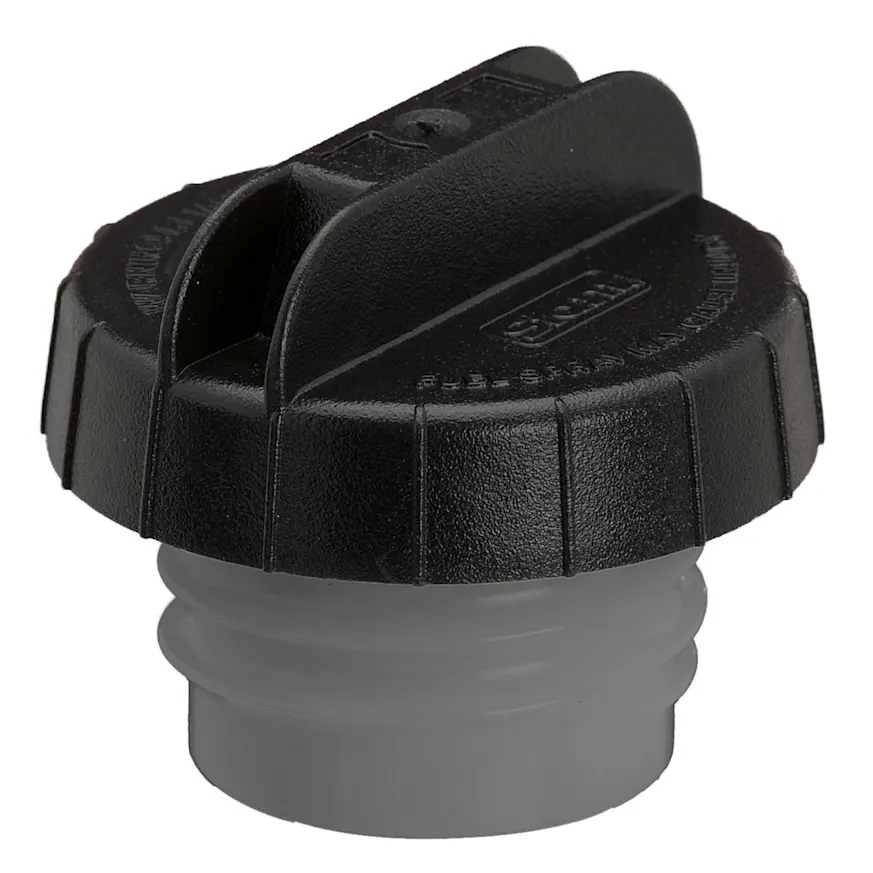
Quick Answer: How Do You Choose the Right Gas Cap?
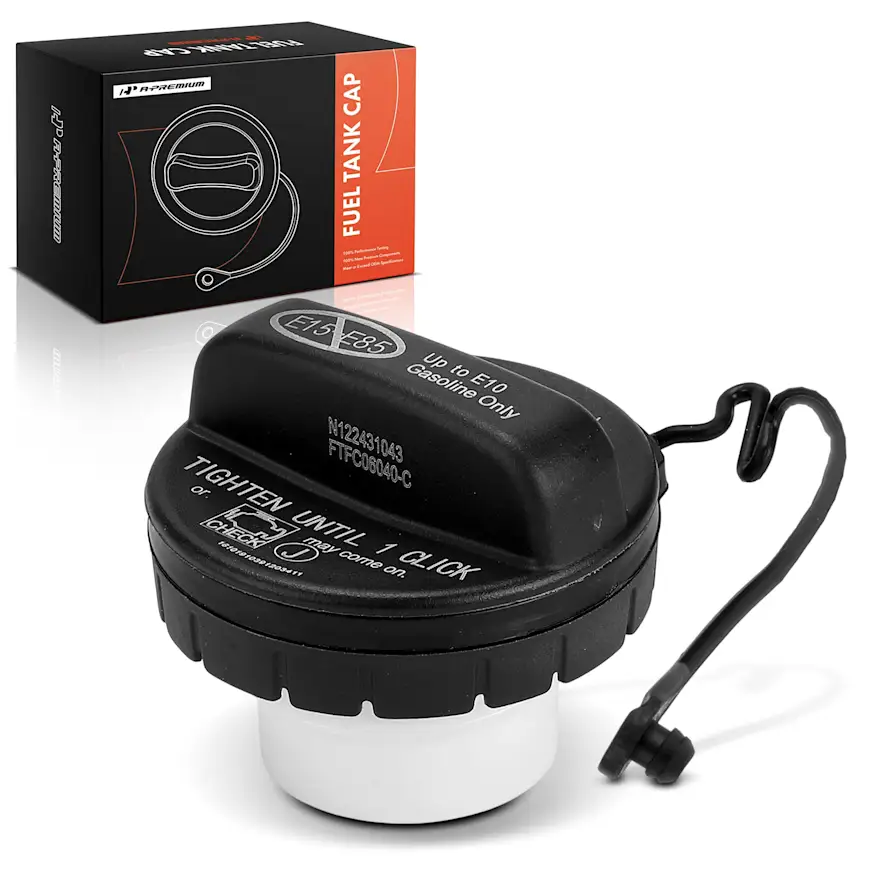
Start by confirming your vehicle’s year, make, model, and engine, because gas caps split by fuel-system design even within the same model. Then confirm the cap type your vehicle needs: screw-on or push-on, vented or non-vented, locking or non-locking, and tethered or untethered. Match the thread or bayonet style and the cap’s sealing design to your vehicle’s existing filler neck, and check that the listing states it meets your vehicle’s evaporative emissions sealing requirements. Compare brands only after fitment and cap type are settled, and confirm whether a key comes included if you’re choosing a locking cap.
Start With the Vehicle, Not the Thumbnail
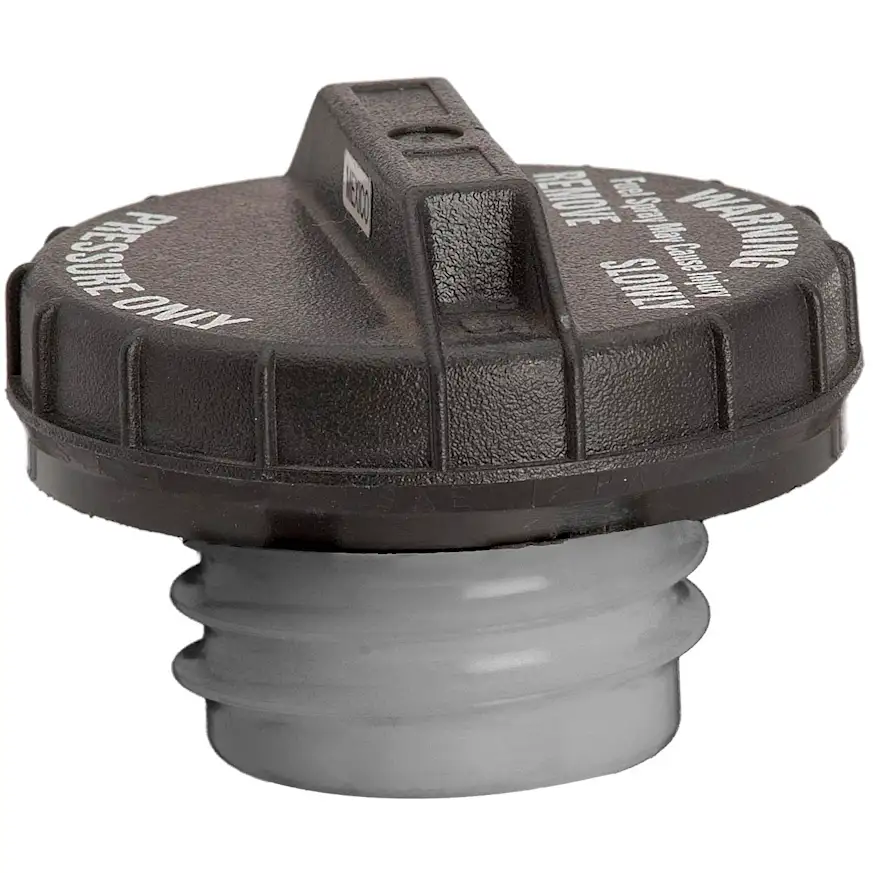
Fitment comes first, because a gas cap that doesn’t seat and seal correctly can trigger a fuel-system warning even when it physically threads on.
A product photo tells you very little here. Two caps can look the same and still differ on thread style, depth, and venting. Confirm these details for your vehicle:
- Year, make, and model
- Engine size (fuel-system design can vary by engine)
- Trim or submodel, since locking caps are sometimes trim-specific
- Whether your vehicle uses a screw-on (threaded) or push-on cap
- Whether your fuel system is sealed/evap-managed, which affects vented vs. non-vented selection
- VIN, if the listing offers VIN-level confirmation
If your vehicle uses a capless fuel system, you don’t need a traditional cap at all, so confirm this before buying anything.
Identify the Version Your Vehicle Actually Needs
Two gas caps can share the same name and still solve different ordering problems. The version you need depends on how your fuel system is designed and what you want from the cap.
Here are the differences that matter most:
Vented vs. Non-Vented
Older or specific systems use a vented cap, while most modern sealed evap systems require a non-vented cap that holds pressure. Installing the wrong one can cause venting issues or a code.
Screw-On vs. Push-On
Threaded ratcheting caps and push/twist caps aren’t interchangeable.
Locking vs. Non-Locking
A locking cap adds theft protection and comes with a key, while a non-locking cap is the simpler standard choice.
Tethered vs. Untethered
Some caps include a strap that keeps the cap attached to the filler door so it can’t be lost or left on the roof.
Standard Replacement vs. OE-Style
Some listings match the original ratcheting feel and seal design more closely than basic universal-style caps.
Pick the version that matches your vehicle’s filler neck and your sealing requirement first. Convenience features like locking and tethering come after that.
Compare the Details That Make the Cap Fit
Use the product image as a starting point, not as the whole match. The cap that fits is the one whose sealing surface, thread style, and depth line up with your vehicle’s fuel filler neck.
Where possible, compare the listing against your old cap:
- Thread or bayonet style (screw-on threads vs. push-on tabs)
- Cap diameter and overall depth
- Sealing gasket/O-ring style and condition area
- Ratchet mechanism (whether the original clicks shut)
- Tether strap presence and length, if your original has one
- Keyway, if you’re replacing a locking cap
A cap that threads on but seats too shallow or seals poorly can still let the system register a leak, so the seal match matters as much as the threads. If your filler neck itself is cracked or corroded, that’s a separate issue from the cap, and a worn filler neck sleeve can keep the seal from holding even with a new cap.
Check What Comes in the Box
A listing can be correct for your vehicle and still be incomplete for what you expected. Fitment and contents are separate things.
Here are things to verify before ordering:
- For a locking cap, confirm a key is included and how many.
- Confirm whether the cap ships with its O-ring/seal in place (most do, but verify).
- Confirm whether a tether or retainer strap is included if you want one.
- Confirm the cap is sold individually rather than as a set, if you only need one.
If your filler neck’s tether anchor or door hardware is also worn, note that these are separate items the cap listing won’t include.
Compare Brands After You Confirm Fitment
Brand matters, but it shouldn’t be the first filter. A familiar brand name on the wrong cap type still won’t seal your system or clear a cap-related code.
In a gas cap category you might see options ranging from value-tier replacements to premium-tier caps that more closely match the original ratcheting and sealing design. Use brand as a confidence filter after you’ve confirmed cap type, thread/push style, venting, and locking preference.
The better question is not “Which gas cap brand is best?” It’s “Which brand offers the correct cap type, seal design, and locking option for my vehicle’s filler neck?” If you don’t see brands you recognize, prioritize the listing whose specifications match your vehicle and original cap.
Choose the Right Ownership Lane
The right gas cap isn’t always the most expensive one. It’s the one that seals correctly and matches how you use your vehicle.
Basic Functional Replacement
Best if you just need a correctly sealing, non-locking cap to replace a lost or worn one. Don’t overpay for locking or tethering features you don’t want. Do confirm vented vs. non-vented so it actually seals.
OE-Style Sealing Replacement
Best if you’ve had an EVAP or check-engine code tied to the cap, or you want the original ratcheting feel and seal performance. The priority here is a precise seal match, not the lowest price. A persistent code after a new cap can also point to the vapor canister or another EVAP component rather than the cap itself.
Locking or Tethered Upgrade
Best if you want theft deterrence or never want to misplace the cap. Confirm a key is included and that the locking version is still the correct vented/non-vented type for your system.

Make the Final Add-to-Cart Check
Before you add the gas cap to cart, make sure the listing matches the vehicle and the way its filler neck is built:
- Vehicle year, make, model, and engine confirmed
- Trim/submodel confirmed if choosing a locking cap
- Screw-on vs. push-on type confirmed
- Vented vs. non-vented confirmed for your fuel system
- Locking vs. non-locking and tethered vs. untethered
- Thread/seal style compared against your original cap
- Key included, if it’s a locking cap
- Quantity confirmed (usually one)
- Product notes and any fitment warnings read
Your Best Starting Point
Start with fitment using the vehicle selector or filters, then narrow by cap type. Confirm whether your system needs vented or non-vented, and whether yours is screw-on or push-on.
Next, compare the listing against your original cap’s thread style, depth, and seal. If a leak persists after replacement, the issue may trace back to the filler neck or fuel tank hardware rather than the cap. Decide whether you want a locking or tethered version, and if so, confirm the key is included.
Use brand as a secondary confidence filter once those details are settled, and add only the cap your vehicle actually calls for.
The best gas cap order isn’t the one that looks close enough or carries a familiar name. It’s the one that matches your vehicle’s filler neck, seals your fuel system, and meets the locking and venting needs your vehicle actually has.
Keep Reading: Related Posts




Any information provided on this Website is for informational purposes only and is not intended to replace consultation with a professional mechanic. The accuracy and timeliness of the information may change from the time of publication.