You might already know that your vehicle needs an ignition module. The harder part is choosing the version that actually matches your ride’s engine, ignition system, and connector, because two listings with the same name can be built for completely different setups.
Ignition modules don’t sort cleanly by appearance. One module might mount to the distributor, another bolts to the engine bay, and a third integrates with a coil pack, yet they can all show up under the same search. The wrong choice usually isn’t a quality problem. It’s a configuration mismatch that doesn’t surface until the part won’t plug in or won’t bolt down.
This isn’t a diagnosis walkthrough or an installation guide. It’s a pre-order confidence check to help you land on the listing that fits your vehicle before you add it to cart.
How Do You Choose the Right Ignition Module?
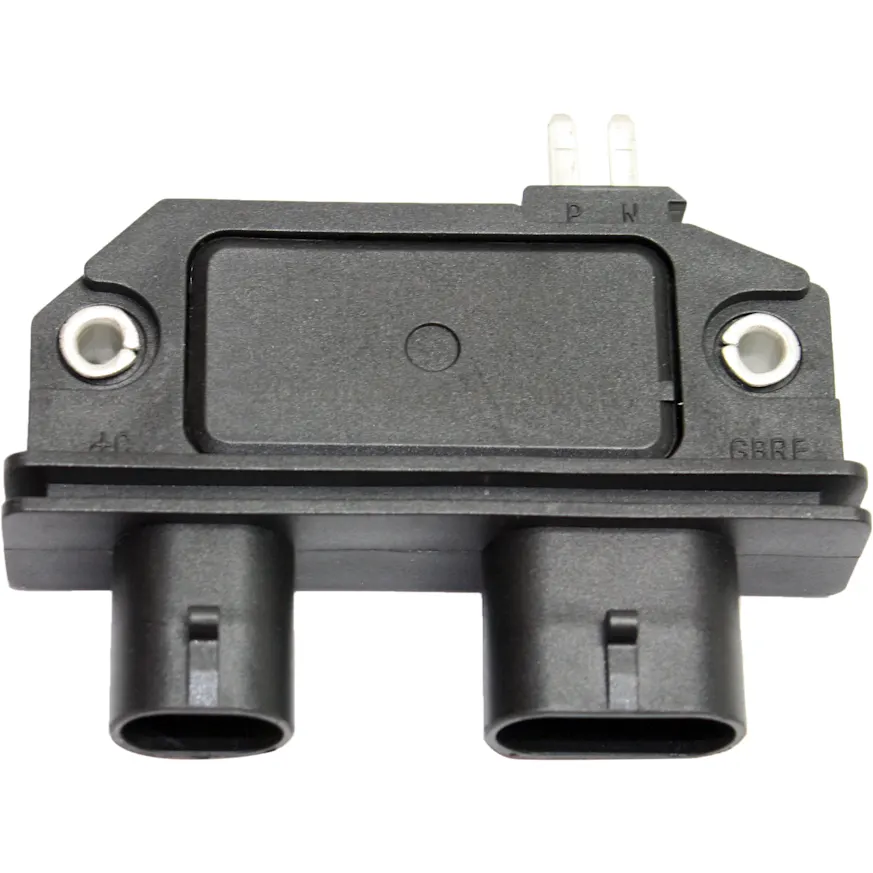
Start by confirming your vehicle’s year, make, model, and engine, since ignition module design changes with the ignition system far more than with the body style. Then check whether the listing matches your setup: distributor-mounted versus remote-mounted, the connector shape and pin count, and whether the module is sold bare or as part of a kit. Compare the connector and mounting pattern against your vehicle’s original module wherever you can, because a familiar shape isn’t the same as a confirmed match. Confirm what’s in the box, then use brand as a final filter once fitment and version are settled.
Start With the Vehicle, Not the Thumbnail
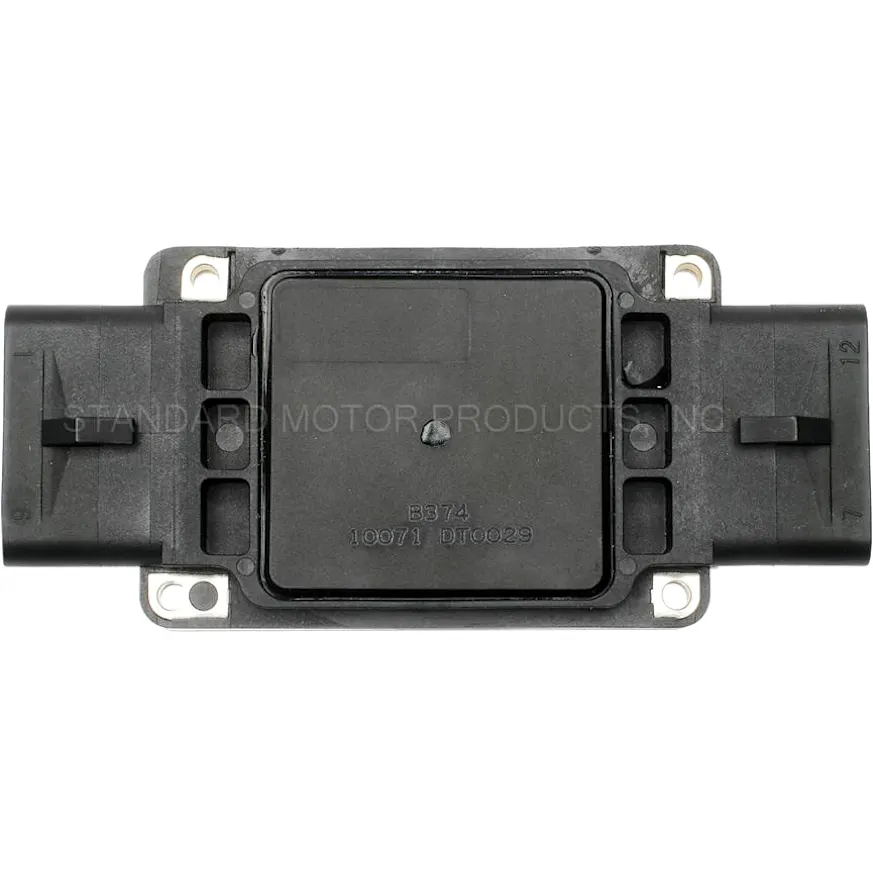
Start with the vehicle, not the product image. Ignition module photos look broadly similar across listings, and a thumbnail won’t tell you whether the connector and mounting match your ride’s engine.
Confirm these details first:
- Year, make, and model: the baseline for any fitment lookup
- Engine size and engine code: ignition module design often splits by engine, not just by model
- Trim or submodel: some applications change module type within the same model year
- Ignition system type: distributor-based, coil-pack, or distributorless setups use different module designs
Engine code matters more here than for other parts. Two vehicles that look identical on paper can run different ignition systems depending on the engine, and this difference decides which module belongs in your ride. If you have the engine code or VIN handy, use it.
Identify the Version Your Repair Actually Needs
Two ignition modules can share the same name and still solve different ordering problems. Before comparing listings, figure out which version your setup calls for.
Here are the differences that usually matter:
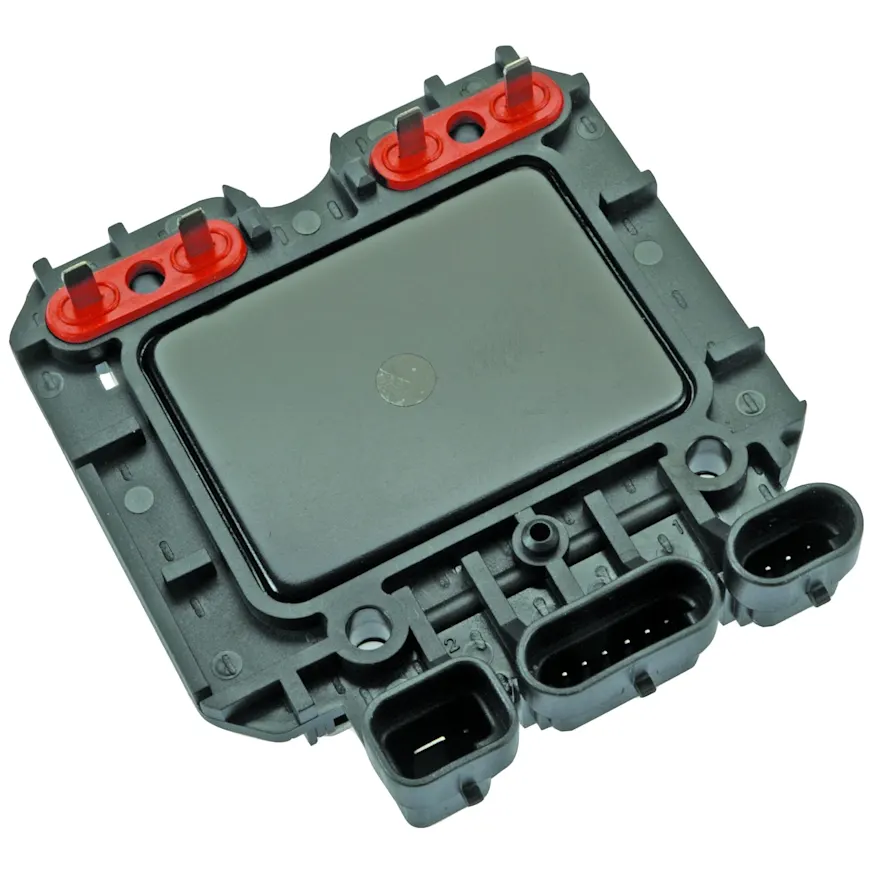
- Mounting style: distributor-mounted modules attach inside or onto the distributor, while remote-mounted modules bolt to the engine bay or a bracket
- Connector configuration: modules vary by plug shape, pin count, and wiring layout
- Bare module versus kit: some listings include the module alone, while others bundle related hardware or thermal grease
- Integrated versus standalone: certain applications combine the module with a pickup coil or other component, while others sell it as a discrete unit
Picking the wrong version is the most common ignition module ordering mistake, because the part name alone doesn’t tell you how it mounts or how it connects.
Compare the Details That Make the Part Fit
Use the product image as a starting point, not as the whole match. The photo helps you recognize the general type, but the details that decide fitment are easier to verify against your vehicle’s original module than from a listing thumbnail.
Compare these where you can:
- Connector shape and pin count: the plug has to match your vehicle’s harness exactly
- Mounting tabs and bolt pattern: the module needs to seat where the old one did
- Overall housing shape and size: especially for distributor-mounted units with limited clearance
- Terminal or blade layout: some modules use spade terminals, others use a sealed connector
If you still have the old module, set it next to the listing details before ordering. Matching the connector and mounting is what separates a correct listing from one that’s merely close.
Check What Comes in the Box
A listing can be correct for your vehicle and still be incomplete for your repair. Fitment and completeness are separate questions, and ignition module listings vary in what they include.
Things that may or may not be included:
- Thermal grease or heat-sink compound: often required for proper installation but not always supplied
- Mounting hardware or screws: some listings include them, while others assume you’ll reuse the originals
- Pickup coil or related components: included in some integrated listings, sold separately in others
- Connector or pigtail: usually not included, since most modules reuse the existing harness plug
If the listing doesn’t include the thermal compound or hardware your installation needs, plan to add it. Reading the box contents before you order saves a second trip back to the listing later.

Compare Brands After You Confirm Fitment
Brand matters, but it shouldn’t be the first filter. A familiar brand name doesn’t make the wrong connector or mounting style correct, so settle fitment and version before you weigh brand at all.
You might see several brands available in this category on CarParts.com. Once the connector, mounting, and version are confirmed, brand becomes a reasonable way to compare your remaining options. Depending on the application, different brands may offer bare modules, kits, or different included components.
The better question isn’t “Which ignition module brand is best?” It’s “Which brand offers the correct ignition module configuration for this engine and ignition system?” If a listing’s brand looks reassuring but the connector doesn’t match your vehicle’s harness, the brand isn’t the deciding factor.
Choose the Right Ownership Lane
The right ignition module isn’t always the cheapest or the priciest one. It’s the one that matches how the vehicle is used and how long you need the repair to hold.
- Basic functional replacement: Best if your vehicle is older, lower-mileage in remaining use, or being prepared for sale. You’ll want a module that fits and works without paying for extras you won’t benefit from. Don’t underbuy on a connector or mounting match just to save a few dollars.
- Standard daily-driver replacement: The middle lane for a vehicle you rely on regularly. Look for a correctly configured module from a brand you’re comfortable with, with the right connector and mounting confirmed. This is where brand preference reasonably comes into play.
- Long-term keeper replacement: Best if you plan to keep your vehicle for years or drive it hard. A module that includes the recommended thermal compound or installs as a more complete unit can be worth it, but only after the fitment is confirmed. Don’t overpay for a kit whose extras you don’t actually need.
Make the Final Add-to-Cart Check
Before you add theignition module to cart, make sure the listing matches your vehicle, its ignition system, and the connector you can verify from the original part.
Run through this quickly:
- Vehicle year, make, model, and engine confirmed
- Engine code or ignition system type verified
- Mounting style confirmed: distributor-mounted versus remote-mounted
- Connector shape and pin count matched against the original
- Mounting tabs and bolt pattern confirmed
- Box contents checked for thermal grease and hardware
- Quantity confirmed
- Brand chosen only after fitment and version are settled
- Product notes and any application warnings read
Your Best Starting Point
Start with fitment. Enter your vehicle’s year, make, model, and engine, and let the connector and mounting style narrow the field from there.
Then work through it in order. Confirm the version your ride’s ignition system actually uses, check what’s included in the box, and compare the connector and mounting against your original module wherever possible. A correctly matched module works alongside the rest of the system, including theignition coil and thespark plugs it ultimately helps fire. Use brand as a final confidence filter once everything else lines up, and add only the hardware or compound your installation genuinely needs.
The best ignition module order isn’t the one that looks close enough or carries a familiar brand name. It’s the one that matches the engine, ignition system, connector, and details needed to finish the job. When you’re ready to compare verified fitment options, start your search atCarParts.com.
Keep Reading: Related Posts





Any information provided on this Website is for informational purposes only and is not intended to replace consultation with a professional mechanic. The accuracy and timeliness of the information may change from the time of publication.