You might already know you need a serpentine belt. The harder part is choosing the version that actually matches your vehicles’ engine, accessory layout, and belt routing.
Serpentine belt listings can look nearly identical in a thumbnail. The difference between the right belt and the wrong one usually comes down to rib count, length, and width measured to the fraction of an inch, plus whether your vehicle uses one belt or two. A belt that’s a few ribs off or a couple inches too long won’t tension correctly, and you won’t know until it’s already on your vehicle.
This isn’t a repair walkthrough. It’s a pre-order confidence check, so that the belt you add to cart is the one that fits your vehicle’s specific engine and accessory drive the first time.
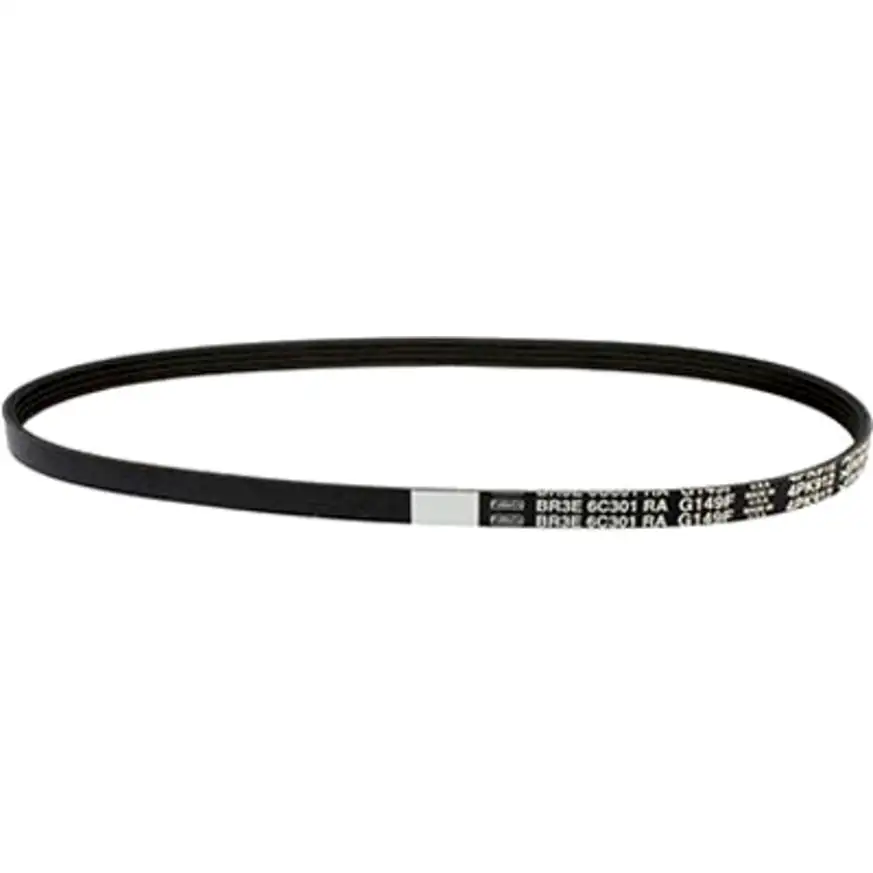
How Do You Choose the Right Serpentine Belt?
Start by confirming your vehicle’s year, make, model, and engine size, since serpentine belts split heavily by engine and accessory configuration rather than by model alone. Then match the belt’s rib count, overall length, and width to your application, and confirm whether your ride’s engine uses a single serpentine belt or a separate belt for accessories like air conditioning or power steering. Compare these numbers against your vehicle’s old belt where possible, since the part number is often printed on the back. After fitment and dimensions are settled, compare available brands and confirm whether the listing is a single belt or a multi-belt set before adding it to cart.
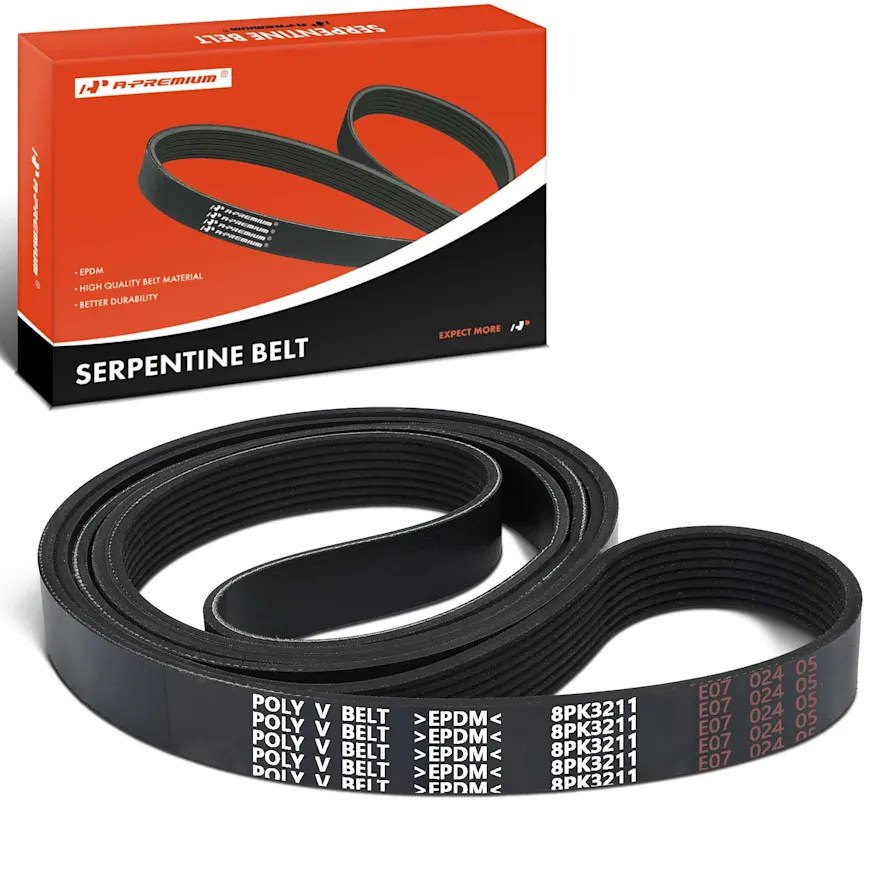
Start With the Vehicle, Not the Belt Image
Start with your vehicle, not the thumbnail. Two belts can look the same length on screen and still differ by several ribs or a few inches once you measure them.
Serpentine belts are highly fitment-sensitive, and the engine often matters more than the model. Confirm these details before you filter listings:
- Year, make, and model: The baseline, but rarely enough on its own for belts.
- Engine size and engine code: A 2.4L and a 3.5L version of the same model frequently use different belts. The engine is usually the deciding factor.
- Accessory configuration: Whether the vehicle has A/C, power steering, or other belt-driven accessories changes the routing and the belt length.
- Single belt vs. multiple belts: Some engines run one main serpentine belt, while others use a primary belt plus a separate A/C or accessory belt. Know which applies before you order.
- Tensioner type, where relevant: Some applications split between automatic and manual tensioner setups, which can affect belt length.
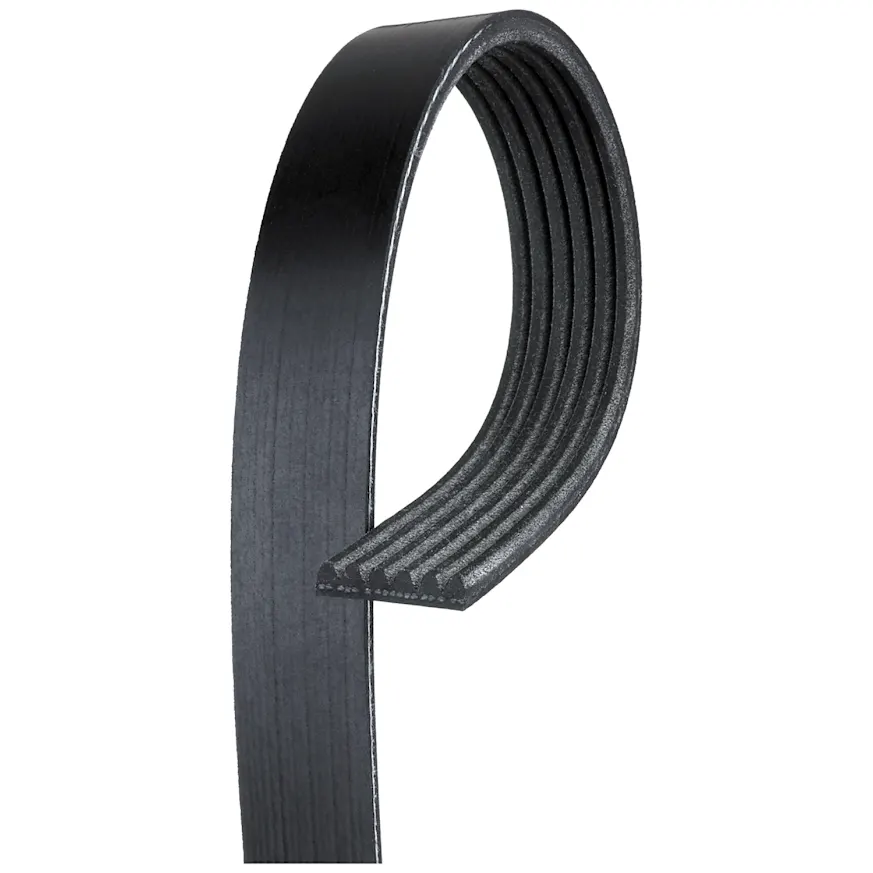
Identify the Version Your Repair Actually Needs
Two serpentine belts can share the same name and still solve different ordering problems. The label “serpentine belt” covers several listing types, and choosing the wrong one is a common way for orders to go sideways.
- Single belt vs. belt set: Some listings sell one belt, while others bundle a primary belt with a secondary accessory belt. If your vehicle’s engine uses two belts, a single-belt listing will leave you short.
- Rib count differences: Belts are commonly sold in configurations like 4-rib, 5-rib, 6-rib, 7-rib, and 8-rib. The rib count must match your vehicle’s pulleys exactly.
- Length differences: Even with a matching rib count, belts come in many specific lengths. A belt that’s slightly too long or too short won’t tension properly.
- Belt-only vs. belt with tensioner or kit: Some listings are the belt alone, while others are kits that include a belt tensioner or idler pulley. Decide whether you want just the belt or a fuller refresh.
- Stretch-fit vs. conventional: A few applications use stretch-fit belts with no tensioner. These aren’t interchangeable with conventional tensioned belts.
Compare the Details That Make the Belt Fit
Use the product image as a starting point, not as the whole match. A belt photo tells you almost nothing about whether it fits, because the dimensions are what matter.
Check the listing specifications against your application and your vehicle’s old belt:
- Number of ribs: Count the grooves on your ride’s original belt and match exactly.
- Effective length: Listed in inches or millimeters. This is the single most important number after rib count.
- Belt width: Tied to rib count, but worth confirming on the listing.
- Belt type: Confirm it’s a multi-rib serpentine (often marked with a “K” designation) and not a V-belt or stretch-fit unless that’s what your vehicle uses.
- Printed part number on the old belt: Many belts have the manufacturer’s number molded into the back surface. If yours is still legible, it’s the fastest cross-check available.
This is about comparing numbers before you order, not about installation.

Check What Comes in the Box
A listing can be correct for your vehicle and still be incomplete for your repair. Fitment and contents are separate questions.
Before ordering, confirm the following:
- Single belt or set: If your engine uses two belts, make sure the listing covers both, or plan to order the second separately.
- Belt only vs. kit: Some listings include a tensioner, idler pulley, or both. If you’re replacing a worn belt because the tensioner is failing, a belt-only listing won’t solve the underlying problem.
- Hardware and instructions: Most belts ship as the belt alone with no hardware. Don’t assume a tensioner or pulley is included unless the listing says so.
If the listing is belt-only and you also need a tensioner, you can add this separately rather than assuming it comes in the box. If you’re not sure whether yours needs attention, the symptoms of a worn tensioner are worth reviewing first.
Compare Brands After You Confirm Fitment
Brand matters, but it should not be the first filter. A Gates, Continental, ACDelco, Bosch, or Dayco serpentine belt still has to match your vehicle’s engine, rib count, and length before it belongs in the cart. A familiar name on the wrong-size belt is still the wrong belt.
Use brand as a confidence filter once fitment is settled. Depending on the application, you may see several brands available for the same engine, and some may offer belt-only listings while others bundle accessory belt tensioner kits.
The better question isn’t “Which serpentine belt brand is best?” It’s “Which brand offers the correct rib count, length, and configuration for my engine?”
Choose the Right Ownership Lane
The right serpentine belt isn’t always the most expensive one. It’s the one that matches how long you need the repair to hold and what else on the belt drive needs attention.
- Basic belt replacement: For a belt that’s simply worn or cracked while the tensioner and pulleys are still good. A correctly sized belt-only listing is usually all you need. Don’t overpay for a kit you won’t use.
- Belt and tensioner refresh: For higher-mileage engines, or when the tensioner is weak, noisy, or original. A belt-plus-tensioner kit addresses the belt and the component that controls its tension in one order. Worth it when the tensioner is suspect, unnecessary when it’s still good.
- Complete drive refresh: For high-mileage vehicles or anyone planning to keep their vehicle long-term, where idler pulleys and tensioner are all aging together. If you start hearing squealing or chattering noises, a failing pulley may be the cause. Replacing everything driven by the belt at once avoids a repeat job. Only worth it if those components are actually worn.
Make the Final Add-to-Cart Check
Before you add the serpentine belt to cart, make sure the listing matches the vehicle, the engine, the dimensions, and the details you can verify from the original belt.
- Vehicle year, make, and model confirmed
- Engine size and engine code confirmed
- Rib count matched to your old belt or pulleys
- Belt length confirmed against the listing spec
- Single belt vs. set confirmed for your accessory layout
- Belt-only vs. kit confirmed
- Old belt part number cross-checked where legible
- Quantity confirmed
- Brand chosen after fitment and dimensions
- Product notes and fitment notes read
Your Best Starting Point
Start with fitment. Use the vehicle selector or filters to narrow listings to your vehicle’s exact year, make, model, and engine before anything else. If you’re not certain where the belt sits or what it drives, this overview of where the serpentine belt is located gives helpful context.
Narrow by version next. Confirm rib count and length, then decide whether you need a single belt, a belt set, or a belt-and-tensioner kit.
Confirm what’s included, compare the numbers against your ride’s original belt where you can, and use brand only as a secondary filter once the fit is settled.
The best serpentine belt order isn’t the one that looks close enough or carries a familiar brand name. It’s the one that matches your ride’s engine, its accessory layout, and the dimensions you can verify before the belt ever goes on your vehicle. When you’re ready to compare verified options, CarParts.com makes it easy to filter by fitment first.
Keep Reading: Related Posts


Any information provided on this Website is for informational purposes only and is not intended to replace consultation with a professional mechanic. The accuracy and timeliness of the information may change from the time of publication.