A grab handle fails in one of two ways, and each one points you somewhere different. It either sags and won’t spring back, or it snaps off its mount. Figuring out which happened is the whole game. A worn replacement grab handle fixes the first, while a cracked mount usually needs the second.
How to Fix a Car Grab Handle That Sags
A handle that droops instead of snapping back has a worn damper or spring. Overhead assist grips use a tiny sealed cylinder and torsion spring at each hinge. That combo controls smooth return. Once the spring quits, the handle loses tension and just hangs there.
Start by popping off the two end caps that hide the screws or clips. Reach for a plastic trim tool, not a screwdriver. Look for a small cylinder or coiled spring at each pivot. If the spring only slipped loose, you can often reseat it and reinstall the same handle.
When the sealed damper itself has failed, reseating does nothing. That’s your cue to swap in a new part. Pry gently the whole time, since a narrow blade chews up the cap fast. A wider flathead wrapped in tape spreads the load and saves the finish.
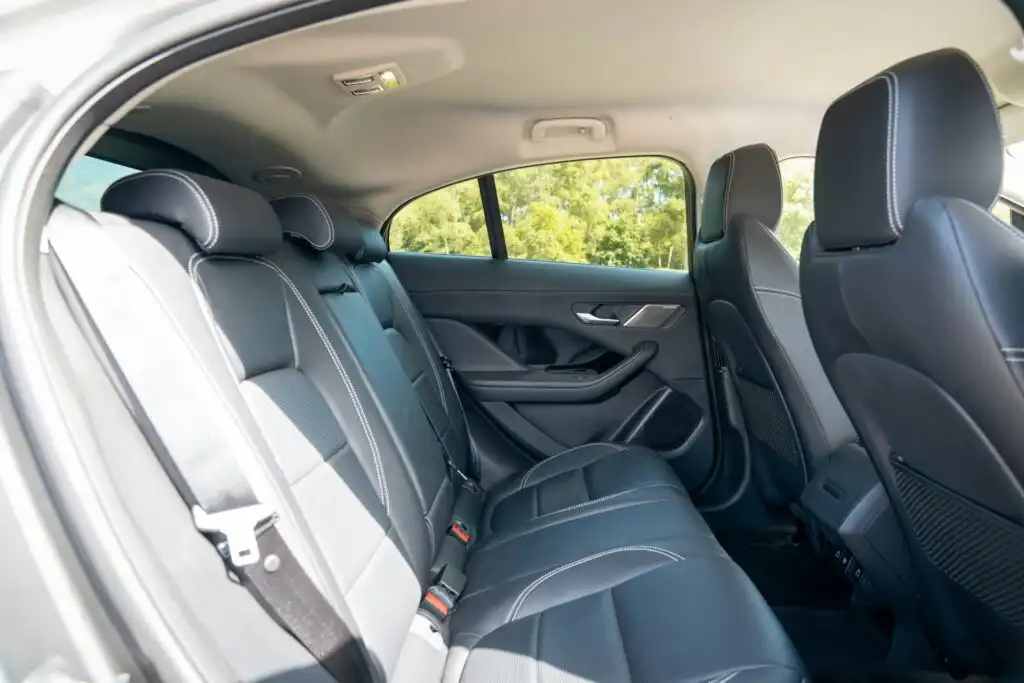
Is Your Grab Handle Still Under Warranty?
Check your warranty before you spend a dime, because this is the step people skip most. Saggy and snapped assist grips show up on plenty of late-model cars. Dealers often replace them free under the bumper-to-bumper term. That makes a quick dealer visit worth a phone call first.
Bumper-to-bumper coverage usually runs three years or 36,000 miles. Many drivers have had this exact fix done in under an hour at no charge. If you’re inside that window, let the warranty cover it. Terms vary by brand, so confirm your dates before you assume anything.
Should You Glue It or Replace It?
When a mounting tab or cover cracks instead of the spring failing, you get a choice. A two-part epoxy can hold a cracked cover or broken tab for years. It’s the cheapest route and asks for almost no tools. The trick is knowing when glue is enough and when it isn’t.
Reach for the epoxy repair in these cases:
- The crack sits on a cover or a tab that doesn’t bear weight.
- You want a fast, low-cost fix and the spring still works.
- The handle mounts feel solid apart from the crack.
Go with a full replacement when the damage runs deeper:
- The internal spring or damper has given out.
- The mounting posts that carry your weight have snapped.
- You want the factory feel and smooth return back.
Remember that people yank hard on a grab handle every day. If the broken piece carries load, glue is only a stopgap. To help an epoxy bond hold, scuff both surfaces first. Add a small backing patch of matching plastic, then apply the adhesive sparingly and wipe the excess.

How to Find the Right Replacement Part
Interior handles rank among the friendlier interior fixes, and it mostly comes down to the part number. Aftermarket assist grips give you an affordable, well-made way back to a working handle. Many share a design across several models from the same automaker. That’s why the same handle can show up under different vehicle listings.
Read the Part Number and Color
Pull the handle and check the back for a molded part number stamped into the plastic. Then note your interior color, since suffix codes usually flag the shade. A beige version and a gray one often share a base number. Cross-reference that number to confirm fitment for your year, make, and model.
Match the Failed Piece, Not the Whole Assembly
If only the clip broke, hunt for the clip alone before buying the full unit. Owners often report a dealer pushing the entire assembly instead. A single interior door handle clip can cost a dollar or two. A related interior door handle shares mounting hardware across trims too, so isolate what failed first.
One lookup tool returning a different component doesn’t mean the number’s wrong. Verify against fitment data instead of a single search box. A step-by-step door handle replacement guide walks through the same removal logic in more depth.
What Does a Grab Handle Fix Cost?
A do-it-yourself swap is affordable once you’ve got the part in hand. Shop labor is what moves the number. Interior door handle work runs roughly $80 to $200. Exterior handles land closer to $150 to $500, with labor and part choice driving the spread.
Doing the job yourself erases the labor line completely. Since interior handles are beginner-friendly, you often pay only for the part and a trim tool. Prefer to hand it off? You can bring your own part to a shop and trim the total.
Buying Online for the Best Deal
Shopping online is where the savings really add up. Aftermarket assist grips and door handles match factory durability while costing far less. Budget-friendly Replacement brand grab handles hold your weight just like the original. You skip the dealer markup and still get a solid, warrantied part.
Before you check out, confirm the listing fits your exact year, make, and model. Match the color to your existing trim so it blends in. Note whether you’re buying the full assembly, the handle only, or just the clip. Check the warranty on the replacement part too.
Universal-fit and brand-name replacement parts both carry warranties and meet the same safety standards. That makes them a smart value for a part you touch every day. If the handle still works but sticks or squeaks, you may only need the right hinge lubricant. Confirm the failure before you spend on a new one.
Fixing a grab handle comes down to matching the repair to the failure and ordering the exact part. CarParts.com grab handles make that easy with a vehicle selector that filters to guaranteed-fit parts. You also get everyday low prices and free 30-day returns if something isn’t right. Enter your year, make, and model, confirm the color, and get the handle back where it belongs.
Keep Reading: Related Posts




Any information provided on this Website is for informational purposes only and is not intended to replace consultation with a professional mechanic. The accuracy and timeliness of the information may change from the time of publication.