Few parts get ordered the wrong way more often than an automatic transmission solenoid. The listing looks right, the shape looks right, and the price looks reasonable, but the connector has the wrong pin count, the bore is a half-inch off, or the buyer ordered a single shift solenoid when the real failure lives in the internal harness behind it.
That’s why this purchase shouldn’t start with “What’s cheapest?” or “What looks like the one on YouTube?” It should start with one question: What exactly needs to go in the cart so this job finishes in one pan-drop?
Automatic transmissions are unforgiving for incomplete orders. Once the pan is off and the ATF is on the floor, the wrong solenoid, a missing filter, the wrong fluid spec, or a forgotten gasket turns a half-day job into a stalled vehicle and a second shipping wait. The goal here is walking in with a cart that closes the repair on the first attempt.
The Job in One Sentence
An automatic transmission solenoid job is really a valve-body service that happens to include a solenoid.
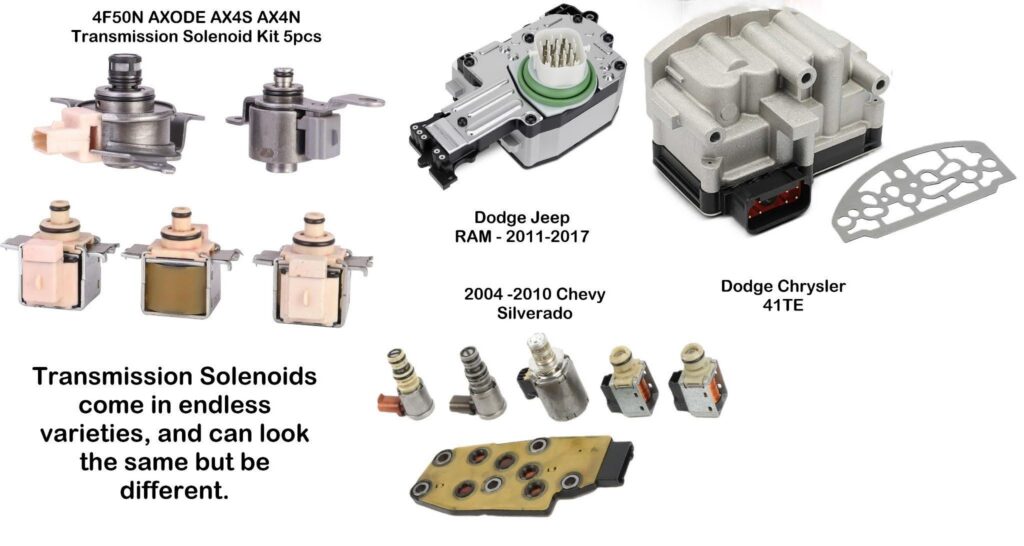
That said, access varies widely by transmission. Many transmissions use either solenoid bodies or multiple individual solenoids, including pressure control solenoids. Some solenoids can be replaced without dropping the pan; others require removal of the valve body, which is beyond what most DIYers are equipped to handle. On Chrysler 41TE applications, the solenoid/pressure switch assembly is mounted externally to the transaxle case and can be serviced without dropping the pan or raising the vehicle on a lift.
On some Honda Odyssey automatic transmissions, externally mounted clutch pressure-control solenoids can be serviced without removing the transmission oil pan.
Some applications also require a transmission adaptive reset, quick-learn procedure, or programming after the solenoid pack is replaced.
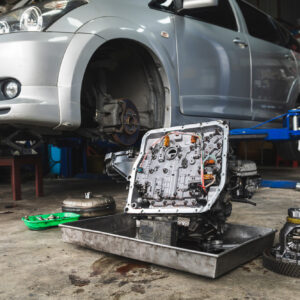
The solenoid itself is an electro-hydraulic valve. It directs pressurized ATF to a clutch pack, a band servo, or the torque converter lock-up circuit when the transmission control module tells it to. When a solenoid fails or starts leaking internally, shifts get sloppy, lock-up gets erratic, or a fault code sets. But because the pan has to come off, or the valve body has to come out, to reach many solenoids, the smart order pairs the solenoid with the rest of the wear and consumables that live in that same access zone.
Solenoids are sold as individual units, as complete solenoid packs or kits covering all shift and TCC functions, and inside full valve body assemblies. The right form depends on the failure, the transmission’s mileage, and how much teardown the shopper wants to do twice.
Choose Your Cart Size
Minimum Viable Repair
For a clean code, a single confirmed failure, and a transmission that otherwise shifts well.
Choose it if:
- The scan tool points to one specific solenoid circuit
- ATF is clean, the right color, and not burned
- The transmission has reasonable mileage and a known service history
- Your vehicle is a short-term keeper
Typical cart:
- The specific failed solenoid (shift, TCC, EPC, or pressure control)
- Pan gasket or reusable pan gasket replacement
- Correct-spec ATF for a refill after pan removal
- New pan bolts or sealing washers if the application requires them
Smart Same-Access Refresh
For shoppers who don’t want to drop the pan twice in the same year.
Choose it if:
- The pan is already coming off
- Multiple shift codes have appeared over time
- The ATF is darker than it should be
- The original filter and gasket are still in place
Typical cart:
- A full shift solenoid kit covering A, B, C, and TCC where applicable
- New transmission filter
- New pan gasket (or RTV if the application uses it)
- Full ATF refill of the correct specification
- Replacement pan magnets if the originals are weak or coated
High-Mileage Do-It-Once Reset
For higher-mileage transmissions where the failure cluster is more than just one valve.
Choose it if:
- Mileage is over 150,000 and the service history is unknown
- Internal harness or lead frame faults are known on this transmission family
- The pressure control solenoid is involved
- The vehicle is a long-term keeper
Typical cart:
- Complete solenoid pack or remanufactured valve body
- Internal wire harness or lead frame where applicable
- Transmission filter and pan gasket
- Pressure switch or range sensor if known to fail
- Full ATF refill in the correct fluid spec
- New pan bolts and external case connector seal if accessible
What Is Commonly Ordered Together on This Job
Sealing items. The pan gasket goes on every job where the pan comes off. Some applications use a reusable rubber-cored gasket, others use a paper gasket, and some require RTV sealant with no gasket at all. Drain plug washers, where present, should be replaced. Solenoid O-rings come on the part itself but should be inspected for damage before installation.
Fluids and consumables. ATF specification is the single most expensive thing to get wrong. Dexron VI, Mercon LV, ATF+4, WS, ULV, CVT fluid, and DCT fluid aren’t interchangeable. The job needs enough fluid to refill what the pan holds, plus a margin for the new filter and any pressure-test top-offs. Threadlocker is occasionally called for on valve body bolts.
Internal electrical items. Many “solenoid” failures are actually internal harness or lead frame failures, with the solenoid working fine. The internal harness routes signal from the case connector to each solenoid, and when its insulation degrades in hot ATF, the codes mimic a solenoid fault. For many applications, the harness is sold separately and is worth replacing alongside any solenoid swap.
Wear items in the same access zone. The transmission filter sits directly above the transmission pan and is almost always replaced when the pan is open. Pan magnets pick up clutch material and should be cleaned or swapped. The pressure switch assembly, range sensor, and input or output speed sensors sometimes mount in or near the valve body and become reasonable add-ons if they show wear or have related codes.
Full assembly vs. bare component. A bare solenoid is the smallest order. A solenoid pack or kit covers all shift and TCC solenoids together. A remanufactured valve body comes with new solenoids already calibrated and installed. The right choice depends on how many circuits are suspect and how confident you are in your teardown.
What People Forget Until the Vehicle Is Already Apart
The pan is off, the ATF is in the drain pan, and now is when the missing items show up. Don’t forget the following:
- Verifying the exact ATF specification before any fluid hits the case.
- Ordering enough fluid for a full pan refill plus filter saturation.
- Replacing the internal wire harness or lead frame when the listing only covered the solenoid.
- Checking whether the new pan gasket replaces RTV or works alongside it.
- Confirming the connector pin count, color tab, and locking style.
- Resetting or relearning adaptive shift values after installation.
- Inspecting pan magnets for excessive clutch debris before reinstalling.
- Checking whether the application uses a reusable pan gasket that the previous owner already replaced once.
- Verifying the solenoid retainer clip or bracket is correct for this case casting.

When Replacing Only the Automatic Transmission Solenoid Is False Economy
A single-solenoid swap is the right call when the diagnosis is clean, the fluid is healthy, and the failure is isolated to one circuit. Not every transmission needs a full valve body to fix one bad shift code.
The minimalist cart starts to break down when the pan has already been off for years and the ATF is dark. Pulling the pan, reusing an old filter, and dropping in one fresh solenoid leaves the rest of the system on borrowed time. The labor cost of a second pan-drop a few weeks later makes the savings on adjacent parts look small in hindsight.
The other false-economy scenario is the lead frame or internal harness issue. For transmission families where the harness is a known weak point, swapping only the solenoid often results in the same code returning within days. While the valve body is exposed, the harness, gasket, filter, and fluid become rational additions because the labor is already paid for in time.
The honest version of this advice: cart size should match diagnostic confidence and ownership horizon. A short-term keeper with a clean single code gets the small cart. A high-mileage daily driver gets the bigger one.
The Fitment Splits That Break Automatic Transmission Solenoid Orders
Transmission Family and Model
This is the first split, and it’s the one most likely to derail an order. A 4L60E solenoid won’t work in a 4L80E. A 6L80 isn’t interchangeable with a 6L90. Transmissions in the same family can also have major valve body revisions across generations. Confirm the exact transmission code from the tag, not just the vehicle year and engine.
Production-Date and VIN Splits
Many transmissions had mid-cycle valve body updates, solenoid revisions, or connector changes. Two trucks with the same model year, same engine, and same transmission family can take different solenoids depending on build date. When in doubt, decode the VIN and the transmission tag together.
Solenoid Function
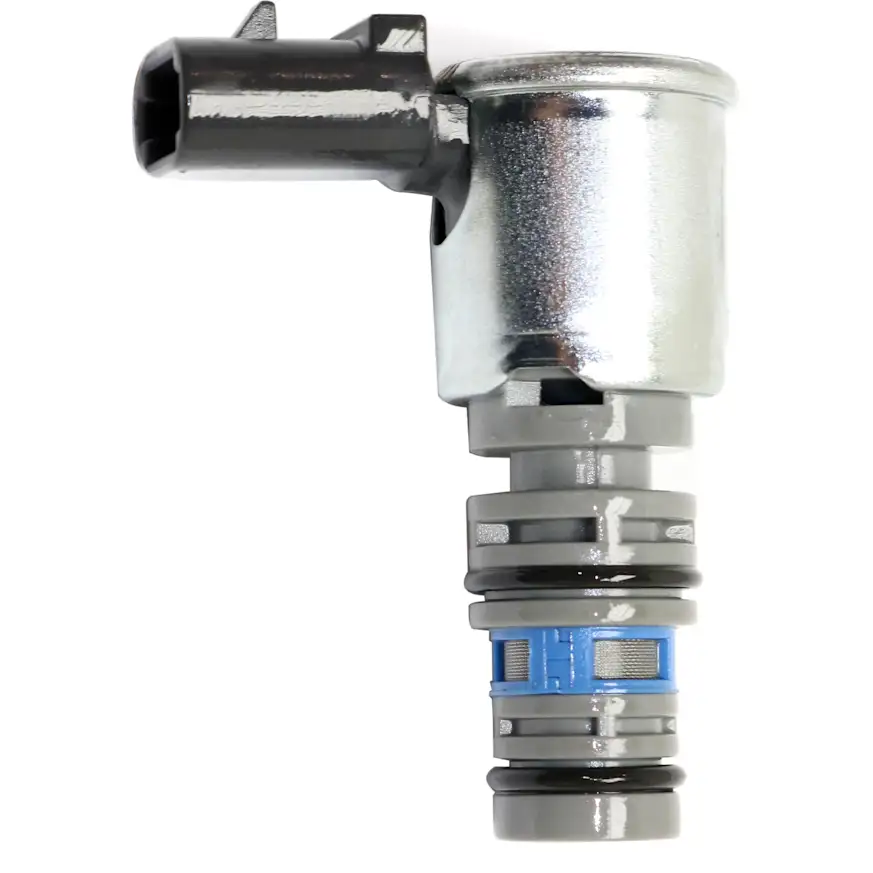
Shift solenoid A, shift solenoid B, TCC (torque converter clutch) solenoid, EPC (electronic pressure control) solenoid, and line pressure solenoid all serve different circuits. They sometimes look similar but aren’t interchangeable. The diagnostic code points to a specific solenoid identifier that has to match the cart.
Connector Pin Count and Style
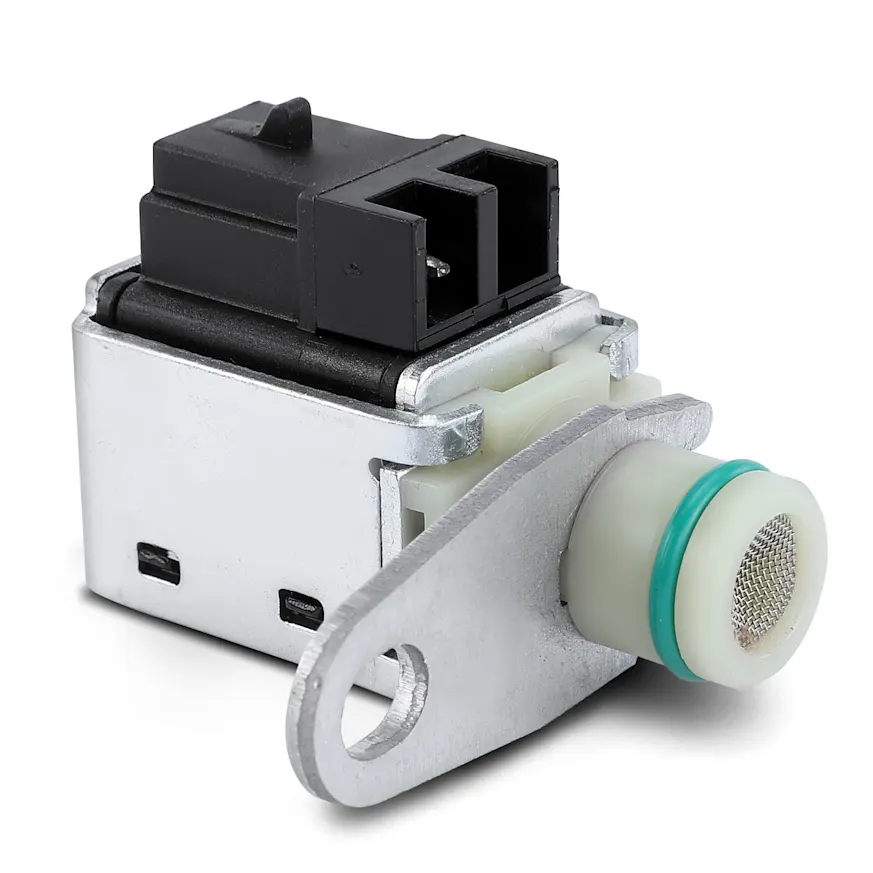
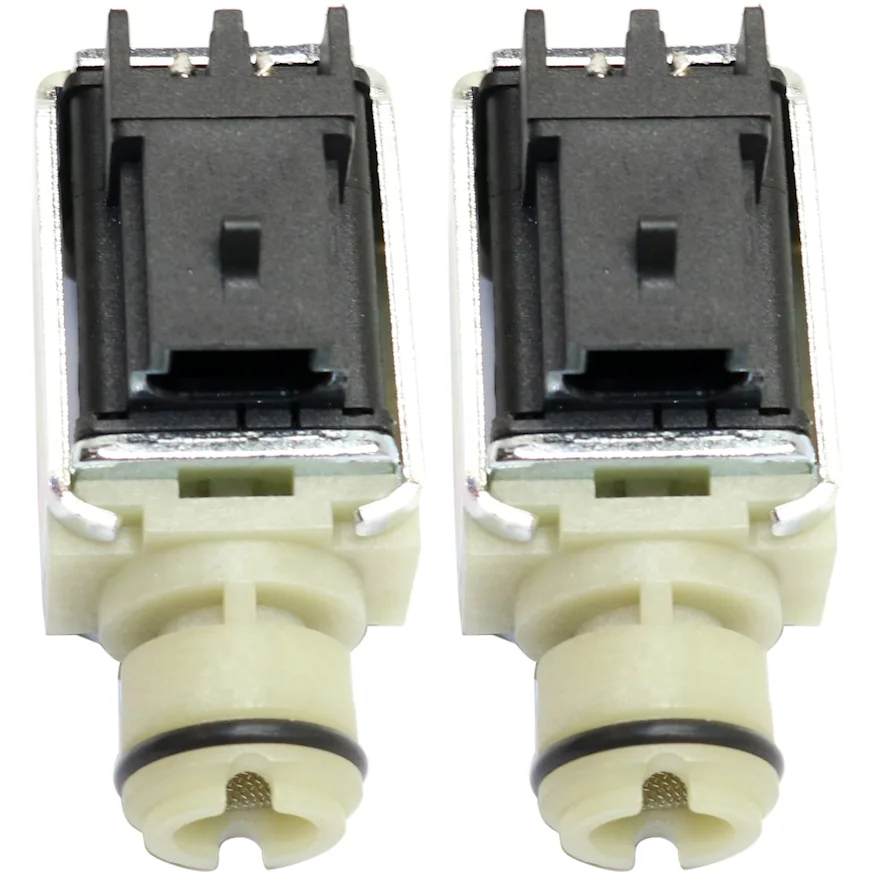
Two-pin and three-pin connectors are the most common splits, with locking tab orientation and color often differing across the same transmission generation. A solenoid with the wrong connector won’t seat to the internal harness even if everything else fits.
Bore Diameter and Body Length
The solenoid has to drop into the valve body bore with the correct depth and seal landing. Aftermarket replacements occasionally have a slightly different body that requires a matching valve body version, especially across production-date splits.
Resistance Value
Low-impedance and high-impedance solenoids exist for different control strategies. Substituting one for the other can set codes or stress the control circuit. The PCM expects a specific resistance range from each solenoid identifier.
Individual Solenoid vs. Solenoid Pack vs. Valve Body
A single shift solenoid, a full solenoid kit, and a complete valve body assembly are sold as separate listings with very different prices and scopes. Shoppers ordering “the solenoid” sometimes end up with a single unit when they meant the full pack, or the full pack when one bare solenoid would’ve sufficed.
Internal Harness Integration
Some applications integrate the solenoid pack with the internal harness or the TEHCM (transmission electro-hydraulic control module). For those, ordering a bare solenoid means reusing the existing harness, and ordering an integrated assembly means the harness ships with the part. Knowing which version the application uses matters before checkout.
Delivery-Day Inspection Checklist
Before any teardown starts, lay the new part next to the old and confirm the following:
- Connector pin count and locking tab orientation match the original
- Solenoid color or identification stripe matches if the application uses color coding
- Bore diameter, body length, and tip geometry match the original
- O-rings are present, intact, and seated in the correct grooves
- Mounting bracket, clip, or retainer matches the case casting
- Resistance reads within spec when bench-checked with a multimeter
- Transmission filter is included in the order if a refresh job is planned
- Pan gasket type matches what the application uses
- ATF on hand is the correct specification and sufficient quantity
- Packaging shows no shipping damage or signs of a returned unit
Your One-Job Order Sheet for an Automatic Transmission Solenoid
- Confirm the vehicle and the transmission. Year, make, model, engine, drivetrain, and the exact transmission code from the tag. Decode the VIN if the build straddles a known production-date split.
- Confirm the repair scope. One specific transmission solenoid, a full shift kit, or a complete valve body. The diagnostic code, fluid condition, and mileage should drive this, not the price.
- Confirm what the listing includes. Bare solenoid only, solenoid with O-rings, full kit with harness, or remanufactured valve body. Read what ships in the box.
- Add the consumables and adjacent items. Correct-spec ATF in the right quantity, transmission filter, pan gasket or RTV, drain plug washer, and any pan bolts the application calls out.
- Plan for the internal harness. For transmission families with known harness or lead frame issues, order the harness with the solenoid. Don’t reopen the pan in three months.
- Bench-check the old part logic. Before installation, compare connector, bore, resistance, and O-ring positions against the original. Catch the mismatch on the bench, not in the case.
- Choose the right ownership logic. Short-term keeper, daily driver, or long-haul vehicle. The cart should match how long this transmission needs to last.
The Smart Way To Shop Automatic Transmission Solenoids
The cheapest-looking order is rarely the correct order. A single solenoid that ships fast and clears the immediate code can still leave a tired filter, contaminated fluid, and an aging internal harness inside a transmission that’s already had its pan off once.
The correct order matches diagnostic confidence with ownership goals. A clean code with a clean fluid history earns the minimum cart. A dark-fluid, multi-code, high-mileage transmission earns the full refresh. Either way, the goal is finishing the job in one pan-drop and one fluid fill.
Cart logic for transmission solenoids depends on the transmission code, the production date, the specific solenoid function, and the condition of everything else in the valve body. Build the cart for the job, not the thumbnail.
Keep Reading: Related Posts







Any information provided on this Website is for informational purposes only and is not intended to replace consultation with a professional mechanic. The accuracy and timeliness of the information may change from the time of publication.