A third brake light looks like one of the simplest parts on a vehicle, which is exactly why so many shoppers order the wrong one. The housing is small, the function is obvious, and the listings all look close enough at thumbnail size. Then the box arrives with the wrong lens color, the wrong mounting style, or a connector that does not match the harness in the headliner.
The fix is not to chase the cheapest listing or the brightest LED upgrade. The first question is simpler. What exactly needs to go in the cart so this repair finishes in one day?
Third brake lights can be tricky to order because the same line often uses three or four different versions across model years, body styles, and trim packages. A 2003 pickup with a cargo lamp does not take the same unit as the same truck without one. A van with barn doors uses a different assembly than the same van with a liftgate. Lens color, LED versus incandescent, gasket condition, and mounting hardware all matter, and most of them are easy to miss until the old light is already off the vehicle.
The Job in One Sentence
The job is to restore a working, weather-sealed, DOT-compliant center stop lamp using an assembly that matches the original housing, lens, and electrical connection.
That single sentence covers more than it looks. The third brake light is rarely sold as just a bulb or a lens. Most replacements ship as a complete housing assembly with the lens, internal LEDs or bulb sockets, and a pigtail or plug already integrated. Some include a gasket. Some do not. Knowing which version the vehicle originally used is what separates a clean install from a return shipment.

Pro Tips are nuggets of information direct from ASE-certified automobile technicians working with CarParts.com, which may include unique, personal insights based on their years of experience working in the automotive industry. These can help you make more informed decisions about your car.
Pro Tip: Incandescent, non-LED lights get hot and can damage the sockets, so check those sockets if they do not come with the new light.
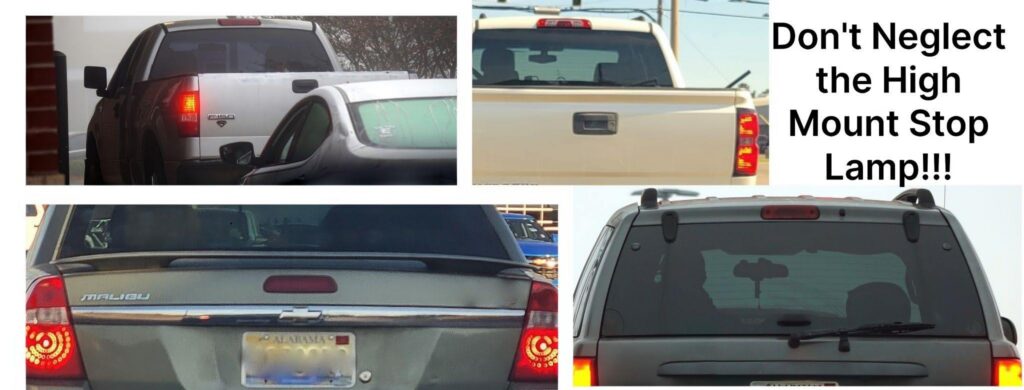
Choose Your Cart Size
Three legitimate paths cover almost every third brake light job. Pick the one that fits the vehicle and the owner, not the one that looks most thorough.
Minimum Viable Repair
The lens cracked, the housing leaks, or a few LEDs went dark. The wiring and mount are fine.
- Choose it if: the surrounding paint, headliner, or cargo area shows no water damage
- Choose it if: the vehicle is newer and the harness connector is intact
- Choose it if: budget or resale dictates a like-for-like swap
- Typical cart: direct-fit replacement assembly that matches the original lens color and mounting style
Smart Same-Access Refresh
The housing comes off anyway, so anything in that zone gets attention now.
- Choose it if: the gasket or seal looks crusty or compressed
- Use the correct seal or butyl tape on the gasket area, and apply dielectric grease to the connector to help keep moisture away from the terminals.
- Choose it if: there is any sign of moisture inside the lens
- Choose it if: the headliner or cargo light area shows staining
- Typical cart: replacement assembly, new mounting gasket or butyl tape, fresh fasteners, and a small tube of automotive sealant if the original used one
High-Mileage Reset
The vehicle is older, the lens is sun-faded, and a quality upgrade makes sense for long-term ownership.
- Choose it if: the truck or SUV will be kept several more years
- Choose it if: the original incandescent unit has burned out repeatedly
- Choose it if: visibility upgrades matter for towing or commercial use
- Typical cart: LED-equipped OE-style assembly or a tested upgrade housing, new gasket, fasteners, and dielectric grease for the connector
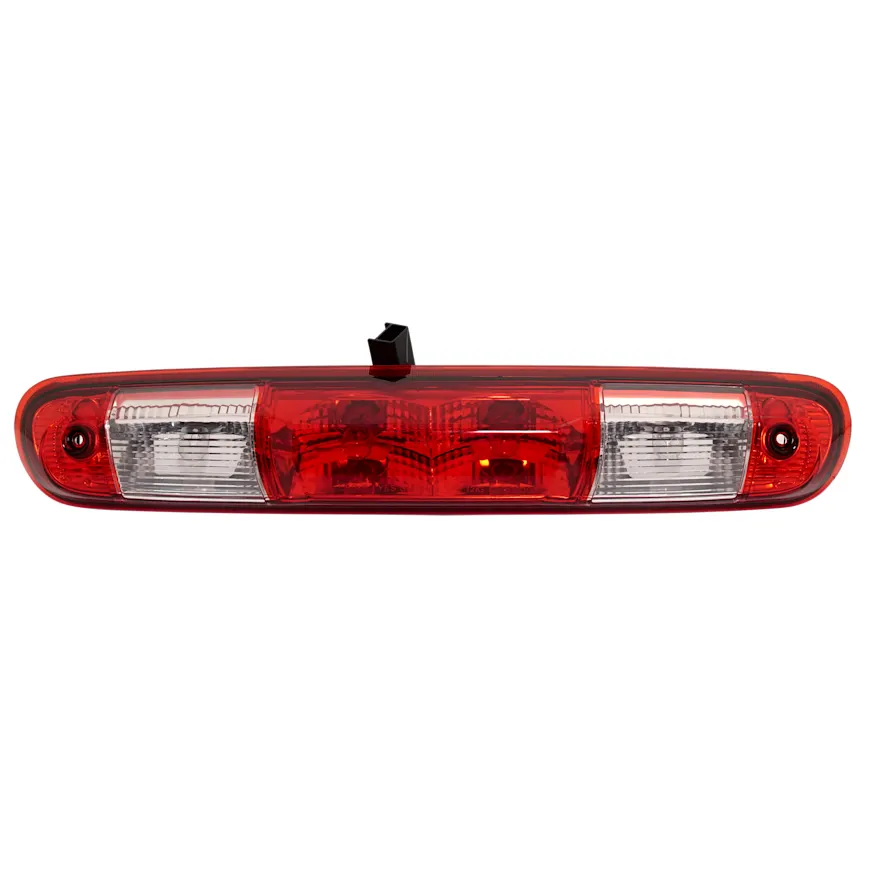
What Is Commonly Ordered Together on This Job
A third brake light job rarely needs much beyond the assembly itself, but a few small items prevent comebacks.
Sealing items. Most factory third brake lights use a foam or rubber gasket against the body or rear glass. Some use butyl tape. If the replacement assembly does not include a fresh gasket, ordering one separately or adding a butyl strip is cheap insurance against a roof leak.
Hardware and fasteners. Mounting screws, plastic clips, and trim retainers often break on removal, especially on vehicles over ten years old. A small assortment of body clips and the correct screws keeps the install moving.
Electrical consumables. Dielectric grease for the connector and electrical tape for any frayed harness wrap are inexpensive and worth tossing in the cart.
Bulbs, if applicable. Older third brake lights use replaceable bulbs rather than integrated LEDs. If the original is a bulb-type unit, a fresh set of the correct bulbs goes in alongside the housing.
What People Forget Until the Vehicle Is Already Apart
A short list of things that send shoppers back to checkout halfway through the job:
- The new assembly arrived without a gasket and the old one tore on removal
- The lens color is wrong because the listing thumbnail looked red but the unit is clear with a red bulb
- The connector has a different pin count or a different clip style
- The cargo lamp version costs more and was not ordered, but the truck has one
- The barn-door version was needed instead of the liftgate version on a van
- The mounting bolt pattern does not line up because the body style split was missed
- The DOT stamp is missing on a budget assembly, which matters for inspection states
- No fresh sealant or butyl tape was ordered for a roof-mounted unit

When Replacing Only the Third Brake Light Is False Economy
For most cars and small SUVs with a deck-lid mounted third brake light, a like-for-like swap is genuinely fine. The part is accessible, the gasket usually survives, and the harness rarely fails. Spending more does not make the repair better.
The math changes on roof-mounted assemblies, especially on trucks, full-size SUVs, and cargo vans. Pulling the headliner or removing interior trim to reach the housing is the real cost of the job. Doing that twice because the gasket was reused and started leaking, or because the budget housing failed within a year, turns a cheap part into an expensive repeat repair. On those vehicles, a quality assembly plus fresh sealing material is the rational order.
The same logic applies when water damage is already visible. If the headliner is stained or the cargo light works intermittently, the leak has been happening for a while. Replacing only the lens without addressing the seal puts the new part in the same failure path.
The Fitment Splits That Break Third Brake Light Orders
This is where most wrong-part orders happen. The splits below appear across many vehicle lines. Not all apply to every model.
Lens color. Clear lens with red bulb, red lens with clear bulb, smoked lens for styling. These are not interchangeable in states with strict inspection.
Cargo lamp versus no cargo lamp. Many trucks offered a third brake light with an integrated cargo light that illuminates the bed. The connector and housing differ from the non-cargo version.
Mounting style. Roof-mount, deck-lid mount, spoiler-integrated, and tailgate-mount housings are not cross-compatible even on the same model.
Body style. Vans split between barn-door and liftgate versions. SUVs split between rear glass and liftgate-mounted units. Trucks split between standard cab and crew cab.
Bulb type. Incandescent bulb, sealed LED strip, or replaceable LED module. The connector and current draw can differ.
Connector pinout. Two-pin, three-pin, and four-pin connectors appear across model years even within the same nameplate.
Production date split. Some vehicles changed third brake light suppliers mid-year. A VIN check or production date verification matters on those applications.
When in doubt, the safest move is to pull the existing unit, photograph the connector and gasket, and match the listing details before ordering a new third brake light.
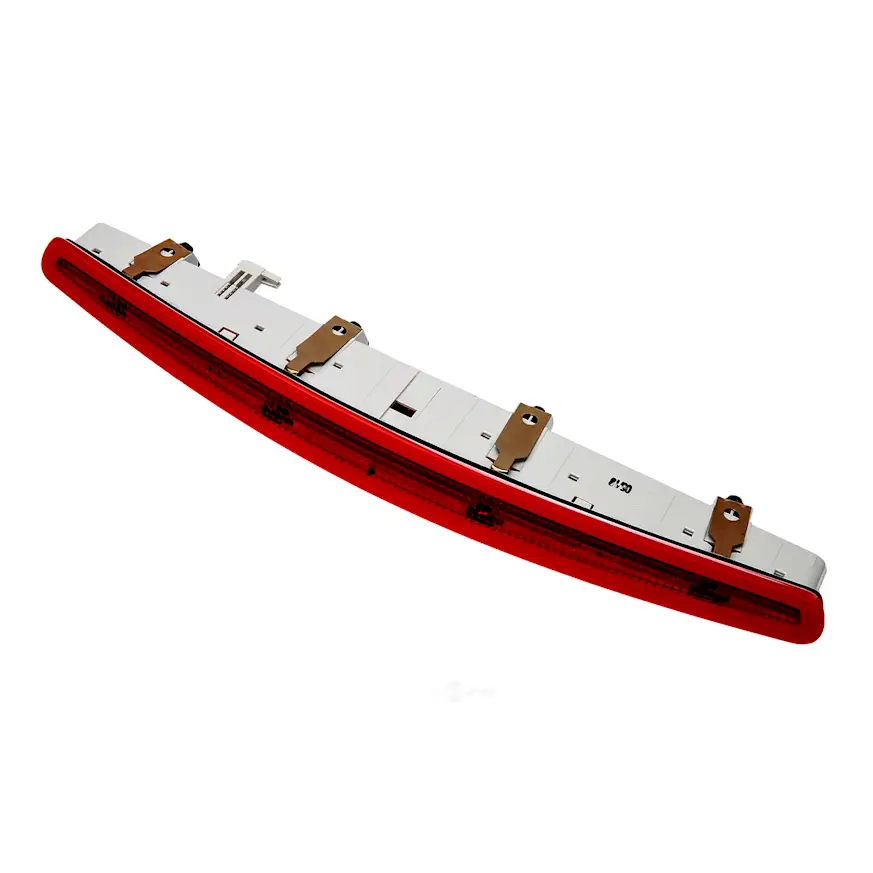
Delivery-Day Inspection Checklist
Before any trim comes off the vehicle, compare the new part to the old one on a clean bench.
- Lens color matches the original
- Lens shape and length match the original
- Mounting bolt or screw pattern lines up
- A gasket is present, or a replacement gasket was ordered
- Connector style and pin count match the harness
- The wire length is sufficient to reach the connector
- Housing depth fits the vehicle opening
- The DOT stamp is visible on the lens or housing
- No shipping damage to the lens or housing
- All clips and tabs are intact
Your One-Job Order Sheet for a Third Brake Light
- Confirm the vehicle. Year, make, model, body style, and trim. Note cargo lamp presence on trucks and the door style on vans.
- Confirm the repair scope. Like-for-like, same-access refresh, or long-term reset.
- Confirm what the listing includes. Gasket, hardware, pigtail, bulbs.
- Add the consumables. Butyl tape or sealant, dielectric grease, replacement clips.
- Bench-check the old part. Match lens color, connector, and mounting before tearing into trim.
- Choose the right ownership logic. Budget direct-fit for short-term ownership, quality assembly from Dorman or another trusted brand for vehicles staying in the fleet.
The Smart Way to Shop Third Brake Lights
The cheapest result and the closest-looking thumbnail are not the same thing as the right part. A third brake light order goes wrong when the shopper picks by image and price instead of by lens type, mounting style, connector, and body configuration.
Cart logic depends on the vehicle, the access difficulty, and how long the owner plans to keep driving it. A deck-lid swap on a sedan is a five-minute job that tolerates a budget part. A roof-mount replacement on a work truck deserves an assembly that won’t need to come back out next year.
Drivers questioning whether the lamp is even required by law should still treat it like any other safety-critical lighting component, on par with a quality tail light or a working headlight.
The right order is the one that gets the housing on, the seal tight, and the brake lamp working the first time, with no second box on the porch a week later.
Keep Reading: Related Posts




Any information provided on this Website is for informational purposes only and is not intended to replace consultation with a professional mechanic. The accuracy and timeliness of the information may change from the time of publication.