Modern vehicles use an exhaust gas recirculation (EGR) system to reduce harmful emissions. When that system allows too much exhaust gas back into the engine, the powertrain control module (PCM) sets trouble code P0402.
Quick Answer
- Meaning/Definition: P0402 means the PCM has detected excessive exhaust gas recirculation (“EGR ‘A’ flow excessive detected”).
- What it affects: The EGR system, intake manifold air temperature, engine combustion temperatures, and overall drivability.
- How serious it is: It can cause noticeable drivability problems (rough idle primarily) and should be addressed promptly.
- Possible causes: Faulty differential pressure sensor,failing EGR valve, vacuum issues, wiring problems, or PCM-related issues.
- What to do first: Confirm the code, inspect EGR-related components, and diagnose before replacing parts.
- Can you keep driving: Driving may be possible for a short time, but continued operation can worsen drivability issues and should be avoided if stalling or rough idle occurs.
What Does the P0402 Code Mean?

Diagnostic trouble code (DTC) P0402 stands for “Exhaust Gas Recirculation ‘A’ Flow Excessive Detected.” It means the PCM has determined that too much exhaust gas is flowing through the EGR system when it shouldn’t be.
P0402 is a generic OBD-II code that can appear on many makes and models. However, the exact definition and diagnostic steps can vary by manufacturer, so the vehicle-specific service information should always be consulted.
How the EGR System Works
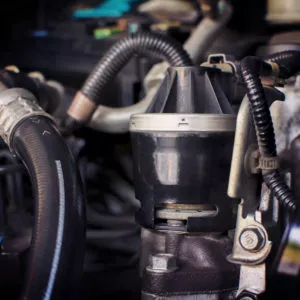
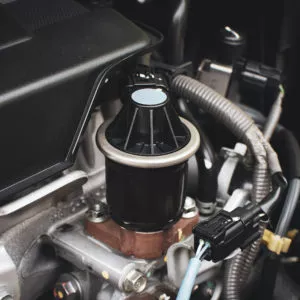
The EGR system opens a pintle to allow about 5% of the exhaust gas to flow into the intake plenum where it displaces oxygen during cruise and helps reduce nitrogen oxide (NOx) emissions by lowering combustion temperatures inside the engine. When operating conditions are correct (throttle open, engine loaded), the PCM commands the EGR valve to open and allows a controlled amount of exhaust gas into the intake manifold.
These inert exhaust gases reduce peak combustion temperatures, which limits NOx formation. On gas burning engines, the EGR should never be open at idle. Some diesel engines will open the EGR at idle. It quietens the “diesel rattle” a bit. Because EGR is only needed under certain conditions, the PCM closely monitors how much flow is occurring on both gas and diesel engines equipped with EGR.
If excessive flow is detected, the PCM turns on the check engine light and stores code P0402.
Common Symptoms Related to the P0402 Code
Symptoms related to P0402 often affect drivability, though they can vary by vehicle. Common signs include:
- Illuminated check engine light
- Rough or unstable idle
- Engine stalling
- Engine surging or dying at idle
- In extreme cases, the engine may fail to start
Common Causes of the P0402 Code
Possible causes of P0402 include:
- Faulty differential pressure feedback EGR (DPFE) sensor
- Failing or sticking EGR valve
- EGR valve not closing correctly
- EGR control circuit problems
- PCM issues, including software that may need updating
How Serious Is P0402?
P0402 is not just an emissions-related code. Excessive EGR flow can cause rough idle, stalling, and poor engine performance.
Ignoring the problem can lead to worsening drivability and may contribute to further engine-related issues over time. For these reasons, the code should be diagnosed and repaired as soon as possible.
How to Diagnose the P0402 Code
Because P0402 is a generic code, diagnostic procedures can vary by manufacturer and model year. A proper diagnosis usually follows a logical path:
- Confirm the code with a scan tool and check for related trouble codes.
- Inspect EGR-related wiring and connectors for damage or poor connections.
- Check the differential pressure sensor for proper operation (on Fords).
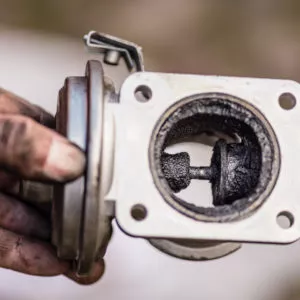
- Inspect the EGR valve for carbon buildup or sticking.
- Verify proper vacuum supply and control to the EGR valve, if applicable.
Always follow manufacturer-specific diagnostic steps, especially for vehicles known to use DPFE sensors, such as many Ford models.

How to Fix the P0402 Code
Fixing P0402 depends on the underlying cause identified during diagnosis. Common repair paths include:
- Replacing a faulty differential pressure sensor
- Repairing or replacing a failing EGR valve
- Fixing damaged wiring or poor electrical connections in the EGR control circuit
- Addressing PCM-related issues, such as software updates, if required
Diagnosis should always come first to avoid unnecessary part replacement.
When to Get Professional Help
If you’re not confident in your diagnostic skills or automotive repair experience, it’s best to let a qualified mechanic handle the issue. Professional diagnosis can save time, prevent incorrect repairs, and ensure the underlying problem is properly resolved.
FAQs
P0402 is triggered when the PCM detects that the EGR system is allowing too much exhaust gas flow under conditions where it should be limited.
No. While P0402 is a generic code, the exact definition and repair process can vary by manufacturer and vehicle model.
Yes. When the PCM detects excessive EGR flow, it illuminates the check engine light and stores the code.
Yes. A failing or sticking EGR valve is one of the possible causes of excessive EGR flow.
The code is often seen in vehicles that use a DPFE sensor to monitor EGR flow, including many Ford models
Yes. Since the EGR system directly controls NOx emissions, excessive EGR flow can disrupt proper emissions control.
Yes. While the vehicle may still run, the drivability issues and potential for further problems make prompt repair important.
Basic checks may be possible for experienced DIYers, but manufacturer-specific procedures and testing equipment are often required for accurate diagnosis.
Ignoring the code can lead to worsening drivability problems, such as stalling and rough idle, and may contribute to additional engine issues over time.
Products Mentioned in this Guide
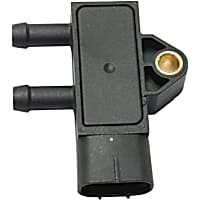 Differential Pressure Sensor
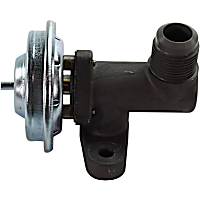 EGR Valve
 Engine Control Module
Keep Reading: Related Posts



Any information provided on this Website is for informational purposes only and is not intended to replace consultation with a professional mechanic. The accuracy and timeliness of the information may change from the time of publication.